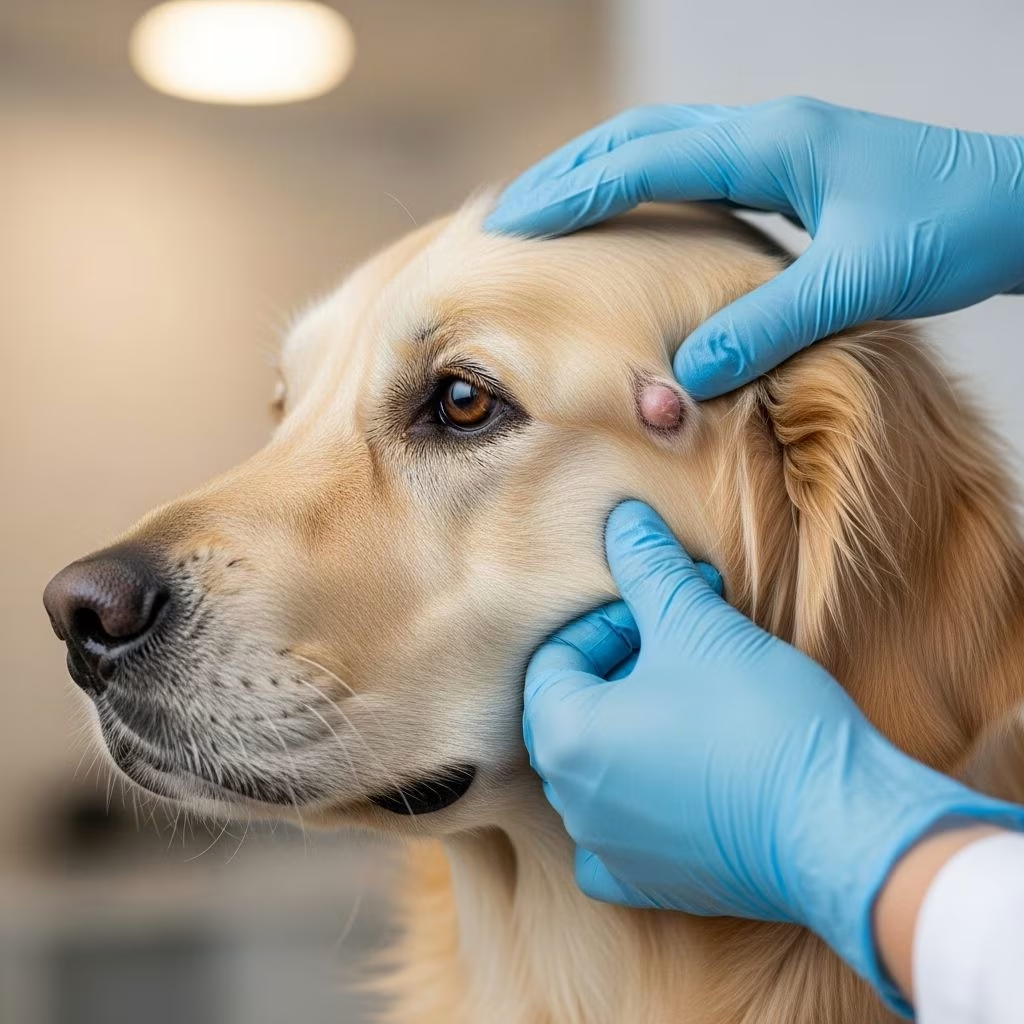
Tumors in dogs are a significant health concern, and understanding how to recognize, diagnose, and treat these growths can make a vital difference in your pet’s well-being. Tumors can be benign (non-cancerous) or malignant (cancerous), and early detection is crucial for the best prognosis. This comprehensive guide explains what dog tumors are, their common types, what symptoms to watch for, how veterinarians diagnose them, and what treatment options are available.
What Is a Tumor?
A tumor is an abnormal growth of cells that forms a lump, mass, or swelling. These growths may be benign, meaning they do not spread to other parts of the body, or malignant, meaning they are cancerous and can invade surrounding tissues and metastasize (spread) elsewhere.
Are Dog Tumors Common?
Tumors are common in dogs, especially in older pets. Studies estimate that roughly one in four dogs will develop cancer in their lifetime. Not every tumor is cancerous, but identifying any new growth early is essential for proper management and improved outcomes.
Symptoms and Signs of Tumors in Dogs
Noticing a lump or bump on your dog is often the first sign of a tumor, but other symptoms may also signal a problem. Here are common signs associated with both benign and malignant tumors:
- New or growing lumps, bumps, or swellings
- Persistent sores or wounds that do not heal
- Changes in the size, shape, or feel of a lump
- Bleeding or abnormal discharge from any body opening
- Loss of appetite or unexplained weight loss
- Lethargy or decreased activity
- Difficulty eating, swallowing, or breathing
- Pain, lameness, or swelling of a limb (especially with bone tumors)
- Enlarged lymph nodes
Some tumors cause systemic symptoms, while others remain unnoticed for long periods. Always consult your veterinarian if you observe a new lump, behavioral changes, or any of the above signs in your dog.
Common Types of Tumors and Cancers in Dogs
Numerous types of tumors can develop in dogs. While not all lumps are life-threatening, several malignant cancers are particularly important to recognize.
| Type | Description | Common Location |
|---|---|---|
| Mast Cell Tumor | Most common skin cancer. Appears as variable skin or subcutaneous masses, sometimes itchy or red. | Skin, limbs, trunk |
| Lymphoma | Cancer of lymphatic tissue; rapidly growing, can cause lymph node enlargement. | Lymph nodes, spleen |
| Mammary Gland Tumors | Common in unspayed females; may appear as firm nodules along the mammary chain. | Mammary glands |
| Osteosarcoma | Aggressive bone cancer, often in large breeds. Causes swelling, lameness. | Long bones (legs) |
| Melanoma | Can occur on skin or in mouth; oral melanomas are typically malignant. | Mouth, skin, toes |
| Soft Tissue Sarcoma | Locally invasive; arises from muscle, fat, or connective tissue. | Anywhere on body |
| Transitional Cell Carcinoma | Most common bladder cancer, mimicking urinary tract infection signs. | Bladder |
Benign vs. Malignant Tumors
- Benign tumors are usually slow-growing, do not invade neighboring tissues, and do not spread to distant sites. Examples include lipomas (fatty tumors) and sebaceous gland adenomas.
- Malignant tumors can grow rapidly, invade surrounding tissues, and often metastasize to other organs. Early removal and treatment are often necessary for best outcomes.
Causes and Risk Factors for Tumors in Dogs
The exact cause of tumor formation in dogs frequently remains unknown, but certain risk factors increase susceptibility:
- Age: Risk rises as dogs grow older.
- Breed: Some breeds are predisposed to specific cancers (e.g., Boxers for mast cell tumors, Golden Retrievers for lymphoma).
- Genetics: Hereditary factors can influence cancer risk.
- Hormonal status: Unspayed female dogs are more likely to develop mammary gland tumors.
- Environmental exposures: Sunlight, smoke, certain chemicals, and radiation can contribute.
- Obesity: Overweight dogs may be at heightened risk for certain tumors.
How Veterinarians Diagnose Dog Tumors
Diagnosing a tumor and determining its malignancy are essential steps for effective treatment planning. Veterinarians use a combination of the following approaches:
- Physical Examination: Assessing the size, location, and characteristics of the lump.
- Fine Needle Aspiration (FNA): Taking a small sample of cells from a mass for microscopic evaluation. This can often distinguish between benign and malignant tumors.
- Biopsy: Removing a larger tissue sample for in-depth analysis and firm diagnosis.
- Imaging: X-rays, ultrasounds, CT scans, or MRIs are used to assess tumor depth, involvement of underlying structures, and potential spread (metastasis).
- Blood Tests: Help evaluate overall health and can sometimes indicate organ involvement.
- Lymph Node Aspiration: Testing nearby lymph nodes for tumor spread, especially in cancers like mast cell tumor and lymphoma.
In many cases, a combination of these tests establishes the diagnosis, tumor type, and stage of disease.
Types of Cancerous Lumps on Dogs
While not every lump is dangerous, common cancerous lumps in dogs include:
- Soft tissue sarcomas – slow-growing, but locally invasive.
- Lymphomas – affect lymph nodes and organs, often with rapid progression.
- Osteosarcomas – fast-spreading bone tumors.
- Mast cell tumors – itchy, sometimes ulcerated skin nodules; may spread if aggressive.
- Fibrosarcomas, squamous cell carcinomas, and malignant melanomas can also appear as lumps on the skin or mouth.
When Should You Call Your Veterinarian?
Contact your veterinarian if you notice:
- New or rapidly growing lumps
- Lumps with irregular borders or a mix of soft and firm areas
- Associated symptoms such as lethargy, pain, weight loss, or non-healing sores
Prompt veterinary evaluation increases the chance of early detection and effective treatment.
Grading and Staging Dog Tumors
Veterinarians use grading and staging to classify tumors and guide treatment decisions:
- Grading indicates the tumor’s aggressiveness and likelihood of recurrence (low, intermediate, or high grade).
- Staging defines how far the cancer has spread within the body (typically using a numeric system, with higher stages signifying more advanced spread).
For example, mast cell tumors are graded after biopsy to predict outcomes and may be staged using lymph node analysis and imaging to look for metastasis. Lower stages and grades generally carry a much better prognosis.
Treatment Options for Dog Tumors
Treatment varies depending on the tumor type, grade, stage, and dog’s general health. Key treatment modalities include:
- Surgery: Removing the tumor is often the first-line treatment, especially for localized lumps. Complete excision can be curative for many low-grade tumors.
- Chemotherapy: Used for cancers prone to spreading (such as lymphoma, high-grade mast cell tumors) or when surgery alone is insufficient.
- Radiation Therapy: Recommended for inoperable tumors, incomplete surgical margins, or as part of a combination approach.
- Immunotherapy: Select cases benefit from vaccines or immune-modulating medications (e.g., for melanoma).
- Palliative Care: Supporting quality of life with pain management and symptom relief when curative treatment isn’t possible.
| Tumor Type | Typical Treatment |
|---|---|
| Mast Cell Tumor | Surgery (curative in low-grade), chemotherapy/radiation for advanced disease |
| Lymphoma | Chemotherapy (most responsive to drugs) |
| Mammary Gland Tumor | Surgery (spaying unspayed dogs often recommended) |
| Osteosarcoma | Amputation (for limb tumors), chemotherapy |
| Melanoma | Aggressive surgery, sometimes radiation/chemotherapy, immunotherapy (melanoma vaccine) |
Prognosis: What to Expect After Treatment
The prognosis depends on several factors:
- Tumor type, grade, and stage at diagnosis
- Location and size of tumor
- Dog’s age and overall health
- Success of surgical removal and follow-up care
Many low-grade or benign tumors can be entirely cured with surgery. Aggressive cancers, or those discovered after spreading, often require more intensive therapy and may have a guarded prognosis. Ask your veterinarian about follow-up care and monitoring, which often includes repeat exams, imaging, and blood work following surgery or treatment.
Frequently Asked Questions About Dog Tumors
What is the difference between a benign and malignant tumor?
A benign tumor grows in one place and does not spread elsewhere, while a malignant tumor can invade nearby tissues and may spread to distant organs.
How can I tell if my dog’s lump is cancerous?
Cancerous lumps often grow rapidly, have irregular borders, and may cause systemic symptoms like weight loss or lethargy. A definitive diagnosis requires veterinary assessment and usually cytology or biopsy.
Should every lump be removed from my dog?
Not every lump needs removal, but every new or changing lump should be checked by a veterinarian, as some benign growths can be safely monitored while others require removal or further testing.
Are certain dogs at higher risk for cancer?
Yes, older dogs and some breeds (like Boxers, Golden Retrievers, and Poodles) are more prone to specific tumors. Unspayed females are at higher risk for mammary gland tumors.
Is cancer in dogs always fatal?
No, many tumors are benign and many cancers are treatable—especially if caught early. Success rates depend on tumor type, location, and treatment timeliness.
How to Support a Dog Diagnosed With a Tumor
If your dog is diagnosed with a tumor, remember:
- Maintain regular checkups for early detection of recurrence or new growths.
- Follow your veterinarian’s recommendations for medications, diet, and monitoring.
- Monitor for side effects if your dog is undergoing chemotherapy or radiation.
- Provide supportive care: ensure pain is well managed and encourage a healthy, stress-free lifestyle.
- Consider seeking a veterinary oncologist for complex or advanced cases.
Prevention and Early Detection
While not all tumors can be prevented, proactive steps can lower risk:
- Spay or neuter pets early to reduce risk of certain tumors.
- Maintain a healthy weight and diet.
- Avoid exposure to cigarette smoke and known carcinogens.
- Perform routine home checks: feel for lumps and watch for behavioral changes.
- Ensure regular veterinary checkups and screenings, especially as dogs age.
Conclusion
Tumors are a common issue for dogs, but early detection and modern treatments make a significant difference. Always consult your vet when you detect a new lump, and remember—timely action offers the best hope for a positive outcome and a longer, happier life for your dog.
References
- https://www.petmd.com/dog/conditions/cancer/mast-cell-tumor-in-dogs
- https://www.metlifepetinsurance.com/blog/pet-health/7-most-common-cancers-in-dogs/
- https://www.petmd.com/dog/conditions/cancer/cancer-dogs-symptoms-types-and-treatment
- https://www.petmd.com/dog/general-health/how-to-tell-dog-lump-cancerous
- https://www.petmd.com/dog/conditions/signs-of-cancer-in-dogs
- https://www.petmd.com/dog/symptoms/lumps-bumps-and-cysts-dogs
- https://www.imprimedicine.com/blog/tumors-on-dogs
- https://www.petmd.com/hub/dog-cancer
- https://www.webmd.com/pets/dogs/dog-lumps-bumps-skin