Conjunctivitis, commonly known as pink eye, is a prevalent eye condition in dogs that results from inflammation of the conjunctiva, the thin, transparent membrane covering the eyeball and lining the inner eyelids. Just as in humans, canine conjunctivitis can cause discomfort, irritation, and various symptoms that demand attention and treatment from pet owners and veterinarians. This comprehensive guide will help you understand all aspects of dog conjunctivitis, including its causes, signs, diagnosis, treatment, and preventive measures.
What Is Conjunctivitis in Dogs?
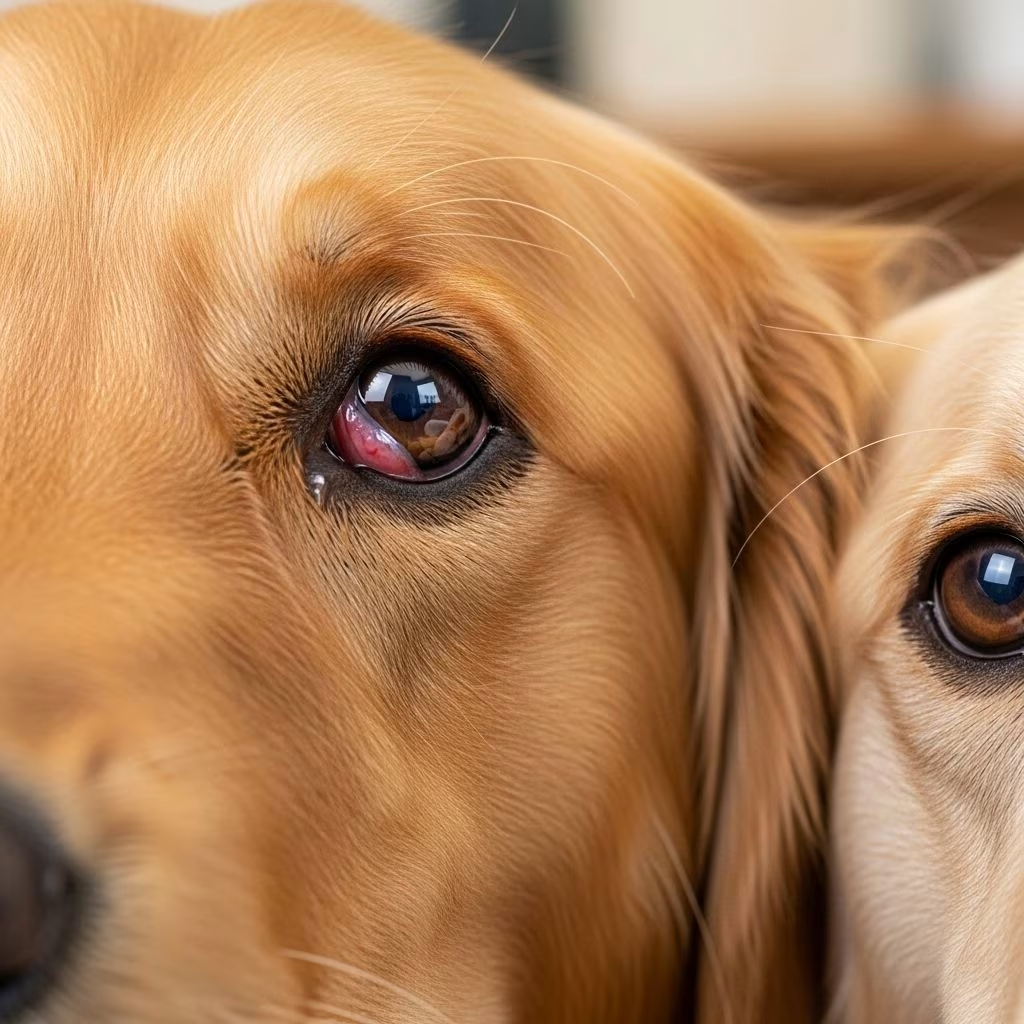
Conjunctivitis is an inflammatory condition of the conjunctiva. This membrane serves as a barrier, protecting the eye from dust, pathogens, and other irritants. When inflamed, it can present with redness, swelling, excessive tearing, and eye discharge. While often called “pink eye” due to the reddish appearance, conjunctivitis in dogs may not look identical to that in humans, especially if your dog’s eye anatomy or coloring conceals these changes.
- Protective function: Shields the eyeball from external irritants.
- Common term: Pink eye (though not always visibly pink).
- Affects: One or both eyes; can affect dogs of all breeds and ages.
Symptoms of Dog Conjunctivitis
The signs of conjunctivitis can range from mild to severe, often depending on the underlying cause. Early identification is crucial for prompt treatment and comfort for your pet.
- Redness: The normally white part of the eye appears pink or red.
- Watery or sticky discharge: Often clear, yellow, or green; may cause eyelids to stick together.
- Swollen eyelids: Puffiness and inflammation may be visible.
- Squinting or excessive blinking: Your dog may close its eyes or blink repeatedly to relieve irritation.
- Rubbing or pawing at the eyes: Discomfort leads dogs to rub their face on furniture or with paws.
- Tearing: Eyes may water more than usual.
- Eyelids sticking together: Build-up of discharge, especially after sleep.
- Cold-like symptoms: Runny nose or sneezing, especially if caused by a viral infection.
If these symptoms appear, prompt veterinary care is advised to prevent complications and discomfort.
Common Causes of Conjunctivitis in Dogs
Understanding the various causes of conjunctivitis helps guide both diagnosis and treatment. Dog conjunctivitis can result from a multitude of triggers, including infectious, environmental, and anatomical factors.
| Cause | Description |
|---|---|
| Bacterial Infection | Most frequently caused by Staphylococcus or Streptococcus species; leads to pus-like discharge. |
| Viral Infection | Viruses like Canine Herpesvirus (CHV-1), canine distemper, or influenza may trigger conjunctivitis along with systemic symptoms. |
| Allergies | Reactions to pollen, dust, mold, or atopy can inflame the conjunctiva. |
| Foreign Bodies | Dirt, grass seeds, sand, or small debris entering the eye or lodging under the eyelid. |
| Environmental Irritants | Exposure to smoke, pollution, or chemicals (e.g., shampoo). |
| Dry Eye (Keratoconjunctivitis Sicca) | Insufficient tear production leads to dryness and inflammation. |
| Eye Injury/Trauma | Scratches, punctures, or other injuries to the eye surface. |
| Ingrown Eyelashes/Hair | Eyelashes growing inwards or abnormal lid position (entropion, ectropion) may rub the eye surface. |
| Immune Disorders | Autoimmune conditions attacking the conjunctiva. |
| Tumors | Growths in or around the conjunctiva disrupting normal eye function. |
| Mites | Parasitic infestation around the eye region. |
How is Conjunctivitis in Dogs Diagnosed?
Veterinarians perform detailed examinations to determine both the cause and the extent of the conjunctivitis. Diagnostic steps may include:
- Physical examination: Checking eye color, discharge, and eyelid motion.
- Fluorescein staining: Highlights corneal ulcers or scratches.
- Schirmer tear test: Measures tear production for dry eye diagnosis.
- Cytology: Swab samples to detect bacteria or fungi.
- Allergy tests: May be advised if conjunctivitis is persistent or seasonal.
- PCR/Viral culture: Used to confirm viral etiologies (e.g., CHV-1).
The veterinarian considers your dog’s full medical history, environment, and recent exposures to narrow down the underlying cause.
Treatment Options for Dog Conjunctivitis
Conjunctivitis treatment is tailored to its cause. The goals are to alleviate discomfort, eliminate infection or inflammation, and prevent recurrence. Your veterinarian will recommend the best course for your pet.
- Foreign body removal: If debris is present, removing it is essential, sometimes necessitating sedation for safety.
- Antibiotic therapy: Prescribed for proven or suspected bacterial infection, either as topical drops/ointment or oral medication.
- Antiviral medication: Used for viral conjunctivitis, often alongside supportive care.
- Anti-inflammatory treatment: Steroid eye drops or oral steroids for allergies or autoimmune sources.
- Pain management: Addressing soreness with safe analgesics.
- Tear replacement: Lubricating drops for dogs suffering from dry eye.
- Antihistamines: Administered orally or as eye drops for allergic conjunctivitis.
- Treatment for eyelid/eyelash disorders: Surgical or medical solutions for entropion, ectropion, or abnormal eyelash growth.
Important: Only use medications specifically prescribed or approved by a veterinarian for dogs. Human eye drops, especially those containing steroids, may be toxic for pets.
Home Care and Supportive Measures
- Keep eyes clean: Gently wipe away discharge using sterile saline and clean gauze.
- Prevent rubbing: Use an Elizabethan collar if necessary to prevent further injury.
- Monitor for improvement: Note any changes in symptoms, and contact the vet if conditions worsen.
- Administer medications as directed: Adhering to schedules improves outcomes.
Prognosis: What to Expect After Treatment
Most cases of conjunctivitis in dogs resolve with proper treatment, especially if addressed early. The duration and outcome depend on the cause:
- Bacterial cases: Typically respond well to antibiotics within days.
- Allergic conjunctivitis: May require ongoing management, particularly in atopic dogs or during allergy season.
- Dry eye: Often a chronic condition needing lifelong tear supplements.
- Viral cases: May resolve on their own, but antivirals can help immunosuppressed dogs.
- Injury or foreign bodies: Recovery depends on extent and successful removal.
Timely veterinary intervention lowers the risk of complications such as corneal ulcers, vision loss, and recurrence.
Preventing Conjunctivitis in Dogs
While not all causes can be avoided, the following preventive measures reduce the risk of conjunctivitis:
- Routine eye checks: Monitor for redness, discharge, or swelling during grooming.
- Limit exposure to irritants: Avoid allowing your dog in smoky, dusty, or polluted environments.
- Proper hygiene: Bathe using dog-safe products and shield the eyes during baths.
- Protect against trauma: Supervise rough play and discourage face-rubbing in outdoor areas with debris.
- Treat allergies promptly: Follow veterinary advice for allergy management.
- Regular vet visits: Early detection of chronic conditions like dry eye or eyelid abnormalities.
When to See a Veterinarian
If your dog shows persistent eye symptoms—especially discharge, redness, squinting, or swelling—consult a vet promptly. Some eye problems can rapidly worsen, potentially leading to corneal ulcers or loss of vision without treatment. Never delay veterinary assessment if:
- Discharge is yellow or green and sticky
- The eye is painful or your dog avoids light
- Symptoms persist for more than two days
- Other symptoms appear, like fever, runny nose, or lethargy
- History of recent trauma to the eye area
Frequently Asked Questions (FAQs)
Q: Is dog conjunctivitis contagious?
A: Some forms—especially those caused by bacteria or viruses—can be contagious between dogs, but dog conjunctivitis does not typically spread to people. Always isolate infected pets from healthy ones if advised by your veterinarian.
Q: Can conjunctivitis cause permanent eye damage?
A: Untreated conjunctivitis, especially from trauma, dry eye, or ulcers, may lead to scarring, vision loss, or chronic pain. Early treatment substantially reduces these risks.
Q: Are all cases of dog conjunctivitis the same?
A: No. Conjunctivitis varies based on cause—bacterial, viral, allergic, foreign body, structural issues—each needing specific treatments.
Q: Are certain breeds more susceptible to conjunctivitis?
A: Yes. Breeds with prominent eyes (e.g., Pugs, Bulldogs, Shih Tzus) or abnormal eyelid conformation (entropion/ectropion) are at increased risk.
Q: How is medicating a dog’s eye best accomplished?
A: Use prescribed eye drops or ointments as directed, gently restrain your pet, and avoid touching the eye directly. Seek help if your dog struggles with application.
Q: What should I avoid if my dog has conjunctivitis?
A:
- Avoid human medications unless directed by a veterinarian.
- Do not let your dog swim in chlorinated or dirty waters.
- Reject home remedies not recommended by professionals.
Summary Table: Key Facts About Dog Conjunctivitis
| Aspect | Details |
|---|---|
| Definition | Inflammation of conjunctiva, the membrane covering the eyeball and eyelids. |
| Main Symptoms | Redness, discharge, squinting, swollen eyelids, blinking, rubbing at eyes. |
| Triggers | Bacteria, viruses, allergens, foreign bodies, trauma, dry eye, eyelid abnormalities. |
| Treatments | Antibiotics, antivirals, anti-inflammatories, lubricants, foreign object removal. |
| Prognosis | Generally excellent with prompt, tailored treatment. |
| Prevention | Routine care, avoiding irritants, early treatment, managing allergies. |
Conclusion: Safeguarding Your Dog’s Eye Health
Conjunctivitis is among the most manageable eye conditions in dogs, provided it is detected early and treated appropriately. Pet owners should remain vigilant for signs of eye irritation and maintain regular veterinary checkups to guarantee lasting eye health and comfort. Seek professional advice for any unusual eye symptoms, and always use medications and treatments under direct veterinary guidance.
References
- https://www.smalldoorvet.com/learning-center/medical/pink-eye-in-dogs
- https://vcahospitals.com/know-your-pet/conjunctivitis-in-dogs
- https://todaysveterinarypractice.com/ophthalmology/conjunctivitis-in-dogs-and-cats/
- https://www.medvet.com/conjunctivitis-in-dogs/
- https://www.greensboro.carolinavet.com/site/greensboro-specialty-veterinary-blog/2020/07/24/causes–treatments-for-conjunctivitis-in-dogs
- https://www.bluecross.org.uk/advice/dog/health-and-injuries/conjunctivitis-in-dogs
- https://www.pdsa.org.uk/pet-help-and-advice/pet-health-hub/symptoms/conjunctivitis-in-dogs
- https://www.purina.com/articles/dog/health/symptoms/dog-conjunctivitis
- https://veterinaryvisioncenter.com/conjunctivitis-in-pets-recognizing-when-its-more-than-just-pink-eye/