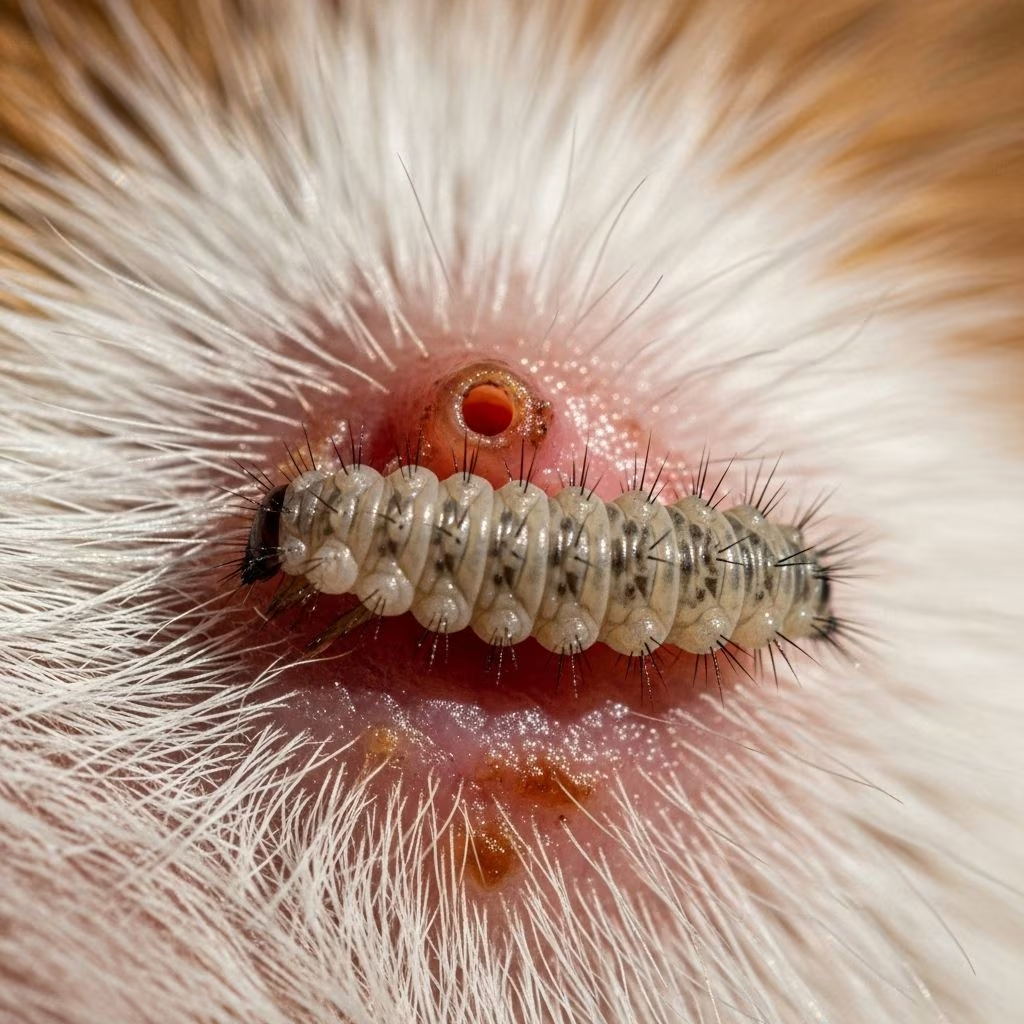
Botflies (Cuterebra) in Dogs: Causes, Symptoms, Diagnosis, Treatment, and Prevention
Botflies, also known as Cuterebra, are parasitic flies whose larvae can infect dogs by burrowing into their skin, eyes, respiratory tract, or, in rare cases, the central nervous system. Often called “warbles” or “wolf worms” during their larval stage, these parasites are found throughout North America and can cause significant health issues if not quickly and properly addressed.
What Are Botflies in Dogs?
Botflies (genus Cuterebra) are large flies whose larvae can act as internal parasites in various mammals. While their typical hosts are rodents and rabbits, dogs can become accidental hosts by coming in contact with grass, soil, or burrows contaminated with botfly eggs or larvae. In the United States, Canada, and Mexico, Cuterebra infestations are most common in late summer and early fall, when adult flies are most active.
- The parasite is referred to as “warbles” or “wolf worms” during the larval stage.
- Dogs are affected after interacting with areas highly trafficked by rodents or rabbits, such as burrows or tall grass.
- While botflies are not prevalent, their impact can be significant if left untreated.
Causes and Life Cycle of Cuterebra
The lifecycle of the botfly begins with adult flies laying their eggs near the entrances of animal burrows or on blades of grass. When animals walk or poke their noses into these areas, the warmth and moisture stimulate the eggs to hatch, and the larvae attach to the host. The larvae then penetrate the skin or enter body openings like the nose or mouth, subsequently migrating to preferred tissues.
- Primary hosts: Rodents and rabbits
- Accidental hosts: Dogs, cats, and rarely humans
- Means of infestation:
- Larvae penetrate the body through the skin or mucous membranes of the mouth and nose.
- Less commonly, through open wounds.
- Active seasons: Most common in late summer and early fall in northern climates, and can occur in warmer climates during most of the year.
Key Point: Cuterebra infestation in dogs most often occurs from environmental exposure in areas where rodent or rabbit populations are high.
Symptoms of Warbles (Cuterebra) in Dogs
The symptoms vary widely depending on the infestation site and the extent of larval migration within the dog’s body. Some infestations may only cause mild discomfort, while others can lead to severe systemic illness.
Common Symptoms by Infestation Site
| Infestation Location | Symptoms |
|---|---|
| Skin (Cutaneous Cuterebriasis) |
|
| Upper Respiratory Tract |
|
| Eyes (Ophthalmic Cuterebriasis) |
|
| Central Nervous System (Brain/Spinal Cord) |
|
Note: Some symptoms, especially those involving the nervous system or eyes, may progress rapidly and can result in permanent damage if not treated quickly.
How Veterinarians Diagnose Botflies in Dogs
A veterinary diagnosis of Cuterebra in dogs typically involves recognizing the distinct skin lesions or lumps that contain a breathing hole. In more advanced or unusual cases—like respiratory or neurological involvement—additional testing will be necessary to confirm infestation and locate the larvae.
Diagnostic Steps
- Physical exam: Palpation of swellings and identification of breathing holes in skin lesions.
- Direct visual identification: Discovery of live larvae inside the skin lump during examination.
- Advanced imaging: For cases involving the brain, spine, or nasal passages, imaging such as CT scans, MRIs, or spinal taps may be used.
- Blood tests: To evaluate systemic changes, especially if severe inflammation, SIRS, or DIC are suspected.
If the larvae have migrated, diagnosis may be more challenging, requiring collaboration between veterinarians and diagnostic imaging specialists.
Treatment for Botflies in Dogs
Prompt treatment significantly improves recovery outcomes in dogs affected by botflies.
Standard Treatment Protocols
- Manual removal: The primary approach is carefully extracting the larvae from the skin lump or lesion. This procedure should be performed by a veterinary professional to avoid rupturing the larva, which can trigger serious allergic responses or leave debris that causes infection.
- Wound cleaning: The area is thoroughly flushed and cleaned after larva removal. Sometimes surgical debridement or closure is required to heal the area.
- Antibiotics: Prescribed if there are secondary bacterial infections or abscesses post-removal.
- Anti-inflammatories: Medications like corticosteroids or antihistamines (e.g., diphenhydramine) may be used to prevent or minimize allergic reactions.
- Anti-parasitic medications: Drugs such as ivermectin are indicated for infestations affecting the brain, spinal cord, or respiratory tract, to halt symptom progression.
- Supportive care: Intravenous fluids, pain control, and monitoring for complications in severe or advanced cases.
Important: Home removal attempts are not recommended, as improper extraction can cause severe complications.
Recovery and Management
The recovery process often depends on the severity and location of the infestation:
- Skin (cutaneous) infestations: Generally have an excellent prognosis if treated early. Monitor the site for discharge, swelling, delayed healing, or abscess formation.
- Ophthalmic infestations: Some cases result in full recovery with appropriate anti-inflammatories and removal. Others may have lasting effects, including blindness or glaucoma.
- Neurological/systemic infestations: Recovery varies. Some dogs can improve with prompt intervention, but severe cases can result in lasting deficits or even fatality.
- Infection after larva leaves: Empty cysts need veterinary cleaning and ongoing antibiotics to address any tissue damage or secondary infection.
Long-term care: Follow all aftercare instructions from your veterinarian. Contact your vet immediately if you note new or worsening symptoms, delayed healing, or if your dog develops systemic signs such as lethargy or lack of appetite.
Prevention Strategies
While botfly infestations are rare, certain measures can decrease your dog’s risk of contracting them:
- Limit unsupervised outdoor access during peak botfly activity seasons, especially in areas where rabbits and rodents are common.
- Monitor and restrict access near animal burrows, tall grasses, and woodland edges.
- Routine check-ups: Perform regular skin checks, especially after outdoor activity.
- Deworming protocols: Maintain up-to-date parasite prevention as recommended by your veterinarian, as some antiparasitic medications may kill developing larvae.
- Prompt veterinary attention: Seek professional help if abnormal swellings or behavioral changes are noted after outdoor activity.
Frequently Asked Questions (FAQs)
Q: How do I know if my dog has a botfly (wolf worm) infestation?
Look for swelling or lumps with a small, visible breathing hole, especially near the head, neck, or face. Other signs can include sudden onset of sneezing, nasal discharge, red eyes, or neurological symptoms. If you spot any of these, contact your veterinarian for assessment.
Q: Are botflies in dogs contagious to other animals or people?
No, botfly infestations cannot be directly transmitted from dog to dog or from dog to human. The larvae require specific conditions in the environment to infect a new host.
Q: Can I remove a botfly larva from my dog at home?
Attempting to remove the larva at home is not advised. Improper extraction can rupture the larva, causing a severe inflammatory or allergic reaction and possibly leaving fragments behind that may lead to infection or further tissue damage.
Q: How long does it take for a dog to recover from cuterebra infestation?
Uncomplicated skin cases usually heal within 1–2 weeks after the larva is removed. Eye and nervous system infestations may require weeks to months of additional care and follow-up, and the prognosis depends on the extent of tissue damage prior to treatment.
Q: Are some dogs more at risk than others?
Dogs that spend time outdoors in rural or wooded areas or hunt small mammals are at increased risk. Puppies and curious dogs are more prone to exploring rodent burrows, which can raise their likelihood of exposure.
Summary Table: Key Facts about Botflies in Dogs
| Aspect | Details |
|---|---|
| Common Name | Botfly (Warble, Wolf Worm) |
| Scientific Name | Cuterebra species |
| Usual Hosts | Rabbits, rodents; Dogs are accidental hosts |
| Geographic Distribution | North America: U.S., Canada, Mexico |
| Peak Seasons | Late summer and early fall (varies by region) |
| Primary Symptoms | Swelling, lumps with breathing holes, respiratory or neurological symptoms |
| Prognosis | Good with early skin cases, guarded with neurological involvement |
| Prevention | Avoid rodent/rabbit habitats, regular check-ups, prompt veterinary care |
Conclusion
While botfly (Cuterebra) infestations in dogs are considered rare, understanding their causes, symptoms, and appropriate treatment is crucial for every dog owner, especially those living in areas with dense rodent populations or rural environments. Regular veterinary care, vigilance during high-risk months, and prompt removal by professionals can ensure your pet stays healthy and fully recovers from this uncomfortable and potentially dangerous parasite.
References
- https://todaysveterinarypractice.com/parasitology/cuterebriasis-in-dogs-and-cats/
- https://www.petmd.com/dog/conditions/infectious-parasitic/c_multi_cuterebrosis
- https://capcvet.org/guidelines/cuterebriasis/
- https://vetster.com/en/conditions/dog/botflies-cuterebriasis
- https://vcahospitals.com/know-your-pet/cuterebra-or-warbles-in-dogs
- https://www.mspca.org/angell_services/cuterebriasis-in-dogs-and-cats/
- https://askavet.com/blogs/pet-health-safety/cuterebriasis-in-dogs-vet-approved-causes-symptoms-treatments-2025-guide-%F0%9F%90%B6
- https://thevets.com/blog/wolf-worms-in-dogs/