Introduction to Flea Eggs
Flea infestations are a common and frustrating problem for pet owners. Understanding what flea eggs look like, where to find them, and how to eliminate them is crucial for effective flea control. Flea eggs are a key part of the flea life cycle, and ignoring them can lead to persistent infestations, even after treating adult fleas.
What Do Flea Eggs Look Like?
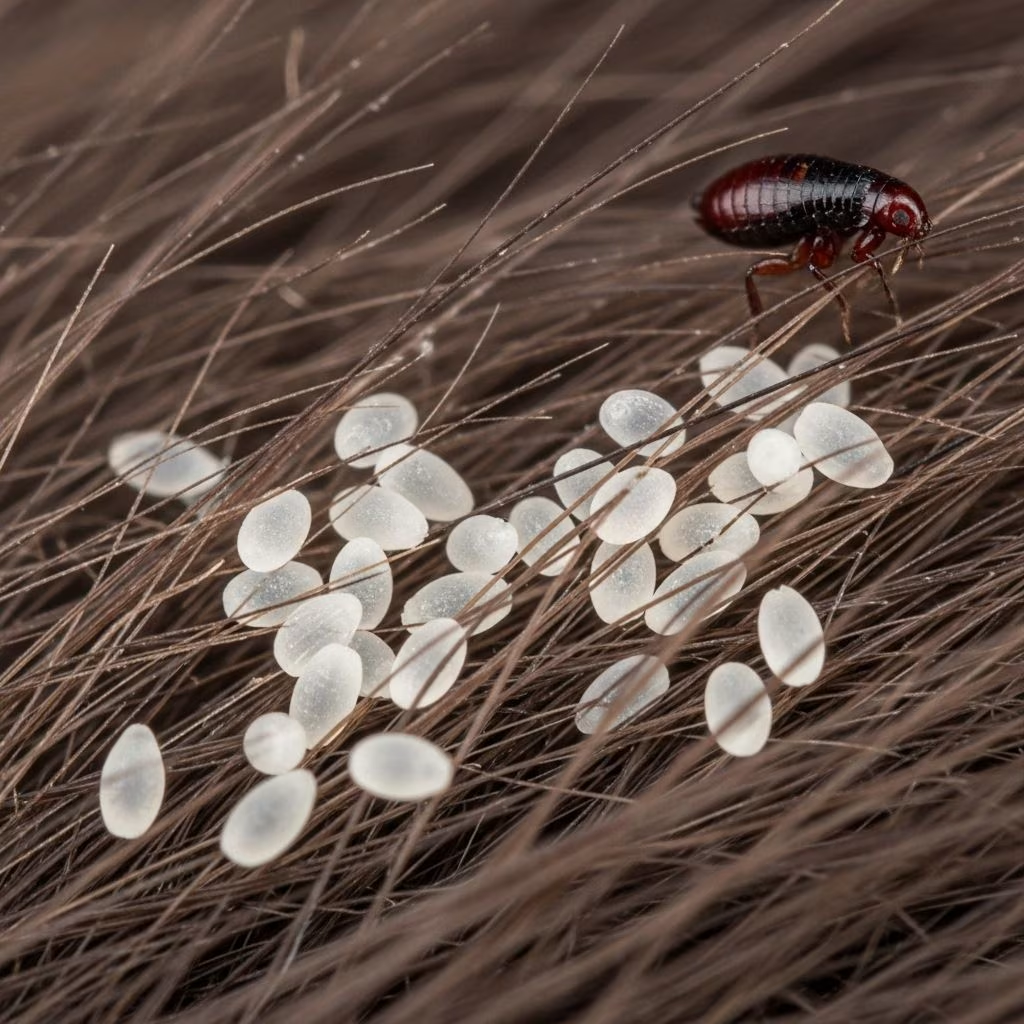
Flea eggs are tiny, measuring about 0.5 mm in length—slightly larger than a grain of table salt. They have an oval, elongated shape with rounded ends and are semi-transparent to pearly white when freshly laid, becoming more opaque as they mature. Under a microscope, they resemble miniature pearls or tiny grains of rice. Their small size and light color make them difficult to spot, especially on light-colored fur or fabrics. To improve visibility, place suspected eggs on a dark background and use a magnifying glass if necessary.
Flea Eggs vs. Flea Dirt
It’s easy to confuse flea eggs with flea dirt (flea feces). Flea eggs are white or translucent and look like salt or dandruff, while flea dirt is dark, crumbly, and resembles black pepper. A simple test is to place the specks on a damp paper towel—flea dirt will dissolve into a reddish stain (digested blood), while flea eggs remain intact.
The Flea Life Cycle
Understanding the flea life cycle is essential for effective control. The cycle consists of four stages:
- Egg: Laid by adult fleas on the host, these eggs quickly fall off into the environment.
- Larva: Eggs hatch into larvae, which avoid light and feed on organic debris and flea dirt.
- Pupa: Larvae spin cocoons, becoming pupae, which can remain dormant for weeks to months.
- Adult: Pupae emerge as adult fleas, ready to jump onto a host and restart the cycle.
Breaking this cycle at any stage is critical to eliminating an infestation. Focusing only on adult fleas will not solve the problem, as eggs and larvae in the environment will soon repopulate.
Where Are Flea Eggs Found?
Flea eggs are most commonly found:
- On your pet’s skin, especially around the stomach, tail base, and ears—though they quickly fall off.
- In pet bedding, carpets, rugs, upholstery, and cracks in flooring—anywhere your pet rests or plays.
- In less obvious places like curtains, sofas, and even your own bed if your pet has access.
Because eggs are not sticky, they disperse easily into the environment, making thorough cleaning essential.
Signs of a Flea Infestation
Look out for these signs that your pet or home may have fleas:
- Excessive scratching, licking, or biting: Pets irritated by flea bites may show these behaviors.
- Visible adult fleas: Small, dark, fast-moving insects on your pet’s skin.
- Flea dirt: Tiny black specks that turn red when wet.
- Flea eggs: Tiny white or translucent oval specks on your pet or in their environment.
- Hair loss or skin irritation: Prolonged infestations can lead to dermatitis or infections.
How to Get Rid of Flea Eggs
Eliminating flea eggs requires a multi-step approach:
Treat Your Pet
- Use veterinarian-recommended flea treatments, such as topical solutions, oral medications, or flea collars.
- Regularly comb your pet with a fine-toothed flea comb to remove eggs, larvae, and adult fleas.
- Bathe your pet with a flea shampoo designed to kill fleas at all life stages.
Clean Your Home
- Wash all pet bedding, blankets, and soft furnishings in hot water.
- Vacuum carpets, rugs, upholstery, and floors thoroughly—especially in areas where your pet rests. Dispose of the vacuum bag or clean the canister outside immediately.
- Steam clean carpets and upholstery to kill eggs and larvae with heat.
- Consider using household sprays or foggers that contain insect growth regulators (IGRs) to prevent eggs from hatching.
Treat the Yard
- If your pet spends time outside, treat your yard with pet-safe flea control products.
- Keep grass short and remove debris where fleas can hide.
Preventing Flea Eggs and Infestations
Prevention is easier than elimination. Follow these steps to reduce the risk of flea infestations:
- Use year-round flea prevention products as recommended by your veterinarian.
- Regularly groom and inspect your pet for signs of fleas.
- Maintain a clean home by vacuuming frequently and washing pet bedding weekly.
- Limit your pet’s exposure to areas known for fleas, such as tall grass or other animals with untreated fleas.
Frequently Asked Questions (FAQs)
How long do flea eggs take to hatch?
Flea eggs typically hatch within 2 to 12 days, depending on temperature and humidity. Warm, humid conditions speed up development.
Can flea eggs survive without a host?
Yes, flea eggs do not need a host to survive. They fall off the pet and develop in the environment, making environmental control essential.
Are flea eggs visible to the naked eye?
Flea eggs are barely visible due to their small size, but they can be seen if you look closely, especially on a dark background.
Do flea eggs stick to surfaces?
No, flea eggs are not sticky. They fall off the host soon after being laid and disperse into the environment.
Can flea eggs hatch in winter?
Flea eggs can hatch indoors year-round if conditions are favorable. Outdoors, development slows or stops in cold weather.
How often should I treat my pet for fleas?
Follow your veterinarian’s recommendations, but most monthly preventatives are effective for ongoing protection.
Conclusion
Flea eggs are a hidden but critical part of the flea life cycle. Recognizing what they look like and where to find them is the first step in effective flea control. Combining pet treatments with thorough home cleaning and preventive measures will help you break the flea life cycle and protect your pets and family from infestation. If you suspect a severe infestation, consult your veterinarian or a professional pest control service for guidance.
References
- https://todayshomeowner.com/pest-control/guides/what-do-fleas-look-like/
- https://www.fantasticpestcontrol.co.uk/fleas/flea-eggs/
- https://fleascience.com/flea-encyclopedia/life-cycle-of-fleas/flea-eggs/what-do-flea-eggs-look-like/
- https://specterservice.com/are-those-flea-eggs-how-to-identify-early-signs-of-infestation/
- https://alluneedpest.com/blog/flea-eggs-how-to-spot-treat-and-prevent-infestations/
- https://www.orkin.com/pests/fleas/what-do-flea-larvae-look-like
- https://ru.petbucket.com/blog/65711/what-do-flea-eggs-look-like-and-how-do-you-get-rid-of-them.html
- https://tillemavetclinic.com/blog/flea-eggs-spring-into-action-before-flea-eggs-do
- https://uk.frontline.com/pet-advice/signs-of-a-flea-infestation