Canine parvovirus, often referred to as parvo, is one of the most severe and contagious viral diseases affecting dogs, especially puppies and unvaccinated adults. Understanding how parvo spreads, recognizing its symptoms, acting quickly for diagnosis and treatment, and taking preventive measures are all crucial steps to protect your beloved pet.
What Is Canine Parvovirus?
Canine parvovirus (CPV) is a highly contagious virus that causes severe gastrointestinal illness in dogs and can have fatal consequences, particularly in puppies and dogs with compromised immunity. Parvo primarily affects the white blood cells and the lining of the gastrointestinal tract, and in some cases, it can also cause damage to the heart muscle of young puppies.
Several strains of parvovirus exist, including CPV-2a, CPV-2b, and CPV-2c. All strains result in similar symptoms, but CPV-2b and CPV-2c are often associated with the most severe cases, particularly in North America.
Who Is Most at Risk?
- Puppies aged 6 weeks to 6 months, as their immune systems are still developing
- Unvaccinated or incompletely vaccinated dogs
- Certain breeds with increased susceptibility, such as Rottweilers, Doberman Pinschers, Bull Terrier breeds, German Shepherds, and English Springer Spaniels
- Dogs exposed to contaminated environments or infected dogs
How Is Parvovirus Spread?
Parvovirus is highly contagious and is spread through direct or indirect contact with an infected dog’s feces.
- Direct contact: Sniffing or licking infected feces, or interacting closely with an infected dog.
- Indirect contact: Virus transmission by contaminated kennels, food and water bowls, collars, leashes, bedding, floors, or even human hands and clothing.
Parvo is extremely resilient. The virus can survive in the environment for months to a year, withstanding heat, cold, humidity, and drying. Even trace amounts of feces from an infected dog can transmit the virus. Disinfecting with a diluted bleach solution (1:30 ratio) can help destroy parvovirus on contaminated surfaces with at least 10 minutes of contact time.
Incubation and Shedding
Dogs infected with parvovirus usually begin shedding the virus in their stool before any outward signs appear and can continue to shed it for up to two weeks after recovery. This makes parvo especially challenging to control in high-density environments, such as shelters and kennels.
Signs and Symptoms of Parvovirus in Dogs
The symptoms of canine parvovirus can vary depending on the severity of infection and the age and immune status of the dog. Typical symptoms appear between three and seven days after exposure, but can range from two to fourteen days.
- Lethargy or depression
- Severe vomiting
- Loss of appetite (anorexia)
- Diarrhea (often bloody and foul-smelling)
- Abdominal pain and bloating
- Fever or, sometimes, low body temperature (hypothermia)
- Rapid dehydration due to fluid loss
Puppies may deteriorate rapidly, and in severe cases, septic shock and death can occur within 48 to 72 hours after symptoms start. If you notice any of these signs, contact your veterinarian immediately.
Complications and Severe Cases
Beside attacking the gastrointestinal tract, parvovirus significantly lowers a dog’s white blood cell count, making it vulnerable to secondary infections and life-threatening complications such as sepsis. In puppies less than eight weeks old, the virus can also target the heart muscle, potentially causing sudden death or lifelong cardiac issues.
How Is Parvovirus Diagnosed?
Your veterinarian will take a detailed medical history and assess symptoms. Diagnosis is usually confirmed by laboratory testing of a sample of your dog’s feces, often using an ELISA (enzyme-linked immunosorbent assay) test kit. The test is rapid and can detect all major parvovirus strains. In some cases, additional blood work may show a low white blood cell count, which is also a hallmark of the disease.
Treatment of Canine Parvovirus
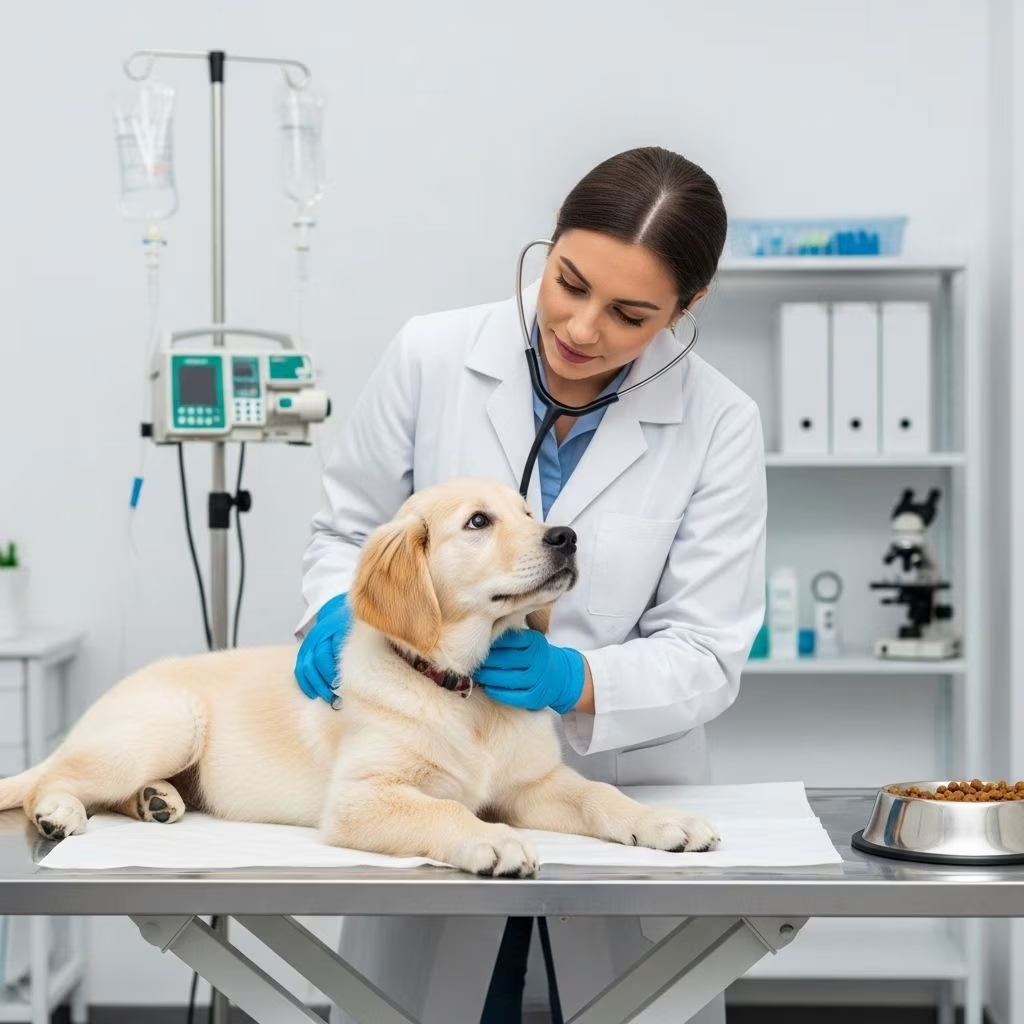
There is no direct antiviral drug to cure parvovirus. Instead, treatment involves intensive, supportive care to help the dog survive until its immune system can clear the virus. Most cases require hospitalization.
- Intravenous fluids: Correct dehydration and electrolyte imbalances caused by vomiting and diarrhea
- Medications: Control vomiting and diarrhea, manage pain, and reduce nausea
- Antibiotics: Prevent or treat secondary bacterial infections arising from damage to the intestinal lining
- Nutrition support: Maintaining caloric intake through special diets or feeding tubes if necessary
- Monitoring: Continuous assessment of vital signs and blood parameters
The recovery period often takes about a week in the hospital, but the duration varies by individual.
Home Care Tips
- Strictly isolate your recovering dog from other dogs until advised otherwise by your veterinarian
- Disinfect all surfaces, bowls, bedding, toys, and any objects your dog may have contacted
- Allow plenty of rest and gradually reintroduce food and water as instructed
- Monitor for any return of symptoms and report changes to your vet promptly
How to Prevent Parvovirus
Prevention is far easier and less costly than treating parvo. The cornerstone of prevention is ongoing vaccination. Puppies are especially susceptible and need to follow a strict vaccination schedule.
Puppy Vaccination Schedule
| Age | Vaccine |
|---|---|
| 6-8 weeks | First round of core vaccines including parvovirus |
| 9-11 weeks | Second dose (booster) |
| 12-14 weeks | Third dose (booster) |
| 16-18 weeks | Final dose of initial puppy series |
| One year | Booster for core vaccines, including parvovirus |
Adult dogs should receive regular vaccine boosters as recommended by your veterinarian.
- Do not socialize puppies with unfamiliar dogs or take them to parks, groomers, or boarding facilities until vaccination is complete
- Follow strict hygiene practices and clean up any feces promptly
- If adopting or bringing a new puppy home, confirm vaccination status
Environmental Decontamination
- Use an appropriate disinfectant, such as diluted bleach (1:30), on all potentially contaminated surfaces
- Remove all organic material first, as it can denature disinfectants
- Remember, the parvovirus can survive indoors for a month or more and outdoors for up to a year
Isolate any infected or exposed dog and inform anyone who has had close contact with the dog to take necessary sanitation steps.
Special Considerations for Shelters and Multi-Dog Households
Facilities with high dog populations (such as shelters and boarding kennels) face unique challenges due to the resiliency and infectiousness of parvovirus. Strict isolation, quarantine, and sanitation protocols are essential. Dogs with any signs of illness should be immediately isolated and monitored for parvovirus, while areas housing sick dogs must be thoroughly disinfected.
Prognosis: What to Expect
With timely and aggressive treatment, many dogs recover from parvovirus, though the disease can be fatal, especially in puppies or immunocompromised dogs. The prognosis improves significantly if the dog receives medical attention before severe dehydration or complications develop.
- Mortality rate in untreated dogs can approach 90%
- With intensive care, survival rate rises to 80-95%
Puppies that survive the infection develop long-lasting immunity, although continued vaccination is still recommended.
Frequently Asked Questions (FAQs)
Q: Can adult dogs get parvovirus?
A: Yes, although parvovirus is most common in puppies and unvaccinated dogs, adults without up-to-date vaccinations are susceptible and can develop severe illness.
Q: Is parvovirus contagious to other animals or people?
A: Canine parvovirus only affects dogs and closely related species, such as foxes and wolves. It does not infect humans, cats, or other animals.
Q: How long does the parvovirus survive in the environment?
A: Parvovirus can survive in indoor environments for at least one month and outdoors for up to a year under the right conditions. This is why thorough cleaning is essential.
Q: Can a dog get parvo more than once?
A: Rarely. After recovery, dogs develop immunity to the specific strain; however, vaccination is still recommended due to possible mutations and waning immunity over time.
Q: What is the first thing to do if I suspect my dog has parvo?
A: Immediately contact your veterinarian for advice. Quick intervention is critical for improving survival odds. Isolate your dog from other pets while awaiting instructions.
Key Takeaways for Dog Owners
- Parvo is a highly contagious and potentially fatal virus that mostly affects puppies and unvaccinated dogs.
- Symptoms include vomiting, bloody diarrhea, lethargy, and loss of appetite. Seek immediate veterinary attention if these signs occur.
- Prevention through vaccination and proper hygiene is the most effective defense.
- Strict isolation and thorough disinfection are critical when dealing with infected or exposed dogs.
- Successful recovery from parvovirus is possible with rapid, aggressive supportive care.
Consult your veterinarian to develop a proactive plan for vaccination, and take steps to reduce exposure risks for your puppy or new dog. Early intervention saves lives!
References
- https://www.medvet.com/protecting-your-puppy-from-canine-parvovirus/
- https://vcahospitals.com/know-your-pet/parvovirus-in-dogs
- https://www.aspcapro.org/topics-shelter-medicine-common-diseases/canine-parvovirus
- https://www.avma.org/resources-tools/pet-owners/petcare/canine-parvovirus
- https://www.overlandparkveterinaryspecialists.com/blog/pet-owners-guide-canine-parvovirus
- https://www.vet.cornell.edu/departments-centers-and-institutes/baker-institute-animal-health/research-baker-institute/canine-parvovirus
- https://www.merckvetmanual.com/digestive-system/infectious-diseases-of-the-gastrointestinal-tract-in-small-animals/canine-parvovirus-infection-parvoviral-enteritis-in-dogs
- https://collegehillsvet.com/navigating-parvo-in-puppies-a-comprehensive-guide-to-treatment-and-prevention-from-college-hills-veterinary-hospital/