Ringworm (Dermatophytosis) in Dogs
Ringworm, known medically as dermatophytosis, is one of the most common fungal skin infections affecting dogs. Despite its name, ringworm is not caused by a worm, but by a group of fungi called dermatophytes that invade the skin, hair, and nails. Understanding its symptoms, routes of transmission, diagnosis, and treatment options is crucial for effective management and prevention in both household pets and kennels.
What Is Dermatophytosis (Ringworm)?
Dermatophytosis is a contagious fungal infection involving the outer layers of the skin, hair, and sometimes claws. The fungi responsible are primarily from the genera Microsporum and Trichophyton. Dogs develop characteristic skin lesions, but the disease can also be subclinical, complicating control and diagnosis.
- Caused by keratinophilic (keratin-loving) fungi that digest and live in hairs and nails.
- Highly transmissible to other pets, and potentially to humans (zoonotic).
- Not life-threatening in healthy dogs, but can cause significant discomfort and widespread outbreaks.
Causes and Transmission of Ringworm in Dogs
Dogs typically contract ringworm through direct contact with infected animals or contaminated environments. Dermatophyte spores are resilient, capable of surviving in the environment for over a year if not properly disinfected.
- Direct contact: Touching an infected animal (dog, cat, rodent, livestock).
- Indirect contact: Exposure to household items, bedding, brushes, or surfaces that harbor infectious spores.
- Environmental sources: Soil contaminated with spores, especially in areas frequented by many animals.
- Disease risk increases in puppies, elderly dogs, or immunocompromised animals.
Can Humans Get Ringworm From Dogs?
Yes, ringworm is zoonotic. Humans—particularly children, the elderly, and those with weakened immune systems—can contract ringworm from infected pets. Handwashing, as well as prompt treatment of infected animals, is essential for prevention.
Symptoms of Ringworm in Dogs
Clinical signs of dermatophytosis in dogs may vary, but classic presentations include:
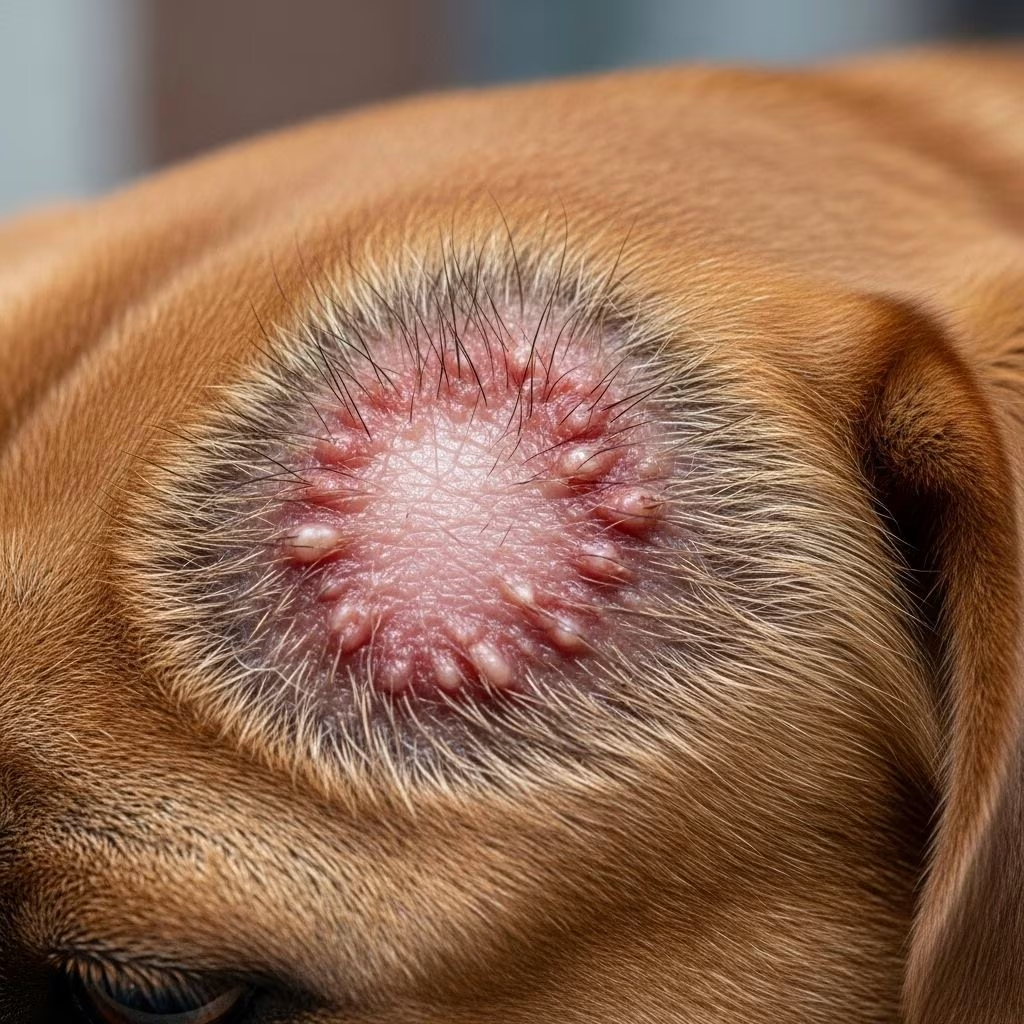
- Alopecia (patches of hair loss), often circular in shape
- Scaling and crusting of the skin, sometimes with redness (erythema)
- Papules (small bumps), pustules, or raised nodules
- Variable ‘ring’ appearance, though not all lesions are perfectly circular
- Mild to moderate itching (pruritus), though some dogs are not bothered
- Hyperpigmentation (darkening of skin) in chronic cases
- Involvement of the claws and nailbeds, causing brittle nails
Some dogs may be carriers and spread spores without obvious skin lesions. Other conditions, such as staphylococcal infections or demodicosis (mange), can mimic ringworm, emphasizing the need for diagnostic testing.
Diagnosis of Ringworm in Dogs
Accurate diagnosis of dermatophytosis requires a systematic approach combining clinical examination and laboratory tests:
- Wood’s Lamp Examination: A special ultraviolet lamp causes some species (Microsporum canis) to fluoresce apple-green. However, not all dermatophytes glow, and false negatives/positives are possible.
- Microscopic Hair Examination: Examining plucked hairs or skin scrapings under a microscope for fungal spores.
- Fungal Culture: Placing collected hair or scales onto a dermatophyte test medium (DTM). Culture remains the definitive test, but may take 1–3 weeks for results.
- PCR Testing: Rapidly identifies dermatophyte DNA, though positive results may indicate carriage rather than active infection.
- Trichogram or Skin Biopsy: Less commonly performed, but may aid diagnosis in complex cases.
Why Correct Diagnosis Matters
Because ringworm looks similar to many other skin diseases—like bacterial folliculitis, demodicosis (mange), and autoimmune disorders—getting an accurate diagnosis guides effective treatment and helps prevent unnecessary or incorrect therapies.
Treatment of Ringworm in Dogs
Ringworm infection requires a comprehensive approach including topical and systemic therapies, alongside environmental decontamination. Treatment should always be individualized for the dog and household situation.
Topical Therapy
- Lime Sulfur Dips: Highly effective antifungal solution, usually applied once or twice weekly following a vet’s instructions. Causes a yellow staining and strong odor, but is safe and fast-acting.
- Antifungal Shampoos: Shampoos containing miconazole, chlorhexidine, or ketoconazole may help reduce fungal load on the skin and limit the spread of arthrospores.
- Creams & Ointments: For localized lesions, antifungal creams can be applied directly, though not typically enough for generalized infections.
Systemic Antifungal Drugs
- Itraconazole: Low toxicity, suitable for most dogs, administered daily or in pulse therapy for several weeks.
- Terbinafine: Alternative to itraconazole, effective and well-tolerated in dogs.
- Ketoconazole: Older therapy, can be cost-effective for large dogs but less commonly chosen due to side effects.
Generally, oral antifungal therapy is continued for at least 4–6 weeks, and until two consecutive negative fungal cultures (taken 2–4 weeks apart) confirm mycological cure.
Should the Coat Be Clipped?
Clipping—removal of hair around lesions—was traditionally advised, but may now be optional. Clipping can increase environmental contamination and stress, so it is usually reserved for long-haired dogs or those with extensive lesions and should be performed with caution.
Environmental Control and Decontamination
Because ringworm spores persist in the environment, cleaning is essential to stop reinfection and minimize spread. Strategies for environmental control include:
- Frequent vacuuming of carpets, upholstery, and pet areas (at least twice weekly).
- Laundering bedding, collars, towels, and toys in hot water and detergent.
- Disinfecting surfaces with solutions like diluted bleach (1:10) or accelerated hydrogen peroxide.
- Discarding non-washable items or items that cannot be successfully decontaminated.
- Restricting access of infected animals to high-traffic areas during treatment.
Managing Multiple Pets and Preventing Reinfection
When more than one pet resides in the household, it is wise to:
- Test all in-contact animals, including cats, for dermatophytosis.
- Treat all infected animals at the same time to prevent a cycle of reinfection.
- Perform regular fungal cultures during and after treatment to confirm cure.
Special Considerations for Puppies and Kennels
- Puppies, older, or immunocompromised animals may experience more severe disease and prolonged courses.
- Kennels, shelters, or high-density environments are at increased risk for outbreaks—thorough isolation and strict biosecurity are recommended.
Prognosis for Dogs with Dermatophytosis
Most healthy dogs recover fully with appropriate treatment. Infections in healthy animals are often self-limiting, but treatment hastens recovery and reduces the risk of spread. Relapses are uncommon if environmental cleaning is rigorous and all infected pets are treated. Immunocompromised dogs may experience recurrent or persistent infections requiring extended therapy.
Prevention of Ringworm in Dogs
- Promptly isolate infected animals to reduce household transmission.
- Maintain good hygiene—frequently wash hands after handling animals, clean shared items, and avoid communal grooming tools.
- Monitor high-risk environments (kennels, shelters) for early signs.
- Regularly disinfect bedding, crates, and play areas.
- Inspect new pets or strays for skin lesions before introducing to other pets.
Frequently Asked Questions (FAQs)
Q: What does ringworm look like on a dog?
A: Ringworm usually causes round, patchy areas of hair loss with scaly, crusty skin. Lesions may appear red and may or may not itch. Not all affected areas form perfect rings, so other appearances are possible.
Q: How is ringworm in dogs diagnosed?
A: Diagnosis uses a combination of Wood’s lamp examination, microscopic evaluation of hairs, fungal culture, and sometimes PCR testing. Fungal culture remains the gold standard for confirming infection.
Q: Can I get ringworm from my dog?
A: Yes, dermatophytosis is zoonotic. Humans can contract the infection, so hand hygiene and early treatment of your pet is crucial to reduce risk.
Q: How long does it take to treat ringworm in dogs?
A: Most cases are treated effectively within 4–8 weeks, but treatment continues until confirmed by at least two negative cultures spaced a few weeks apart.
Q: Is isolation of infected dogs necessary?
A: Infected dogs should be kept separate from other animals and vulnerable humans to limit spread, especially during the initial weeks of treatment.
Key Takeaways
- Ringworm (dermatophytosis) in dogs is a fungal skin infection, not a parasitic worm.
- It can be spread between pets and people—prompt veterinary diagnosis and coordinated treatment are essential.
- Effective management includes topical and systemic antifungal treatments, environmental cleaning, and confirmation of cure via culture.
- Strict hygiene helps prevent household outbreaks.
Table: Overview of Ringworm (Dermatophytosis) in Dogs
| Aspect | Details |
|---|---|
| Primary Agents | Microsporum canis, Trichophyton mentagrophytes, Microsporum gypseum |
| Main Risk Factors | Puppies, immunosuppression, crowded environments, poor hygiene |
| Transmission | Direct animal contact, contaminated environments |
| Symptoms | Round hairless lesions, scales, crusts, mild itchiness |
| Diagnosis | Wood’s lamp, fungal cultures, PCR, microscopic exam |
| Treatment | Lime sulfur dips, antifungal shampoos, oral antifungal drugs |
| Prevention | Isolation, hygiene, environmental cleaning, regular checks |
| Zoonotic Risk | Yes (can infect humans) |
References
- https://pro.dermavet.com/dermatophytosis-in-a-dog/
- https://todaysveterinarypractice.com/dermatology/dermatophytoses-in-dogs-and-cats/
- https://www.merckvetmanual.com/integumentary-system/dermatophytosis/dermatophytosis-in-dogs-and-cats
- https://vet.osu.edu/sites/default/files/documents/Dermatophytosis%20(Ringworm)%2020200123.pdf
- https://www.msdvetmanual.com/dog-owners/skin-disorders-of-dogs/ringworm-dermatophytosis-in-dogs
- https://www.petmd.com/dog/conditions/skin/c_dg_dermatophytosis
- https://vcahospitals.com/know-your-pet/ringworm-in-dogs
- https://pubmed.ncbi.nlm.nih.gov/28516493/
- https://my.clevelandclinic.org/health/diseases/4560-ringworm