


Introduction
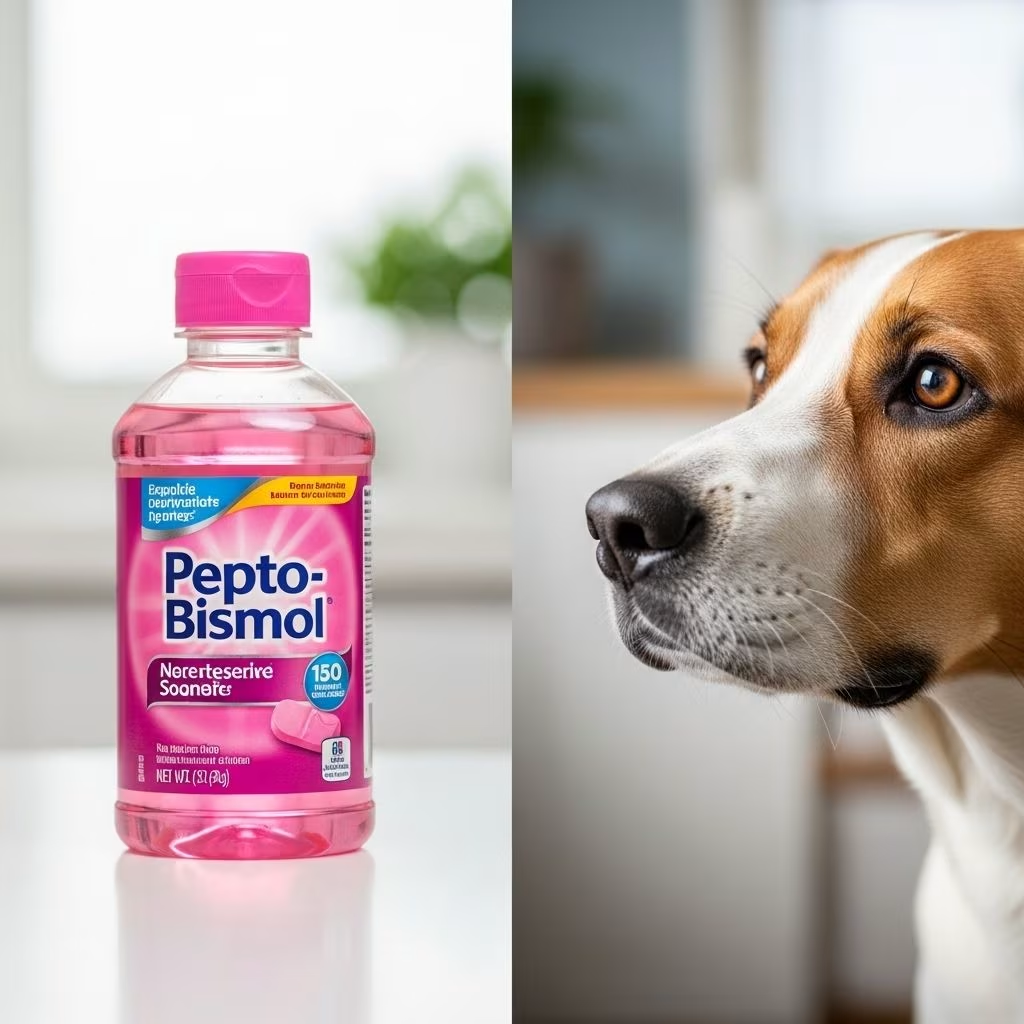
It’s no secret that dogs sometimes eat things they shouldn’t, leading to occasional digestive upset such as diarrhea, vomiting, or discomfort. Many pet owners, accustomed to reaching for Pepto-Bismol for their own stomach issues, wonder if this over-the-counter remedy is also safe and effective for their dogs. While Pepto-Bismol can sometimes be used for mild gastrointestinal distress in dogs, there are important precautions, limitations, and alternatives that every dog owner should understand before administering this medication.
What Is Pepto-Bismol?
Pepto-Bismol is a widely used over-the-counter medication designed to relieve symptoms of upset stomach, diarrhea, indigestion, heartburn, and nausea in humans. Its active ingredient, bismuth subsalicylate, works by coating the lining of the stomach and intestines, providing a protective barrier against irritation from excess acid and helping to calm gastrointestinal discomfort.
While not intended as a daily supplement, Pepto-Bismol is sometimes used as an occasional remedy for digestive issues. However, because it was formulated for humans, its safety and efficacy in dogs are subject to important restrictions and considerations.
Can Dogs Have Pepto-Bismol?
The question of whether dogs can safely take Pepto-Bismol does not have a simple yes or no answer. The active ingredient, bismuth subsalicylate, has been found to help treat some digestive issues in dogs when used in moderation. However, Pepto-Bismol is not a cure-all and should never be given without first consulting a veterinarian, especially since dogs can experience side effects or have underlying conditions that require different treatment.
When Is Pepto-Bismol Appropriate?
- Mild, short-term diarrhea: Pepto-Bismol may help in cases of acute, uncomplicated diarrhea, but it should not be used for chronic or severe cases.
- No underlying health issues: Only healthy dogs with no known allergies, bleeding disorders, or sensitivities to aspirin-type medications should be considered candidates for this treatment.
- Veterinary approval first: Always consult your veterinarian before giving any human medication to your dog, even in mild cases.
If symptoms persist beyond two days, or if your dog’s condition worsens, seek veterinary care immediately.
Potential Side Effects and Risks
While Pepto-Bismol can be effective for mild digestive issues, its use in dogs is not without risks. The salicylate component (similar to aspirin) can cause problems for dogs with certain health conditions. Common side effects and risks include:
- Vomiting and diarrhea: Ironically, excessive use can worsen the very symptoms it’s meant to treat.
- Dehydration: Prolonged diarrhea or vomiting can lead to significant fluid loss.
- Liver or kidney damage: In rare cases, especially with overdose or prolonged use, Pepto-Bismol can harm these organs.
- Gastrointestinal ulcers: Long-term or repeated use may irritate the stomach lining, potentially leading to ulcers.
- Stool discoloration: Pepto-Bismol can turn your dog’s stools black, which is typically harmless but can mask signs of internal bleeding.
Contraindications
There are specific situations where Pepto-Bismol should never be given to dogs:
- Puppies under 12 weeks: Their digestive systems and organs are too immature to process this medication safely.
- Pregnant or nursing dogs: Usage could harm developing puppies.
- Dogs with bleeding disorders or on blood thinners: Salicylates can interfere with blood clotting.
- Dogs taking other NSAIDs or aspirin: Combining these medications increases the risk of side effects.
- Dogs with known sensitivities to aspirin or salicylates: Adverse reactions can be severe.
Additionally, Pepto-Bismol can interact with certain antibiotics (such as tetracycline and ciprofloxacin), so always inform your veterinarian about all medications your dog is taking.
Pepto-Bismol Dosage for Dogs
If your veterinarian approves the use of Pepto-Bismol, it’s critical to administer the correct dosage based on your dog’s weight and health status. Dosage should always be determined by a professional, as giving too much can be dangerous.
General Dosage Guidelines
- Standard dosage: 1 teaspoon (5 ml) per 10 pounds of body weight, every 6–8 hours.
- Maximum duration: Do not continue for more than 1–2 days without veterinary supervision.
- Precise measurement: Use a proper measuring device, not household spoons, to ensure accuracy.
- Administration: Use a syringe (without a needle) to deliver the medication to the back of your dog’s mouth; hold their muzzle briefly to ensure swallowing.
When to Stop
If your dog’s symptoms do not improve within 24 hours, or if they worsen at any point, discontinue use and contact your veterinarian immediately. Persistent or severe symptoms may indicate a more serious underlying condition that requires professional diagnosis and treatment.
Alternatives to Pepto-Bismol for Dogs
Pepto-Bismol is not always the best or safest option for treating canine digestive upset. Depending on the cause of the symptoms, other treatments may be more appropriate.
Dietary Management
A bland diet is often recommended for dogs with mild gastrointestinal upset. Some effective options include:
- Shredded chicken and white rice: These are gentle on the stomach and easy to digest.
- Bone broth: Provides hydration and nutrients without irritating the stomach.
- Pumpkin, potatoes, oatmeal: These foods can help soothe inflammation and add fiber to the diet.
- Plain yogurt, eggs, or white fish: These can be added gradually as your dog recovers.
Veterinary Medications
For persistent or specific cases, your veterinarian may prescribe medications tailored to the underlying cause, such as antibiotics for infections or anti-inflammatories for irritation. There are also veterinary formulations of medications similar to Pepto-Bismol, such as Corrective Suspension, which may be safer for some dogs.
When to See a Veterinarian
While mild cases of digestive upset can sometimes be managed at home, certain situations require immediate veterinary attention:
- Severe or persistent diarrhea or vomiting: Continuous symptoms for more than a day or two are a red flag.
- Blood in vomit or stool: This can indicate a serious condition and should never be ignored.
- Signs of pain, lethargy, or dehydration: These symptoms suggest a more urgent problem that needs professional care.
- Suspected toxin ingestion: If your dog may have eaten something poisonous, seek help immediately.
Never hesitate to contact your veterinarian if you are unsure about your dog’s condition or the safety of any home remedy.
Frequently Asked Questions (FAQs)
Is Pepto-Bismol safe for all dogs?
No. Pepto-Bismol should never be given without veterinary approval, and is contraindicated in puppies under 12 weeks, pregnant or nursing dogs, dogs with bleeding disorders or aspirin sensitivities, and those on certain medications.
Can I use Pepto-Bismol tables or chewables for my dog?
The liquid form is generally preferred for easier dosing and administration. Always consult your vet before using any form of human medication.
How quickly does Pepto-Bismol work in dogs?
If effective, relief from mild diarrhea may be seen within 1–3 hours, but if there is no improvement after 24 hours, discontinue use and contact your veterinarian.
Why does Pepto-Bismol turn my dog’s stools black?
This is a normal side effect of bismuth subsalicylate and is usually harmless, but it can mask signs of internal bleeding, so always monitor for other symptoms.
Are there safer alternatives to Pepto-Bismol for dogs?
Yes, dietary management (bland foods) and veterinary-prescribed medications are often safer and more effective, depending on the cause of the upset stomach.
Can cats take Pepto-Bismol?
No. Cats should never be given Pepto-Bismol due to their unique metabolism and the risk of severe toxicity.
Summary Table: Pepto-Bismol Use in Dogs
| Aspect | Details | Notes |
|---|---|---|
| Active Ingredient | Bismuth subsalicylate | Same as human formula, but with important differences in metabolism |
| Safe for Dogs? | Sometimes, with veterinary approval | Not safe for all dogs; contraindications exist |
| Typical Dosage | 1 tsp per 10 lbs every 6–8 hours | Never exceed without vet advice |
| Duration | 1–2 days max | Prolonged use increases risks |
| Side Effects | Vomiting, diarrhea, dehydration, stool discoloration | Stop and call vet if symptoms persist or worsen |
| Alternatives | Bland diet, veterinary medications | Often safer and more effective |
| When to Avoid | Puppies, pregnant/nursing dogs, bleeding disorders, certain medications | Always consult your vet first |
Conclusion
Pepto-Bismol can offer temporary relief for mild digestive upset in some dogs, but its use is not without significant risks and limitations. Always consult your veterinarian before administering any medication, and never use Pepto-Bismol in young puppies, pregnant or nursing dogs, or those with certain health conditions. Dietary management and professionally prescribed treatments often provide safer, more effective solutions for canine stomach issues. When in doubt, prioritize your dog’s health by seeking veterinary guidance instead of relying on home remedies.
References
- https://www.petmd.com/dog/general-health/can-you-give-dog-pepto-bismol
- https://www.petmd.com/pet-medication/pepto-bismol
- https://www.akc.org/expert-advice/health/is-pepto-bismol-safe-for-dogs/
- https://vcahospitals.com/know-your-pet/are-over-the-counter-medications-safe-for-my-dog
- https://gsvs.org/blog/pepto-bismol-for-dogs-emergency-guide/
- https://articles.hepper.com/can-you-give-pepto-bismol-to-dog/
- https://thevets.com/resources/pet-medications/pepto-bismol-for-dogs/
- https://www.webmd.com/pets/pet-meds/bismuth-subsalicylate-in-dogs-and-cats


