Dog Sleeping Positions and What They Mean
Dogs spend a substantial part of their lives sleeping, and the way they curl up or sprawl out when resting is far more than a cute photo opportunity—it can serve as a window into their comfort, emotional state, and even physical health. Veterinarians and animal behaviorists agree: by observing your dog’s favorite sleeping position, you can gain valuable insight into their mood, level of trust, and need for warmth or protection. Here, we examine the six most common dog sleeping positions, detail what each one means, and discuss how to interpret subtle shifts in your dog’s sleep habits.
Understanding Why Sleeping Positions Matter
A dog’s sleeping position is often shaped by a combination of instinct, comfort, health needs, and environment. These positions can reflect:
- Physical comfort: Joint pain or cold may affect how a dog sleeps.
- Emotional state: Feelings of safety, anxiety, or alertness.
- Trust level: A relaxed pose often signals deep trust.
- Temperature regulation: Some positions help dogs cool off or retain warmth.
Monitor your dog over time—changes in how they sleep can sometimes signal health concerns or emotional shifts that need attention.
1. The Side Sleeper
Description: Your dog lies on their side, legs relaxed and extended away from the body.
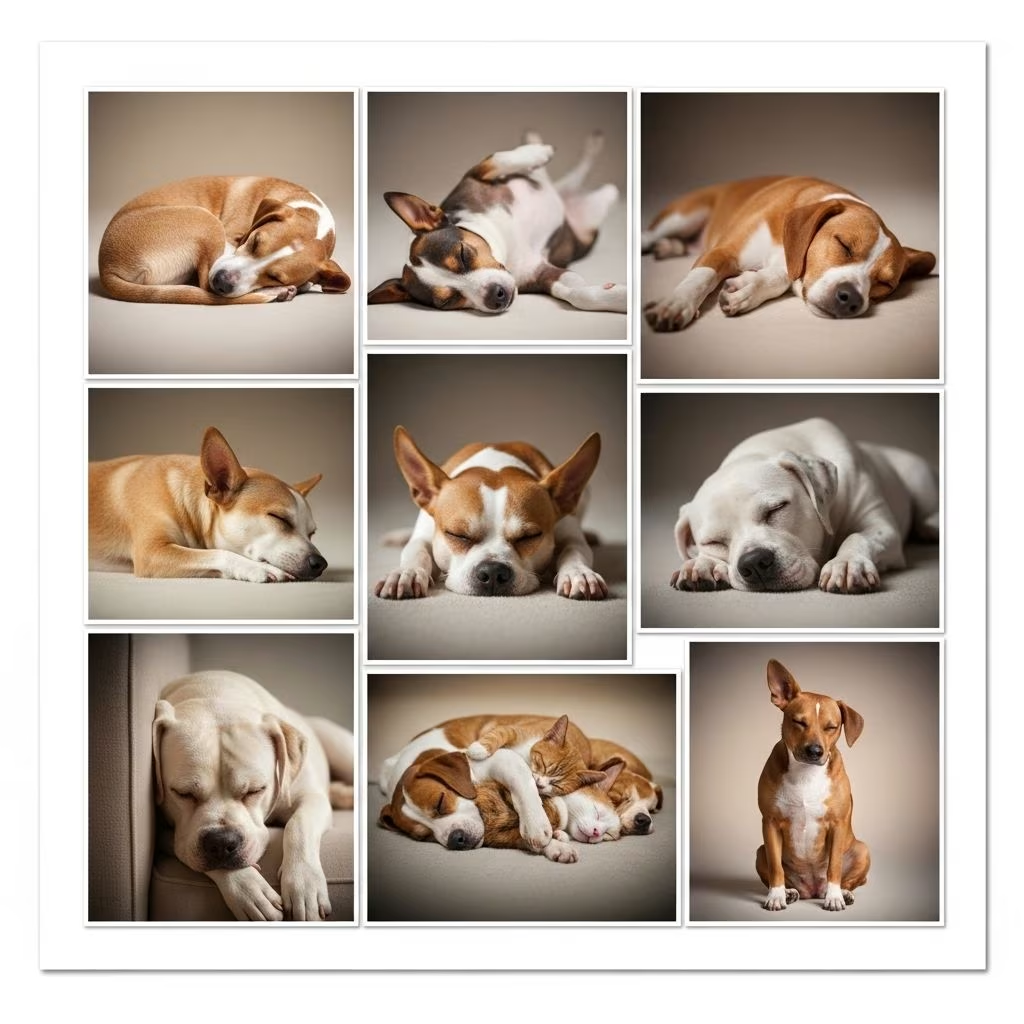
Meaning: Deep comfort and trust. Dogs sleeping in this pose feel very safe in their environment and are typically relaxed. This is one of the most common sleeping positions for dogs, and is particularly frequent among puppies and senior dogs, likely because it relieves joint pressure and allows for deep sleep.
- Indicates your dog is comfortable and feels no need to be on alert.
- Allows for twitching or “sleep running,” which can be a sign of dreaming.
- If your dog previously loved this position but avoids it, monitor for joint pain or discomfort and consult a vet if necessary.
2. The Lion Pose
Description: The dog lies on their stomach, front paws stretched out or tucked under, head resting on top of paws.
Meaning: Resting, not deep sleep. Dogs in the lion pose are generally alert, not fully relaxed. This posture is transitional—often seen when a dog is resting but prepared to spring into action. Working dogs often nap in this position, as it allows them to remain vigilant and protectively aware of their environment.
- Common in dogs who feel responsible or protective, such as family guardians.
- Can be seen near children, the elderly, or anyone a dog deems in need of care.
- If your dog startles easily or displays frequent lion pose and alertness, watch for stress and check with your vet if concerned.
3. The Superman
Description: Dog is sprawled out on their stomach, with front legs extended forward and hind legs stretched back—sometimes called “splooting.”
Meaning: Playful relaxation and quick readiness. Common in high-energy dogs and puppies, the superman position lets dogs recover from play while remaining ready to jump up at a moment’s notice.
- Allows for rapid movement if something exciting happens.
- Helps dogs cool down, as their belly is pressed against a cooler surface.
- Frequent in young and playful dogs but seen in all ages during active waking hours.
4. The Belly-Up
Description: Dog sleeps on their back, belly exposed, legs splayed up in the air.
Meaning: Complete trust, deep relaxation, and temperature regulation. This position leaves a dog’s vulnerable underbelly exposed, signaling that they feel absolutely safe in their surroundings and harbor no anxiety about potential threats. It’s also an effective way for dogs to cool down, as their belly has less fur.
- May be more common in hot weather or after play.
- Rare in anxious dogs or those new to a home—if your dog adopts this pose, you’re providing a safe and happy environment!
- Senior dogs or those with joint pain may avoid this position, so observe for health changes.
5. The Donut (Curled-Up)
Description: Dog curls into a tight ball, nose tucked under the tail, body compact.
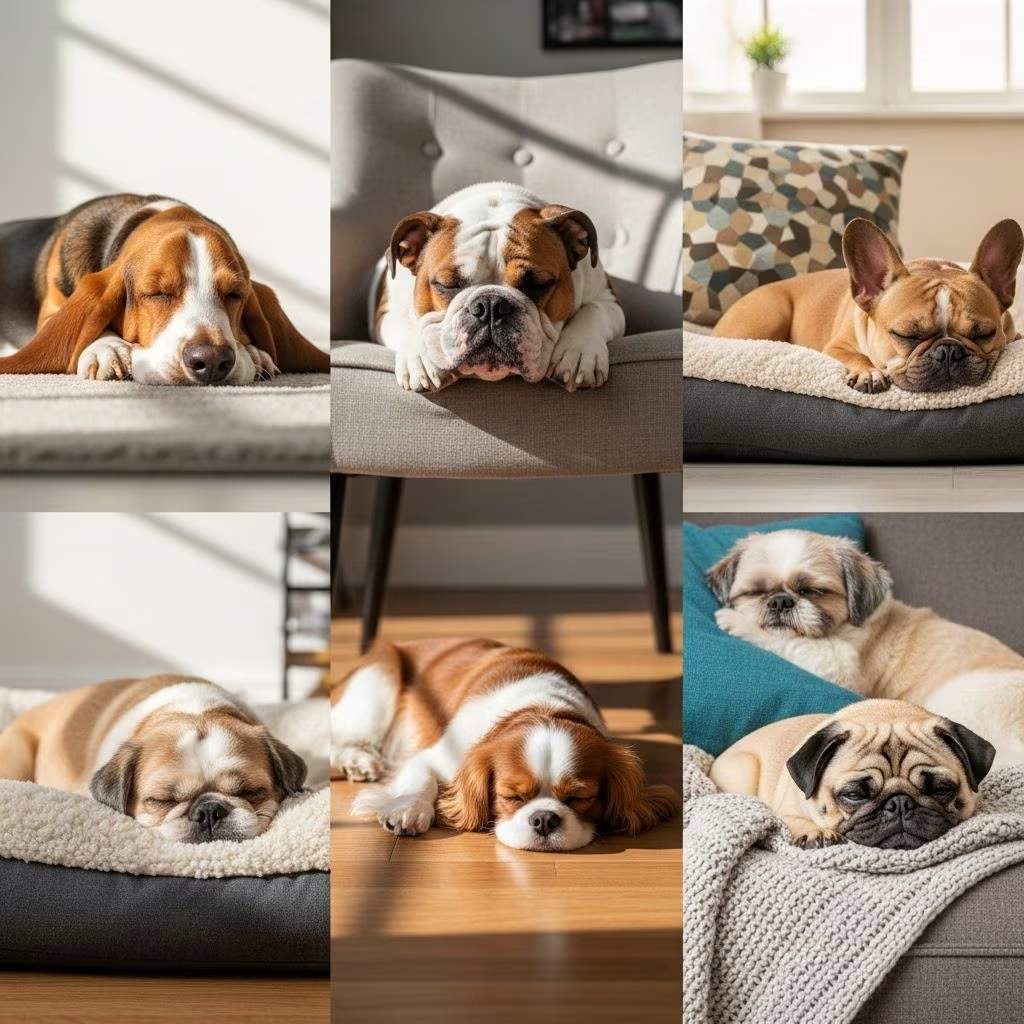
Meaning: Warmth, protection, and security. The donut position is instinctual for wild canines, providing warmth and safeguarding vital organs. Dogs may opt for this pose when feeling cold or needing extra comfort.
- Common in cold climates, unfamiliar environments, or when your dog wants to feel protected.
- Small breeds may curl up more frequently for added warmth.
- If your dog suddenly favors curled-up sleeping and seems anxious, look for sources of stress or discomfort.
6. Burrowed Under Blankets
Description: Dog buries itself under blankets, bedding, or cushions.
Meaning: Seeking warmth, security, or privacy. This mimicry of den-making behavior signals a dog’s desire for safety and coziness. Dogs may burrow when feeling chilly or in need of privacy.
- If your dog burrows frequently, ensure they are warm enough and not anxious.
- Excessive burrowing could indicate separation anxiety or desire for solitude.
- Certain breeds, such as Terriers or Dachshunds, are more likely to display this behavior due to history of burrowing or hunting.
Bonus: Cuddling Positions
Description: Dogs sleep close to or on top of their humans or other pets.
Meaning: Affection and emotional bonding. Cuddling shows pack connection and desire for companionship. Many dogs display this behavior when they feel especially close to their families.
- Common in multi-dog households or between pet and owner.
- Sign of trust and social comfort; helps strengthen bonds.
- Some dogs cuddle when stressed, so monitor for changed behavior patterns.
Dog Sleeping Patterns and Behaviors
In addition to their positions, several factors influence how and when dogs sleep:
- Sleep cycles: Dogs experience deep sleep interspersed with lighter periods; positions often reflect the depth of sleep.
- Activity levels: High-energy dogs may nap in poses that let them jump up quickly.
- Environmental factors: Temperature, background noise, and presence of trusted humans or other pets may determine position preference.
Puppies and seniors known for needing extra rest may also sleep in different positions than active adults.
Common Reasons for Change in Sleeping Position
- Health issues: Joint pain or illness may cause your dog to adjust their position for comfort.
- Environmental change: New home, recent move, or addition of a pet can temporarily influence sleep habits.
- Emotional challenges: Stress or anxiety can result in protective positions.
If you notice a sudden, persistent change in sleeping position accompanied by signs of discomfort or distress, document the behavior and consult your veterinarian.
Dog Sleeping Position Quick Reference Table
| Position Name | Description | Meaning | Typical Behavior |
|---|---|---|---|
| The Side Sleeper | Lying on side, legs relaxed | Trust; relaxation; deep sleep | Comfortable and confident dogs |
| Lion Pose | Stomach, paws forward, head on paws | Resting; alert; transitional | Watchful, responsible dogs |
| Superman | Belly down, legs stretched | Playful; ready for action | Puppies; active dogs |
| Belly-Up | On back, belly exposed | Trust; temperature regulation | Very relaxed, confident dogs |
| Donut (Curled-Up) | Tightly curled, nose to tail | Warmth; security | Cold weather; anxious or cautious dogs |
| Burrowed | Under blankets/cushions | Warmth; comfort; privacy | Breeds with burrowing instinct |
| Cuddling | Close to human/pet | Bonding; affection | Social, affectionate dogs |
Tips for Supporting Healthy Dog Sleep
- Provide a comfortable, supportive bed suited to your dog’s size and preferred position.
- Keep sleeping areas clean and warm but avoid overheating.
- Monitor regular sleep habits and note any unusual changes.
- Consult your veterinarian if your dog displays discomfort, restlessness, or avoids favorite sleeping positions.
- Offer gentle encouragement and extra security if your dog newly arrives or seems anxious.
Frequently Asked Questions (FAQs)
Q: Should I be concerned if my dog suddenly changes how they sleep?
A: Sudden changes in sleeping position can indicate discomfort, pain, or emotional stress. If your dog seems uneasy, avoids sleep, or adopts positions that suggest distress, document their behavior and consult your veterinarian promptly.
Q: Why does my dog prefer to sleep curled up?
A: Curling up conserves body heat and protects vital organs, a trait inherited from wild canines. Dogs often sleep this way for added warmth or when they need extra comfort and security.
Q: Is belly-up sleeping always a sign that my dog feels safe?
A: Yes, sleeping on their back with their belly exposed means your dog feels safe in their environment and trusts that there is no danger nearby. This is also an effective way for dogs to cool off in warmer weather.
Q: My dog likes to burrow under blankets—should I allow this?
A: Burrowing is a natural behavior for many breeds and can help your dog feel cozy and secure. Ensure blankets are lightweight and easily moved to prevent overheating or accidental suffocation.
Q: Can sleeping positions signal illness?
A: Changes in sleeping positions, paired with other signs like groaning, stiffness, or avoidance, may indicate pain or discomfort. Persistent change justifies a vet visit to rule out underlying health issues.
References
- https://www.countryliving.com/uk/wildlife/dog-breeds/a30789109/dog-sleeping-position/
- https://www.bowwowlabs.com/blogs/news/what-do-your-dog-s-sleeping-positions-mean
- https://casper.com/blogs/article/dog-sleeping-positions
- https://basepaws.com/blog/dog-sleeping-positions
- https://www.petmd.com/dog/general-health/dog-sleeping-positions-and-what-they-mean
- https://www.petmd.com/dog/general-health/should-you-let-dog-sleep-in-bed
- https://petzyo.com.au/blogs/settling-your-pet-in/what-your-dog-s-sleeping-position-reveals-about-them
- https://thepetlabco.com/learn/dog/behavior/dog-sleeping-positions