


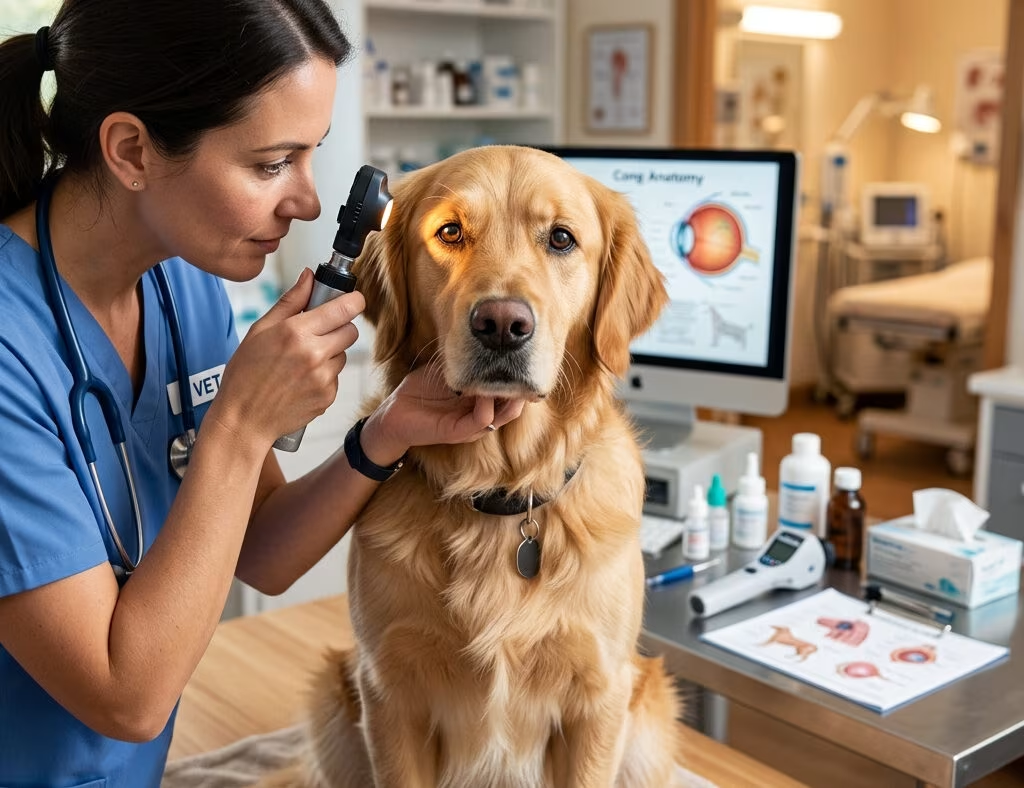
The health of your dog’s eyes plays a significant role in their overall well-being and quality of life. Recognizing signs of eye discomfort and understanding the most frequent eye disorders can help you seek timely veterinary care and prevent long-term problems. This guide covers the most common types of dog eye problems, their underlying causes, clinical signs, available treatments, and preventive tips to keep your canine companion’s eyes healthy and bright.
Why Is Dog Eye Health Important?
Dogs rely on their eyes for navigation, interaction, and enjoying their environment. Problems that affect the eyes can lead not only to pain and discomfort but also to impaired vision, behavioral changes, and in severe cases, permanent blindness. Some conditions are also indicators of underlying systemic diseases.
Signs Your Dog Might Have Eye Problems
- Yellow, green, or red eye discharge
- Swelling or crusting of eyelids
- Hair loss around the eyes
- Very red or swollen conjunctiva (the pink tissue inside the eyes)
- Squinting or constantly holding the eyes shut
- Excessive tearing or watery eyes
- Cloudiness, change in eye color, or visible lumps
- Pawing at or rubbing the eyes
- Sensitivity to light
Always seek veterinary attention if you notice these symptoms. Rapid diagnosis and treatment help prevent complications and vision loss.
Common Dog Eye Problems
Below is an overview of the most frequently diagnosed eye issues in dogs, their typical causes, key signs, and treatment options.
1. Eye Infections in Dogs
Dog eye infections can affect:
- The eyelid
- The conjunctiva (the pink tissue lining inside the eyelid)
- The globe or surface of the eye itself
Causes:
- Bacterial infections (most common)
- Viral infections
- Fungal organisms
- Foreign bodies and environmental irritants
Common symptoms:
- Colored discharge (yellow, green, or red)
- Redness and swelling of eye tissues
- Squinting, increased blinking, or rubbing at the face
- Loss of fur around the eyes, scabbing, and crusted lids
Diagnosis and Treatment:
- Veterinarian examination, possibly including an eye stain to check for corneal injuries.
- Topical antibiotic or antifungal eye drops; sometimes oral antibiotics if the eyelids are involved.
- Pain relief medications if the eye is very sore or inflamed.
2. Cherry Eye
Cherry eye is the term for a prolapse (displacement) of the tear gland located on a dog’s third eyelid.
| Characteristic | Details |
|---|---|
| Main symptom | Round, pink or red swelling in the corner of the eye |
| Frequent in | Brachycephalic (flat-faced) breeds: English Bulldogs, Pugs; Large breeds with droopy eyelids: Bullmastiffs, Newfoundlands |
| Cause | Weakness or damage to the connective tissue holding the gland in place |
What To Do: Cherry eye is not a medical emergency, but veterinary care is important. Mild cases may respond to anti-inflammatory eye drops, but surgery is usually needed to return the gland to its normal position and preserve tear production. Surgery is highly effective, though recurrence is possible.
3. Conjunctivitis (“Pink Eye”)
Conjunctivitis is the inflammation of the conjunctiva, resulting in red, swollen eyes and sometimes discharge. The causes can be infection (bacterial/viral), allergies, irritants, or as a sign of a more complex disease such as distemper or immune disorders.
- Redness of the eye and eyelid’s inner surface
- Squinting, blinking, or light sensitivity
- Watery, clear, or colored discharge
Treatment targets both the symptoms (with eye drops) and the underlying disease (antibiotics, anti-inflammatories, or treating any identified allergies).
4. Cataracts
Cataracts occur when the lens of the eye becomes cloudy, causing blurred or diminished vision.
- Symptoms: White or blue-gray opacity in the pupil; visible cloudiness, reduced ability to see in dim light, or bumping into objects.
- Causes: Ageing, genetic predisposition (common in some breeds), diabetes mellitus, trauma.
Unlike some less serious vision changes, cataracts usually require surgery to restore vision if they severely impact the dog’s sight. The cloudy lens is surgically removed and often replaced with an artificial lens. Regular monitoring is needed for diabetic dogs and those breeds at risk.
5. Glaucoma
Glaucoma is an emergency condition caused by increased pressure within the eye, which can quickly result in nerve and retinal damage.
- Symptoms: Severe redness, a bulging (enlarged) eye, cloudiness of the cornea, dilated pupil, notable pain (sensitivity to touch, hiding, lethargy)
- Causes: Reduced drainage of internal eye fluid, often hereditary or secondary to injury/disease
Without rapid treatment, glaucoma can lead to permanent blindness in a matter of hours or days. Therapies may include drugs to lower eye pressure or surgery in severe or unresponsive cases.
6. Corneal Ulcers
Corneal ulcers are sores or erosions on the transparent surface (cornea) of the eye. This can occur as a result of injury (scratches, foreign bodies), infections, or dry eye conditions.
- Symptoms include squinting, increased blinking, redness, tearing, and visible cloudiness.
- Diagnosis is made with a special fluorescent stain that highlights the ulcerated area.
Treatment involves topical antibiotics, pain relief, and in some cases, surgery if the ulcer is deep, slow-healing, or associated with structural damage.
7. Dry Eye (Keratoconjunctivitis Sicca)
Keratoconjunctivitis Sicca (dry eye) occurs when the eyes do not produce enough tears, resulting in dryness, irritation, discharge, and possible corneal damage.
- Commonly caused by immune-mediated conditions, nerve injuries, or as a side effect of some medications.
- Symptoms include thick, mucoid discharge; persistent eye redness; frequent blinking or squinting.
Treatment may require artificial tear solutions, tear-stimulating medications, and anti-inflammatory drugs for long-term management.
8. Entropion
Entropion is an eyelid abnormality where the eyelid rolls inward, causing eyelashes to rub against the cornea, leading to irritation and even ulceration.
- Most commonly found in specific breeds (e.g., Shar Peis, Bulldogs, Retrievers)
- Symptoms: Redness, excessive tearing, squinting, visible eye discomfort
- Usually requires surgical correction to prevent chronic corneal injury.
9. Eyelid Tumors
Growths (lumps) on the eyelid can be benign or cancerous. They are usually seen as visible nodules or masses on or near the margin of the eyelid. Diagnosis is confirmed with a biopsy.
The standard treatment is surgical removal. Early detection minimizes complications and risk of recurrence.
How Are Eye Problems Diagnosed in Dogs?
- Physical Eye Exam: Initial inspection for color changes, swelling, discharge, or anatomical abnormalities.
- Fluorescein Staining: Dyes that help reveal corneal injuries (ulcers).
- Tonometry: Eye pressure measurement for glaucoma assessment.
- Tear production tests: Especially important for diagnosing dry eye.
- Ophthalmoscopic Examination: In-depth look at the retina, lens, and deeper eye structures.
- Biopsies or scrapes: For tumors or persistent, unexplained problems.
Prevention and Eye Health Tips for Dogs
- Regular Veterinary Check-ups: Routine exams allow early detection and correction of eye problems.
- Keep hair around the eyes trimmed to avoid irritation and keep vision clear.
- Gently clean any eye discharge daily with a damp cloth, wiping away from the eye.
- Balanced Diet: Good nutrition supports immune health and eye tissue integrity.
- Avoid physical hazards: Supervise play activities and keep dogs away from sticks, thorns, or sharp objects that could injure their eyes.
- Be alert to changes: If your dog’s eyes suddenly look different or they act as if they are in pain, seek veterinary advice promptly.
Frequently Asked Questions (FAQs)
Q: Are dog eye infections contagious to other animals or humans?
A: Most dog eye infections are not contagious to humans, but some (like certain types of conjunctivitis) can be passed to other dogs. Always practice good hygiene and avoid direct eye-to-eye contact if an infection is diagnosed.
Q: When should I seek emergency care for my dog’s eye problem?
A: Sudden blindness, severe pain, swelling, bulging of the eye, or inability to open the eye are all emergencies. Immediate attention is essential to prevent permanent vision loss.
Q: Can I use human eye drops for my dog’s eye issues?
A: No, you should never use human medication on your dog without veterinary direction, as some ingredients may be harmful or worsen the problem. Use only products prescribed by your veterinarian.
Q: Is discharge from my dog’s eyes always a sign of infection?
A: Not always. Minor clear discharge can be normal, especially after sleep, but persistent, colored, or excessive discharge usually indicates an underlying problem requiring veterinary attention.
Q: Are certain breeds more likely to develop eye problems?
A: Yes. Brachycephalic (flat-faced) breeds and giant/inherited breeds are more susceptible to certain eye conditions like cherry eye, entropion, and dry eye. Regular eye checks are especially important for these breeds.
Conclusion: Keep Your Dog’s Eyes Healthy
Eye problems in dogs can vary from mild irritations to emergencies. As a responsible pet owner, your vigilance in recognizing symptoms, seeking veterinary diagnosis, and following treatment guidelines will make a profound difference in your dog’s well-being. By adopting healthy habits, scheduling regular check-ups, and keeping an eye on common symptoms, you help safeguard your dog’s vision and comfort for years to come.
References
- https://fetchvets.com/blog/common-dog-eye-problems/
- https://www.honestpaws.com/blogs/health/dog-problems-eye
- https://www.doncastervet.com.au/pet-advice/common-dog-eye-problems-you-should-be-aware-of
- https://www.petmd.com/dog/general-health/evr_dg_eye_problems_in_dogs
- https://www.caldervets.co.uk/pet-help-advice/dogs/eye-care-for-dogs/55-a-guide-to-common-eye-problems
- https://veterinaryvisioncenter.com/8-common-eye-conditions-in-dogs/
- https://www.carecredit.com/well-u/pet-care/common-dog-eye-problems/
- https://www.charlotte.carolinavet.com/site/charlotte-emergency-vet-blog/2023/05/15/dog-eye-diseases
- https://www.greenvalleyah.com/services/dogs/eye-care
- https://advancedvmc.net/eye-problems-in-pets-common-conditions-when-to-seek-emergency-care/


