


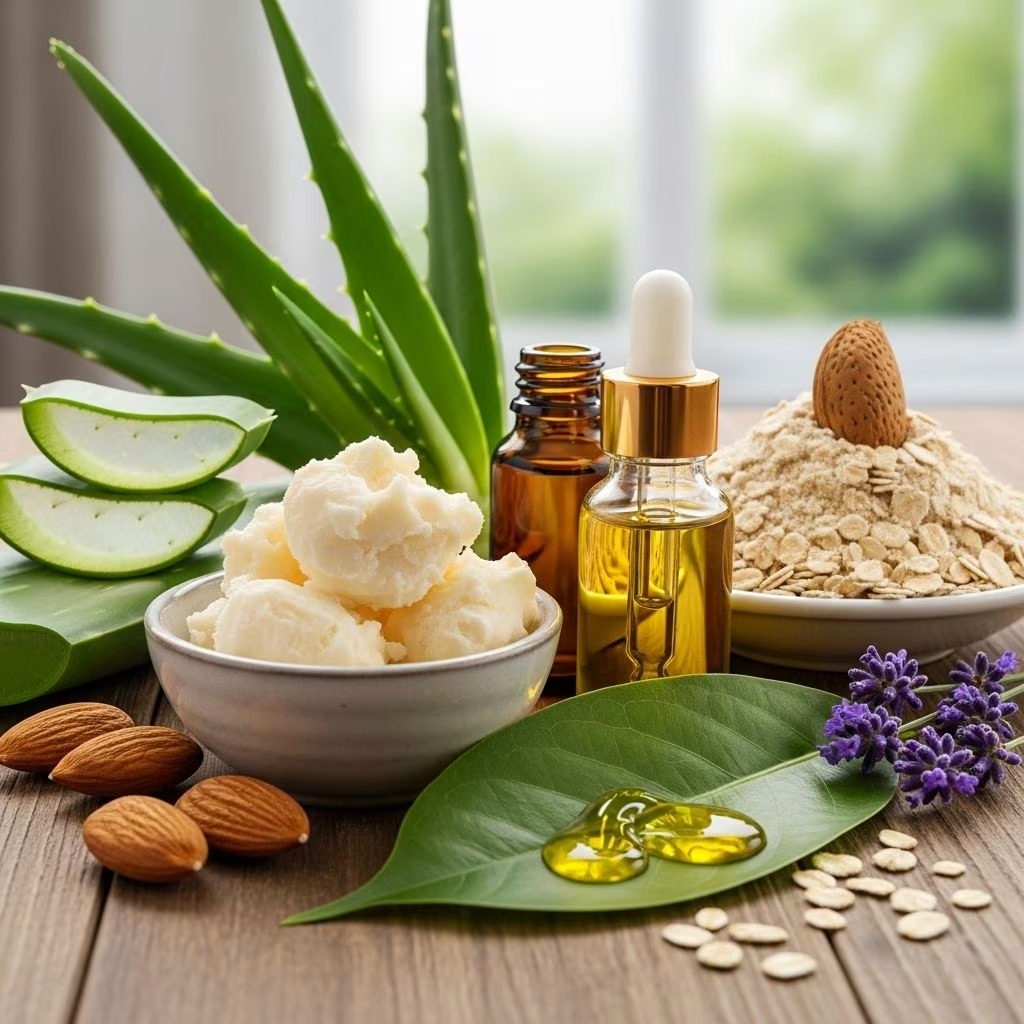
The Best Natural Remedies for Dry Skin
Dry skin, also known as xerosis, is a common condition characterized by rough, flaky, or itchy skin due to a lack of moisture in the outer layer. While it can affect anyone, certain factors such as climate, age, and skincare habits make people more susceptible. If left untreated, dry skin can crack, become irritated, and risk infection. Luckily, nature offers gentle, effective remedies to restore skin’s softness, soothe discomfort, and help prevent future dryness.
Understanding Dry Skin: What Causes It?
- Environmental Factors: Low humidity, cold or windy weather, and indoor heating systems strip moisture from the skin.
- Hot Showers and Baths: Prolonged exposure to hot water can remove natural oils from the skin’s surface.
- Harsh Soaps and Cleansers: Products containing strong detergents or alcohol further deplete moisture.
- Underlying Skin Conditions: Psoriasis, eczema, and other dermatological issues often lead to persistent dryness.
- Aging: As we age, oil production decreases, making skin more prone to dryness.
- Poor Diet or Dehydration: Not drinking enough water or lacking essential nutrients affects skin hydration.
Benefits of Natural Remedies for Dry Skin
- Reduce reliance on synthetic chemicals and potential allergens.
- Gentle on sensitive or irritated skin.
- Rich in vitamins, fatty acids, and antioxidants that support overall skin health.
- Affordable and easily accessible for regular use.
Top Natural Remedies for Dry Skin
Coconut Oil
Coconut oil is widely recognized for its emollient properties, meaning it fills spaces between skin cells and creates a smooth, hydrated surface.
How to Use: Massage a thin layer onto damp skin after bathing to lock in moisture. Safe for all areas of the body, including the face and delicate areas under the eyes.
- Contains saturated fatty acids that naturally hydrate and soften skin.
- Helps restore the skin barrier and reduce flakiness.
Sunflower Seed Oil
Sunflower seed oil is another gentle, effective moisturizer rich in linoleic acid, which supports the skin barrier.
- Non-comedogenic and unlikely to clog pores.
- Absorbs quickly without leaving a greasy residue.
- Apply after showering while skin is still damp for best results.
Oatmeal Baths
Colloidal oatmeal is well-known for its anti-inflammatory and soothing properties. It helps relieve dryness and itching, especially in sensitive or irritated skin.
- Add one cup of finely ground oatmeal to lukewarm bathwater.
- Soak for 15–20 minutes, then gently pat skin dry.
- Ideal for people with eczema, sensitive skin, or allergic reactions.
Honey
Honey is a natural humectant, meaning it draws moisture from the environment into the skin and retains it. It also has antimicrobial and soothing properties.
- Spread a thin layer over dry patches, leave on for 15 minutes, and rinse with lukewarm water.
- Use honey as a weekly face or body mask.
Aloe Vera
Aloe vera gel is renowned for its soothing, cooling, and hydrating benefits. It is rich in vitamins A, C, E, and anti-inflammatory compounds.
- Break off a fresh aloe leaf or use pure aloe gel.
- Apply a thin layer to affected areas; let it absorb fully before dressing.
- Especially helpful after sun exposure or itching.
Shea Butter
Shea butter is packed with natural vitamins and fatty acids, making it a powerful moisturizer and skin softener.
- Melt a small amount in your hands and massage into dry areas.
- Best for elbows, knees, feet, and other rough patches.
- Non-irritating for most people; ideal for everyday use.
Cucumber
Cucumber is high in water content and vitamins, making it an excellent soothing ingredient for parched skin.
- Place thin slices over your face or dry patches for 10–15 minutes.
- Alternatively, blend cucumber and apply as a hydrating face mask.
Holistic Skin Care: Lifestyle Changes and Tips
Adjust Your Shower Routine
- Opt for shorter showers with lukewarm (not hot) water to avoid stripping natural oils.
- Use gentle, unscented cleansers instead of harsh soaps.
- Apply moisturizers immediately after bathing to lock in moisture.
Protective Clothing and Gloves
- Wear gloves while washing dishes or cleaning to prevent exposure to harsh detergents.
- In cold or windy weather, protect skin with scarves and mittens.
Dietary Approaches: Omega-3 Fatty Acids & Hydration
- Include foods rich in omega-3s such as wild-caught salmon, sardines, avocados, walnuts, flaxseeds, and chia seeds.
- Drink plenty of water throughout the day to maintain overall hydration.
- Incorporate antioxidant-rich fruits and vegetables for skin resilience.
Use a Humidifier
- Run a humidifier during dry seasons or in air-conditioned environments to add moisture to the air.
- Clean the device regularly to prevent mold growth.
Regular Exfoliation
- Gently exfoliate once or twice a week to remove dead skin cells, improving absorption of oils and creams.
- Use natural exfoliants such as finely ground oats, coffee grounds, or sugar mixed with oil.
- Avoid over-exfoliating, which can worsen dryness and irritation.
Dry Brushing
- Use a soft-bristled, natural fiber brush to gently exfoliate dry skin before showering.
- Employ sweeping, circular motions to stimulate natural oil production and improve circulation.
- Avoid if you have eczema, open sores, or very irritated skin.
Avoid Skin Irritants
- Minimize contact with heavily fragranced products, detergents, and cleaning agents.
- Opt for hypoallergenic skincare and laundry products whenever possible.
Table: Comparison of Top Natural Remedies for Dry Skin
| Remedy | Main Benefits | Ideal Use | Notes |
|---|---|---|---|
| Coconut Oil | Deep hydration, improves skin barrier | Full body, face, hands | Apply after shower; absorbs well |
| Sunflower Seed Oil | Locks in moisture; gentle | Face and body | Good alternative for sensitive skin |
| Oatmeal Bath | Soothes and reduces inflammation | Whole body, sensitive skin | Great for eczema and allergies |
| Honey | Humectant, antimicrobial | Face, patches, masking | Leave on 15 min; rinse off |
| Aloe Vera | Soothing, cooling, hydration | Face, sunburns | Use pure gel for best results |
| Shea Butter | Very moisturizing, protective | Rough, dry areas | Best for overnight use |
| Cucumber | Hydrates, refreshes, relieves irritation | Face masks, compress | Combine with honey or yogurt for mask |
Proactive Prevention: How to Avoid Dry Skin
- Apply moisturizer immediately after washing to seal in hydration.
- Use fragrance-free, gentle cleansers instead of harsh soaps.
- Limit bath or shower time to 10–15 minutes and avoid very hot water.
- Opt for soft, breathable fabrics like cotton, and avoid scratchy clothing.
- Drink sufficient water and eat a diet high in healthy fats and vitamins.
- Protect skin from wind and cold by bundling up outdoors.
- Use a humidifier during dry weather or winter months to improve indoor air humidity.
Frequently Asked Questions (FAQs)
Q: What are the best natural remedies for dry facial skin?
A: Some of the best natural options for treating dry skin on your face include coconut oil, aloe vera gel, shea butter, honey masks, and cucumber slices. These ingredients hydrate, nourish, and protect without irritating sensitive skin.
Q: How can I prevent dry skin from returning?
A: Prevent dry skin by using mild cleansers, applying moisturizer immediately after bathing, protecting your skin from harsh elements, staying hydrated, and maintaining a balanced diet rich in healthy fats and antioxidants. Regular use of a humidifier can also help, especially in winter.
Q: Are there specific foods I should eat for healthier, hydrated skin?
A: Yes, including foods high in omega-3 fatty acids (such as salmon, walnuts, flaxseeds, and chia seeds) plus antioxidant-rich fruits and vegetables can help improve skin moisture and elasticity from the inside out.
Q: Can dry skin be a symptom of a more serious health issue?
A: Sometimes. While most dry skin is due to external factors, chronic or severe dryness may signal conditions such as eczema, psoriasis, or thyroid problems. If your skin doesn’t respond to at-home remedies or becomes very irritated, consult a healthcare professional.
Q: Is it ok to exfoliate dry skin?
A: Gentle exfoliation can help by removing dead skin and allowing moisturizers to penetrate better. However, over-exfoliation can worsen dryness—stick to mild, natural exfoliants and only once or twice a week.
When to See a Doctor
If your dry skin doesn’t improve with natural remedies, shows signs of infection, or is accompanied by severe itching, pain, or swelling, seek medical advice. Persistent dryness may be a sign of underlying health concerns that need professional care.
Conclusion: Embrace Nature for Healthy, Comforted Skin
With the right combination of gentle, natural remedies and lifestyle adjustments, dry skin can be soothed, healed, and protected. Integrate natural oils, soothing baths, nutrient-rich foods, and hydration habits into your daily routine to restore your skin’s healthy glow. If symptoms persist, always consult a dermatologist to rule out underlying causes and receive personalized guidance for your skin type.
References
- https://www.medicalnewstoday.com/articles/319555
- https://www.health.harvard.edu/staying-healthy/9-ways-to-banish-dry-skin
- https://www.healthline.com/health/home-remedies-for-dry-skin
- https://www.mayoclinic.org/diseases-conditions/dry-skin/diagnosis-treatment/drc-20353891
- https://nationaleczema.org/blog/natural-treatments-for-eczema/
- https://my.clevelandclinic.org/health/diseases/16940-dry-skin
- https://vincebeauty.com/blogs/vince-blog/how-to-cure-dry-skin-on-face-overnight-home-remedies
- https://aanmc.org/naturopathic-medicine/dry-skin-causes-treatments/


