


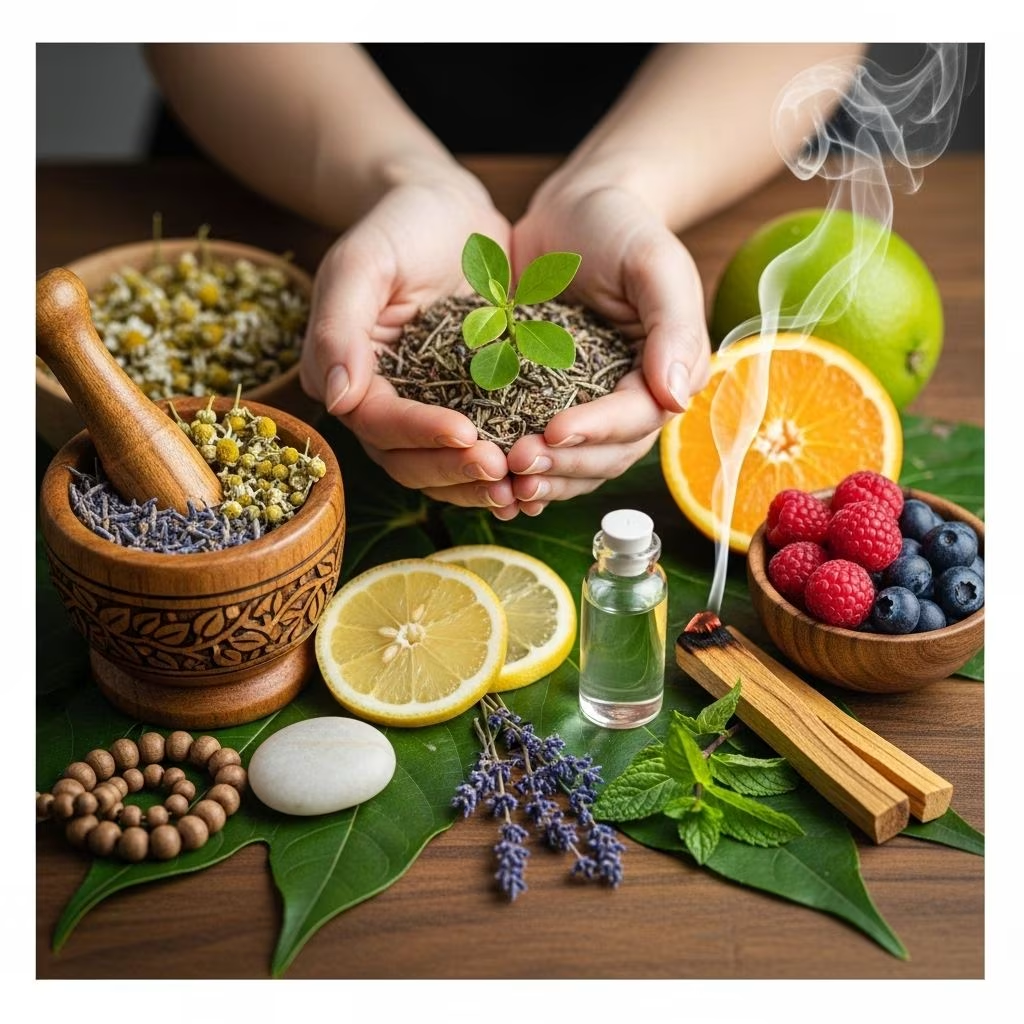
Natural Remedies for PCOS: A Comprehensive Guide to Holistic Healing
Polycystic Ovary Syndrome (PCOS) is one of the most common endocrine disorders impacting women of reproductive age. While modern medicine provides treatment options, a growing body of evidence and lived experience attest to the benefits of natural and integrative remedies, including herbal therapies, nutrition, exercise, and stress management, in controlling symptoms and improving quality of life.
Understanding PCOS: Causes, Symptoms & Challenges
PCOS is characterized by hormonal imbalances, irregular or missing periods, increased levels of androgens (male hormones), insulin resistance, and often the presence of multiple ovarian cysts. Symptoms may include:
- Irregular menstrual cycles or absence of periods
- Infertility or difficulty conceiving
- Acne and excessive hair growth (hirsutism)
- Weight gain, especially around the abdomen
- Thinning hair and scalp hair loss
- Increased risk of developing diabetes and metabolic syndrome
PCOS is a multifactorial condition with genetic, environmental, and lifestyle contributors, and no single treatment fits all. A holistic, individualized approach is often recommended for optimal results.
Natural Remedies for PCOS: Evidence and Strategies
Many women explore natural options either alongside conventional treatments or as a first-line strategy. Here’s a comprehensive overview of proven natural remedies for PCOS:
1. Dietary Adjustments
Nutrition is fundamental to managing PCOS symptoms, particularly those related to insulin resistance, weight management, and inflammation:
- Focus on Low-Glycemic, Whole Foods: Choose foods that do not spike blood sugar, such as whole grains, legumes, lean proteins, vegetables, berries, and healthy fats. These help stabilize insulin levels and reduce hormonal fluctuations.
- Reduce Refined Carbohydrates and Added Sugar: Limit processed foods, sugary snacks, and beverages to improve metabolic health and support stable energy.
- Incorporate Anti-Inflammatory Foods: Add fatty fish, walnuts, chia seeds, turmeric, ginger, and green leafy vegetables to combat chronic inflammation linked to PCOS.
- Consider Gluten and Dairy Elimination: Some women with PCOS find symptom relief when eliminating (or reducing) gluten and dairy, although this approach should be personalized.
2. Movement & Exercise
Being active plays a vital role in PCOS management. Exercise can:
- Improve insulin sensitivity
- Assist with healthy weight maintenance or loss
- Reduce stress and inflammation
- Regulate menstrual cycles
Low-impact activities such as walking, yoga, Pilates, and resistance training often offer substantial benefits without triggering excess inflammation or stress hormones associated with intense workouts. The key is consistency and enjoyment.
3. Managing Stress
Chronic stress can exacerbate hormonal imbalances and worsen symptoms of PCOS. Manage stress through approaches such as:
- Meditation and mindfulness practices
- Breathwork and deep relaxation techniques
- Gentle exercise (yoga, tai chi)
- Counseling or coaching support
4. Optimizing Sleep
Quality sleep supports hormone balance, metabolism, and emotional resilience. Practice good sleep hygiene by:
- Keeping a regular bedtime schedule
- Reducing screentime before bed
- Keeping your bedroom dark, cool, and quiet
- Seeking medical advice if you experience significant insomnia or sleep apnea
5. Herbal and Plant-Based Remedies
Several herbs and natural extracts show promise in relieving PCOS symptoms by addressing hormonal imbalances, promoting ovulation, and supporting metabolic function. Always consult a healthcare provider before beginning any herbal regimen.
| Herbal Remedy | Proposed Benefit in PCOS | Notes |
|---|---|---|
| Aloe Vera | Improves ovarian follicle development and fertility | May restore normal ovarian function |
| Chamomile | supports fertility and reduces anxiety | Gentle herb, suitable for daily use |
| Chaste Tree (Vitex agnus-castus) | Reduces hirsutism and supports menstrual regularity | Known for hormone-balancing properties |
| Cinnamon | Lowers blood sugar and may regulate periods | Well-studied for metabolic benefits |
| Ginseng | Antioxidant, anti-inflammatory, supports ovulation | Improves hormonal profiles |
| Stachys lavandulifolia | Modulates estrogen and endometrial tissues | Supports reproductive tissue health |
| Fennel | Reduces estrogen excess and endometrial hyperplasia | Traditional remedy for reproductive health |
| Licorice Root | Anti-inflammatory, helps balance androgens and sugar metabolism | Consult with a provider if you have hypertension |
| Maca Root | May balance hormones, support fertility & mood | Adaptogen, commonly called ‘Peruvian ginseng’ |
| Ashwagandha | Lowers cortisol and supports stress reduction | Also called ‘Indian ginseng,’ helpful for adrenal support |
| Holy Basil (Tulsi) | Lowers blood sugar and cortisol, combats metabolic stress | Traditional Ayurvedic herb |
| Tribulus terrestris | Stimulates ovulation and menstruation | Shown to decrease number of ovarian cysts |
6. Nutrient and Supplement Interventions
Certain nutrients have been shown to benefit women with PCOS. Always seek professional advice before starting new supplements.
- Inositol (myo- and d-chiro-inositol): Improves insulin sensitivity, restores ovulation, and supports reproductive health.
- Berberine: Plant alkaloid with positive effects on blood sugar and lipid profiles, similar to metformin.
- Chromium: Supports healthy glucose metabolism.
- Probiotics: Support digestive health, reduce inflammation, and improve metabolic outcomes.
- Omega-3 fatty acids: Anti-inflammatory, regulate hormone production, and support metabolic health.
7. Healthy Weight Maintenance
Even a modest loss of 5–10% of body weight can significantly improve symptoms such as menstrual irregularity, fertility, and insulin resistance in many women with PCOS. Focus on slow, consistent changes—crash diets are not helpful and may disrupt hormonal balance further.
8. Avoiding Endocrine Disruptors
- Reduce exposure to hormone-disrupting chemicals, such as those found in plastic containers (BPA), certain cosmetics, household cleaning products, and pesticides.
- Opt for glass or stainless steel for food storage, and choose natural or organic personal care items where possible.
9. Acupuncture
Acupuncture has been studied for its effects on hormone regulation, stress reduction, and menstrual cycle improvement in women with PCOS. While research is ongoing, some women report symptom relief with regular treatments.
Personalized and Integrated Healing: Case Example
Many women, like Gracie Norton who worked with an integrative medicine practitioner, have found success by:
- Conducting detailed laboratory assessments to identify individual imbalances
- Personalizing their diet, supplement, and lifestyle protocols
- Emphasizing patience and consistency; many see significant shifts in 2–3 months
The journey highlights the importance of addressing body, mind, and lifestyle, and making sustainable adjustments for long-term wellness.
Important Considerations Before Starting Natural Remedies
- Consultation is critical: Regularly consult with a healthcare professional before adding herbs or new supplements, particularly as some products can interact with medications or have contraindications for certain health conditions.
- Monitor for side effects: Herbal medicines typically have fewer side effects than pharmaceuticals but are not risk-free.
- Be patient: Herbal and lifestyle remedies often take longer (sometimes several months) to show full effect, but are often better tolerated long-term.
Frequently Asked Questions (FAQs): Natural PCOS Treatment
Q: Is PCOS curable with natural remedies?
A: PCOS is not technically “curable,” but symptoms can be managed and sometimes reversed with sustained lifestyle, nutritional, and holistic therapies individualized to your needs.
Q: Which diet is best for PCOS?
A: There is no single diet for PCOS, but most experts recommend a low-glycemic, anti-inflammatory diet rich in whole foods, fiber, lean protein, and healthy fats.
Q: Can herbs like chaste tree, ginseng, or cinnamon replace medication?
A: While some herbs can support hormone balance and insulin sensitivity, they typically work best as part of a broader approach and are not considered substitutes for prescribed medication when needed. Always discuss any supplement with your healthcare provider.
Q: How long does it take to see results from natural treatments?
A: Many women notice improvements in symptoms within 2–3 months of consistent lifestyle and dietary changes. Herbal remedies may require several months for optimal effect.
Q: Are there risks to using herbal remedies or supplements for PCOS?
A: Yes, potential side effects or interactions exist, especially for those with other health conditions or who are taking medication. Consulting with an integrative practitioner is essential before beginning any new regimen.
Key Takeaways: A Holistic Path Forward
- PCOS is best managed with an integrative, personalized approach combining nutrition, exercise, stress management, herbal support, and professional guidance.
- Emphasizing sustainable lifestyle change—rather than quick fixes—offers the greatest opportunity for lasting relief of symptoms and improvement in fertility, menstrual regularity, and overall vitality.
Remember, each woman’s experience of PCOS is unique. Empower yourself with trusted information, seek professional support, and approach healing as an ongoing journey toward balance and wellbeing.
References
- https://pmc.ncbi.nlm.nih.gov/articles/PMC10065776/
- https://www.healthline.com/health/womens-health/natural-treatment-pcos
- https://www.draliabadi.com/womens-health-blog/navigating-pcos-a-journey-to-natural-healing-and-wellness/
- https://www.goodrx.com/conditions/pcos/natural-treatment
- https://www.nhs.uk/conditions/polycystic-ovary-syndrome-pcos/treatment/
- https://www.osfhealthcare.org/services/specialties/women/programs-services/fertility-care/natural-treatment-pcos-endometriosis
- https://gapianne.com/en/blogs/journal/natural-treatments-to-relieve-pcos-symptoms
- https://www.mayoclinic.org/diseases-conditions/pcos/diagnosis-treatment/drc-20353443


