


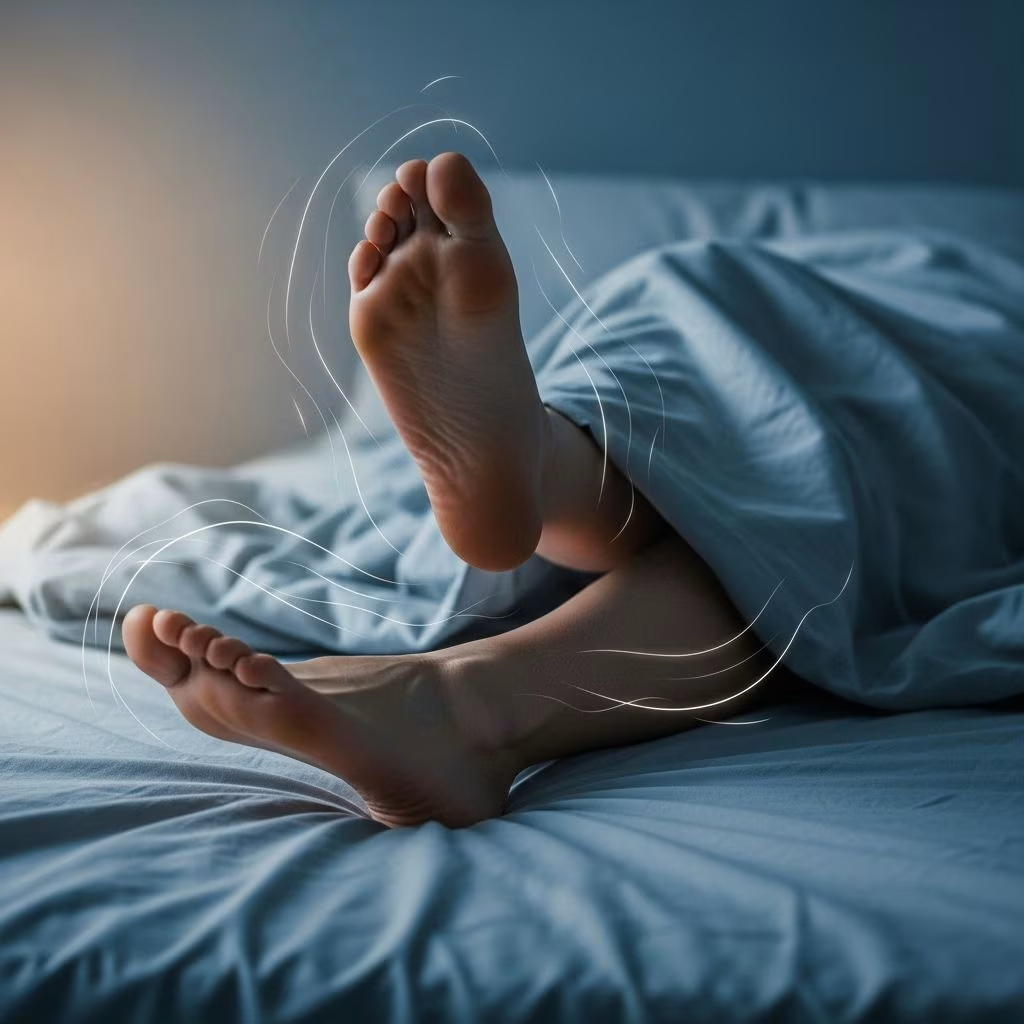
Restless Legs Syndrome: Triggers, Remedies, and Modern Treatment Approaches
Restless legs syndrome, commonly abbreviated as RLS, is a neurological sensory disorder characterized by an overwhelming urge to move the legs, typically accompanied by uncomfortable sensations. Symptoms most often worsen at night or during periods of inactivity, causing significant sleep disruption and impacting quality of life. This article presents a comprehensive overview of RLS, including its triggers, underlying causes, home remedies, medical treatments, lifestyle adjustments, and advice for when to seek professional care.
Understanding Restless Legs Syndrome: What is it?
Restless legs syndrome (RLS) is classified as a movement disorder. The hallmark symptom is an irresistible urge to move the legs that arises during rest—especially in the evenings—and is relieved partially or completely by movement. Some individuals experience unpleasant sensations, often described as crawling, tingling, or pulling in the legs.
Episodes can disrupt sleep and rest, leading to daytime fatigue, concentration issues, and a decreased sense of wellbeing. RLS may be idiopathic (primary) or secondary to underlying conditions, including iron deficiency and chronic kidney disease.
Diagnosis is primarily clinical, based on reported symptoms, and is supported by relevant laboratory tests—most notably those assessing iron levels.
- Key features of RLS: Urge to move the legs, worsening at night, relief with movement, and associated abnormal sensations.
- Common impacts: Sleep disruption, exhaustion, and impaired quality of life.
Common Triggers and Causes of RLS
The root cause of RLS is not completely understood, but research highlights both genetic and environmental factors. RLS is believed to involve dopaminergic dysfunction in the central nervous system and is frequently associated with low iron levels. Many cases have no identifiable underlying cause.
- Genetics: Family history is common; RLS often runs in families.
- Iron Deficiency: RLS is strongly linked to reduced body iron, especially iron deficiency anemia.
- Pregnancy: Temporary RLS symptoms can occur, usually resolving after delivery.
- Chronic Kidney Disease: RLS is more frequent in those with kidney dysfunction.
- Certain Medications: Some antidepressants, antihistamines, antipsychotics, and drugs for nausea may worsen symptoms.
- Lifestyle Factors: Alcohol, caffeine, and tobacco are known RLS triggers.
- Other Health Conditions: Peripheral neuropathy, diabetes, and Parkinson’s disease have been associated with increased RLS risk.
Table: Common RLS Triggers and Associated Conditions
| Trigger/Condition | Impact on RLS |
|---|---|
| Low Iron (Anemia) | High risk; primary treatable cause |
| Genetic Factors | Family history; increased susceptibility |
| Pregnancy | Temporary onset; resolves postpartum |
| Kidney Disease | Common secondary cause; may necessitate specialist care |
| Certain Medications | May worsen or trigger symptoms |
| Alcohol, Caffeine, Tobacco | May exacerbate symptoms |
Recognizing Symptoms and When to Seek Help
The core symptoms of RLS revolve around discomfort while resting and an urge to move the legs:
- Irresistible need to move the legs during inactivity
- Uncomfortable sensations: tingling, crawling, pulling, or aching
- Worsening at night: Severity peaks in the evening or at night
- Relief with movement: Symptoms lessen with walking or stretching
- Sleep disturbance: Difficulty falling or staying asleep, which leads to daytime fatigue
When to contact a healthcare provider:
- If symptoms prevent you from sleeping or interfere with daily function
- If self-care measures and lifestyle changes don’t offer relief
- If mental health is affected due to chronic sleep difficulty
Diagnosis: Evaluating RLS and Identifying Underlying Causes
Diagnosing RLS relies heavily on medical history and symptom description. Physicians aim to rule out other potential causes and assess for treatable underlying conditions:
- Clinical Interview: Focused questions about nighttime symptoms, relief from movement, sleep quality, and impact on daily life.
- Iron Studies: Blood tests to measure serum ferritin and transferrin saturation are crucial. Low iron is a major treatable cause.
- Medication Review: Discuss all medications with your physician, as some may worsen RLS.
- Assessment for Contributing Factors: Check for kidney disease, pregnancy, diabetes, and neurological conditions.
Home Remedies and Lifestyle Adjustments
For many, lifestyle adjustments and home remedies provide substantial relief—particularly for mild or intermittent cases. These methods can be adopted alongside or before medical treatment:
- Physical Activity: Regular, moderate exercise helps manage symptoms, but avoid strenuous activity close to bedtime.
- Stretching and Massage: Gentle stretching routines or leg massage before sleep can ease discomfort.
- Warm Baths: A relaxing bath before bedtime often alleviates symptoms.
- Relaxation Techniques: Meditation, deep breathing, and yoga support better sleep and symptom control.
- Sleep Hygiene: Maintain a consistent bedtime routine, minimize screen time and food intake before bed, and ensure your sleeping environment is comfortable.
- Avoiding Triggers: Limit or avoid alcohol, caffeine, and nicotine—especially in the evening.
- Supplements: Some people benefit from vitamin D and magnesium supplements, although evidence is variable; always consult your doctor first.
- TENS Device: Electrical muscle stimulation (e.g., TENS machine) sometimes provides relief in refractory cases.
Medical Treatments for Restless Legs Syndrome
When home remedies are not sufficient, or when symptoms are severe, various medications and interventions are available:
First-Line Medications
- Iron Replacement: If iron levels are low, supplementation—either oral or intravenous—can alleviate symptoms substantially.
- Gabapentin and Pregabalin: These calcium channel-modulating drugs reduce nerve excitation and are effective for many patients.
Dopaminergic Drugs
- Pramipexole, Ropinirole, Rotigotine: These medicines boost or mimic dopamine, reducing symptoms temporarily. However, some users experience worsening and earlier onset of symptoms (augmentation), potentially spreading beyond the legs.
- Carbidopa-Levodopa: Occasionally used for intermittent symptoms, but not recommended daily due to risk of augmentation.
Opioids
- Oxycodone, Hydrocodone, Buprenorphine: Low-dose opioids are reserved for refractory cases, particularly when standard therapy fails. Addiction risk is low at therapeutic doses.
Other Options
- Bilateral High-Frequency Peroneal Nerve Stimulation: New FDA-approved devices like the TOMAC system offer relief for moderate-to-severe RLS through targeted nerve stimulation.
- Behavioral Therapy: Talking therapies may be recommended when sleep deprivation and the chronic nature of RLS impact mental health.
Table: Overview of RLS Treatment Modalities
| Treatment Modality | Use Case | Potential Risks |
|---|---|---|
| Iron Replacement | First-line; for low iron stores | Allergic reactions, gastrointestinal upset (oral) |
| Gabapentin/Pregabalin | First-line; for many RLS cases | Dizziness, mental fog, weight gain |
| Dopaminergic Drugs | When calcium-channel drugs fail | Augmentation, impulse-control issues |
| Opioids (low-dose) | Refractory, severe cases | Constipation, sedation |
| Nerve Stimulation Devices | For moderate-to-severe RLS | Skin irritation, device cost |
| Behavioral Therapy | For sleep problems/mental health | None significant |
Living Better with RLS: Coping Strategies
Successfully managing RLS goes beyond medical intervention. Excellent self-care, identifying personal triggers, and connecting with support can make life with RLS easier.
- Keep a symptom diary: Note when symptoms worsen and which activities, foods, or medications may aggravate your RLS.
- Share your experience: Discuss openly with family and healthcare providers to foster understanding and practical support.
- Explore relaxation routines: Mindfulness, progressive muscle relaxation, and calming bedtime rituals support restful sleep.
- Stay physically active: Even light activities (walking, stretching, yoga) can help reduce symptoms long-term.
Frequently Asked Questions (FAQs)
Q: Is restless legs syndrome hereditary?
A: Yes, RLS commonly runs in families due to genetic factors. If a parent has RLS, you may be at higher risk.
Q: Can children get RLS?
A: While less common, RLS can affect children. Symptoms may be harder to recognize, often mistaken for growing pains.
Q: Does RLS ever go away on its own?
A: RLS triggered by pregnancy typically resolves postpartum. Primary RLS is usually chronic but manageable.
Q: What home remedy helps the most?
A: Gentle activity such as walking, stretching, warm baths, and sleep hygiene are among the most effective non-medical strategies.
Q: Which medications should I avoid if I have RLS?
A: Medications that worsen RLS include some antihistamines, antipsychotics, antidepressants, and certain nausea medications. Always review with your physician.
Q: Can RLS affect mental health?
A: Sleep deprivation and chronic discomfort from RLS can contribute to depression and anxiety. Emotional support and professional help are vital.
Q: Are there any new treatments for RLS?
A: Wearable nerve stimulation devices have shown promise for moderate-to-severe RLS. Ask your provider about these advanced options.
Conclusion
Restless legs syndrome is a complex condition, but with modern treatments and practical lifestyle changes, most people can achieve meaningful symptom relief. Awareness, early diagnosis, and personalized care remain the cornerstones of successful management.
References
- https://pmc.ncbi.nlm.nih.gov/articles/PMC8116476/
- https://www.nhs.uk/conditions/restless-legs-syndrome/
- https://www.cedars-sinai.org/blog/everything-you-need-to-know-about-restless-leg-syndrome.html
- https://www.yalemedicine.org/news/restless-legs-syndrome-advice-has-changed
- https://www.mayoclinic.org/diseases-conditions/restless-legs-syndrome/diagnosis-treatment/drc-20377174
- https://my.clevelandclinic.org/health/diseases/9497-restless-legs-syndrome
- https://www.mayoclinic.org/diseases-conditions/restless-legs-syndrome/symptoms-causes/syc-20377168
- https://www.rls.org/diagnosis-treatment


