


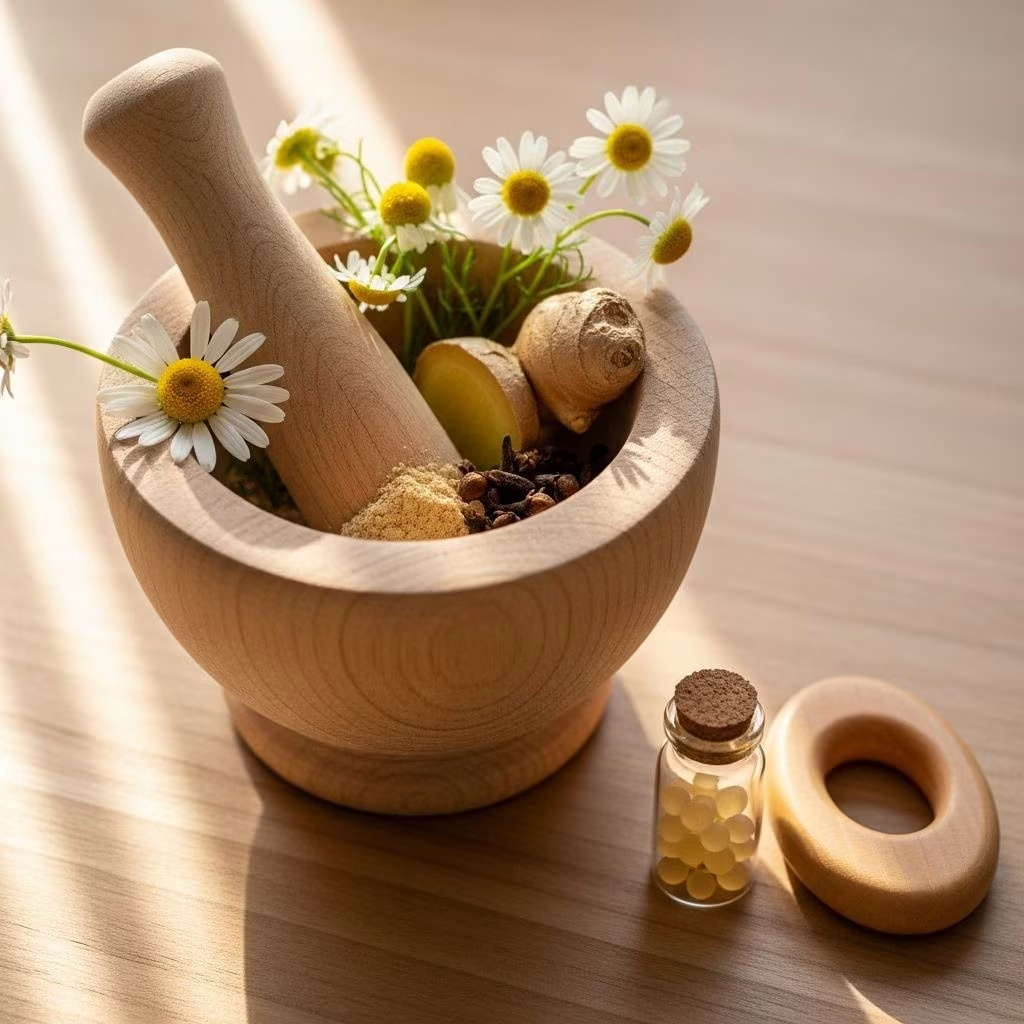
Natural Remedies for Teething: Herbal and Homeopathic Relief Options
Teething is a major developmental milestone in infants, often accompanied by discomfort and irritability. Many parents seek gentle, natural remedies to soothe their child’s pain, balancing effectiveness and safety. This comprehensive guide delves into proven herbal, homeopathic, and practical strategies for teething relief, along with essential safety advice and frequently asked questions.
Teething in Babies: Symptoms and Common Experiences
- Increased drooling
- Irritability and fussiness
- Difficulty sleeping
- Loss of appetite
- Chewing on objects
- Swollen or tender gums
- Low-grade fever
These symptoms typically appear a few days before a tooth erupts and may last several days. If symptoms persist or include a high fever, consult your pediatrician to rule out other causes.
Popular and Safe Natural Teething Remedies
Natural remedies aim to reduce pain and inflammation while ensuring safety. Below are widely recommended options:
Cold Compresses & Chilled Items
- Chilled washcloth: Dampen a clean cloth, place it in the freezer, and allow your baby to chew for a soothing effect.
- Refrigerated pacifier: Chilling (not freezing) a pacifier can numb gums safely.
- Frozen teething rings: Use only those designed for chilling, not deep freezing, to avoid hardness and potential damage.
- Cold foods: Unsweetened applesauce, yogurt, or soft fruit like melon can provide relief for older babies. Always supervise and avoid choking hazards.
- Bread crusts or breadsticks: These can be given under supervision for gnawing comfort.
Breastmilk-Based Comfort
- Frozen breastmilk cubes: Freeze breastmilk and serve in mesh feeders to soothe gums and offer nutrition.
- Breastfeeding: Suckling delivers comfort and helps relieve pressure during teething.
Massage & Oral Care
- Gentle gum massage: Use a clean finger to softly rub baby’s gums in a circular motion to reduce discomfort.
- Facial massage: Jaw and cheek massage can alleviate pain radiating from teething gums.
Safe Teething Toys and Tools
- Teething rings, gloves, and chewable toys: Silicone or rubber options are popular and designed specifically for baby safety. Always supervise use.
- Mesh or silicone teethers: Ideal for safe delivery of cold foods and frozen items.
Herbal Remedies for Teething Relief
Herbal approaches can provide gentle, natural anti-inflammatory benefits. Although many parents use herbs, it’s crucial to consult a pediatrician before introducing new treatments.
Chamomile
- Chamomile tea: Known for calming and anti-inflammatory effects. Offer chilled tea on a washcloth or freeze tea in cubes for chewing. Chamomile is also available in some natural teething products.
- Maternal consumption: Nursing mothers can drink chamomile tea to indirectly pass benefits through breastmilk.
Clove Oil
- Clove oil: Contains natural numbing properties. Use only highly diluted with a carrier oil (such as coconut oil) and apply sparingly to gums. Always avoid large doses and accidental ingestion.
Ginger Root
- Ginger root massage: A small piece of peeled ginger can be gently rubbed on gums for anti-inflammatory relief. Wash hands thoroughly before and after.
Licorice Root and Rosehip
- Licorice root: May help reduce gum swelling and pain. Always use with medical guidance.
- Rosehip: Rich in vitamin C and anti-inflammatory compounds. Included in some herbal blends for teething baby comfort.
Homeopathic Remedies and Supplements
Homeopathic remedies are widely marketed for teething, though scientific evidence for effectiveness is limited. Consult with your pediatrician before use:
- Teething tablets: Dissolve quickly in baby’s mouth, often containing natural ingredients like chamomile or belladonna.
- Teething gels: These provide temporary numbness, typically with ingredients like benzocaine. Use with caution and sparingly; some formulations have been associated with side effects.
| Remedy Type | Main Benefit | Safety Tip |
|---|---|---|
| Chamomile Tea | Calms, reduces inflammation | Offer only in diluted form; avoid added sugars |
| Clove Oil | Numbs gums | Highly dilute; never apply directly or excessively |
| Teething Tablets/Gels | Temporary pain relief | Consult pediatrician; monitor for adverse reactions |
| Frozen Washcloth | Reduces swelling, soothes pain | Monitor for loose threads |
| Breastmilk Cubes | Nutrition and cooling | Serve in mesh feeder to prevent choking |
Over-the-Counter Pain Relief Options
If natural strategies aren’t sufficient, medical options may be advisable under physician guidance:
- Acetaminophen and ibuprofen: Effective for pain but dosage must be carefully monitored and always discussed with your pediatrician.
- Teething gels: Used sparingly, these may provide short-term anesthesia but carry risk if overused.
Hydration and Nutrition for Teething Babies
- Cool water: For babies older than 6–9 months, sips from a sippy cup can be soothing.
- Cold snacks: Unsweetened, soft, or pureed fruits and yogurt are suitable for older infants.
- Popsicles: Homemade popsicles using breastmilk, diluted herbal teas, bone broth, or plain water in a popsicle mold can relieve gums and provide hydration.
Prevention and Safety: Dos and Don’ts
- Supervise all chewing and feeding activities to prevent choking.
- Wash hands thoroughly before massaging gums or applying any remedies.
- Avoid gel-filled rings meant for freezer use (may burst or become too hard).
- Consult your pediatrician before trying new remedies—herbal, homeopathic, or over-the-counter.
- Monitor for allergic reactions—stop use and seek medical attention if swelling or rash occurs.
- Never use alcohol or harsh substances on baby’s gums.
- Follow recommended dosage for all medications and remedies.
Expert Guidance and Cautions
- The American Academy of Pediatrics (AAP) and the FDA recommend gentle, non-pharmaceutical approaches as a first line for teething pain: gum massage, cold objects, safe teething toys.
- Some marketed teething products—particularly gels with benzocaine—have been linked with potential side effects and should be used with caution, and only under medical supervision.
- Herbal and homeopathic remedies are generally regarded as safe when properly administered, but lack robust scientific evidence. Always discuss with your pediatrician before using them regularly.
Summary Table: Common Remedies and Their Safety
| Natural Remedy | Benefits | Safety Considerations |
|---|---|---|
| Gum Massage | Direct relief; comforting touch | Clean hands; gentle pressure |
| Frozen Washcloth | Cools, soothes inflamed gums | Inspect for loose threads |
| Chamomile Tea | Reduces fussiness; anti-inflammatory | Ensure minimal strength; consult doctor |
| Teething Rings | Safe chewing outlet | Non-toxic material; supervise |
| Homeopathic Tablets | Convenience; quick dissolving | Discuss with pediatrician |
Frequently Asked Questions (FAQs)
Q: Are natural teething remedies safe for my baby?
Many remedies—like chilled washcloths, gum massage, and breastmilk cubes—are safe when used properly and with supervision. Always consult your pediatrician before introducing herbal or homeopathic products.
Q: What foods can I safely offer as teething relief?
Soft fruits (melon, banana), chilled applesauce, or unsweetened yogurt can help. Use mesh feeders for younger babies to prevent choking and always supervise.
Q: How do I use clove oil or chamomile for teething?
Chamomile tea can be cooled and offered on a cloth; clove oil must be highly diluted with a carrier oil and gently dabbed—never used undiluted. For both, consult your pediatrician about dosage and suitability.
Q: When should I see a doctor about teething pain?
If symptoms last longer than a few days, include high fever, persistent crying, or signs of infection (red, inflamed gums, rash), see your pediatrician promptly.
Q: Are teething gels and homeopathic tablets recommended?
Some parents find teething gels (with benzocaine) or homeopathic tablets helpful, but medical organizations recommend caution due to possible side effects. Always consult your healthcare provider before use.
Key Takeaways: Best Practices for Soothing Teething Babies
- Provide chilled, safe objects like washcloths, teething rings, or frozen breastmilk cubes.
- Offer gentle gum massage with clean fingers.
- Use herbal remedies such as cooled chamomile tea only after medical consultation.
- Monitor and supervise all chewing and remedy use to prevent choking.
- Consult healthcare professionals for persistent or severe pain, or before trying new products.
Teething can be challenging, but with careful attention and gentle, effective remedies, you can help make the process more comfortable for your child. Always prioritize safety and regular consultations with your pediatrician.
References
- https://allkidssmile.com/natural-teething-remedies/
- https://myserenitykids.com/blogs/news/home-remedies-for-teething-baby-at-night
- https://www.webmd.com/parenting/baby/teething-symptoms-remedies
- https://schwedkidsdental.com/dental-blog/teething-tips-for-babies-and-toddlers/
- https://www.healthline.com/health/parenting/natural-teething-remedies
- https://www.nhs.uk/baby/babys-development/teething/tips-for-helping-your-teething-baby/
- https://www.fda.gov/consumers/consumer-updates/safely-soothing-teething-pain-infants-and-children
- https://ecopeaco.com/blogs/pod/teething-remedies


