


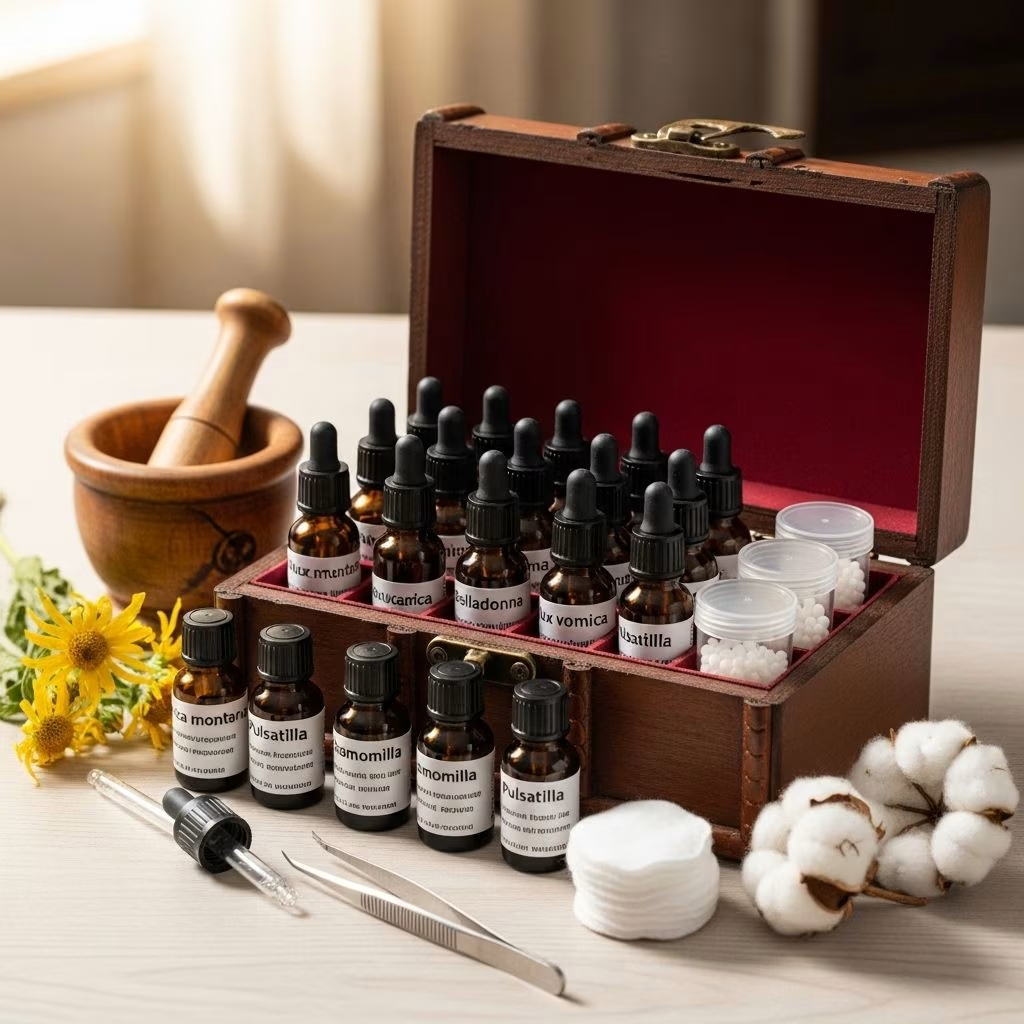
Homeopathic Remedies: Essentials for Your Family Medicine Chest
In today’s world of natural wellness, homeopathy stands out for its safe, effective, and holistic approach to everyday health concerns. As more families turn to natural solutions, maintaining a well-stocked homeopathic medicine chest at home has become an invaluable asset for managing minor illnesses and first aid situations. This comprehensive guide will help you build your own medicine chest, understand key remedies, storage practices, and how to choose the right remedy for common family health issues.
What Is a Homeopathic Medicine Chest?
A homeopathic medicine chest is a curated collection of homeopathic remedies chosen for their wide-ranging applications in treating day-to-day ailments and minor emergencies. Unlike conventional first aid kits, these chests focus on gently stimulating the body’s own healing responses using remedies prepared in highly diluted forms.
- Easy access to natural remedies for acute illnesses, injuries, and emotional upsets
- Customizable for family needs — remedies can be swapped in or out depending on season or household composition
- Safe for use across all age groups, from infants to the elderly, when used responsibly
Why Assemble a Homeopathic Medicine Chest?
Many households experience common health issues such as headaches, fevers, colds, injuries, or digestive upsets. Having a medicine chest means you’re always prepared with remedies that are:
- Non-toxic and gentle
- Economical
- Long-shelf life, often lasting for years when stored correctly
- Versatile, covering a broad spectrum of acute and minor ailments
With a little know-how, you can confidently treat many common complaints at home — saving time and avoiding unnecessary medication or medical visits for minor issues.
Core Homeopathic Remedies for Every Medicine Chest
There are hundreds of homeopathic remedies, but several classics have proven their usefulness over generations. Below, we profile the key remedies you’ll find in most homeopathic chests, highlighting their main uses to help you select those best suited for your family. This list is ideal for a basic homeopathic kit, but you may wish to expand it based on your household’s unique needs.
| Remedy | Main Indications |
|---|---|
| Aconite | Sudden onset of fever, chills, shock, or fright — especially after exposure to cold, dry wind. |
| Arnica | Bruises, blunt trauma, overexertion, muscle soreness, general remedy for injuries and physical shock. |
| Belladonna | Rapid-onset high fever, throbbing headaches, and red, hot skin; often used for sudden infections. |
| Apis Mellifica | Stings, bites, swelling, redness, and burning pains with puffy, shiny appearance. |
| Chamomilla | Restlessness, irritability, colic in babies, teething pains, oversensitivity to pain; often called for with inconsolable children. |
| Rhus Toxicodendron | Joint/muscle aches worse with initial movement and better with continued movement; skin eruptions like poison ivy. |
| Bryonia | Dry coughs, headaches, or pain aggravated by movement and improved by rest; dry, parched states with thirst. |
| Gelsemium | Flu with weakness, heavy limbs, shakiness, chills; performance anxiety, anticipatory fear, stage fright. |
| Ignatia | Acute emotional distress, grief, or loss; sighing, lump in throat, rapidly changing moods. |
| Nux Vomica | Indigestion from overeating, hangovers, irritability from excess coffee or alcohol; constipation in competitive personalities. |
| Hepar Sulphuris | Warm, painful, or pus-producing infections; sensitive to touch and cold; croupy coughs. |
| Pulsatilla | Mild, changeable symptoms; weepiness, gentle temperament, colds with thick yellow-green mucus; worse in warm rooms, better in open air. |
| Carbo Vegetabilis | Collapse, indigestion, flatulence, fainting; cold extremities and desire for fresh air. |
| Hypericum | Crushed fingers, nerve injuries, severe pain from wounds or dental work; shooting nerve pain. |
| Arsenicum Album | Vomiting, diarrhea, food poisoning, anxiety about health, burning pains relieved by warmth. |
| Lycopodium | Bloating, digestive upset before exams, lack of confidence despite strong abilities. |
| Ruta Graveolens | Injuries to tendons and ligaments, eye strain, joint sprains with bruised aches. |
| Ipecacuanha | Nausea and vomiting, persistent gagging or coughs that trigger retching. |
| Ledum | Splinters, insect bites, puncture wounds, black eyes; improvement with cold applications. |
About Cell Salts (Tissue Salts)
Cell salts are easily assimilated mineral compounds that support cellular function and overall health. A basic chest often includes these six:
- Ferrum Phosphoricum: First stages of inflammation or fever, mild infections.
- Kali Muriaticum: Colds, sinus congestion, coughs with thick white mucus.
- Magnesium Phosphoricum: Cramps, spasms, sharp pains better by warmth.
- Natrum Muriaticum: Colds with watery discharge, headaches from sun, emotional grief.
- Calcarea Phosphorica: Growing pains, bone health, teething in children.
- Silica: Supporting wound healing, expelling splinters, brittle nails/hair.
How to Choose the Right Homeopathic Remedy
Remedy selection in homeopathy is based on a precise match between the person’s symptoms and those detailed for each remedy. Here are the key steps:
- Observe all symptoms: Note physical sensations, emotional state, triggers, what worsens or improves the condition, and any peculiarities.
- Consult a reliable guide: Use a homeopathic materia medica or family homeopathy book to match your symptoms to the remedy profile.
- Use the minimum dose: Less is often more. A few doses, then wait and observe; repeat only if improvement stalls.
- Combination vs. single remedies: For clear situations with classic symptoms, use a single remedy. In cases with overlapping symptoms, combination remedies (several remedies mixed for a related ailment) may be helpful for first aid and beginners.
When in doubt, especially for persistent or severe cases, consult a professional homeopath.
Safe Use and Storage of Homeopathic Remedies
To ensure the effectiveness and longevity of your remedies, observe these storage and handling tips:
- Keep remedies in their original containers in a cool, dry place, away from direct sunlight, strong smells, and electromagnetic fields.
- Do not handle pellets directly; pour into the cap, then into the mouth.
- Store away from chemical vapors, perfumes, and cleaning products, which can potentiate or spoil remedies.
- Most homeopathic remedies have a practically unlimited shelf life if stored correctly.
How to Organize Your Homeopathic Chest
Efficient organization makes it easy to find the right remedy quickly, especially in urgent situations. Consider these organizing tips:
- Arrange remedies alphabetically or by common use (e.g., injury, fever & colds, digestion, emotional).
- Group similar potencies together (e.g., all 30C remedies in one area, 6C in another).
- Label remedy vials clearly with name and potency.
- Keep a reference chart or booklet for quick access to indications.
- If storing cell salts, keep them separate and properly identified to avoid confusion.
Building a Family Homeopathic First Aid Kit
For families, tailoring your chest to typical household health needs improves convenience and effectiveness. Here’s how to customize your kit:
- Review common ailments in your family (e.g., frequent sore throats, digestive upsets, teething, hay fever).
- Expand your kit seasonally—include additional remedies for travel, allergies, or sports injuries as needed.
- Stock remedies in forms suitable for all ages—pellets for adults, liquid doses for infants if preferred.
- For infants/children: prioritize remedies for fever (Aconite, Belladonna), teething (Chamomilla), digestive issues (Carbo Veg), and bumps/bruises (Arnica).
Kit Essentials Checklist
- Remedy vials (15–30 remedies as outlined above, including cell salts)
- Dropper bottle with water for making solution doses (for infants/sensitive individuals)
- Guidebook or materia medica
- Small notebook for recording remedy use and outcomes
When to Seek Professional Help
Homeopathic first aid and acute treatment are for self-limiting conditions, minor injuries, or as supportive care. Always seek medical advice for:
- Severe trauma or bleeding, broken bones, serious burns, breathing difficulties
- Persistent high fever with lethargy, neck stiffness, or suspected meningitis
- Unresponsive infections
- Ongoing chronic symptoms without improvement
Homeopathy can offer support but does not replace emergency or expert medical care.
Frequently Asked Questions (FAQs)
Q: How do I know which potency to use?
A: The most common potencies for home use are 6C and 30C. For acute issues, 30C is usually safe and effective. Lower potencies (6C, 12C) are gentler and suitable for highly sensitive individuals or infants. For complicated conditions, seek professional guidance.
Q: How often should I repeat a remedy dose?
A: In acute cases, a dose can be repeated every 15 minutes to four hours, gradually lengthening the interval as improvement appears. Discontinue dosing once sustained improvement is seen. If there’s no change after several doses, re-evaluate remedy choice.
Q: Can I use homeopathic remedies alongside conventional medicines?
A: Yes, in most cases homeopathic remedies do not interact with prescription drugs. They can be used as a supportive measure, but always inform your healthcare practitioner and watch for any new symptoms.
Q: Are homeopathic remedies safe for children and pregnant women?
A: When properly selected, homeopathic remedies are among the safest forms of treatment for all ages, including newborns and expectant mothers, as they don’t contain harmful chemicals or cause drug interactions. Dosing for infants/children should be gentler and, if uncertain, consult a practitioner.
Q: What if I take the wrong remedy?
A: If there’s no match between symptoms and remedy, it usually results in no effect. Stop the remedy and wait; the body will return to baseline. No harm is expected from a single incorrect dose of a standard remedy, but avoid repeated dosing of ill-suited remedies.
Practical Tips for Homeopathic Self-Care
- Take time to observe symptoms thoroughly before deciding on a remedy.
- Give one remedy at a time, unless using a pre-formulated combination.
- If symptoms shift after a remedy, re-assess and consider changing remedies if needed, but don’t alternate remedies without good reason.
- Keep emergency numbers handy even with a well-stocked homeopathic chest.
- Regularly update your kit — replenish remedies, check labels, and add new remedies as your family’s needs change.
Conclusion: Empower Your Family’s Wellness
A thoughtfully assembled homeopathic medicine chest empowers you to handle many health upsets naturally, safely, and efficiently. By understanding remedy indications, proper dosing, and best practices, you create a solid foundation for home-based first aid and acute care — contributing to your family’s resilience and confidence in everyday wellness.
References
- https://www.thriftbooks.com/w/homeopathic-medicine-chest_ambika-wauters/717145/
- https://www.ebay.com/itm/387903089996
- https://books.google.com/books/about/Homeopathic_Medicine_Chest.html?id=252s0X9geS4C
- https://idn.duke.edu/ark:/87924/r4rf5kr3m
- https://archive.org/details/practicalguideto00adam
- https://drgreenmom.com/how-to-use-homeopathic-remedies-a-quick-start-guide-for-families/
- https://karenleadbeater.co.uk/top-ten-homeopathic-remedies-for-coughs/
- https://castleremedies.com/products/medicine-chest-remedy-kit-35-two-dram-remedies
- https://academyofhomeopathyeducation.com/homeopathic-remedy-organization/


