


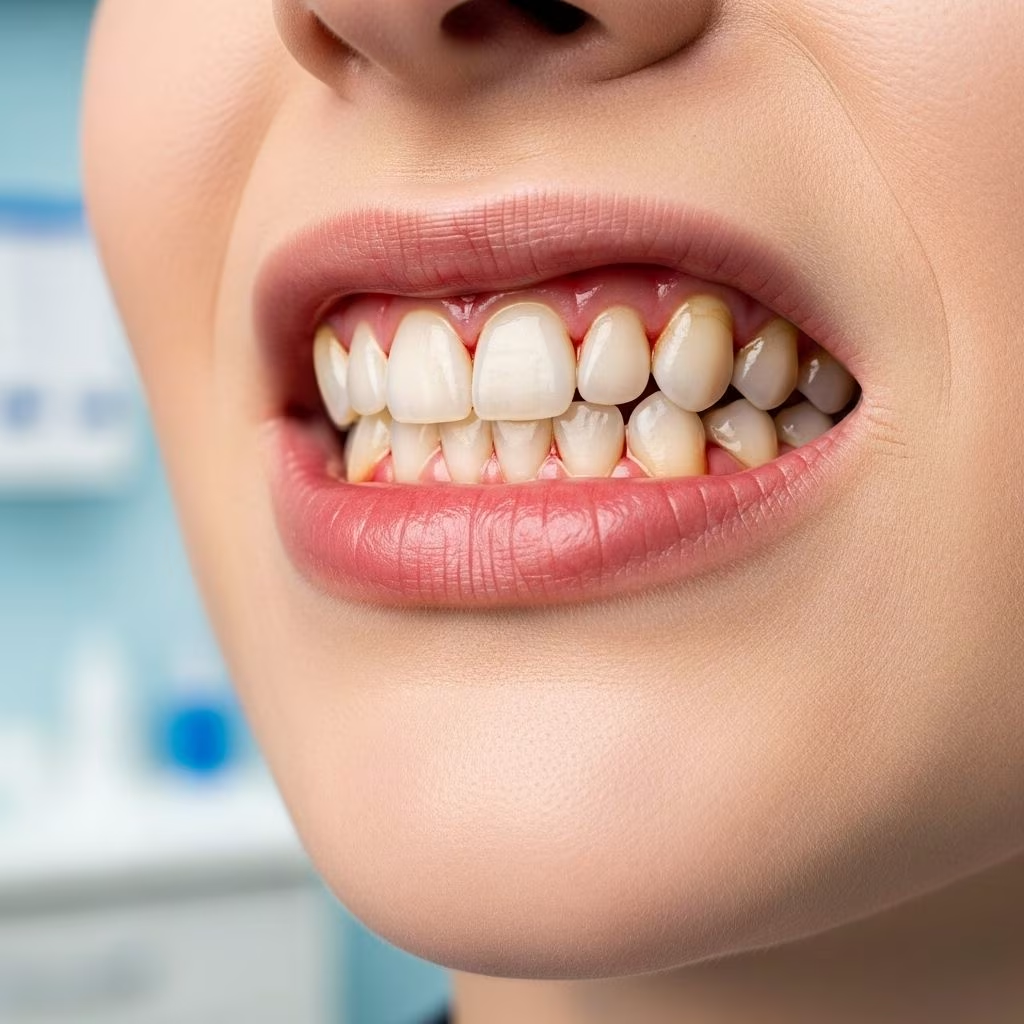
Swollen Gums and Gingivitis – A Complete Guide
Healthy gums are the foundation of good oral health, serving as a protective barrier for your teeth and underlying bone. Yet, many individuals experience swollen gums (or gingival swelling) during their lives. Although swelling may seem minor, it is often a symptom of underlying conditions such as gingivitis, which, if left untreated, can lead to significant oral health issues. This guide provides a thorough overview of swollen gums and gingivitis, addressing causes, symptoms, prevention, home remedies, when to seek a dentist’s help, and answers to frequently asked questions.
What Are Swollen Gums?
Swollen gums refer to gums that appear puffy, bulging, or enlarged—particularly at the margins where the gum meets the teeth. Swelling is often accompanied by redness, tenderness, sensitivity, and sometimes pain or bleeding. Severely swollen gums can even cover parts of the teeth or interfere with chewing and speaking.
Common Symptoms of Swollen Gums
- Redness and a change from healthy pink to dark red or purple hues
- Bleeding during brushing or flossing
- Tenderness or pain when touched
- Shiny or smooth appearance (instead of stippled texture)
- Bad breath or persistent foul taste
- Gum recession or visible tooth roots (in advanced cases)
- Loose teeth or change in bite (with progressing gum disease)
Swelling may occur in isolated areas—such as around one tooth—or affect the entire gum line.
Understanding Gingivitis: The Most Common Cause
Gingivitis is the earliest and mildest form of gum disease, commonly resulting in swollen and bleeding gums. Gingivitis arises when plaque—a sticky film of bacteria—accumulates on teeth and at the gumline. If not removed daily through proper oral hygiene, this plaque irritates the gums, causing inflammation and swelling.
Key Signs of Gingivitis
- Swollen, puffy, or receding gums
- Gums that bleed easily (e.g., during brushing)
- Persistent bad breath (halitosis)
- Soft and tender gum tissue
If untreated, gingivitis can progress to periodontitis—a more severe gum disease causing irreversible damage, tooth mobility, and loss.
Causes of Swollen Gums Beyond Gingivitis
Although gingivitis is the primary reason for gum swelling, several other factors may contribute to gum inflammation:
1. Poor Oral Hygiene
Poor brushing and flossing habits allow plaque and tartar buildup, leading directly to gingivitis and swelling.
2. Hormonal Changes
- Pregnancy: Hormonal fluctuations (such as increased progesterone) can increase blood flow to gums, making them more susceptible to swelling and sensitivity.
- Puberty, menstruation, menopause: Similar hormonal changes can affect gum tissues, especially in younger individuals or those experiencing menopause.
3. Malnutrition
- Deficiency in vitamin C is a notable cause, as this vitamin is essential for collagen formation and immune function in gum tissue. Severe deficits may cause scurvy, leading to bleeding and swollen gums.
- Low intake of vitamins B and D may also play a role.
4. Infections
- Viral: Herpes virus infections can cause acute herpetic gingivostomatitis (painful gum swelling and sores).
- Fungal: Oral thrush (caused by overgrowth of Candida yeast) can lead to gum inflammation.
- Bacterial: Untreated tooth decay or abscesses may trigger localized gum swelling.
5. Dental Appliances
- Poorly fitting dentures, braces, or retainers can irritate gums and result in swelling—especially in the initial adjustment period.
6. Sensitivity to Dental Products
- Allergic or sensitive reactions to certain toothpaste ingredients, mouthwashes (especially those containing alcohol or strong antiseptics), or whitening agents can lead to swelling and discomfort.
7. Injuries or Trauma
- Poking gums with toothpicks, hard brushing, or impact injuries can cause localized swelling and soreness.
8. Food Debris
- Food particles (such as popcorn hulls or seeds) trapped between teeth or under the gumline may cause inflammation until removed.
9. Medication Side Effects
- Certain medications (calcium channel blockers, immunosuppressants, anticonvulsants) are known to produce gum swelling as a side effect.
Other Contributing Factors
- Smoking and tobacco use: Impede healing and promote gum disease.
- Stress: Lowers immunity and increases risk for gum infections.
- Systemic disease: Conditions like diabetes can aggravate gum issues.
Potential Complications of Untreated Swollen Gums
If swelling is neglected, the underlying inflammation can spread and worsen. Potential consequences include:
- Progression to periodontitis, causing destruction of gum tissue and bone
- Gum recession and exposed tooth roots
- Loose or shifting teeth
- Formation of painful abscesses
- Tooth loss in severe cases
- Impaired chewing, speech, and overall oral health
When to See a Dentist
Consider professional dental evaluation if you experience:
- Swollen gums lasting longer than 2 weeks
- Severe pain, persistent bad breath, or bleeding
- Pus or abscess formation
- Loose teeth or noticeable gum recession
- Swelling accompanied by fever or signs of systemic infection
Early intervention prevents further complications and ensures optimal management.
Diagnosing Swollen Gums and Gingivitis
During a dental examination, your dentist will:
- Visually inspect gum tissues for swelling, color changes, bleeding, and plaque buildup
- Measure pocket depth around teeth (with a periodontal probe) to assess gum health
- Order dental X-rays if bone loss is suspected
- Review your medical, dietary, and dental history for contributing factors
- In rare cases, perform microbial culture or biopsy to diagnose infections
Effective Treatment Options
Home Care and Lifestyle Changes
- Brush twice daily with a soft-bristled toothbrush and fluoride toothpaste
- Floss daily to remove plaque and debris between teeth
- Rinse with an antimicrobial mouthwash (non-alcoholic if sensitive)
- Maintain a balanced diet rich in fresh fruits, vegetables, and vitamin C
- Avoid sugary snacks and beverages
- Drink plenty of water to promote healing and reduce dry mouth
- Avoid tobacco and minimize alcohol use
- Remove food particles with gentle flossing or irrigation devices
Targeted Remedies for Swelling
- Apply a cold compress (externally) to reduce pain and swelling
- Saltwater rinses: 1⁄2 teaspoon salt in 1 cup warm water, swished gently for 30 seconds and spat out
- Over-the-counter pain relievers (consult your doctor first)
Professional Dental Treatments
- Professional cleaning: Your dental hygienist will remove plaque and tartar buildup above and below the gumline.
- Scaling and root planing: A deeper cleaning procedure for advanced cases, smoothing the root surfaces.
- Medicated mouth rinses, gels, or prescribed antibiotic therapy if infections are identified.
- Correction or adjustment of dental appliances that may be causing irritation.
- Treatment of any underlying tooth decay or abscesses.
Tips to Prevent Swollen Gums and Gingivitis
- Practice consistent oral hygiene: Brush and floss as recommended.
- Visit your dentist for checkups and cleanings at least twice a year.
- Use dental products suited to your sensitivity and health needs.
- Eat a nutrient-rich, balanced diet with adequate vitamins and minerals.
- Limit tobacco and alcohol, as both aggravate gum disease.
Recognize early symptoms, and modify behaviors that may cause irritation or inflammation. Prevention is always more effective than treatment.
Special Considerations for Children, Pregnant Women, and Older Adults
- Children: Should receive regular dental care; teach good brushing and flossing habits early. Monitor for mouth breathing, thumb sucking, or orthodontic issues, which may cause gum changes.
- Pregnant women: Hormonal changes increase risk for gingivitis. Maintain optimal oral hygiene, visit your dentist regularly, and alert them to pregnancy status.
- Older adults: May be more susceptible due to medications, reduced dexterity, or dentures. Address dry mouth, manage chronic health issues, and visit your dental professional for ongoing care.
Frequently Asked Questions (FAQs) About Swollen Gums and Gingivitis
Q: What should I do if my gums are swollen and bleed when brushing?
A: Mild gum bleeding and swelling are signs of gum inflammation, but do not stop brushing; instead, use a soft-bristled brush and gentle technique. Improve your oral hygiene routine, floss daily, and rinse with saltwater. If symptoms persist for more than two weeks, consult your dentist.
Q: Are swollen gums always caused by poor cleaning?
A: While poor oral hygiene is the leading cause, gum swelling may also result from hormonal changes (pregnancy), nutritional deficiencies, medication side effects, dental devices, infections, and allergies. Proper diagnosis by a dentist is important for effective treatment.
Q: When should I see a dentist about swollen gums?
A: Seek prompt evaluation if swelling is severe, persists for more than two weeks, is accompanied by pain, pus, fever, loose teeth, or if you notice gum recession or sudden changes after starting a new medication.
Q: Can home remedies cure gingivitis or only reduce swelling?
A: Home remedies can help relieve swelling and support healing in mild cases by maintaining oral hygiene and using saltwater rinses. However, professional cleaning is necessary if tartar has developed or if swelling does not resolve with home care.
Q: Is it possible for swollen gums to heal on their own?
A: Mild cases related to temporary irritation may resolve with better hygiene. However, if caused by infection or persistent factors, professional assessment and treatment are needed to prevent progression and complications.
Summary Table: Causes and Solutions for Swollen Gums
| Cause | Solution |
|---|---|
| Gingivitis (Poor Hygiene) | Improve brushing/flossing, professional dental cleaning |
| Hormonal Changes (Pregnancy, Puberty) | Extra oral hygiene care, regular dental visits |
| Malnutrition (Vitamin C deficiency) | Balanced diet, vitamin supplements |
| Dental Appliances | Adjustment, proper fitting, consult dentist |
| Disease or Infection | Medical/dental treatment, antibiotics/antifungals if needed |
| Medications | Review with doctor, alternative medications |
| Sensitivity/Allergy | Switch dental products, avoid irritants |
| Injury or Food Debris | Gentle floss, salt rinses, see dentist if unresolved |
Key Takeaways for Optimal Gum Health
- Swollen gums are common and usually indicate inflammation, most frequently due to gingivitis.
- Effective daily oral care, balanced nutrition, and regular dental checkups are the best prevention.
- Seek prompt professional care for persistent, severe, or recurrent swelling to avoid complications.
Pay attention to gum health and take action early—healthy gums are essential for overall oral well-being.
References
- https://www.colgate.com/en-us/oral-health/gum-disease/what-to-do-about-gum-swelling
- https://www.listerine-me.com/gingivitis/inflamed-gums-causes-treatments
- https://www.mayoclinic.org/diseases-conditions/gingivitis/symptoms-causes/syc-20354453
- https://www.healthline.com/health/gums-swollen
- https://my.clevelandclinic.org/health/diseases/21482-gum-periodontal-disease
- https://www.medicalnewstoday.com/articles/swollen-gums
- https://www.mountsinai.org/health-library/symptoms/gums-swollen
- https://www.nidcr.nih.gov/health-info/gum-disease
- https://www.sfperio.com/blog/swollen-gum-around-one-tooth/


