


Strep Throat: Symptoms, Treatment, and Comfort Measures
Strep throat is a type of sore throat caused by a bacterial infection, and it is most common among children but can affect people of all ages. Prompt recognition and treatment are essential to avoid potential complications. This comprehensive guide covers the symptoms, diagnosis, causes, potential complications, treatment options, comfort measures, and frequently asked questions about strep throat.
What Is Strep Throat?
Strep throat is an infection of the throat and tonsils caused by the bacterium Streptococcus pyogenes, also known as Group A Streptococcus. Unlike most sore throats, which are viral, strep throat is bacterial and highly contagious. It is characterized by sudden onset of fever and sore throat, and can lead to serious complications if left untreated.
How Is Strep Throat Spread?
Strep throat is spread easily through:
- Respiratory droplets – Coughing, sneezing, or talking releases bacteria into the air, which others then breathe in.
- Surface contact – The bacteria can live on surfaces, and touching contaminated objects followed by touching the nose or mouth can transmit infection.
Frequent handwashing and avoiding close contact with infected individuals are crucial preventive measures.
Common Symptoms of Strep Throat
Strep throat’s symptoms tend to appear rapidly and may include:
- Sore throat, often severe and with rapid onset
- Fever (typically above 101°F / 38.3°C)
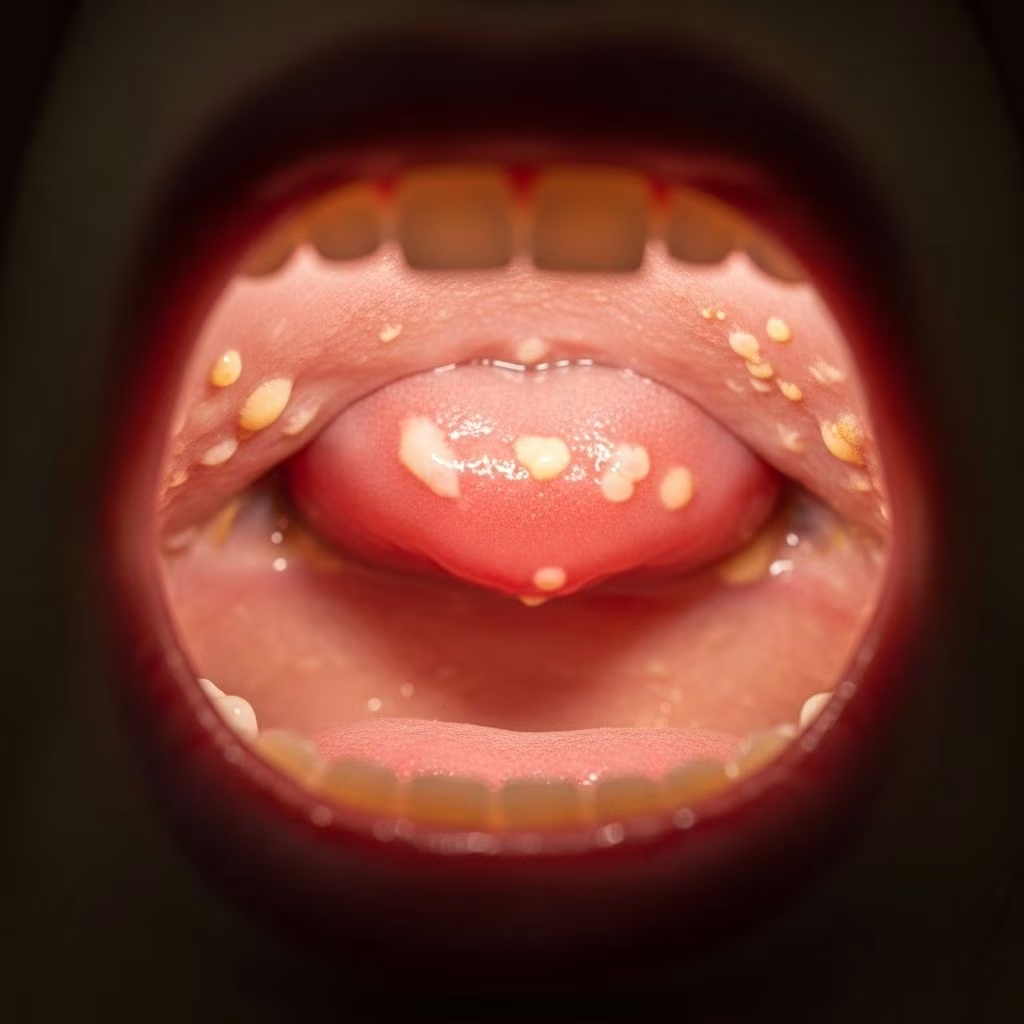
- Red, swollen tonsils, sometimes with white patches or streaks of pus
- Painful or swollen lymph nodes in the neck
- Headache
- Stomach pain or nausea (especially in children)
- Loss of appetite
- Rash (called a scarlatiniform rash), which may have a sandpaper texture
Note: Not everyone with strep throat will have all symptoms. In very young children, symptoms may be less typical and can manifest as irritability, runny nose, fever, and decreased appetite.
Distinguishing Strep from Other Sore Throats
- Strep throat symptoms usually develop quickly, not gradually.
- It is less common to have a cough, runny nose, or hoarseness with strep throat; these are more associated with viral infections.
Risk Factors and Who Gets Strep Throat?
- Children aged 5 to 15 are most at risk, but anyone can get it.
- Close-contact environments (such as schools or childcare centers) increase spread.
- It is more common in late fall, winter, and early spring, coinciding with other respiratory illnesses.
Diagnosis: How Is Strep Throat Confirmed?
Diagnosis is critical since most sore throats are not strep but viral, and antibiotics are only effective for bacterial infections. Two primary diagnostic methods are used:
- Rapid Strep Test: A quick test done in most clinics, producing results in 5 to 15 minutes. If the test is positive, strep is confirmed.
- Throat Culture: If the rapid test is negative but suspicion remains high, a swab is taken for lab culture. Results are available in 1–2 days.
Testing ensures appropriate use of antibiotics and reduces unnecessary medication exposure.
Complications of Untreated Strep Throat
Strep throat, if left untreated, can cause several serious complications:
- Rheumatic fever: Can cause long-term damage to the heart, joints, and nervous system.
- Post-streptococcal glomerulonephritis: A kidney disorder that can develop after infection.
- Scarlet fever: Marked by a red rash and potentially more severe symptoms.
- Abscesses around the tonsils (peritonsillar abscess).
- Toxic shock syndrome: Though rare, this life-threatening condition can develop.
These risks highlight the importance of prompt diagnosis and treatment.
Treatment for Strep Throat
Because strep throat is bacterial, it is treated with antibiotics to prevent complications, shorten symptom duration, and reduce contagiousness.
Antibiotics
- Penicillin and amoxicillin are first-line treatments.
- Alternatives like azithromycin or cephalosporins are used if there are allergies.
- The course typically lasts 10 days (even if you feel better sooner).
Do not stop antibiotics early — incomplete treatment can lead to complications and antibiotic resistance.
Within 24 to 48 hours of starting antibiotics, most people are no longer infectious, and symptoms improve.
Side Effects of Antibiotics
- Possible mild stomach upset or diarrhea
- Sometimes rash
- Allergic reactions (rare, but prompt medical attention is needed if severe)
Home Care and Comfort Measures
Beyond antibiotics, several home strategies can help relieve pain and discomfort:
- Hydration: Drink plenty of fluids to keep the throat moist and to prevent dehydration. Water, warm lemon tea, diluted apple juice, and ice pops can soothe the throat.
- Soft Foods: Choose easy-to-swallow foods like soups, mashed potatoes, applesauce, scrambled eggs, or hot cereal.
- Gargling: Older children and adults can gargle with warm salt water (½ teaspoon salt in 1 cup water) several times per day.
- Honey: For those over 1 year old, honey in tea or warm fluids can reduce throat discomfort (do not give honey to infants under 1 year).
- Throat Lozenges and Sprays: These can relieve pain for older children and adults. Avoid lozenges in children under age 4 due to choking risk.
- Pain Relief Medication: Acetaminophen (Tylenol) or ibuprofen (Advil, Motrin) can reduce throat pain and fever. Never give aspirin to children.
- Humidifier or Vaporizer: Adds moisture to air, easing dryness and throat pain.
- Rest: Get plenty of sleep to help the body fight infection.
Preventing Spread of Strep Throat
- Stay home from school or work until at least 24 hours after starting antibiotics and fever is gone.
- Wash hands often with soap and water.
- Cover mouth and nose when coughing or sneezing.
- Avoid sharing eating utensils, cups, and towels.
- Dispose of tissues properly after use.
Table: Strep Throat vs. Viral Sore Throat
| Feature | Strep Throat (Bacterial) | Viral Sore Throat |
|---|---|---|
| Onset | Sudden | Gradual |
| Fever | Usually high (>101°F/38.3°C) | Low-grade or absent |
| Cough | Rare | Common |
| Runny nose | Uncommon | Common |
| White spots/throat patches | Frequent | Rare |
| Lymph node swelling | Common | Occasional/mild |
| Rash | Sometimes (scarlet fever) | Rare |
| Antibiotics effective? | Yes | No |
Special Considerations in Children
- Children under 3 years are less likely to show classic symptoms; instead, may have persistent nasal discharge, decreased appetite, or irritability.
- Lozenges and honey: Not safe for young children (<1 year for honey; <4 years for lozenges due to choking risk).
- Fever and pain: Use acetaminophen or ibuprofen as directed by a healthcare professional.
Long-Term Outlook and Recovery
With prompt diagnosis and treatment:
- Most patients recover fully within a few days to a week.
- Early antibiotic use reduces the risk of complications and the spread of infection.
Occasionally, some individuals may become strep carriers — testing positive but without any symptoms. Carriers are less likely to transmit the infection or develop complications, and usually do not require antibiotics.
When to Seek Medical Attention
- If you or your child has a sore throat accompanied by high fever, difficulty breathing or swallowing, drooling, rash, or if symptoms worsen or do not improve within 48 hours of starting antibiotics, consult a healthcare provider promptly.
Frequently Asked Questions (FAQs)
Q: Can adults get strep throat?
A: Yes, while strep throat is most common in children, adults can also contract the infection, especially with close contact to infected individuals.
Q: When is someone with strep throat no longer contagious?
A: Individuals are generally considered noncontagious 24 hours after starting antibiotics and when fever has resolved.
Q: Should everyone with a sore throat get antibiotics?
A: No. Antibiotics are only prescribed if a test confirms strep throat, since most sore throats are caused by viruses and do not benefit from antibiotics.
Q: Is it possible to get strep throat more than once?
A: Yes. No long-lasting immunity develops, so it is possible to get strep throat multiple times.
Q: What happens if strep throat is left untreated?
A: Untreated strep can lead to complications such as rheumatic fever, kidney inflammation, scarlet fever, and other serious conditions.
Q: Can I return to work or school after starting antibiotics?
A: Generally, you or your child may return after at least 24 hours on antibiotics and when feeling well and fever-free.
Q: Are natural remedies alone enough to treat strep throat?
A: No. Home remedies may help reduce discomfort but cannot cure the infection. Antibiotics are necessary to eliminate bacteria and prevent complications.
Q: Should family members be treated as well?
A: Only those with symptoms and a positive strep test are typically treated. Routine treatment of asymptomatic contacts is not recommended.
Q: How can strep throat recurrence be prevented?
A: Completing all prescribed antibiotics, good hygiene, regular handwashing, and not sharing utensils can help prevent reinfection.
References
- https://www.pennmedicine.org/conditions/strep-throat
- https://www.mountsinai.org/health-library/diseases-conditions/strep-throat
- https://www.nationwidechildrens.org/conditions/strep-throat
- https://cdphe.colorado.gov/child-care-school-settings/strep
- https://www.mayoclinic.org/diseases-conditions/strep-throat/symptoms-causes/syc-20350338
- https://www.mayoclinic.org/diseases-conditions/strep-throat/diagnosis-treatment/drc-20350344
- https://www.cdc.gov/group-a-strep/about/strep-throat.html
- https://www.ncbi.nlm.nih.gov/books/NBK525997/


