


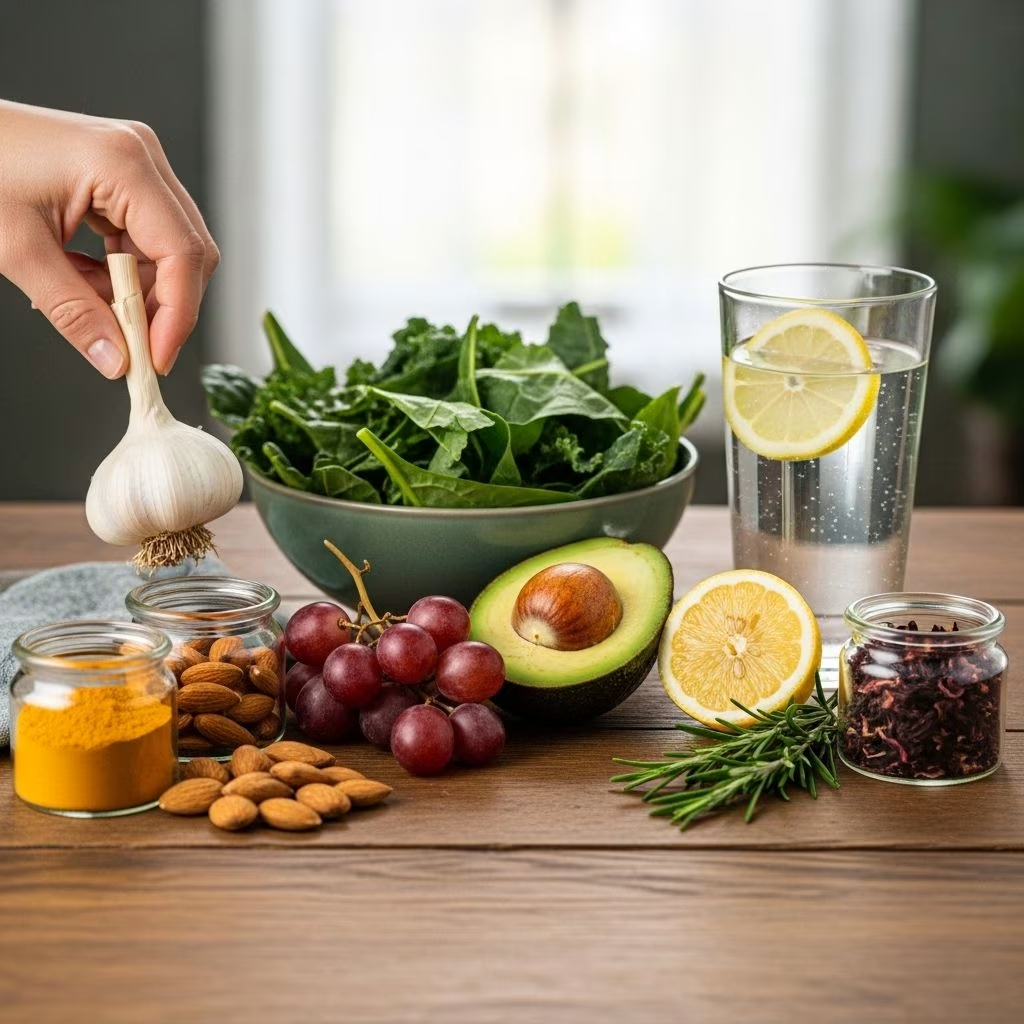
Natural Remedies for High Blood Pressure: Effective Strategies for Managing Hypertension
High blood pressure—or hypertension—is a serious condition that affects nearly half of adults worldwide. Its impact can be far-reaching, quietly damaging blood vessels, the heart, and other vital organs. While medical treatment may be necessary for many people, a variety of natural remedies and lifestyle changes can significantly improve blood pressure control and, in some cases, lower the need for medication. This guide details practical, natural strategies to help you achieve and maintain healthy blood pressure.
Understanding Blood Pressure
Blood pressure measures the force that blood exerts on your artery walls as it flows through your body. It is represented by two numbers: systolic pressure (when the heart beats) and diastolic pressure (when the heart rests between beats). A normal reading is typically below 120/80 mm Hg.
High blood pressure (hypertension) means your measurement persistently exceeds 130/80 mm Hg. If left uncontrolled, hypertension increases the risk of strokes, heart disease, kidney problems, and other health concerns. Many people have high blood pressure with no obvious symptoms, so regular monitoring is essential.
10 Natural Remedies for High Blood Pressure
The following natural remedies, when integrated into a balanced lifestyle and with routine medical supervision, can help regulate and, in some cases, lower your blood pressure levels.
-
Consume More Garlic
Garlic is rich in allicin, a compound shown to help relax blood vessels and improve blood flow. Studies have found garlic supplements can reduce both systolic and diastolic blood pressure, in some cases almost as much as standard medications.
- Add raw or cooked garlic to your meals regularly.
- Consider garlic capsules if approved by your healthcare provider for a more concentrated dose.
- Try making garlic water (soak a clove in water overnight and drink in the morning).
-
Drink Lemon Juice with Coconut Water
This combination offers natural diuretic properties. Diuretics help your body shed excess sodium and water, which can reduce pressure on blood vessel walls.
- Mix the juice of 3 fresh lemons with 200 ml coconut water and drink immediately, once daily.
-
Try Herbal Teas
Several herbal teas exhibit mild blood pressure-lowering or relaxing properties:
- Canary Grass (Birdseed) Tea: Rich in antioxidants; boil 1 tbsp seeds with a cinnamon stick in 500 ml water, strain, and drink 2–3 cups daily.
- Olive Leaf Tea: Contains polyphenols that can help regulate blood pressure and relax the nervous system. Use 2 tbsp ground leaves per 500 ml boiling water; drink 3–4 cups per day.
- Mangaba Peel Tea: This South American fruit has vasodilatory properties; boil 2 tbsp peel with 500 ml water for 5 minutes, strain, and drink up to 3 cups daily.
- Horsetail Tea: An excellent natural diuretic; 2–3 tbsp dried horsetail in 500 ml water, steep for 5–10 minutes. Drink up to 3 cups daily for short periods (no longer than one week at a time).
-
Supplement with Omega-3s
Omega-3 fatty acids, found in fish oil and krill oil, are linked to better heart health and lower blood pressure. They reduce inflammation, improve arterial function, and help lower triglyceride levels.
- Eat fatty fish (like salmon, mackerel, sardines) several times per week.
- Quality supplements of fish oil or krill oil can be beneficial if dietary sources are insufficient.
-
Increase Magnesium Intake
Magnesium helps relax blood vessels and supports healthy muscle and nerve function. Low magnesium levels have been associated with higher blood pressure.
- Eat magnesium-rich foods, such as leafy greens, nuts, seeds, whole grains, and legumes.
- Consider a magnesium supplement (such as magnesium glycinate or citrate) after seeking medical advice.
-
Get More Potassium
Potassium balances sodium in your body and helps control blood pressure. Most people benefit from increasing potassium intake through food.
- Best sources include bananas, lentils, avocados, sweet potatoes, spinach, and beans.
- Do not take potassium supplements unless advised; excess can be harmful for some people, especially those with kidney issues.
-
Try Specific Herbs
Several herbs may also play a role in blood pressure control. While research is ongoing, some that show promise include:
- Basil: High in beneficial plant compounds; animal research suggests a blood pressure-lowering effect.
- Ginger: Helps with blood pressure, circulation, and overall cardiovascular health.
- Chinese Cat’s Claw: Used in traditional medicine for hypertension; may enhance blood vessel dilation.
- Thyme, Parsley, Celery Seed, Cinnamon, Cardamom: These culinary herbs are easy to incorporate into meals and have shown potential for supporting lower blood pressure.
-
Practice Slow, Deep Breathing and Relaxation
Techniques like deep breathing, mindfulness, and meditation help relax your nervous system and can reduce blood pressure in the short and long term. Even a few minutes per day can make a difference.
- Try inhaling slowly for a count of 4, holding for 4, exhaling for 4, and pausing for 4 before repeating.
- Yoga, tai chi, or guided relaxation exercises are also beneficial for overall wellness.
-
Engage in Regular Physical Activity
Movement strengthens your heart, lowers stress hormones, and directly reduces blood pressure over time.
- Aim for at least 30–60 minutes of moderate exercise (like walking, jogging, cycling, swimming) on most days of the week.
-
Maintain a Healthy Weight
Excess weight increases strain on your heart. Losing even a modest amount of weight (5–10% of your body weight) can significantly lower blood pressure and improve heart health.
- Focus on gradual, sustainable weight loss through diet, exercise, and lifestyle changes.
Herbs and Supplements for Blood Pressure
Herbs, when used appropriately and under supervision, can assist in managing hypertension. Here is a brief table of herbs and their effects:
| Herb/Supplement | Main Effects | Usage Tips |
|---|---|---|
| Garlic | Relaxes blood vessels, lowers pressure | Raw, cooked, or as a supplement |
| Olive Leaf | Antioxidant, mild sedative, regulates pressure | Herbal tea, extract, capsules |
| Basil | Contains anti-hypertensive compounds | Fresh or dried in food, herbal infusions |
| Ginger | Improves circulation, reduces pressure | In beverages, cooking, supplements |
| Chinese Cat’s Claw | May dilate blood vessels | Traditional teas or supplements |
| Omega-3s | Promotes heart health, reduces inflammation | Fatty fish, krill oil, fish oil supplements |
| Magnesium | Relaxes vessels, supports nerves | Supplements or dietary sources |
Important: Many herbs can interact with blood pressure meds or blood thinners. Always consult with your healthcare provider before using herbal supplements regularly.
Dietary Tips and Foods for Lowering Blood Pressure
A nutritious diet rich in specific foods can further help with hypertension management.
- Follow the DASH Diet: The Dietary Approaches to Stop Hypertension (DASH) plan emphasizes fruits, vegetables, whole grains, low-fat dairy, lean proteins, nuts, and legumes.
- Reduce Sodium: Limiting your sodium intake means avoiding processed foods, canned soups, salty snacks, cured meats, and cutting down on added salt.
- Boost Potassium: Potassium from foods helps offset sodium’s effects (see above).
- Add More Fiber: Choose whole grains, vegetables, and fruits for natural heart protection.
- Control Alcohol: Limit to no more than one drink per day for women and two for men.
- Stay Hydrated: Water is ideal; limit sodas and sugary drinks.
Lifestyle Changes for Blood Pressure Management
- Regular Exercise: Consistency is key—mix cardio, strength training, and flexibility exercises.
- Stress Reduction: Try deep breathing, meditation, or time outdoors.
- Quit Smoking: Smoking damages blood vessels and raises blood pressure.
- Monitor Blood Pressure: Track your readings at home to watch trends with your interventions.
- Prioritize Sleep: Aim for 7–9 hours per night for optimal heart and metabolic health.
Frequently Asked Questions (FAQs)
Q: Can natural remedies replace my blood pressure medication?
No. Natural remedies can support your blood pressure management plan, but you should not discontinue or alter your prescribed medications without speaking with your healthcare provider. For many people, combining healthy lifestyle changes with medications is the safest and most effective route.
Q: How fast do natural remedies work for high blood pressure?
Some remedies, like deep breathing or herbal teas, can help temporarily lower blood pressure in minutes, but lasting changes from diet, exercise, and supplements typically take several weeks to months of consistent effort.
Q: Are herbal teas safe for everyone?
Not all herbal teas are safe for everyone—some interact with medicines or affect kidney or liver function. Always consult your doctor, especially if you are pregnant, breastfeeding, or taking other medications.
Q: What foods should I avoid if I have high blood pressure?
Avoid foods high in salt and sodium (such as processed foods, chips, cured meats), excessive alcohol, sugary beverages, and foods rich in saturated or trans fats.
Q: What is the best time to check my blood pressure at home?
Consistency is key. Check it at the same times each day—typically morning (before eating or medications) and evening—for the most accurate assessment of trends.
Key Takeaways
- Natural remedies—including dietary, herbal, and lifestyle changes—can play a significant role in controlling blood pressure.
- Consistency and medical supervision are critical. Never substitute natural therapies for professional medical advice or treatment.
- The most effective strategies have lasting impact when they become lifelong habits, not quick fixes.
Always inform your healthcare provider about any supplements, herbs, or new lifestyle interventions you are trying. The best results come from a holistic, personalized approach to health.
References
- https://www.tuasaude.com/en/natural-remedies-for-high-blood-pressure/
- https://www.healthline.com/nutrition/herbs-to-lower-blood-pressure
- https://nativepath.com/blogs/health/natural-remedies-for-high-blood-pressure
- https://www.youtube.com/watch?v=9gNvxE1-_Pk
- https://nativepath.com/products/native-balance
- https://www.youtube.com/watch?v=pEGj3yjcfEg
- https://pmc.ncbi.nlm.nih.gov/articles/PMC3210006/
- https://www.mayoclinic.org/diseases-conditions/high-blood-pressure/in-depth/high-blood-pressure/art-20046974


