


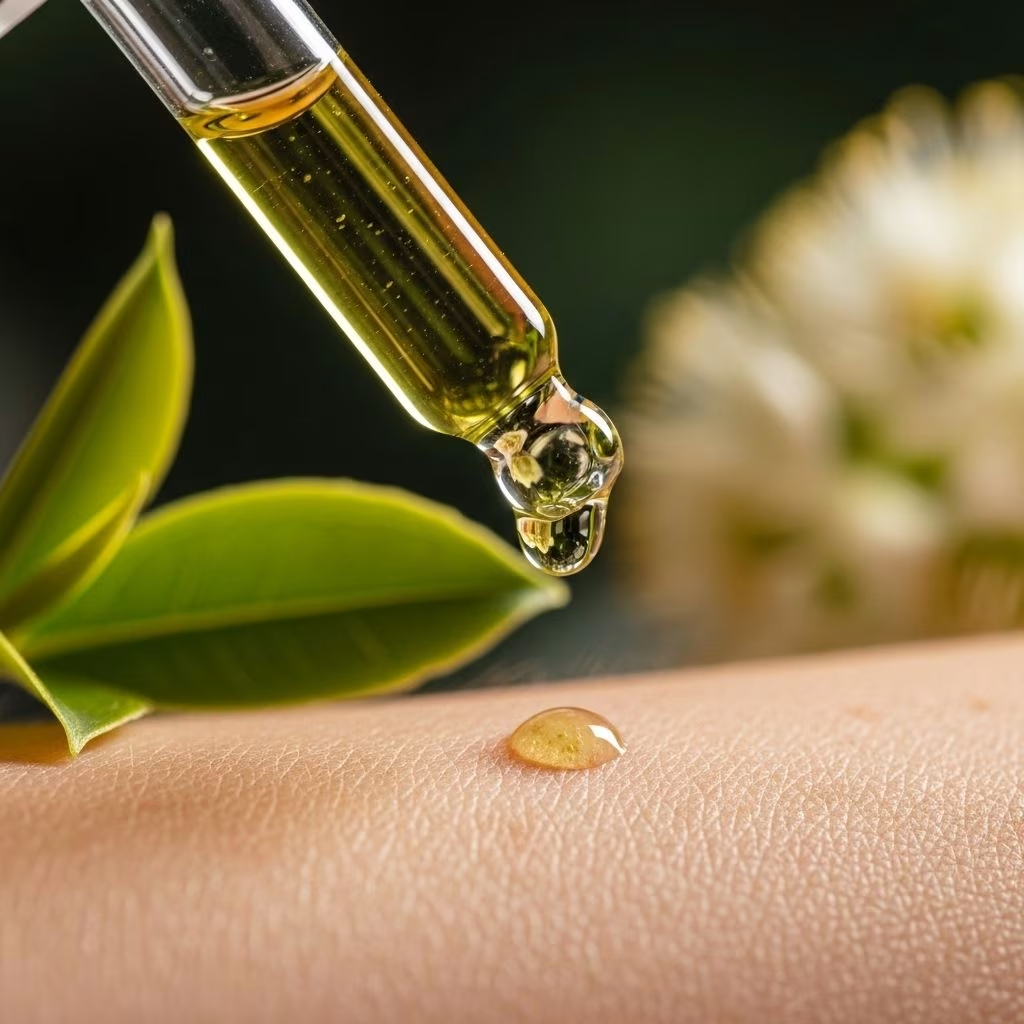
Herbal Remedies to Naturally Enhance Cervical Mucus for Fertility
Cervical mucus plays a pivotal role in natural conception, influencing the ability of sperm to survive and reach the egg. Understanding how to improve the quality and quantity of cervical mucus is essential for those trying to conceive. This comprehensive article explores the function of cervical mucus, the importance of hormonal balance, herbal remedies, dietary considerations, and holistic tips to support optimal fertility.
The Role of Cervical Mucus in Fertility
Cervical mucus is a fluid produced by glands in and around the cervix. Its characteristics change throughout the menstrual cycle, governed mainly by fluctuations in estrogen and progesterone. Fertile cervical mucus, often resembling raw egg whites in appearance and texture, is essential for several reasons:
- It nourishes sperm and enables them to swim efficiently from the cervix into the uterus and fallopian tubes.
- It acts as a selective barrier, allowing only healthy sperm to pass and blocking bacteria or other harmful substances.
- It helps filter and support sperm survival in the acidic environment of the vagina, increasing the chances of fertilization.
During the ovulation window, abundant and stretchy cervical mucus signals the most fertile time for conception. After ovulation, increased progesterone thickens and dries the mucus, making it less conducive to sperm penetration, thus acting as a natural barrier.
Hormones and Cervical Mucus
The production and quality of cervical mucus primarily depend on two hormones:
- Estrogen: Rising estrogen levels before ovulation stimulate the secretion of fertile, watery mucus.
- Progesterone: After ovulation, progesterone causes the mucus to become thick and scant, inhibiting further sperm entry.
Any imbalance in these hormones can result in insufficient or poor quality cervical mucus, presenting challenges for natural conception. Supporting overall hormonal balance is thus foundational in efforts to increase healthy cervical mucus production.
Herbal Remedies for Healthy Cervical Mucus
Several herbs from Western, Ayurvedic, and Traditional Chinese Medicine (TCM) are traditionally used to support cervical mucus production and reproductive health. These herbs work by:
- Acting as demulcents (soothing and moistening agents for mucus membranes)
- Supporting circulation to the reproductive organs
- Balancing hormone function
- Providing phytoestrogens (plant compounds mimicking estrogen’s actions)
Commonly Recommended Herbs for Cervical Mucus
- Shatavari (Asparagus racemosus): An important Ayurvedic herb, shatavari is prized for its ability to balance hormones, nourish the reproductive tract, and enhance cervical mucus production. Though scientific research is limited, it is a mainstay of traditional women’s health formulas.
- Red Clover (Trifolium pratense): Rich in plant phytoestrogens, red clover supports estrogen activity and can help promote healthy, fertile mucus. It also aids in overall reproductive system cleansing and nourishment.
- Licorice Root (Glycyrrhiza glabra): Used for hormonal balance and as an adaptogen, licorice supports healthy fluid production in the body, including cervical mucus. It should be used cautiously and under supervision if you have high blood pressure or are pregnant.
- Dandelion (Taraxacum officinale): A gentle detoxifying herb, dandelion helps the liver metabolize hormones efficiently, thus aiding hormonal harmony. Both root and leaf are useful for reproductive health and fluid balance.
- Marshmallow Root (Althaea officinalis): Not related to the sweet confection, marshmallow root is highly demulcent, soothing and moistening mucous membranes throughout the body, including the cervix.
- Evening Primrose Oil (Oenothera biennis): Rich in omega-6 fatty acids (gamma-linolenic acid), this oil supports the production of fertile mucus and healthy hormone levels when used before ovulation. Do not use after ovulation, as improper timing may interfere with implantation.
- Black Cohosh (Actaea racemosa): Contains phytoestrogenic compounds that help the body maintain estrogen levels, supporting fertile mucus function. Use with caution, and always consult a healthcare provider when using Black Cohosh, especially if combining with other fertility treatments.
Herbal Preparation and Use
Most herbs can be consumed as:
- Teas (infusions or decoctions)
- Capsules or tablets
- Tinctures (liquid alcohol or glycerin extracts)
- Oils (e.g., evening primrose oil by mouth)
Combining these herbs in daily teas supports hydration, an additional benefit for mucus production. Always consult a qualified herbalist or natural health practitioner before starting any herbal regimen, especially if you have underlying health conditions or are taking medications.
Traditional Chinese Medicine (TCM) Herbal Formulas
- Uterus Maintenance Blends: These herbal formulas support a healthy, receptive uterine lining and may indirectly boost fertile mucus.
- Nuan Gong Yun Zi Tang: Used for ‘cold uterus’ in TCM diagnosis, this blend helps warm the uterus, improve lining, and optimize the cervical environment for conception.
- Yin Tonics (e.g., Yin Maintenance): Moisturize tissues, restore hormonal balance, and address Yin deficiencies that may result in scant or dry mucus.
Diet and Nutrition for Mucus Support
Nutrition plays a critical role in the body’s ability to produce healthy cervical mucus. Key dietary strategies and nutrients to support mucus production include:
- Increase Hydration: Water forms the foundation of mucus. Drinking at least 8 glasses of water per day ensures the body has sufficient fluids to create healthy cervical mucus.
- Dietary Fats: Essential fatty acids (like those found in fish oil, flaxseed oil, and evening primrose oil) help build the cell membranes responsible for mucus production.
- Leafy Greens and Vegetables: Rich in vitamins, minerals, and antioxidants that help balance hormones and support tissue health.
- Fruits and Smoothies: Especially banana- and honey-based smoothies, which are hydrating and provide vital nutrients related to reproductive health.
- Royal Jelly and Ginseng: Considered Yin-nourishing foods in TCM, these support moistening of tissues and hormonal equilibrium.
- Foods rich in zinc (pumpkin seeds, nuts, eggs): Zinc is necessary for reproductive hormone production and mucus quality.
- Eggs, tofu, asparagus, and fish: Protein-rich options aid tissue repair and hormone balance.
- Miso soup with tofu and seaweed: Mineral-rich, supportive of overall hormonal and reproductive health.
Foods and Substances to Avoid
Some foods and substances may reduce Yin or dry out cervical mucus:
- Caffeine
- Alcohol
- Refined sugars
- Very spicy foods
Limiting or eliminating these may greatly improve cervical mucus quantity and quality.
Other Natural Ways to Enhance Cervical Mucus
Alongside herbal and dietary strategies, additional lifestyle practices improve the overall environment for fertile cervical mucus production.
- Monitor Your Cycle: Charting cervical mucus changes helps identify your fertile window and provides feedback for dietary or herbal adjustments.
- Exercise Moderately: Regular movement improves blood flow, including to the reproductive organs, without overly stressing the system.
- Address Stress: Chronic stress can disrupt hormone balance and reduce mucus. Mindfulness, yoga, or adaptogenic herbs (like ashwagandha) may help.
- Avoid Overuse of Vaginal Products: Douching and scented lubricants disrupt natural pH and mucus production.
- Use Fertility-Friendly Lubricants: If additional moisture is needed during intercourse, choose a lubricant designed to mimic natural cervical mucus.
Precautions and Considerations
- Timing Matters: Certain supplements (e.g., Evening Primrose Oil) should only be used up to ovulation and discontinued afterward, as continued use could influence the uterine environment negatively.
- Consultation is Key: Those with health conditions or who are using medical fertility treatments should consult a healthcare provider before adding herbal or nutritional supplements, as some combinations may have contraindications.
- Quality Counts: Use only high-quality, reputable herbal products, as purity and dosage affect results and safety.
Frequently Asked Questions (FAQs)
Q: What does fertile cervical mucus look and feel like?
A: Fertile cervical mucus is typically clear, stretchy, and resembles raw egg whites. This consistency helps sperm travel through the cervix and survive in the vaginal environment.
Q: Can herbal remedies alone correct cervical mucus problems?
A: Herbal remedies can be effective in supporting cervical mucus production, especially when combined with dietary and lifestyle changes, but underlying medical conditions may also need to be addressed for best results.
Q: How soon can I expect to see results from taking herbs for cervical mucus?
A: Results vary. Some women notice changes within one or two cycles, but others may require several months of consistent use to observe significant improvements.
Q: Is it safe to use multiple herbs at the same time?
A: Many fertility blends combine several herbs. However, it’s best to introduce one herb at a time, monitor your body’s response, and consult a health practitioner for personalized advice.
Q: Should I continue these remedies if I become pregnant?
A: Not all herbs are safe during pregnancy. Discontinue use once pregnancy is confirmed, unless your healthcare provider advises otherwise.
Q: Are there supplements designed specifically for cervical mucus?
A: Yes, some supplements are formulated with a blend of herbs to specifically support fertile cervical mucus. Review ingredient lists carefully and choose trusted brands.
Conclusion
Optimizing cervical mucus is a vital aspect of supporting natural fertility. A combination of herbal remedies, nutritious foods, proper hydration, and lifestyle adjustments can make a significant difference in cervical mucus production and quality. Always approach herbal supplementation thoughtfully, and collaborate with a knowledgeable practitioner to ensure the best and safest outcomes on your fertility journey.
References
- https://natural-fertility-info.com/5-natural-ways-to-increase-your-cervical-mucous.html
- https://laivfclinic.com/blog/are-there-herbs-to-naturally-support-my-fertility-treatment/
- https://www.cloudninefertility.com/blog/how-to-increase-the-fertility-of-cervical-mucus
- https://pmc.ncbi.nlm.nih.gov/articles/PMC8498057/
- https://proovtest.com/products/boost-herbal-supplement
- https://www.ginsen-london.com/blog/increase-cervical-mucus/
- https://www.fairhavenhealth.com/products/fertilecm-cervical-mucus-supplement
- https://www.zitawest.com/blogs/preconception-fertility/fertility-enhancing-herbs-and-spices-an-ayurvedic-approach


