


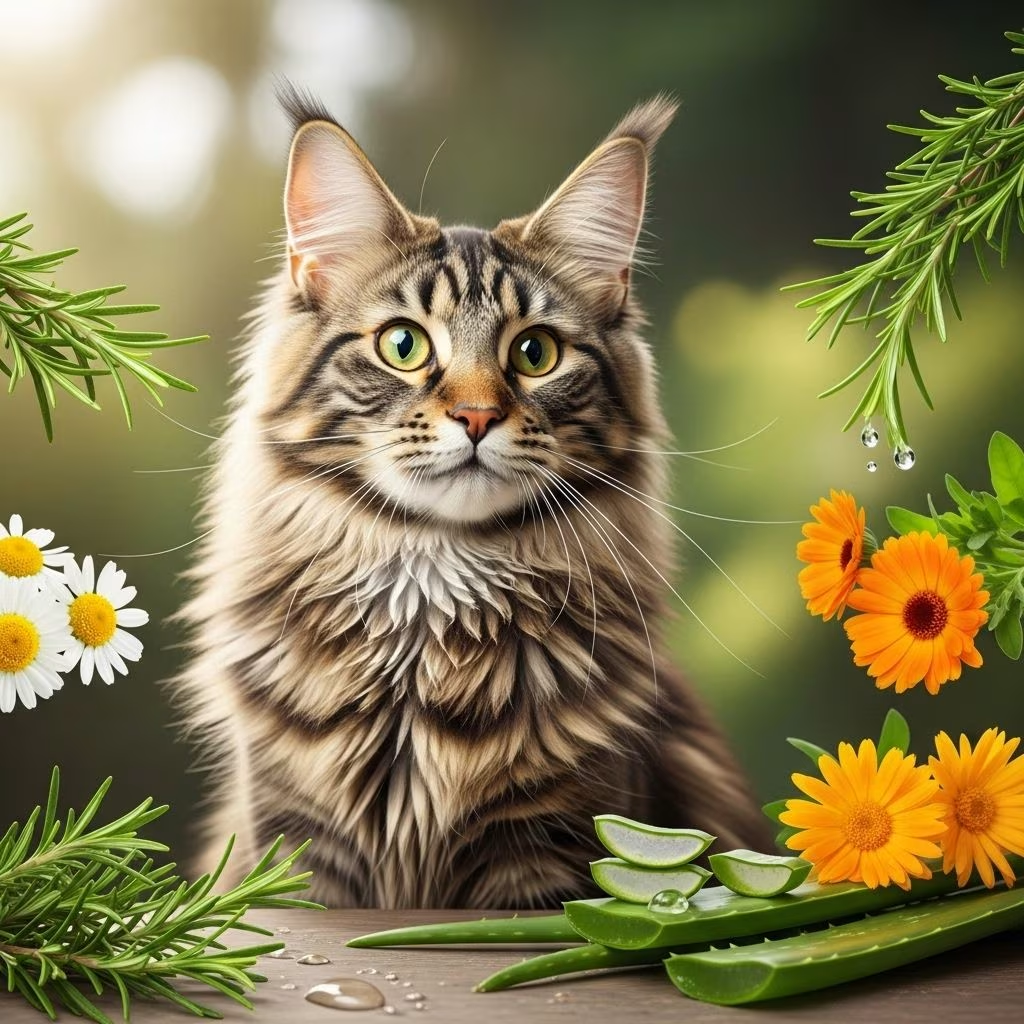
Natural Remedies for Cat Hair Loss and Regrowth
Cat hair loss can be a concerning issue for many pet owners, often indicating underlying health or environmental factors. While there are various medical treatments available, natural remedies can play a significant role in promoting healthy coat regrowth. In this article, we’ll explore the causes of cat hair loss, discuss natural solutions, and provide tips for maintaining a healthy feline coat.
## Causes of Cat Hair LossBefore diving into natural remedies, it’s essential to understand the common causes of cat hair loss. These include:- Overgrooming: Cats often engage in excessive licking or grooming, leading to hair loss, especially in areas like the belly or legs.- Allergies and Skin Conditions: Allergic reactions or skin conditions can cause itching, leading to hair loss.- Nutritional Deficiencies: A diet lacking essential nutrients can affect coat health.- Stress and Anxiety: Stress can lead to psychogenic alopecia, where cats overgroom due to emotional distress.## Natural Remedies for Hair LossNatural remedies can be effective in addressing cat hair loss by promoting healthy skin and coat conditions.### Dietary AdjustmentsA balanced diet rich in essential nutrients is crucial for maintaining healthy skin and coat. Key dietary adjustments include:- Omega-3 Fatty Acids: These improve skin and coat health by reducing inflammation and promoting healthy hair growth.- High-Quality Protein: Ensure your cat’s food contains adequate protein for optimal health.- Consult a Veterinarian: For personalized dietary recommendations tailored to your cat’s specific needs.### Herbal SupplementsHerbal supplements can provide additional benefits for coat health. However, always consult with a veterinarian before adding any supplements to your cat’s diet. Some beneficial herbs include:- Burdock Root: Known for its anti-inflammatory properties, which can aid in skin health.- Nettle: Offers antioxidant benefits that support overall health.- Chamomile: Provides calming effects and can help with skin irritation.### Grooming and Skin CareRegular grooming is essential for maintaining coat health and preventing excessive shedding. Use:- Soft-Bristled Brushes: Gently remove loose hair without irritating the skin.- Grooming Gloves: Massage and stimulate hair follicles for healthy growth.### Stress ReductionStress can significantly impact a cat’s coat health. To reduce stress:- Interactive Toys: Engage your cat with feather wands or laser pointers to stimulate natural hunting instincts.- Environmental Enrichment: Provide perches, climbing posts, and cardboard boxes for cats to explore and feel secure.- Feliway Diffusers: Use synthetic pheromones to create a calming environment.## Topical TreatmentsFor localized hair loss, some topical treatments can be beneficial:- Vitamin E Oil: Stimulates the immune system and promotes skin health.- Neem Oil: Known for its antiparasitic properties and can help with skin conditions like demodectic mange. Dilute neem oil with a carrier oil (10:1 ratio) before applying.- Apple Cider Vinegar (ACV) and Green Tea: Can help with skin infections and promote healing. Mix ACV with green tea and apply to affected areas twice daily.## Professional Treatment OptionsWhile natural remedies are effective, some cases of hair loss may require professional veterinary attention. Causes like hyperthyroidism or Cushing’s disease need medical diagnosis and treatment. Consult a veterinarian if you notice persistent or severe hair loss, as they can identify underlying causes and provide appropriate treatment.
FAQs
Q: What are common causes of cat hair loss?
Cat hair loss can be caused by overgrooming, allergies, nutritional deficiencies, stress, and underlying medical conditions.
Q: How can I naturally stimulate hair regrowth in cats?
Natural remedies like omega-3 fatty acids, herbal supplements, and proper grooming can help stimulate hair regrowth. Additionally, reducing stress through environmental enrichment and play can be beneficial.
Q: When should I consult a veterinarian about cat hair loss?
Consult a veterinarian if you notice severe or persistent hair loss, as it may indicate an underlying medical condition requiring professional treatment.
References
- https://baileyscbd.com/blogs/cat-health/addressing-cat-hair-loss-at-home
- https://www.youtube.com/watch?v=hWH3U6Hzt_I
- https://bestfriends.org/pet-care-resources/cat-hair-loss-causes-and-treatment
- https://animals.howstuffworks.com/pets/home-remedies-for-cats-with-hair-loss.htm
- https://www.petmd.com/cat/general-health/vet-approved-home-remedies-cats
- https://thecatdoctor.co.uk/cat-health/hair-loss/
- https://www.nhvnaturalpetproducts.com/dog-cat-hair-loss
- https://www.everypaw.com/all-things-pet/hair-loss-in-cats


