


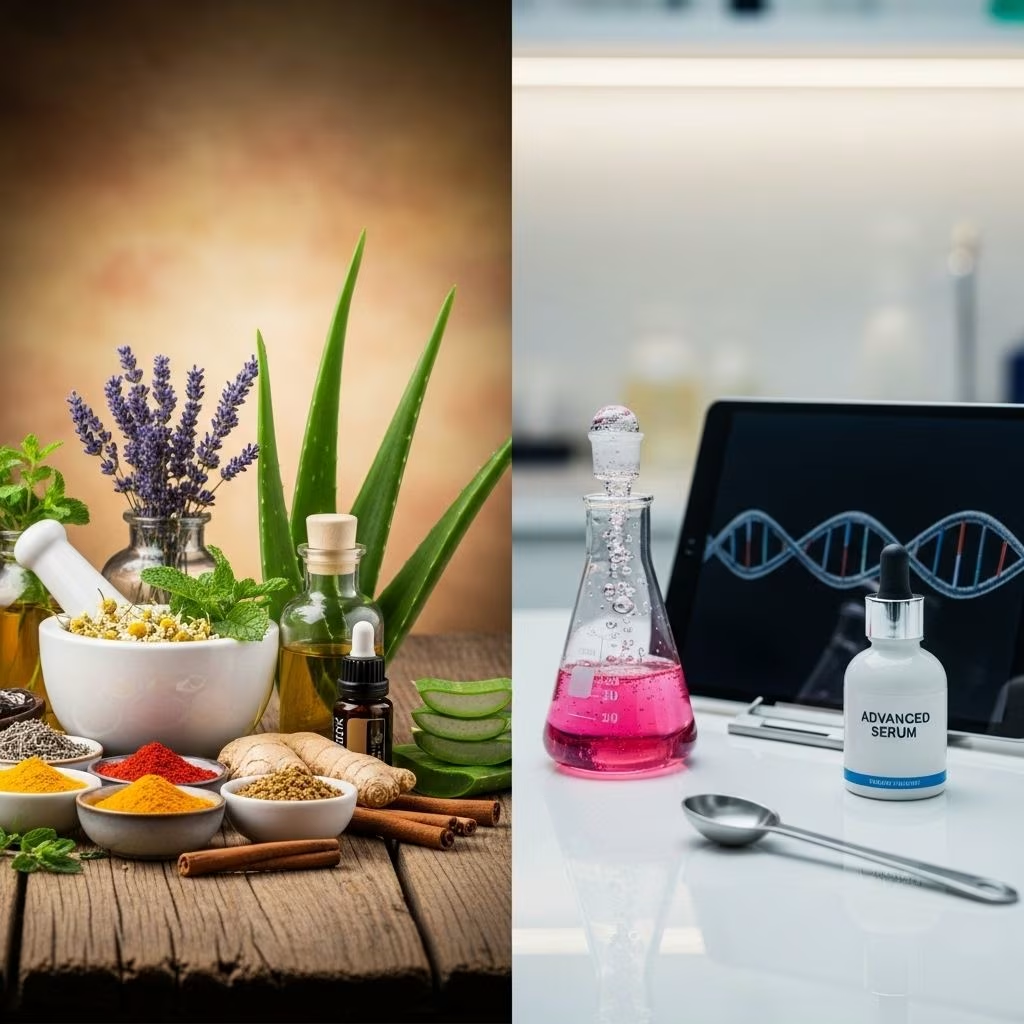
10 Effective Natural Remedies for Healing Bone Fractures
Bone fractures can be life-altering, bringing pain, immobility, and long recovery periods. While conventional medical treatment—such as casting, bracing, or surgical intervention—is essential for proper bone alignment and healing, natural remedies play a valuable supportive role in accelerating recovery, reducing inflammation, and improving overall bone health. This article explores ten of the most effective natural strategies to help your body repair fractures efficiently and safely.
Understanding Bone Fractures and the Healing Process
Bone fractures happen when external forces overpower the bone’s innate strength. Healing is a complex and highly regulated process, involving three primary stages:
- Inflammatory Phase: The immediate response; the body forms a blood clot to protect bone and provide essential healing factors.
- Reparative Phase: Soft callus (cartilage) forms, replaced later by hard callus (bone tissue) as healing progresses.
- Remodeling Phase: New bone reshapes, regaining its original structure and strength.
Supporting these stages with diet, targeted therapies, and lifestyle adjustments can result in faster, more complete recovery.
1. Nutrition-Rich Diet: The Foundation of Fracture Healing
Nutrition is crucial in bone repair. The body requires extra energy and a spectrum of micronutrients and macronutrients during recovery. Key nutrients include:
- Calcium: Main mineral in bone; found in dairy, leafy greens, and fortified foods.
- Vitamin D: Enhances calcium absorption. Sunlight exposure, fortified foods, fatty fish, and supplements boost vitamin D levels.
- Vitamin K: Helps with bone protein synthesis; found in green vegetables like kale and spinach.
- Magnesium & Zinc: Essential for bone mineralization. Nuts, seeds, and legumes are good sources.
- Protein: Repairs tissues; lean meats, beans, tofu, and dairy products should be consumed adequately.
- Vitamin C: Needed for collagen production, crucial for bone and connective tissue repair.
Tip: Ensure balanced meals, avoid processed foods, and consider consulting a nutritionist for personalized recommendations.
2. Adequate Rest and Immobilization
Rest and proper immobilization—using casts, splints, or braces—are fundamental to allow bone fragments to knit together.
While short walks and minimal activity improve circulation, prioritizing rest in the early stages prevents further injury and optimizes bone repair.
- Follow your healthcare provider’s guidance on activity restriction and gradual mobilization.
- Do not remove immobilizing devices or prematurely resume physical activity.
Safe and sufficient rest builds the foundation upon which other remedies can work more effectively.
3. Maintaining Hydration
Proper hydration supports cellular repair mechanisms, nutrient transport, and removal of metabolic waste during tissue healing.
- Aim for at least 8–10 glasses of water daily, unless otherwise advised due to medical conditions.
- Consider herbal teas (free from caffeine), broths, and water-rich fruits for additional hydration.
Maintaining hydration is simple but powerful for overall healing and metabolic health.
4. Sunlight Exposure for Vitamin D Synthesis
Vitamin D plays a crucial role in calcium absorption and new bone formation. The most effective natural source is sunlight—aiming for 10–30 minutes several times a week on exposed arms and legs, depending on skin type and climate. For those with limited sun exposure, speak to your healthcare provider about supplementation.
5. Herbal Remedies for Accelerating Bone Healing
Certain herbs have traditional and scientific support for accelerating fracture repair and reducing pain or inflammation. Noteworthy examples:
- Comfrey (Symphytum officinale): Traditionally known as “knit bone,” stimulates callus formation and relieves bone trauma pain. Use only externally in ointments or compresses, as internal use poses health risks.
- Horsetail (Equisetum species): Rich in silica, crucial for bone matrix strength. Used in teas or tinctures; consult a professional for dosage.
- Turmeric (Curcuma longa): Potent anti-inflammatory. Can be used as a dietary supplement or in food to help manage pain and swelling.
- Other Traditional Plants: Local folk medicine sometimes uses bamboo shoots, Terminalia arjuna bark, and others. Their active components may reduce inflammation, increase mineral intake, and enhance the body’s healing capacity.
Always consult a qualified herbalist or medical practitioner before initiating any herbal regimen, especially if you have pre-existing health conditions or are taking medications.
6. Collagen: Nature’s Building Block for Bones
Collagen is the most abundant protein in bone tissue, providing structure and flexibility. Supplementation can benefit fracture healing by:
- Prom
References
- https://pmc.ncbi.nlm.nih.gov/articles/PMC5512407/
- https://neelamhospital.com/10-effective-natural-remedies-for-healing-bone-fractures/
- https://www.webmd.com/osteoporosis/osteo-fracture-diet
- https://www.nuhs.edu/natural-support-for-fracture-healing/
- https://nyulangone.org/conditions/nonhealing-fractures/treatments/nonsurgical-treatment-for-nonhealing-fractures
- https://my.clevelandclinic.org/health/diseases/15241-bone-fractures
- https://www.peacehealth.org/medical-topics/id/hn-2201007
- https://www.renoortho.com/specialties/general-orthopedic-surgery/nutrition-for-healing/
- https://pmc.ncbi.nlm.nih.gov/articles/PMC5804294/


