


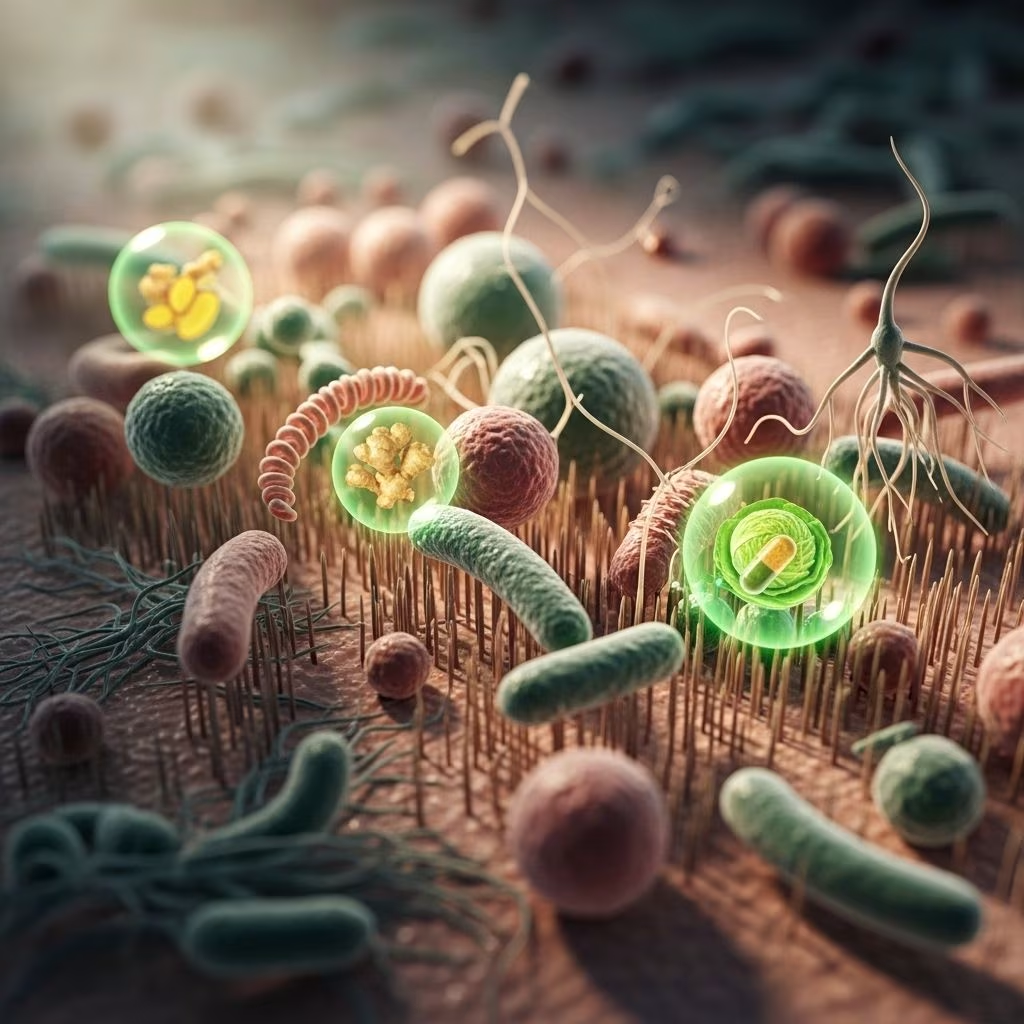
Introduction to Gut Health and Microbiome
Gut health is essential for overall well-being, and the microbiome plays a crucial role in maintaining a healthy digestive system. The balance of bacteria in the gut influences not only digestion but also mental health and immune function. Over the years, various factors such as diet, stress, and exposure to antibiotics can disrupt this balance. Natural remedies and certain herbs have been found to be beneficial in restoring the microbiome.
Key Foods for a Healthy Microbiome
Dietary changes are often the first step in restoring gut health. Certain foods are rich in fiber, which acts as a prebiotic, feeding the good bacteria in the gut. These include:
- Whole Grains: Foods like oatmeal, brown rice, and quinoa are high in fiber.
- Beans and Legumes: These are excellent sources of fiber and protein.
- Fruits and Vegetables: Rich in fiber and phenols, which give them their vibrant colors and provide antioxidant benefits.
- Nuts and Seeds: High in healthy fats and fiber.
Fermented Foods and Probiotics
Fermented foods are a rich source of probiotics, which are live bacteria that help maintain a healthy gut microbiome. Popular fermented foods include:
- Yogurt: Especially types with live cultures like Greek yogurt.
- Sauerkraut: Made from fermented cabbage, it is rich in vitamins and probiotics.
- Kimchi: A Korean side dish made from fermented vegetables.
- Kefir: A fermented milk drink that contains numerous probiotic strains.
Herbs and Natural Remedies
Certain herbs and natural remedies have been traditionally used to support gut health and restore the microbiome:
- Slippery Elm: Known for its soothing properties on the gut lining.
- Marshmallow Root: Used to treat digestive issues due to its mucilaginous properties.
- Turmeric: Contains curcumin, which has anti-inflammatory properties beneficial for gut health.
- Ginger: Known for its digestive benefits and anti-inflammatory properties.
Lifestyle Changes for Gut Health
In addition to dietary changes and natural remedies, lifestyle modifications play a crucial role in maintaining a healthy microbiome:
- Reduce Stress: Stress can disrupt the balance of gut bacteria; techniques like meditation and yoga can help.
- Stay Hydrated: Adequate hydration is essential for digestive health.
- Exercise Regularly: Physical activity can improve digestion and reduce inflammation.
- Limit Processed Foods: Avoid foods high in sugar and preservatives that can harm gut health.
Frequently Asked Questions (FAQs)
Q: How long does it take to notice improvements in gut health?
A: Improvements can be seen within a few weeks to a few months after making consistent dietary changes and incorporating natural remedies.
Q: Can probiotics be taken alongside antibiotics?
A: It is generally advised to take probiotics a few hours apart from antibiotics to ensure their effectiveness.
Q: Are there any side effects from using natural remedies for gut health?
A: While generally safe, some natural remedies may interact with medications or cause mild digestive issues. Always consult a healthcare provider before starting new supplements.
References
- https://newsroom.uw.edu/blog/adding-key-foods-diet-will-help-restore-gut-health
- https://cdhf.ca/en/10-ways-to-strengthen-your-microbiome/
- https://windsordigestivehealth.com/a-basic-guide-to-restore-gut-health/
- https://www.uclahealth.org/news/article/resetting-gut-microbiome-is-a-long-term-project
- https://pmc.ncbi.nlm.nih.gov/articles/PMC10255361/
- https://www.health.harvard.edu/staying-healthy/5-simple-ways-to-improve-gut-health
- https://pmc.ncbi.nlm.nih.gov/articles/PMC9442469/
- https://www.mskcc.org/news/your-gut-microbiome-how-improve-it-its-effects-immune-system-and-more
- https://my.clevelandclinic.org/health/body/25201-gut-microbiome


