


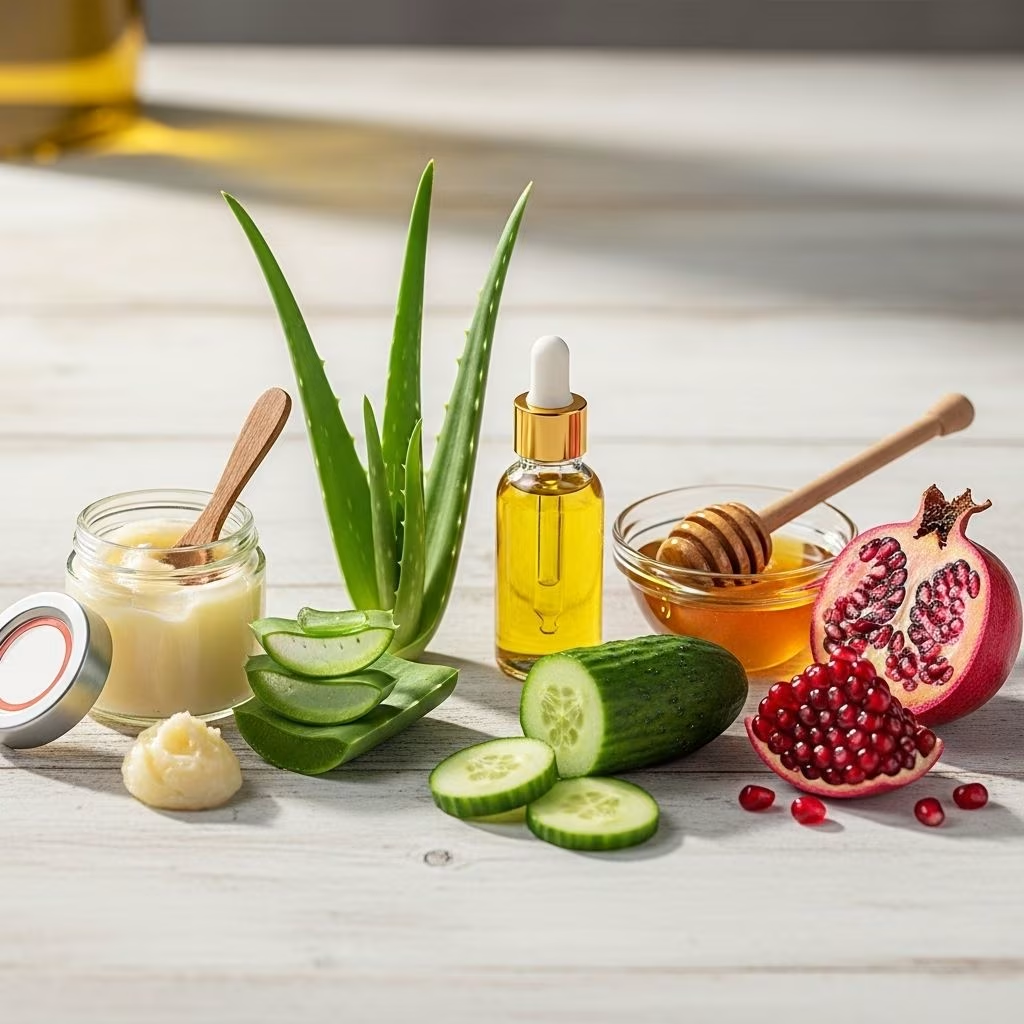
Chapped lips are a common yet frustrating problem that can affect anyone, regardless of the season. Whether it’s the bitter cold of winter, the dry heat of summer, or exposure to harsh environmental elements, your lips are constantly vulnerable to cracking, peeling, and discomfort. Unlike the rest of your skin, lips lack oil glands, making them particularly susceptible to dryness and damage. While commercial lip balms offer quick fixes, many contain artificial ingredients that may provide only temporary relief. The good news is that nature provides powerful, effective remedies that can heal and protect your lips using simple ingredients you likely already have at home.
Understanding why lips become chapped is the first step toward effective treatment. Your lips have a significantly thinner layer of skin compared to other parts of your body, and they possess poor barrier function, making them more sensitive to environmental stressors like wind, sun exposure, cold temperatures, and dry air. Additionally, habits such as licking your lips, breathing through your mouth, or using products with irritating ingredients can exacerbate the problem. The constant moisture evaporation from your lips strips away natural protective oils, leading to the dry, flaky, and sometimes painful condition we know as chapped lips.
Understanding the Importance of Lip Exfoliation
Before diving into specific remedies, it’s crucial to understand the role of exfoliation in treating chapped lips. When your lips become dry and damaged, dead skin cells accumulate on the surface, creating a barrier that prevents healing ingredients from penetrating to the healthy skin underneath. This layer of dry, flaky skin can actually hinder the effectiveness of any moisturizing treatment you apply. Gentle exfoliation removes these dead cells, allowing your natural remedies to work more effectively and promoting faster healing.
Creating your own lip scrub at home is remarkably simple and cost-effective. You’ll need just two basic components: an exfoliating ingredient like sugar or sea salt, and an emollient such as honey or oil. Mix one tablespoon of each in a small bowl, creating a paste-like consistency. Using a cotton swab or clean finger, apply this mixture to your lips in gentle circular motions, being careful not to apply too much pressure. The key word here is gentle – your lips are delicate, and aggressive scrubbing can cause further damage. After massaging for about thirty seconds, use a damp washcloth to wipe away the scrub. This process should be done no more than two to three times per week to avoid over-exfoliation.
Coconut Oil: Nature’s Moisturizing Powerhouse
Coconut oil stands out as one of the most effective natural remedies for chapped lips, and for good reason. This versatile oil is packed with essential fatty acids that work to repair cracks and prevent water loss in the uppermost layer of skin. What makes coconut oil particularly beneficial for lips is its ability to enhance the skin’s barrier function, essentially creating a protective shield that locks in moisture while defending against environmental aggressors.
The benefits of coconut oil extend far beyond simple moisturization. Its anti-inflammatory properties help reduce swelling and redness associated with severely chapped lips, while its antibacterial characteristics protect against potential infections that can develop in cracked, open skin. The oil contains lauric acid, a compound known for its antimicrobial effects, making it an excellent choice for lips that are not just dry but also damaged or prone to infection.
To use coconut oil effectively, ensure you’re purchasing pure, organic, virgin coconut oil without any additives or fragrances. Application is straightforward: using a clean finger or cotton swab, dab a small amount onto your lips as needed throughout the day. The oil will melt on contact with your warm skin, spreading easily across your lips. For best results, apply coconut oil after exfoliating, before bed, and whenever your lips feel dry. Some people find success in mixing coconut oil with a few drops of vitamin E oil for an extra nourishing treatment.
Honey: The Golden Healer
Honey has been revered across cultures for centuries as a sacred and powerful healing substance, and its effectiveness in treating chapped lips is backed by both tradition and modern science. This natural sweetener is much more than a kitchen staple – it’s a highly moisturizing agent that draws water into the skin and locks it in, providing long-lasting hydration. What sets honey apart from many other natural remedies is its remarkable combination of properties that work synergistically to heal damaged lips.
The antibacterial and antiseptic properties of honey are particularly valuable when dealing with severely chapped or cracked lips. When lips crack deeply enough to break the skin barrier, they become vulnerable to bacterial infections. Honey creates an inhospitable environment for bacteria while simultaneously promoting wound healing. Its antioxidant content helps repair cellular damage caused by environmental stressors, while its natural enzymes provide gentle exfoliation, removing dead skin cells without the need for abrasive scrubbing.
Raw, organic honey offers the most benefits, as processing can diminish some of its therapeutic properties. To apply honey to your lips, simply use your finger or a cotton swab to dab a thin layer across your lips, as you would apply a lip balm. You can leave it on for as long as you like – many people prefer to apply it before bed and let it work overnight. For an enhanced treatment, mix honey with coconut oil in equal parts to create a deeply moisturizing lip mask. The combination of honey’s healing properties with coconut oil’s barrier-enhancing effects creates a powerful remedy for even the most stubborn cases of chapped lips.
Aloe Vera: The Soothing Succulent
Aloe vera gel is perhaps best known for its ability to soothe sunburned skin, but this remarkable plant offers tremendous benefits for chapped lips as well. The clear gel found inside aloe vera leaves is loaded with vitamins, minerals, antioxidants, and anti-inflammatory compounds that work together to soothe damaged skin and promote healing. For lips that are not just dry but also inflamed, painful, or sun-damaged, aloe vera provides immediate cooling relief while supporting the skin’s natural repair processes.
What makes aloe vera particularly suitable for lip care is its gentle yet effective nature. The gel absorbs quickly into the skin without leaving a heavy or greasy residue, making it comfortable to wear throughout the day. Its anti-inflammatory properties reduce swelling and redness, while its rich antioxidant content protects against further damage from environmental stressors. Additionally, aloe vera contains enzymes that offer mild exfoliating properties, helping to remove dead skin cells while simultaneously moisturizing the new skin underneath.
You have two options when using aloe vera for your lips: purchasing organic aloe vera gel or harvesting fresh gel directly from an aloe plant. If you have access to an aloe plant, simply cut a leaf, slice it open lengthwise, and scoop out the clear gel inside. Store this gel in a clean container in the refrigerator, where it will keep for several days. Apply the gel to your lips with your fingers as needed, but remember that due to its exfoliating enzymes, you should limit use to two or three times per day to avoid over-exfoliation. For those purchasing aloe vera gel, look for products that are 99% pure aloe vera without added fragrances, colors, or alcohol, which can be drying.
Cucumber: The Gentle Hydrator
Cucumbers might seem like an unlikely remedy for chapped lips, but this humble vegetable offers surprising benefits for dry, damaged skin. Composed of approximately 95% water, cucumbers provide intense hydration while delivering a wealth of vitamins and minerals that can improve the overall appearance and health of your lips. The high water content makes cucumber an excellent choice for lips that need immediate moisture replenishment, while its natural compounds work to reduce inflammation and promote healing.
What distinguishes cucumber from other natural remedies is its exceptionally gentle nature. Unlike some treatments that may cause stinging or irritation on cracked lips, cucumber soothes on contact, providing cooling relief without any discomfort. The vegetable contains vitamin C and caffeic acid, both of which help reduce swelling and irritation, making it particularly beneficial for lips that are not only dry but also inflamed or sensitive.
Using cucumber for lip care is remarkably simple. Cut a fresh, chilled cucumber into thick slices and rub one slice directly onto your lips for several minutes. The coolness of the cucumber provides immediate relief, while its moisture penetrates into the dry skin. Alternatively, you can blend cucumber to create a paste, mix it with a small amount of honey for added moisturizing benefits, and apply this mixture to your lips as a hydrating mask. Leave the cucumber treatment on for ten to fifteen minutes before rinsing with cool water. For an extra refreshing experience, store cucumber slices in the refrigerator and apply them to your lips when they feel particularly dry or irritated.
Green Tea: The Antioxidant Treatment
Green tea has earned its reputation as a superfood for good reason, and its benefits extend to the delicate skin of your lips. Rich in antioxidants, minerals, and polyphenols – compounds that reduce inflammation and protect against cellular damage – green tea offers a unique approach to treating chapped lips. While it may not be as traditionally recognized as honey or coconut oil for lip care, green tea provides powerful healing properties that shouldn’t be overlooked.
The polyphenols in green tea are particularly valuable for lips that have been damaged by sun exposure or environmental pollutants. These compounds work to neutralize free radicals, which are unstable molecules that cause cellular damage and accelerate aging. By applying green tea to your lips, you’re not only treating current dryness but also protecting against future damage. The anti-inflammatory properties of green tea help reduce swelling and discomfort associated with severely chapped lips, while its gentle astringent qualities can help tighten and tone the delicate lip tissue.
The application method for green tea differs slightly from other natural remedies, offering a dual benefit of moisturizing and gentle exfoliation. Steep a green tea bag in warm water for a few minutes, then allow it to cool slightly – it should be warm but not hot enough to cause discomfort. Gently press and rub the tea bag over your lips using circular motions. The texture of the tea bag provides mild exfoliation, removing dead skin cells, while the tea itself delivers its beneficial compounds directly to your lips. This technique is more gentle than traditional scrubs, making it ideal for lips that are too sensitive for sugar or salt-based exfoliants. After using the tea bag, you can follow up with a moisturizing treatment like coconut oil or honey to seal in the benefits.
Additional Natural Remedies Worth Considering
While the five remedies above form the core of effective natural treatments for chapped lips, several other ingredients deserve mention for their beneficial properties. Ghee, or clarified butter, is an ancient Ayurvedic remedy that has been used for generations to nourish and heal dry lips. Rich in fatty acids and fat-soluble vitamins, ghee provides deep moisturization and helps strengthen the skin’s natural barrier. Simply apply a small amount to your lips before bed for overnight healing.
Avocado butter, extracted from the flesh of avocados, offers another excellent option for treating severely chapped lips. Packed with vitamins A, D, and E, along with essential fatty acids, avocado butter penetrates deeply into the skin to provide lasting moisture and promote healing. Its thick, creamy consistency makes it particularly effective for lips that are not just dry but cracked or peeling.
Shea butter and cocoa butter also deserve recognition for their exceptional moisturizing properties. Both contain natural compounds that soften and protect the skin while providing a physical barrier against moisture loss. These butters work particularly well as carriers for essential oils like manuka, creating customized lip treatments that address specific concerns while delivering intense hydration.
Prevention Strategies for Healthy Lips
While treating chapped lips is important, preventing them from becoming dry in the first place is even better. Several lifestyle modifications can significantly reduce your risk of developing chapped lips. First and foremost, stay adequately hydrated by drinking plenty of water throughout the day. Dehydration affects your entire body, including your lips, and no amount of external moisturizing can compensate for insufficient internal hydration.
Avoid licking your lips, as tempting as it may be when they feel dry. Saliva contains enzymes that break down the delicate skin of your lips, and when the moisture evaporates, it leaves your lips even drier than before. Similarly, try to breathe through your nose rather than your mouth, as constant airflow over your lips contributes to moisture loss.
Protect your lips from environmental damage by using a lip balm with SPF when outdoors, even on cloudy days. UV radiation damages the skin of your lips just as it does the rest of your body, leading to dryness, premature aging, and increased cancer risk. During cold weather, cover your mouth with a scarf to shield your lips from harsh winds and frigid temperatures.
Pay attention to the products you use on and around your lips. Some cosmetics, toothpastes, and lip products contain ingredients that can irritate or dry out your lips. Common culprits include menthol, camphor, fragrances, and certain flavoring agents. If you notice your lips becoming more chapped after using a particular product, discontinue use and switch to gentler alternatives.
When to Seek Professional Help
While natural remedies effectively treat most cases of chapped lips, certain situations warrant professional medical attention. If your chapped lips persist despite consistent treatment with home remedies, or if they’re accompanied by other symptoms such as swelling beyond the lip border, severe pain, bleeding that doesn’t stop, or signs of infection like pus or increased redness, consult a healthcare provider or dermatologist.
Sometimes, chronically chapped lips indicate an underlying health condition such as a vitamin deficiency, allergic reaction, fungal infection, or inflammatory condition like eczema or psoriasis. A healthcare professional can properly diagnose the underlying cause and recommend appropriate treatment, which may include prescription medications, specialized topical treatments, or addressing nutritional deficiencies.
Frequently Asked Questions
Q: How long does it take for natural remedies to heal chapped lips?
A: Most people notice improvement within 24 to 48 hours of consistent application of natural remedies. However, severely chapped or cracked lips may require up to a week of regular treatment to heal completely. The key is consistency – applying your chosen remedy multiple times throughout the day yields the best results.
Q: Can I use multiple natural remedies together?
A: Yes, many natural remedies work well in combination. For example, you might exfoliate with a honey-sugar scrub, then apply coconut oil for moisture, and finish with aloe vera for soothing. However, avoid over-treating your lips, as this can sometimes cause irritation. Start with one or two remedies and add more only if needed.
Q: Are natural remedies safe for children’s chapped lips?
A: Most natural remedies discussed here are safe for children, with one important exception: honey should not be given to infants under one year old due to the risk of botulism. For young children, coconut oil, aloe vera, and cucumber are excellent safe options. Always supervise application to ensure they don’t ingest large amounts.
Q: Why do my lips get chapped even when I drink plenty of water?
A: While hydration is important, chapped lips can result from various factors beyond water intake. Environmental conditions, breathing through your mouth, licking your lips, certain medications, vitamin deficiencies, and allergic reactions to lip products can all contribute to dryness. Address these factors alongside maintaining good hydration for best results.
Q: Is petroleum jelly better than natural remedies for chapped lips?
A: Petroleum jelly creates an effective occlusive barrier that prevents moisture loss, but it doesn’t actively moisturize or heal the skin. Natural remedies like honey and coconut oil not only provide moisture but also contain vitamins, antioxidants, and healing compounds that actively repair damaged skin. Many people find combining approaches works best – using natural remedies for healing and petroleum jelly as a protective sealant.
Q: Can I make these remedies ahead of time and store them?
A: Some natural remedies store better than others. Fresh aloe vera gel can be refrigerated for several days, while coconut oil and honey have long shelf lives at room temperature. Cucumber should be used fresh for maximum benefit. If you want to create pre-made lip treatments, mix coconut oil with honey or essential oils and store in a small container. Avoid making large batches that might spoil before you can use them.
Q: Will these natural remedies work on severely cracked or bleeding lips?
A: Natural remedies can help heal severely chapped lips, but if your lips are bleeding or have deep cracks, be gentle and patient. Honey is particularly beneficial for these cases due to its wound-healing and antibacterial properties. However, if you experience persistent bleeding, severe pain, or signs of infection, consult a healthcare provider as you may need medical treatment.
References
- https://www.healthline.com/health/skin/home-remedies-for-chapped-lips
- https://www.shankara.in/blogs/shankara-blogs/diy-dry-lips-remedies-natural-solutions-for-soft-lips
- https://www.medicalnewstoday.com/articles/324281
- https://www.lakshmedental.com/6-easy-home-remedies-for-dry-cracked-lips/
- https://www.aad.org/public/everyday-care/skin-care-basics/dry/heal-dry-chapped-lips
- https://www.webmd.com/beauty/why-your-lips-are-chapped
- https://manukarx.com/blogs/news/7-natural-remedies-for-eczema-on-lips-that-actually-work
- https://my.clevelandclinic.org/health/diseases/22005-chapped-lips


