


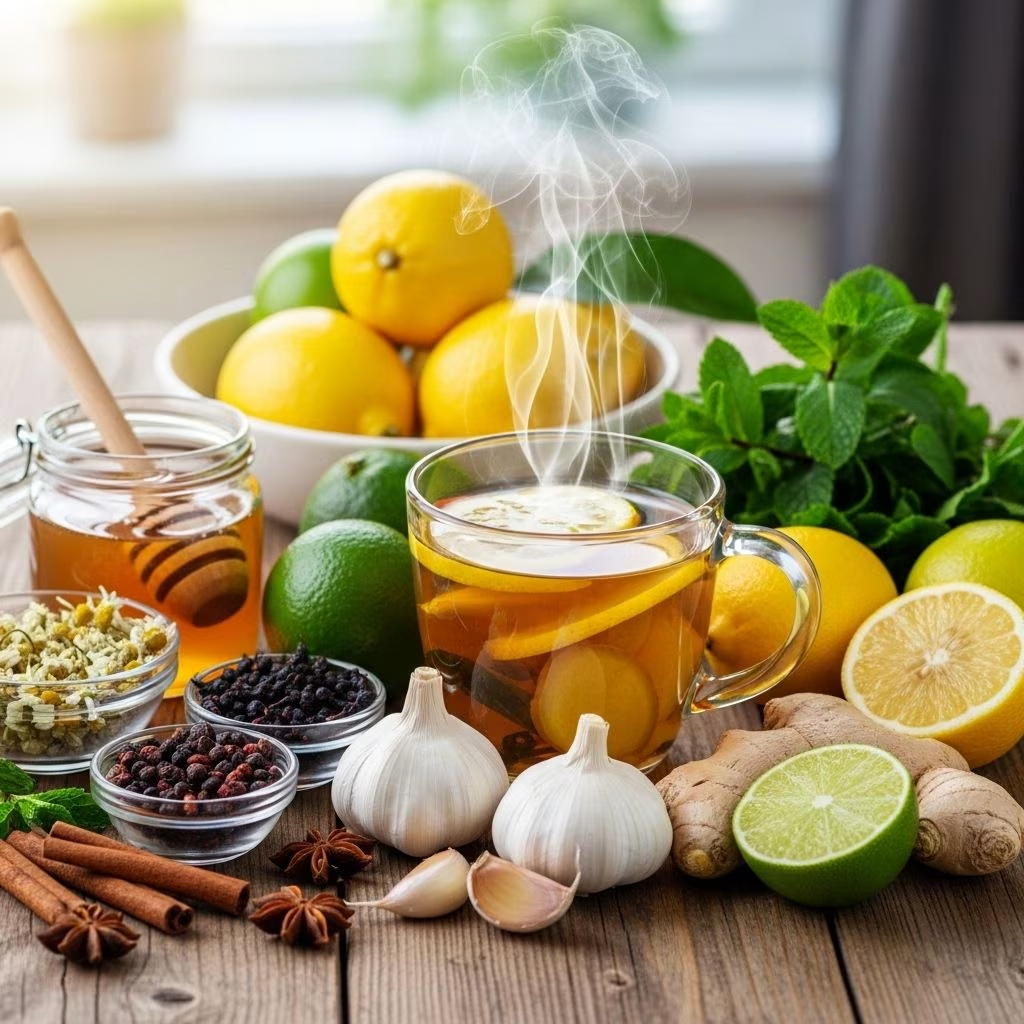
Best Natural Remedies for Seasonal Sickness: Your Guide to Staying Well
As the temperatures drop and the days shorten, cold and flu viruses thrive, and many people start to feel the onset of sniffles, congestion, and fatigue. Seasonal sickness—from mild colds and sore throats to bouts of the flu and increased allergies—can disrupt everyday life. While over-the-counter medicines have their place, a growing number of people are turning to natural remedies to both prevent illness and speed recovery. Grounded in both traditional wisdom and scientific evidence, these holistic approaches offer a gentle and effective way to support your immune system and overall wellbeing throughout the year.
Understanding Seasonal Sickness: Why Are We More Vulnerable?
Seasonal sickness generally refers to illnesses like the common cold, influenza (flu), upper respiratory tract infections, and seasonal allergies that become more prevalent in colder or transitional months. Several factors contribute to this increase:
- Close indoor gatherings: Chilly weather drives people indoors, facilitating the spread of viruses.
- Lower humidity: Dry air can irritate mucous membranes and weaken respiratory defenses.
- Weaker immune responses: Shorter days mean less sun exposure and potentially reduced vitamin D levels, which can impact immunity.
- Increased stress: The shift in routine and holiday pressures can add additional stress, further suppressing immune function.
Proactively supporting your body’s natural defenses with holistic strategies can make all the difference.
Top 5 Natural Remedies for Preventing and Managing Seasonal Sickness
Several time-tested herbs, nutrients, and practices have been shown to boost immune health and reduce the severity and duration of colds, flu, and related ailments. Here are the most effective and widely used natural remedies:
1. Echinacea: Nature’s Immune Supporter
Echinacea has a long-standing tradition as a cold and flu remedy. Modern research supports its role in enhancing immune function and possibly shortening the duration of colds and respiratory infections by stimulating the activity of white blood cells. Echinacea is often consumed as capsules, tinctures, or teas.
- Best used at the first sign of illness for maximum effectiveness.
- Can be taken daily as a preventive measure during high-risk seasons.
2. Vitamin C: Essential for Immune Health
Vitamin C is a crucial antioxidant that supports immune cell function and repair. Numerous studies have found that regular vitamin C intake can reduce the length and severity of cold symptoms.
- Rich food sources: oranges, kiwis, bell peppers, strawberries, and leafy greens.
- Supplementation: Best as a preventive measure or at the onset of symptoms.
3. Garlic: A Potent Antiviral Ally
Garlic contains powerful compounds such as allicin, which have demonstrated antiviral, antibacterial, and immune-modulating effects. Incorporating garlic into your daily diet may help reduce the frequency of colds and speed recovery.
- Freshly chopped or crushed garlic is most effective.
- Can be taken raw (in small amounts), cooked, or as a supplement.
4. Honey & Ginger: Soothe and Strengthen
Raw honey and fresh ginger are a soothing, time-honored duo for coughs and sore throats. Honey offers antimicrobial properties, and ginger is known for its anti-inflammatory and antiviral effects. Combined, they can help reduce inflammation, soothe irritation, and support recovery.
- Mix a tablespoon of raw honey with grated ginger in hot water for a warming drink.
- Both are safe for most adults but avoid raw honey in children under one year old.
5. Elderberry: Traditional Viral Defense
Elderberry (Sambucus nigra) has been recognized for centuries to combat colds and flu. It is rich in antioxidants and shown in some studies to reduce the duration and severity of influenza by boosting immune response and limiting viral replication.
- Available as syrups, capsules, chewables, and teas.
- Most effective when taken at the first sign of symptoms or as a daily preventive dose in peak seasons.
Additional Herbal and Natural Support
While the above remedies form the foundation, several other botanicals and natural substances can also provide significant relief or prevention, especially when used in combination:
- Licorice Root: Contains glycyrrhizin, which boosts interferon-gamma (a key immune molecule) and helps regulate immune responses.
- Pomegranate: Rich in polyphenols, it suppresses viral replication and has direct antiviral effects.
- Guava Tea: Shown to inhibit viral adhesion and replication.
- Baicalin (from Baikal Skullcap): Inhibits viral budding, making it harder for viruses to spread within the body.
- North American Ginseng and Maoto Herbal Formula: Demonstrated efficacy against respiratory viruses in research studies.
| Remedy | Main Benefit | Best Form/Use |
|---|---|---|
| Echinacea | Immune modulation, viral defense | Tea, tincture, supplement |
| Vitamin C | Antioxidant, reduces cold severity | Food, supplement |
| Garlic | Antiviral, antibacterial | Raw, cooked, capsules |
| Elderberry | Reduces flu/cold duration | Syrup, tea, capsules |
| Honey & Ginger | Soothe cough/throat, anti-inflammatory | Tea, syrup |
Nutrition and Lifestyle Tips for Comprehensive Immune Support
In addition to these specific remedies, your overall lifestyle and dietary habits play a vital role in your body’s resistance to illness and speed of recovery:
- Eat a balanced diet: Ensure meals are rich in fruits, vegetables, whole grains, lean proteins, and healthy fats to provide a range of nutrients.
- Hydration: Drink plenty of water, herbal teas, and clear broths to stay hydrated and help thin mucus.
- Rest: Quality, uninterrupted sleep is crucial for immune regeneration.
- Regular exercise: Gentle movement like walking or yoga helps reduce stress and boosts immune cell circulation.
- Hygiene: Wash hands regularly, avoid touching your face, and use tissues to cover sneezes or coughs.
- Stress management: Practice mindfulness, meditation, or gentle breathing exercises to maintain emotional wellbeing.
Home Therapies for Symptom Relief
Beyond immune support, some natural home approaches can ease the discomfort of cold and flu symptoms:
- Steam inhalation: Boil water, add drops of eucalyptus or peppermint essential oil, and breathe deeply under a towel to relieve congestion.
- Warm saltwater gargles: Alleviate sore throats and reduce inflammation.
- Chest rubs: Natural balms containing eucalyptus and menthol can soothe coughs and aid breathing.
- Lozenges or herbal teas: Marshmallow, licorice, and slippery elm teas coat the throat and ease irritation.
Natural Defense Against Seasonal Allergies
Spring and autumn herald not only viral illness but also a rise in seasonal allergies like hay fever. Several natural methods can help moderate allergic responses and ease symptoms:
- Local honey and bee pollen: Consuming small amounts can gradually condition your body to local pollens, easing hay fever (use with caution in those highly allergic).
- Nettle tea: Known to have mild antihistamine properties and may relieve sneezing and runny nose.
- Quercetin: Found in onions and apples, it is a natural compound with anti-allergic effects.
Scientific Insights: Evidence and Safety
Many natural remedies are supported by a growing body of scientific evidence. For example:
- Elderberry, Echinacea, and Garlic: Shown in clinical and laboratory studies to reduce the severity and duration of respiratory infections or improve immune parameters.
- Vitamin C and Zinc: Strong evidence for reducing cold duration and supporting immune health, particularly when combined.
- Probiotics: Beneficial for gut health and overall immunity.
However, it is important to:
- Avoid mega-dosing on supplements or using herbal remedies to replace medical care, especially in severe cases.
- Use caution in those with chronic conditions, elderly, pregnant or breastfeeding individuals, and those on medication—consulting a healthcare provider is always recommended.
When to See a Doctor
While natural approaches can prevent and ease most mild to moderate illnesses, seek medical attention if you experience:
- High fever (especially in young children, elderly, or immunocompromised).
- Difficulty breathing or chest pain.
- Prolonged symptoms lasting more than 10 days.
- New or severe symptoms like rash, confusion, or persistent vomiting.
Natural and conventional interventions can work hand-in-hand when necessary for the best outcomes.
Frequently Asked Questions (FAQs) about Natural Remedies for Seasonal Sickness
Q: How soon should I start natural remedies when I feel sick?
A: Begin remedies like vitamin C, elderberry, or Echinacea at the first sign of symptoms for optimal effectiveness. Early intervention helps reduce illness severity and duration.
Q: Can I combine different natural remedies?
A: Yes, many remedies work synergistically. For example, vitamin C with zinc, ginger with honey, or Echinacea with elderberry. Avoid combining large doses without guidance and always monitor for allergies or side effects.
Q: Is it safe to use these remedies in children?
A: Most remedies like honey (for children over one year), ginger, and vitamin C are safe in moderate amounts. Always check age recommendations and consult a pediatrician for specific guidance, especially with herbs or high-dose supplements.
Q: Can natural remedies replace vaccines or prescribed antiviral medications?
A: No. While these remedies are supportive, they are not substitutes for recommended vaccines or essential pharmaceutical treatments—especially for severe or high-risk cases. They are best used as complementary support.
Q: What is the role of nutrition and lifestyle in staying healthy?
A: Balanced nutrition, restful sleep, regular exercise, good hygiene, and stress management are foundational. Herbal remedies provide extra help, but healthy daily habits are irreplaceable for strong immunity.
Summary Table: Key Remedies and Their Properties
| Remedy | Main Action | Ideal For |
|---|---|---|
| Echinacea | Strengthens immune response | Colds, viral infections |
| Vitamin C | Antioxidant, tissue repair | Prevention, symptom relief |
| Elderberry | Antiviral, symptom reduction | Flu, acute colds |
| Honey & Ginger | Soothes throat, eases cough | Sore throat, cough, congestion |
| Garlic | Antimicrobial, anti-inflammatory | Immune support, all seasons |
| Steam Inhalation | Decongestant | Sinus, chest congestion |
| Local Honey | Builds tolerance to pollen | Hay fever, allergies |
Takeaway: Building Your Personal Winter Wellness Toolkit
Combating seasonal sickness is about more than just treating symptoms—it’s about cultivating resilience through holistic, evidence-informed self-care. Equip your winter wellness arsenal with these trusted remedies, nurture your body with nourishing foods and good rest, and stay proactive about hygiene and emotional wellbeing. With this natural toolkit, you’ll be well prepared to protect yourself and your loved ones, season after season.
References
- https://nznaturalformulas.co.nz/2024/03/04/best-natural-remedies-for-seasonal-sickness/
- https://pmc.ncbi.nlm.nih.gov/articles/PMC5871211/
- https://www.thedenizen.co.nz/wellbeing/winter-wellbeing-remedies-seasonal-sickness/
- https://www.weleda.co.nz/magazine/health/natural-help-for-hayfever
- https://bpac.org.nz/2023/docs/Viral-Illness-Patient-Info.pdf
- https://www.mytreat.co.nz/blogs/news/stay-healthy-naturally-homeopathic-and-natural-remedies-for-seasonal-flu
- https://thehealthhutt.com/8-seasonal-allergy-remedies/
- https://www.nzherald.co.nz/lifestyle/your-health-natural-remedies-to-reduce-your-chance-of-catching-a-cold/37HBNFGL4D2XZFU4CTATVOWAKU/
- https://chriskresser.com/the-top-20-natural-remedies-for-cold-and-flu/


