


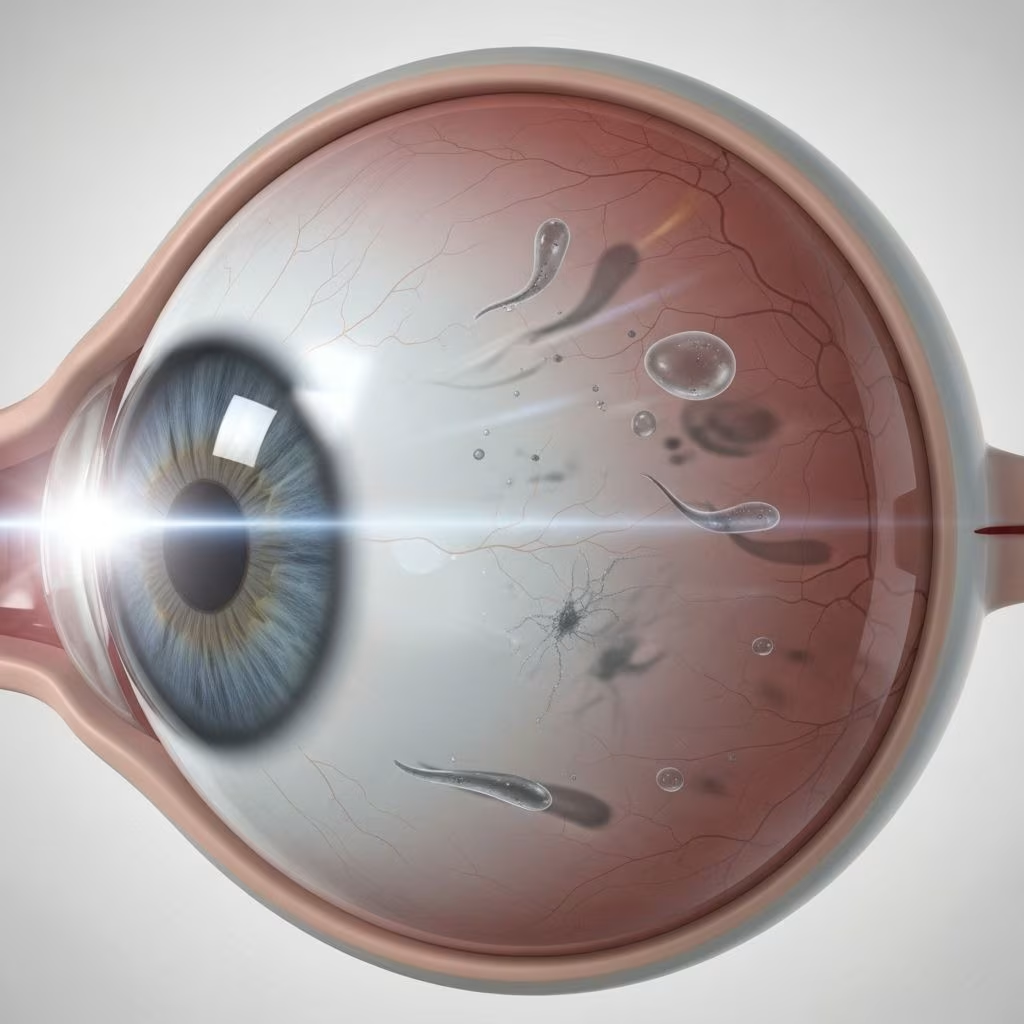
Eye floaters are a common visual phenomenon, often appearing as drifting spots, threads, or cobweb-like shapes across one’s field of vision. While generally harmless, severe or sudden changes in eye floaters can indicate more serious eye health issues. This article explores what eye floaters are, their common and rare causes, risk factors, available treatments, natural suggestions, and when medical intervention is essential.
What Are Eye Floaters?
Eye floaters are shadows cast on the retina by tiny clumps within the vitreous humor—the gel-like substance filling the eye. These clumps can appear as:
- Small specks or dots
- Threads or cobweb-like strands
- Squiggly lines or floating blobs
They are most noticeable when looking at bright, uniform backgrounds such as a clear blue sky or a white wall.
Causes of Eye Floaters
There are several reasons why floaters develop. Most are related to the normal aging process, but others are less common and may be more serious:
- Aging and Vitreous Changes: As people age, the vitreous gel liquefies and shrinks, causing microscopic clumps that appear as floaters. This is most common after age 50 and is called posterior vitreous detachment.
- Myopia (Nearsightedness): People who are more nearsighted have a higher risk due to increased vitreous traction on the retina.
- Astigmatism: Irregular curvature of the cornea can make floaters more noticeable to those with moderate to high astigmatism.
- Inflammation (Uveitis): Swelling or inflammation in the eye releases proteins or cells into the vitreous, creating floaters.
- Eye Injuries and Surgery: Trauma or surgery may introduce blood or debris into the vitreous, resulting in floaters.
- Diabetic Retinopathy: Bleeding from diabetic eye disease can leak into the vitreous, causing dark floaters.
- Retinal Tears or Detachment: A sudden increase in floaters, especially with flashes of light, can indicate a retinal tear or detachment, which is a medical emergency.
- Other Rare Causes: Eye tumors or crystal-like deposits in the vitreous, and in rare cases, autoimmune or infectious conditions can also result in floaters.
Symptoms and Associated Visual Disturbances
Individuals may describe a range of visual artifacts as floaters. While most floaters move with eye movement and settle when the eye is still, certain symptoms require prompt attention:
- Gradual increase in floaters over time (normal with aging)
- Sudden onset or rapid increase of floaters (may indicate serious problems)
- Flashes of light (photopsia): Often a warning sign of retinal traction or tear
- Loss of peripheral (side) vision: A gray curtain or shadow descending across vision can signal retinal detachment
- Pain, redness, or blurry vision accompanying new floaters
Risk Factors for Eye Floaters
Certain groups are more likely to develop floaters or have complications:
- People aged over 50
- Individuals with diabetes
- Those who are very nearsighted (high myopia)
- People who have had cataract surgery
- History of eye injuries or inflammation
Complications: While most eye floaters are harmless, when caused by serious eye conditions they can threaten vision if left untreated. Sudden changes require immediate medical evaluation.
Diagnosis: How Are Eye Floaters Evaluated?
An eye care specialist will perform a comprehensive eye exam, often involving:
- Eye dilation: Dilating drops widen the pupils, allowing the specialist to inspect the retina and the vitreous more thoroughly.
- Retinal examination: To check for possible retinal tears, detachments, or bleeding.
- Medical history and symptom details: Duration, suddenness of onset, and accompanying symptoms help determine risk.
Treatment Options for Eye Floaters
For most people, eye floaters are harmless and do not require active treatment. However, significant disturbances or underlying causes sometimes require intervention:
Medical and Surgical Approaches
- No treatment (observation): Most floaters become less noticeable over time as the brain adapts. Regular check-ups are recommended to monitor for changes.
- Vitrectomy: Surgical removal of the vitreous (along with floaters) via a small incision. The vitreous is replaced with a saline solution to maintain the eye’s shape. This procedure carries risks, including infection, bleeding, and retinal tears. New floaters can also develop afterwards.
- Laser Vitreolysis: A specialized laser treatment that targets and breaks up floaters, making them less noticeable. While some patients report improved vision, others note minimal difference. Risks include retinal damage if the laser is misdirected.
When to Seek Immediate Medical Advice
While many floaters are benign, seek urgent attention if you experience:
- Sudden increase in floaters
- Flashes of light
- Loss of peripheral vision or a curtain-like shadow
- Pain or redness with new floaters
These symptoms could indicate retinal tears, detachments, or other serious conditions requiring immediate intervention to preserve sight.
Natural Approaches and Self-Management Strategies
Although there is no scientifically proven natural cure that eliminates eye floaters entirely, some lifestyle adjustments can help reduce their perceived impact or support overall eye health. Suggestions include:
- Diet rich in antioxidants: Leafy greens, colorful vegetables, and fruits are beneficial for retinal health and may slow age-related changes.
- Hydration: Ensuring proper hydration supports the body’s natural detoxification processes.
- Avoiding eye strain: Take regular breaks from screens or reading to avoid fatigue.
- Eye exercises: Some people find gentle eye movements may temporarily shift floaters out of the direct line of sight, though this does not cure the underlying cause.
- Managing underlying conditions: Strictly controlling blood sugar in diabetes and addressing any eye inflammation or infections promptly.
- Stress reduction: While stress does not cause floaters, it may make them more noticeable or aggravate symptoms for some people. Relaxation techniques (e.g., breathing exercises, meditation) may aid in overall well-being.
Important Note: Avoid using unproven or potentially dangerous alternative remedies (such as eye drops or supplements not recommended by a medical professional) in place of validated medical advice.
Frequently Asked Questions (FAQ)
Q: Are eye floaters dangerous?
A: Most floaters are benign and do not threaten vision. Sudden changes in number or severity, especially with flashes or vision loss, warrant prompt medical attention.
Q: Can eye floaters be cured naturally?
A: There is no scientifically proven natural cure for eye floaters. However, a healthy lifestyle and managing underlying risks can support eye health.
Q: When should I see an eye doctor about floaters?
A: Seek immediate care if you notice a sudden onset or significant increase in floaters, experience flashes of light, develop a curtain over your vision, or lose peripheral vision.
Q: What are the main risk factors for developing eye floaters?
A: Age above 50, nearsightedness, diabetes, history of cataract surgery, and prior eye injuries or inflammation are major risk factors.
Q: Is laser or surgical treatment safe?
A: Both options are available but generally reserved for severe cases interfering significantly with vision. Both carry risks, including retinal damage, infection, or development of new floaters. Always weigh the benefits and risks with an ophthalmologist.
Comparison of Key Medical Treatments
| Treatment Strategy | Description | Risks | Effectiveness | When Recommended |
|---|---|---|---|---|
| No Treatment (Observation) | Monitoring; brain adapts to floaters | None | High for most; floaters diminish over time | Mild cases; no interference with vision |
| Vitrectomy | Removes vitreous and floaters, replaces with saline | Infection, bleeding, retinal tear, cataract | Very effective but with significant risks | Rare; severe impairment of vision |
| Laser Vitreolysis | Laser breaks up floaters | Possible retinal damage | Mixed results: some report improvement, others do not | Selected patients; specialist evaluation needed |
Key Takeaways
- Eye floaters are most often a benign, age-related phenomenon but warrant attention if sudden or severe.
- Regular eye exams, especially after age 50 or if you have risk factors, are essential for eye health.
- Healthy lifestyle, managing systemic diseases (like diabetes), and prompt medical intervention for suspicious symptoms protect vision in the long term.
Further Reading and Resources
- National Eye Institute (NEI): Comprehensive education on eye floaters and related conditions.
- Mayo Clinic: Eye floater symptoms and medical management guidelines.
- Cleveland Clinic: Symptom checker and patient care information for floaters and flashes.
References
- https://www.mayoclinic.org/diseases-conditions/eye-floaters/diagnosis-treatment/drc-20372350
- https://www.goodeyes.com/retina/common-eye-floaters-causes-symptoms-treatment/
- https://www.webmd.com/eye-health/benign-eye-floaters
- https://www.upmc.com/services/eye/conditions/flashes-floaters
- https://www.medparkhospital.com/en-US/disease-and-treatment/eye-floaters
- https://my.clevelandclinic.org/health/symptoms/14209-eye-floaters-myodesopias
- https://www.mayoclinic.org/diseases-conditions/eye-floaters/symptoms-causes/syc-20372346
- https://www.uofmhealth.org/our-care/specialties-services/floaters-flashes
- https://www.nei.nih.gov/learn-about-eye-health/eye-conditions-and-diseases/floaters


