


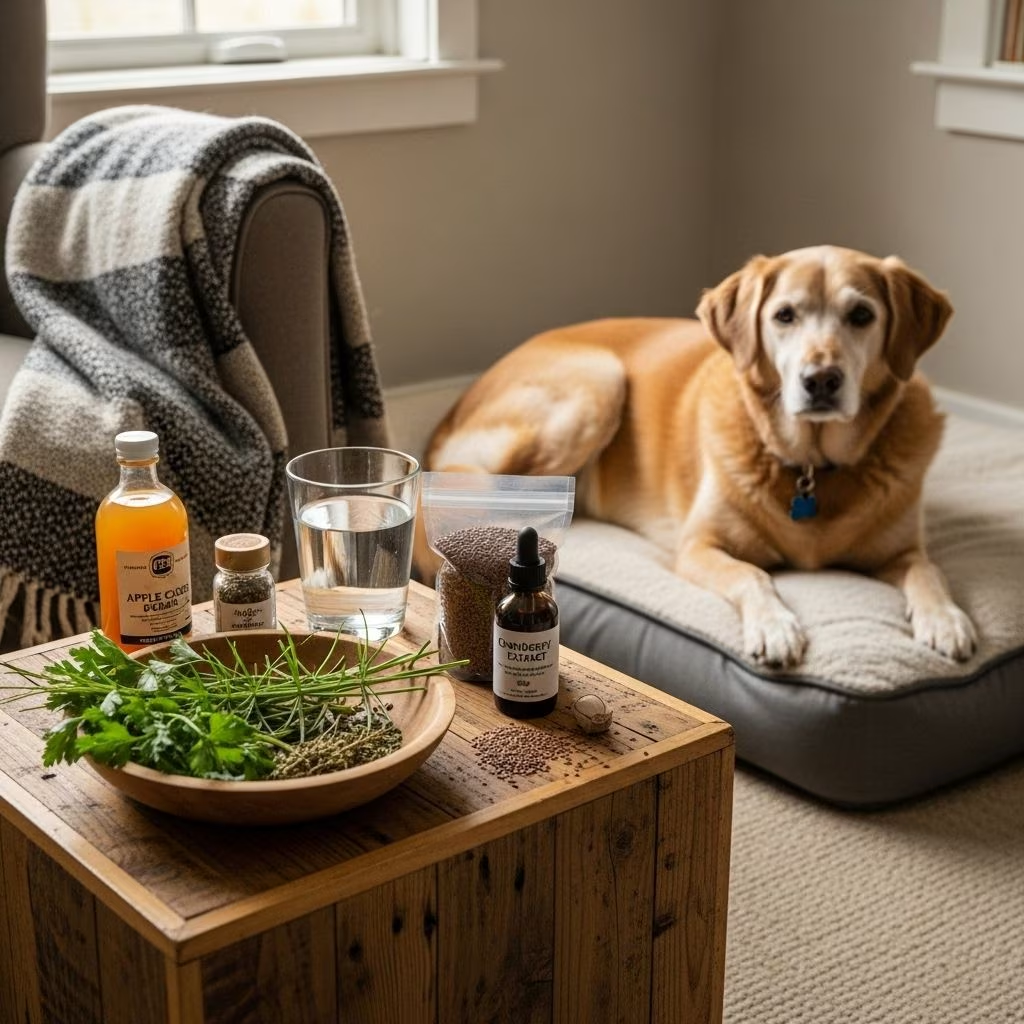
How to Support Dogs with Incontinence Naturally
Urinary incontinence in dogs is not just a challenging condition for pets, but also for their owners who want to help their companions without resorting to harsh pharmaceuticals. Thankfully, there are numerous safe and natural approaches to managing canine incontinence, from dietary adjustments to herbal remedies and lifestyle changes. This guide covers the evidence-based, holistic strategies for improving your dog’s bladder health and quality of life.
What Is Canine Urinary Incontinence?
Urinary incontinence in dogs refers to the involuntary leakage of urine. It is most common in middle-aged to senior spayed females, but can affect any dog, regardless of age, breed, or sex. Causes range from hormonal imbalances, weakened bladder sphincters, infections, spinal issues, to congenital abnormalities. Before starting any treatment, it’s critical to have your dog examined by a veterinarian to rule out underlying conditions like urinary tract infections, bladder stones, diabetes, Cushing’s disease, or anatomical defects.
Holistic and Natural Approaches
A holistic approach addresses the root cause and supports the body’s natural healing processes. Here are the key pillars of natural incontinence management:
Dietary Adjustments
A nutritious, minimally processed diet is foundational for bladder health. Consider the following dietary strategies:
- Grain-Free and Raw Diets: Some dogs benefit from grain-free, raw, or freeze-dried diets, which may reduce inflammation and support overall urinary function.
- Hydration: Ensure your dog always has access to fresh, clean water to support kidney function and flush out toxins.
- Phytoestrogen-Rich Foods: Soy and ground flaxseeds contain natural estrogens that may help hormone-responsive incontinence, a common issue in spayed females. Introduce these gradually and monitor for improvements.
Herbs for Bladder Support
Several herbs have been traditionally used to support bladder health and control in dogs:
- Saw Palmetto: Known for its anti-inflammatory properties, saw palmetto may improve bladder muscle tone and hormone balance.
- Corn Silk: Acts as a mild diuretic and soothes bladder irritation; available as tea or supplement.
- Wild Yam, Cranberry, and Red Clover: These herbs can mimic estrogen, reduce bladder spasms, and support urinary tract health.
- Turmeric, Ginger, and Boswellia: These natural anti-inflammatories help reduce bladder inflammation and may benefit dogs with arthritis-related incontinence.
Supplements and Nutraceuticals
Adding targeted supplements can further support bladder function:
- Probiotics: Support a healthy gut microbiome, which is linked to overall immune and urinary health.
- Omega-3 Fatty Acids: Reduce inflammation throughout the body, including the bladder.
- Bladder Support Formulas: Look for products containing a blend of the herbs mentioned above, specifically formulated for dogs.
Physical Therapies and Lifestyle Changes
Beyond diet and herbs, physical therapies can make a significant difference:
- Acupuncture and Chiropractic Care: These modalities can relieve nerve pressure and improve bladder control, especially if spinal misalignment is contributing to incontinence.
- Exercise Modification: Avoid high-impact activities that stress the lumbar region, such as sprinting or jumping; opt for gentle walks instead.
- Bladder Training: Regular, scheduled bathroom breaks can help retrain the bladder and minimize accidents.
Homeopathy
Homeopathic remedies, individualized to your dog’s specific symptoms and constitution, can be highly effective when prescribed by a qualified practitioner. Common remedies for incontinence include Causticum, Sepia, and Pulsatilla. Work closely with a veterinary homeopath for best results.
Conventional vs. Natural Approaches
While conventional treatments like phenylpropanolamine (PPA) and hormone therapy are effective for many dogs, they may come with side effects. Integrating natural remedies can potentially reduce the need for pharmaceuticals or serve as a complementary approach. Always consult your veterinarian before making changes to your dog’s treatment plan.
| Approach | Benefits | Considerations |
|---|---|---|
| Conventional Medications | Fast-acting, reliable for many cases | Potential side effects, ongoing medication may be required |
| Diet & Herbs | Supports overall health, minimal side effects | Results may take time, requires consistency |
| Physical Therapies | Drug-free, addresses root causes (e.g., nerve issues) | Requires specialized practitioners |
Managing Incontinence at Home
Practical tips to make life easier for you and your dog:
- Use washable or disposable doggie diapers, especially at night.
- Provide easy access to the outdoors for frequent bathroom breaks.
- Keep your dog’s sleeping area clean and dry to prevent skin irritation.
Frequently Asked Questions
Q: Can diet really help with my dog’s incontinence?
Yes, a high-quality, minimally processed diet can reduce inflammation and support bladder health, potentially improving or resolving incontinence in some dogs.
Q: Are herbal remedies safe for all dogs?
While many herbs are safe, dosages and combinations should be tailored to your dog’s size, health status, and any medications they may be taking. Always consult your veterinarian before starting a new supplement.
Q: How quickly can I expect to see results from natural treatments?
Natural remedies often work gradually. Some dogs show improvement within a few weeks, while others may take longer. Consistency and patience are key.
Q: Should I stop my dog’s prescribed medications if I try natural remedies?
No. Do not discontinue any prescribed medications without consulting your veterinarian. Natural approaches should be used as a complement, not a replacement, unless directed by a professional.
Q: When should I seek veterinary care for my dog’s incontinence?
If your dog has new or worsening incontinence, signs of pain, blood in the urine, or other symptoms, seek veterinary care immediately to rule out infections or other serious conditions.
Conclusion
Managing urinary incontinence in dogs holistically requires a multi-faceted approach: a clean, nutritious diet; targeted herbs and supplements; physical therapies like acupuncture and chiropractic; and practical at-home management. By addressing the root causes and supporting your dog’s overall health, you can often reduce reliance on medications and improve your pet’s comfort and well-being. Always work closely with your veterinarian to ensure the best outcome for your furry friend.
References
- https://www.volharddognutrition.com/blog/lets-discuss-the-natural-remedies-for-a-dog-with-urinary-incontinence/
- https://www.dogsnaturallymagazine.com/incontinence-in-dogs-what-to-do-when-leaks-happen/
- https://www.onlynaturalpet.com/blogs/holistic-healthcare-library/urinary-incontinence-natural-treatment-options-for-dogs-and-cats
- https://drloudon.com/pet-health/from-herbs-to-surgery-a-comprehensive-guide-to-managing-urinary-incontinence-in-dogs/
- https://www.webmd.com/pets/dogs/urinary-incontinence-dogs
- https://wagwalking.com/treatment/natural-incontinence-remedies
- https://www.pethealthandnutritioncenter.com/products/female-urinary-incontinence-dogs-cats
- https://walkinpets.com/blogs/blog/ways-to-address-canine-incontinence


