


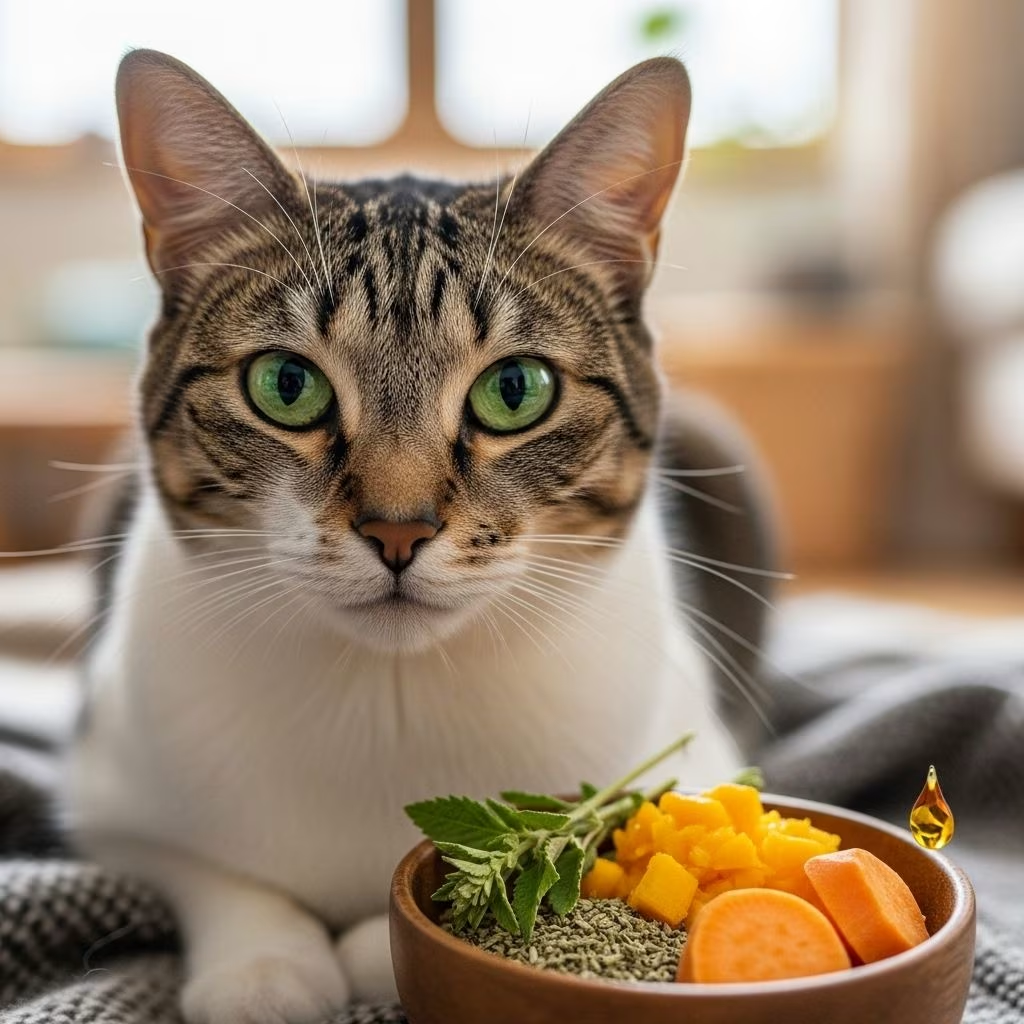
Purr-fect Natural Remedies to Boost Your Cat’s Digestive Health
Your cat’s digestive system is central to their overall health and happiness. When digestive issues strike, such as vomiting, diarrhea, constipation, or unexplained weight loss, it not only affects your feline friend’s comfort but can also signal deeper health concerns. Fortunately, nature offers an impressive toolkit of gentle, effective remedies to support and restore your cat’s digestive wellness.
Understanding Digestive Health in Cats
The feline digestive tract plays a vital role in:
- Absorbing nutrients from food
- Supporting immune function with a healthy gut microbiome
- Eliminating waste efficiently
Common signs of digestive distress include:
- Vomiting or regurgitation
- Diarrhea or loose stools
- Constipation
- Changes in appetite
- Abdominal discomfort (visible bloating or tenderness)
- Weight loss or lethargy
Early intervention can prevent minor issues from escalating. Integrating natural remedies into your cat’s care is a proactive, supportive approach while remaining alert for signs that require professional veterinary attention.
Top Natural Remedies for Cat Digestive Health
Several herbs, supplements, and dietary choices have stood the test of time for supporting feline digestion. Let’s explore the most effective options:
Pumpkin Puree
Pumpkin puree is widely recognized for its high soluble fiber content, which:
- Helps regulate bowel movements
- Relieves both diarrhea and constipation
- Is gentle on sensitive stomachs
Opt for pure, plain pumpkin (not pie filling), and offer small portions (typically 1–2 teaspoons per feeding). Always introduce gradually to observe your cat’s response.
Ginger
Ginger root is a powerful digestive aid:
- Reduces gas and alleviates intestinal spasms
- Promotes bile production for better fat digestion
Fresh ginger can be infused as a light tea, cooled, and mixed into food in tiny amounts for cats.
Slippery Elm Bark
Slippery elm bark contains mucilage—a soothing, gel-like substance that:
- Coats the digestive tract, reducing inflammation
- Helps relieve diarrhea and gastrointestinal irritation
- Lubricates for easier waste elimination
This powder can be mixed with water or food for easy administration.
Probiotics
Probiotics are beneficial bacteria that replenish and balance your cat’s gut flora:
- Enhance digestion and nutrient absorption
- Reduce risk of diarrhea and upset stomach
- Support a healthy immune system
Use high-quality probiotic supplements formulated specifically for cats to avoid adverse reactions.
Fennel Seed
Fennel seed is another digestive-supportive herb, helpful for:
- Relieving occasional gastric distress (antispasmodic properties)
- Maintaining proper digestive health by soothing the intestines
Small amounts can be added to food under veterinary guidance.
Marshmallow Root
This root forms a mucilaginous gel that:
- Soothes and protects the lining of the digestive tract
- Helps manage inflammation and constipation
Marshmallow is particularly beneficial in cases of gastric ulcers or chronic irritation.
Milk Thistle
Milk thistle seed supports:
- Liver health and detoxification
- Healthy digestive function by removing toxins that can impede digestion
The active ingredient, silymarin, is noted for its protective and anti-inflammatory effects.
Pumpkin Seeds, Wormwood, and Anise
- Pumpkin seeds: Natural dewormer, promote healthy digestion
- Wormwood: Maintains digestive regularity and relieves upset stomachs
- Anise seeds: Aid nutrient absorption and regularity
These remedies should be given under veterinary supervision, and only in precise, safe dosages.
Cloves, Black Walnut, Herb of Grace, Neem, Buckthorn
- Cloves: Antiparasitic benefits, promote intestinal health
- Black walnut hull: Antifungal and antiparasitic support for gut
- Herb of Grace (Rue): Eases indigestion and helps with gas
- Neem Bark: Cleanses intestinal parasites
- Buckthorn Bark: Aids bowel regularity, particularly for constipation
Always discuss these options with a veterinarian as their strong bioactive compounds require safe handling.
Additional Digestive Health Strategies
Dietary Adjustments and Support
The foundation of digestive wellness is a well-balanced, high-quality diet. Follow these best practices:
- Maintain a consistent feeding schedule
- Avoid abrupt diet changes and human foods
- Ensure adequate hydration
- Select foods with appropriate fiber and protein levels formulated for feline needs
Feeding bland, simple meals, such as boiled chicken and rice, may help during periods of upset, but ensure taurine for heart health.
Environmental Enrichment and Stress Management
Stress is a known trigger for digestive disturbances. Provide:
- Quiet, safe, and enriched home environment
- Regular play sessions
- Minimize household disruptions and anxiety
Monitor your cat’s behavior, as chronic stress can cause gastric distress and altered stool patterns.
Promoting Good Gut Health
- Make fresh water always available
- Encourage activity for regular metabolism
- Consider bone broth for collagen, amino acids, and gelatin, which repair intestinal lining and reduce inflammation
Digestive Enzymes and Colostrum
Supplements such as digestive enzymes and colostrum can further support healthy digestion and immune response:
- Enzymes break down food particles for easier absorption
- Colostrum supports gut repair and immunity
Reading Your Cat’s Poop: What to Watch For
| Stool Attribute | Possible Meaning |
|---|---|
| Brown, firm | Healthy digestion |
| Loose, watery, yellow | Possible infection, food intolerance |
| Green/yellow tinge | Grass or plant matter ingestion |
| Red/bloody | Potential injury, parasites |
| Constipation | Dehydration, low fiber or underlying disease |
Monitor litter box contents for sudden changes and contact your veterinarian with concerns.
Precautions and Professional Guidance
While many natural remedies are gentle, always consult your veterinarian before adding new herbs or supplements to your cat’s regimen. Every cat is unique, and reactions can vary—especially in cats with chronic health conditions or those taking medications. Introducing any new remedy slowly and monitoring your cat for changes is essential for safety.
Natural remedies are intended to complement — not replace — professional veterinary care.
Frequently Asked Questions (FAQs)
Q: Can I give my cat pumpkin every day for constipation?
A: Small amounts of plain pumpkin can safely be given daily to most cats, but always consult your vet for proper dosing, especially if chronic symptoms persist.
Q: Are herbal remedies safe for kittens?
A: Most herbal remedies are too strong for kittens unless explicitly approved by a veterinarian. Use caution and seek professional advice before administering.
Q: What type of probiotics are best for cats?
A: Probiotics formulated specifically for feline digestive tracts—rather than general-purpose ones—are safest and most effective.
Q: Should I stop feeding my cat if they have diarrhea?
A: Don’t stop feeding altogether but try small, bland meals and seek veterinary guidance if diarrhea persists beyond 24 hours.
Q: How do I know if my cat’s digestive troubles are serious?
A: Persistent vomiting, bloody stools, lethargy, severe pain, or sudden weight loss warrant immediate veterinary care.
Conclusion
Supporting your cat’s digestive health naturally is not only possible—it’s highly effective when approached thoughtfully and safely. By harnessing the power of herbs, probiotics, diet adjustments, and stress management, you give your feline companion every opportunity for vibrant health. Remember, professional veterinary guidance is an essential part of your cat’s wellness journey. With the right strategy, your cat can lead a happier, more comfortable life—filled with purrs of contentment.
References
- https://animalwellnessmagazine.com/natural-solutions-for-your-cats-digestive-health-embrace-herbal-remedies/
- https://www.pranapets.com/blogs/pet-health/improve-digestive-health-for-cats-natural-ways
- https://www.earthbuddypet.com/blogs/cbd-faqs/natural-remedies-for-cat-digestion
- https://www.vanbeeknaturalscience.com/nurturing-your-pets-gut-health-natural-solutions-for-your-companion/
- https://www.animalbiome.com/blogs/cat/9-ways-to-improve-your-cat-s-digestive-health
- https://www.petmd.com/cat/general-health/vet-approved-home-remedies-cats
- https://www.cats.org.uk/help-and-advice/health/digestive-problems
- https://www.nhvnaturalpetproducts.com/cats/
- https://autumntrailsvet.com/5-effective-treatment-approaches-for-managing-cat-diarrhea/


