


Revive Tired Eyes: Natural Remedies & Expert Procedures
Tired looking eyes are a common concern, often reflecting age, stress, lack of sleep, allergies, and even genetics. As the eyes are central to facial expression and emotion, their appearance strongly affects perceived vitality and youthfulness. Modern advances offer a spectrum of solutions—from practical everyday habits to highly specialized cosmetic procedures—to restore a brighter and more refreshed gaze.
Understanding the Causes of Tired Looking Eyes
Before pursuing remedies, it’s crucial to identify the underlying causes of dull, fatigued eyes. Common contributors include:
- Lack of sleep: Inadequate rest disrupts healing, causing dark circles and puffiness.
- Allergies: Allergic reactions trigger inflammation, swelling, and redness around the eyes.
- Excessive screen time: Prolonged digital device use strains eye muscles, leading to fatigue and puffiness.
- Dehydration: Insufficient fluid intake dries out delicate under-eye skin, increasing visible fatigue.
- Genetics: Hereditary factors may predispose people to dark circles, sagging, or puffiness regardless of lifestyle.
Addressing the root cause is essential for an effective treatment strategy tailored to individual needs and aesthetic goals.
Natural Remedies to Treat Tired Looking Eyes
Many people start with non-invasive, accessible solutions to counter the effects of tired eyes. While these approaches may yield slower or more subtle results, they form the foundation of good eye health and appearance.
Staying Hydrated
Proper hydration is one of the simplest yet most effective steps in maintaining healthy, fresh-looking eyes. Water flushes out toxins and plumps delicate skin, minimizing fine lines and reducing puffiness. Key hydration strategies include:
- Drinking at least eight glasses of water daily.
- Including hydrating foods (cucumbers, watermelon, leafy greens) in your diet.
- Enjoying herbal teas like chamomile and peppermint, which soothe inflammation and promote gentle cooling effects.
Getting Quality Sleep
Sleep is the body’s natural repair mechanism. Inadequate rest leads to vasodilation, which can cause dark circles and puffiness. Strategies for better sleep:
- Maintain a consistent sleep schedule.
- Create a restful environment (dark, cool, quiet).
- Avoid caffeine and heavy meals before bedtime.
Combatting Allergies and Environmental Stressors
Allergens and environmental irritants can trigger swelling and discoloration. Steps to manage these include:
- Use air purifiers and hypoallergenic bedding.
- Consult with a medical professional for allergy testing and appropriate medication.
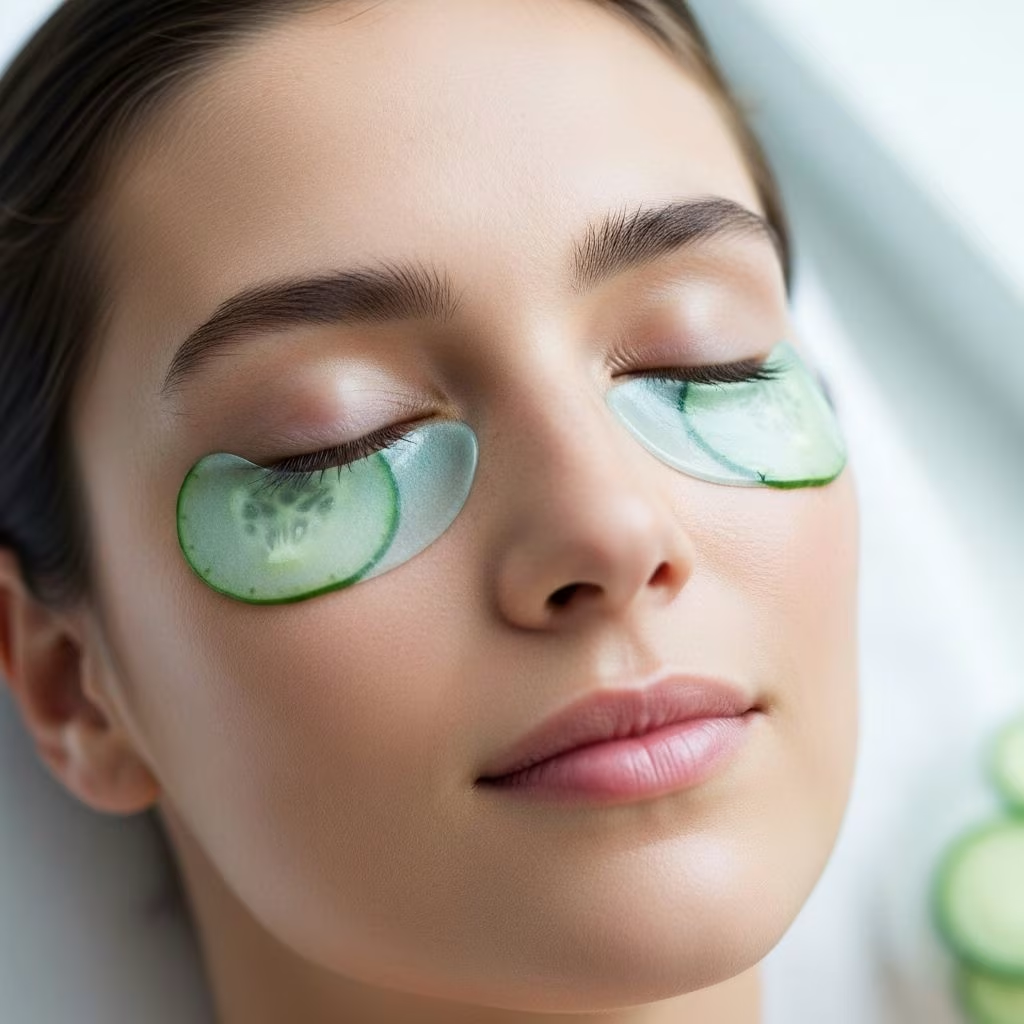
- Apply cool compresses or chilled cucumber slices to soothe and reduce inflammation.
Lifestyle Adjustments for Brighter Eyes
- Limit screen time: Take frequent breaks and practice the 20-20-20 rule—every 20 minutes, look at something 20 feet away for 20 seconds.
- Wear sunglasses outdoors to shield delicate under-eye skin from UV rays.
- Use gentle eye creams containing vitamin C, retinol, or hyaluronic acid to support skin elasticity and brightness.
Professional Treatments to Revitalize Tired Eyes
For those seeking more noticeable and lasting results, medical aesthetic interventions are increasingly popular. These range from non-surgical options like injectables to surgical eyelid procedures.
Injectable Solutions: Botox and Dermal Fillers
Botox: This injectable targets dynamic wrinkles (crow’s feet and frown lines) around the eyes by relaxing underlying muscles. Results include:
- Smoother skin texture.
- Reduced appearance of fine lines.
- Temporary results (typically lasting 3–6 months).
Dermal Fillers: Hyaluronic acid-based fillers (e.g., Restylane, Juvederm) restore lost volume and minimize under-eye hollows and shadows. Benefits:
- Immediate plumping of sunken areas.
- Improvement of dark circles by raising skin away from underlying blood vessels.
- Lasts 9–18 months depending on product and individual metabolism.
Choosing an experienced injector is crucial for optimal, natural-looking results. Such professionals can assess the unique anatomical structure of the eye area and recommend personalized injection strategies.
Blepharoplasty: Surgical Eyelid Lift for Dramatic Transformation
Blepharoplasty is a specialized eyelid surgery aimed at rejuvenating tired eyes, especially when excess skin or pronounced fat deposits create a chronically fatigued look. The procedure includes:
- Upper eyelid blepharoplasty: Removes droopy or hooded skin to open the eyes and create a more alert, youthful appearance.
- Lower eyelid blepharoplasty: Excises or repositions fat, eliminates bags, and tightens sagging tissue below the eyes.
| Treatment | Primary Effect | Candidates | Recovery Time |
|---|---|---|---|
| Botox Injections | Smooths wrinkles, lifts eyes | Dynamic lines, early aging | None – resume immediately |
| Dermal Fillers | Lifts hollows, reduces dark circles | Volume loss, mild puffiness | Minor swelling (1–2 days) |
| Blepharoplasty Surgery | Removes excess skin and fat | Pronounced bags, drooping eyelids | 1–2 weeks for visible recovery |
Benefits of Blepharoplasty
- Redefines tired-looking eyes by removing excess skin, fat, and muscle from the upper and lower eyelids.
- Creates a revitalized, naturally fresh appearance by eliminating sagging and under-eye bags.
- Tightens loose skin, smooths puffiness, reduces wrinkles, and brightens shadows under the eyes.
- Results can last for many years, dramatically improving facial harmony and expression.
What to Expect From Blepharoplasty Recovery
Initial Recovery Phase
- First few days: Mild swelling, bruising, and discomfort are common.
- Apply cold compresses to minimize swelling and promote healing.
- Rest and avoid strenuous activities or direct sunlight.
Weeks 1–3
- Swelling largely subsides within one to three weeks.
- The majority of patients resume normal activity in about one week.
- Any remaining bruising can usually be concealed with makeup after one week.
Long-Term Results
- Full, final results become visible after two months.
- Eyes appear brighter, less fatigued, and more youthful.
- Minimal scarring due to precise surgical techniques and natural eyelid contours.
Expert Recovery Tips
- Keep your head elevated during sleep to reduce swelling.
- Use prescribed eye drops to prevent dryness and irritation.
- Strictly follow surgeon’s post-operative instructions.
- Schedule regular follow-up visits to ensure healthy healing and monitor progress.
Choosing the Right Specialist for Eye Rejuvenation
The outcome of any eye rejuvenation procedure depends greatly on expertise and personalization. Key factors in selecting a provider include:
- Credentials and Experience: Choose board-certified practitioners with extensive experience in facial aesthetics.
- Track Record: Review before-and-after gallery and patient testimonials for successful outcomes in eye rejuvenation.
- Personalized Consultation: Ensure the specialist offers detailed assessments to match treatments with your anatomical structure and aesthetic preferences.
Consultation: The First Step Toward Brighter Eyes
A thorough in-person assessment establishes individualized goals, evaluates medical history and skin quality, and customizes recommendations across a spectrum of natural, injectable, and surgical options. This process guarantees safe, satisfying, and natural-seeming results.
FAQs: Frequently Asked Questions About Reviving Tired Eyes
Q: What is the fastest way to reduce tired-looking eyes naturally?
A: Hydration and sleep are crucial for immediate improvement. Cold compresses and herbal teas can also offer quick relief by reducing puffiness and inflammation.
Q: Are injectables like Botox and dermal fillers safe around the eyes?
A: Yes, when performed by experienced medical professionals, injectables are safe and effective for diminishing wrinkles and restoring youthful contours.
Q: How long does recovery from blepharoplasty usually take?
A: Initial recovery takes about one week, with full results typically seen after two months. Most patients return to normal activities within 7–14 days.
Q: Do blepharoplasty results last a lifetime?
A: While results are long-lasting, aging continues and some changes may be observed over years. Many enjoy dramatically refreshed eyes for a decade or longer before considering additional procedures.
Q: Is eye rejuvenation only for older adults?
A: Not at all. Cosmetic and natural remedies can benefit adults of all ages depending on genetics, lifestyle, and individual aesthetic goals.
Conclusion: Toward Brighter, Youthful Eyes
Your eyes reflect your health, vitality, and confidence. Whether you choose daily self-care, expert injectables, or transformative surgery, today’s options can help you bid farewell to signs of fatigue and reveal a refreshed, radiant gaze. Always consult a qualified professional to determine which approach best aligns with your anatomy, lifestyle, and expectations.
References
- https://www.sultanfacialplastics.com/blog/blepharoplasty-unveiled-revitalize-tired-eyes-and-banish-under-eye-bags/
- https://www.aristocratps.com/power-of-blepharoplasty-on-rejuvenating-tired-eyes/
- https://www.sbplasticsurgery.com/face-procedures/can-blepharoplasty-get-rid-of-tired-eyes/
- https://phoenixliposuction.com/blog/revive-tired-eyes/
- https://bizrahmed.com/blog/refreshed-and-radiant-lift-away-tired-eyes/
- https://phoenixliposuction.com/tag/skin-care/page/14/
- https://www.advancedplasticsurgeryinstitute.com/blog/refresh-tired-eyes-with-dermal-fillers-in-phoenix/
- https://thecentreforcosmeticsurgery.com/under-eye-rejuvenation-options-how-to-brighten-smooth-and-refresh-tired-eyes/
- https://eyelidsurgeries.com/eye-rejuvenation-for-men/


