


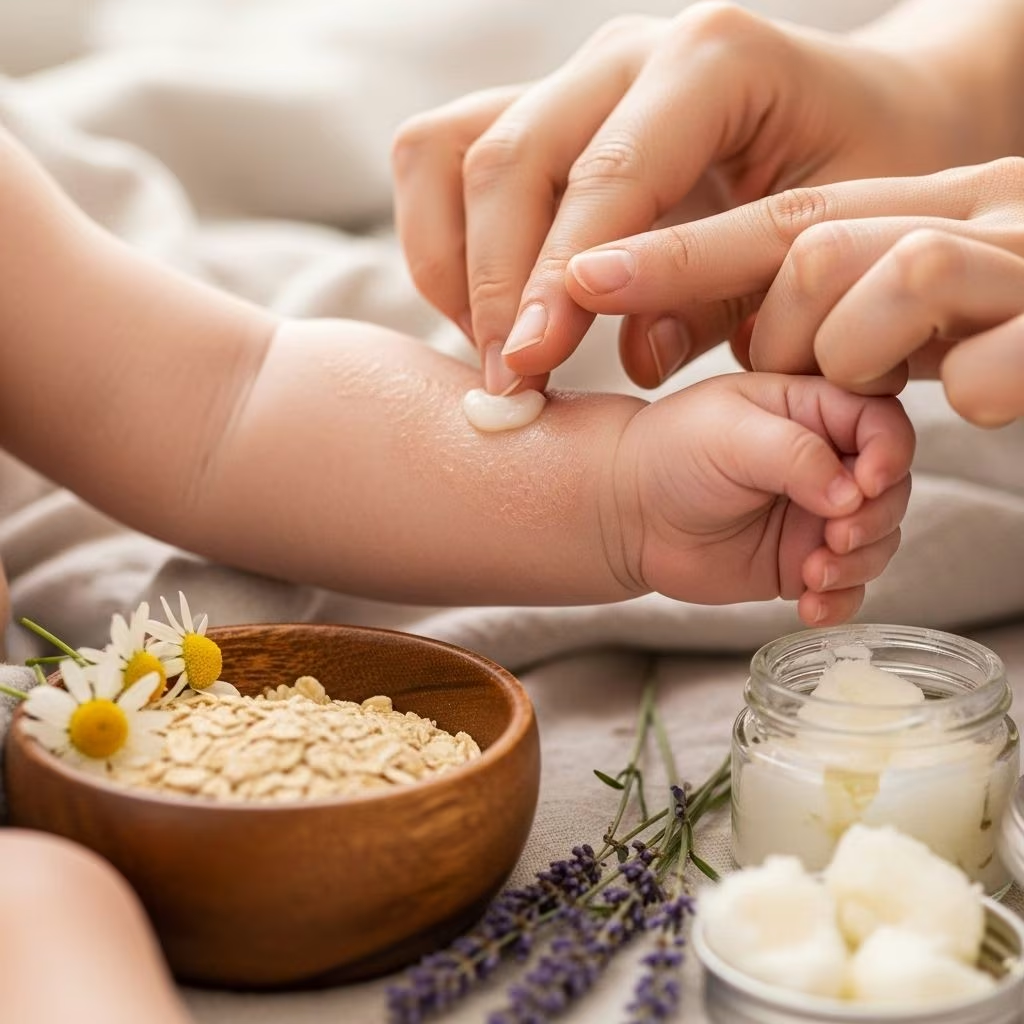
Natural Remedies for Babies with Eczema: Gentle Solutions for Soothing Sensitive Skin
Eczema, also known as atopic dermatitis, is a common skin condition affecting many infants and young children. It is characterized by dry, itchy, and inflamed skin that can cause discomfort for both the baby and their parents. Although there is no definitive cure, numerous natural remedies and holistic approaches can help soothe symptoms and promote healing.
Understanding Baby Eczema
Baby eczema often appears as red, sometimes crusty patches on the cheeks, scalp, and extensor surfaces of the arms and legs. The condition can flare up due to various triggers such as environmental irritants, allergens, or genetics. Parents may notice periods when symptoms worsen, especially during seasons with dry air or after exposure to potential irritants.
- Common signs: Chronic itchiness, redness, dry patches, rough or scaling skin.
- Areas commonly affected: Cheeks, arms, legs, chest, scalp.
- Potential triggers: Fragrances, harsh soaps, wool or synthetic fabrics, environmental allergens, dietary sensitivities.
Main Causes and Common Triggers of Eczema in Babies
Several factors might contribute to baby eczema. Identifying and avoiding these triggers is crucial:
- Genetics: Family history of eczema, asthma, or allergies.
- Environmental irritants: Harsh detergents, fragrances, dust mites, pollen.
- Dietary factors: Dairy, eggs, nuts, soy, wheat (for breastfeeding mothers and/or older babies).
- Climatic conditions: Dry or cold weather can exacerbate symptoms.
- Heat and sweat: Overheating and sweating may trigger flare-ups.
Simple Skincare Routine for Babies with Eczema
Developing a gentle skincare routine is vital for managing eczema in infants:
- Bathing:
- Use lukewarm water and limit baths to 5-10 minutes.
- Choose mild, fragrance-free, and hypoallergenic cleansers.
- Pat skin dry—never rub—and apply moisturizer within three minutes to lock in hydration.
- Moisturizing:
- Apply fragrance-free ointments or creams (not lotions; they may irritate).
- Moisturize at least twice daily; more often if skin appears dry.
- Nail care: Keep nails short to prevent scratching and skin damage; consider cotton mittens for sleep.
Top 10 Natural Remedies for Baby Eczema
Many parents seek natural alternatives to manage baby eczema alongside basic skincare routines. The following remedies have shown promise:
- Coconut Oil: A natural moisturizer with possible antibacterial benefits. Apply a thin layer to affected areas after bathing to help hydrate skin.
- Oatmeal Baths: Colloidal oatmeal can help soothe itchiness and inflammation. Grind oats into a fine powder, dissolve in bathwater, and let your baby soak for 10–15 minutes.
- Chamomile Tea: Known for its anti-inflammatory effects. Brew tea, allow it to cool, then gently dab onto eczema patches using cotton balls.
- Apple Cider Vinegar: Can help restore skin pH and reduce inflammation. Always dilute (equal parts with water) before application to avoid burns; use with caution.
- Probiotics: May boost immunity and regulate inflammation. Pediatric probiotics or probiotic-rich foods (for older infants) could support healthier skin, but consult a doctor before starting.
- Shea Butter: Rich moisturizer that relieves dryness and soothes irritation. Apply after bathing to lock in moisture.
- Calendula: Anti-inflammatory and antibacterial. Apply calendula cream or oil to troubled skin.
- Vitamin E Oil: Helps hydrate and heal dry, cracked skin. Apply sparingly post-bath.
- Aloe Vera Gel: Anti-inflammatory, cooling, and antimicrobial. Dab a thin layer on inflamed patches as needed.
- Avoiding Triggers: Eliminate known irritants (certain foods, synthetic fabrics, fragrance) from your child’s environment.
Natural Remedies Table
| Remedy | Main Benefit | How to Use | Safety Tips |
|---|---|---|---|
| Coconut Oil | Moisturizing, antibacterial | Apply after bath to clean, dry skin | Use sparingly to avoid greasy residue |
| Oatmeal Bath | Soothes itching, reduces inflammation | Add to bathwater, soak 10–15 min | Rinse skin thoroughly afterward |
| Chamomile Tea | Anti-inflammatory | Dab cooled tea on eczema patches | Test on small area first |
| Apple Cider Vinegar | Restore skin pH, reduce inflammation | Dilute with water, apply with cotton ball | Never use undiluted on baby’s skin |
| Probiotics | Supports immune system | Add to diet (if age-appropriate) or use supplements | Consult pediatrician before use |
| Shea Butter | Deep hydration | Massage onto clean skin post-bath | Use unscented/raw shea butter |
| Calendula | Anti-inflammatory, antibacterial | Apply topical cream or oil | Check for allergies |
| Vitamin E Oil | Hydrates, helps heal skin | Gently rub on dry areas post-bath | Test on small spot before widespread use |
| Aloe Vera Gel | Cooling, anti-inflammatory | Use pure gel, apply as needed | Avoid gels with added fragrance |
| Avoid Triggers | Decrease flare-ups | Monitor for irritants in environment/diet | Keep a symptom diary |
Expert Advice: Bathing, Moisturizing, and Professional Care
- Short daily baths using mild, unscented cleansers protect the skin’s barrier.
- Moisturize immediately after bathing and throughout the day with a thick, fragrance-free ointment or cream.
- Patch test all new products to avoid irritation.
- If symptoms persist, worsen, or show signs of infection (such as oozing, blisters, or crusting), consult your pediatrician.
Bleach Baths: A Professional Perspective
For severe, infection-prone eczema, some doctors may recommend diluted bleach baths as an antibacterial intervention. This should only be done under expert guidance. Proper dilution is essential to minimize adverse reactions.
Best Products for Eczema-Prone Infants
When opting for ready-made products, look for these features:
- Made for babies or sensitive skin
- Fragrance-free and hypoallergenic
- Rich in ceramides and colloidal oatmeal
- No parabens or harsh chemicals
Popular choices include:
- Aveeno Baby Eczema Therapy Moisturizing Cream: Natural oatmeal base for soothing inflammation.
- Aquaphor Healing Ointment: Locks in moisture and protects sensitive skin.
- Eucerin Baby Eczema Relief Cream: Colloidal oatmeal and ceramides.
- CeraVe Baby Moisturizing Cream: Essential ceramides, free from dyes and parabens.
- California Baby Therapeutic Relief Eczema Cream: Plant-based ingredients, gentle formulas.
- Mustela Stelatopia Cleansing Gel: Cleanses gently, hydrates skin.
Dietary Considerations for Babies with Eczema
Emerging research suggests a link between baby eczema and diet. If breastfeeding, mothers may need to consider eliminating eggs, dairy, nuts, soy, or wheat. Always consult your healthcare provider before initiating any dietary changes.
- Introduce new foods slowly to monitor reactions.
- Consider probiotics under pediatrician supervision.
- Keep a food/symptom diary to identify potential triggers.
Environmental Tips to Prevent Eczema Flare-Ups
- Dress babies in breathable, soft, cotton clothes; avoid wool and synthetic fabrics.
- Keep nursery humidity between 40–60% to prevent dryness.
- Use fragrance-free, dye-free laundry detergents.
- Avoid exposing babies to excessive heat or sweat, as this worsens itchiness.
FAQs About Baby Eczema and Natural Remedies
Q: Is baby eczema contagious?
A: No, eczema is not contagious. It is a non-infectious inflammatory skin condition.
Q: Can my child outgrow eczema?
A: Many children will outgrow eczema by age 3–5, although some may have symptoms beyond this age.
Q: Are natural remedies safe for babies?
A: Many natural remedies, like coconut oil and oatmeal baths, are generally safe. Always patch test and consult your pediatrician before trying new treatments.
Q: Should I stop using prescribed eczema medications?
A: No. Natural remedies can supplement but not replace prescribed treatments. Always follow your doctor’s advice and inform them of any changes to your regimen.
Q: What fabrics are best for baby eczema?
A: Loose-fitting, soft cotton clothing is best. Avoid scratchy, tight, or synthetic materials.
Q: Should I avoid vaccinations if my baby has eczema?
A: No. Eczema is not a contraindication for standard childhood vaccinations. Consult your healthcare provider if you are concerned.
When to Seek Medical Help
- If eczema is not improving with home remedies or over-the-counter treatments.
- Presence of fever with rash, oozing, blisters, or open sores.
- Noticeable changes in infant behavior, such as unusual fussiness or poor feeding.
Summary: Integrating Natural Remedies Wisely
While eczema can be challenging, a combination of gentle skincare, evidence-based natural remedies, removal of triggers, and ongoing communication with a healthcare provider can greatly enhance comfort and skin health for your baby. Every child is different; what works for one may not work for another. Begin with safe, simple interventions, monitor for improvement, and always prioritize professional guidance for persistent or severe symptoms.
References
- https://tangerinereve.com/blogs/knowledge-base/10-natural-remedies-for-baby-and-toddler-eczema
- https://www.happyskindermatology.com/2025/03/07/best-products-for-eczema-treatment-for-infants/
- https://www.mayoclinic.org/diseases-conditions/atopic-dermatitis-eczema/expert-answers/baby-eczema/faq-20450999
- https://www.medicalnewstoday.com/articles/324228
- https://nationaleczema.org/blog/natural-treatments-for-eczema/
- https://my.clevelandclinic.org/health/diseases/23408-baby-eczema
- https://www.happyskindermatology.com/2024/05/24/top-10-tips-to-help-treat-baby-eczema/


