


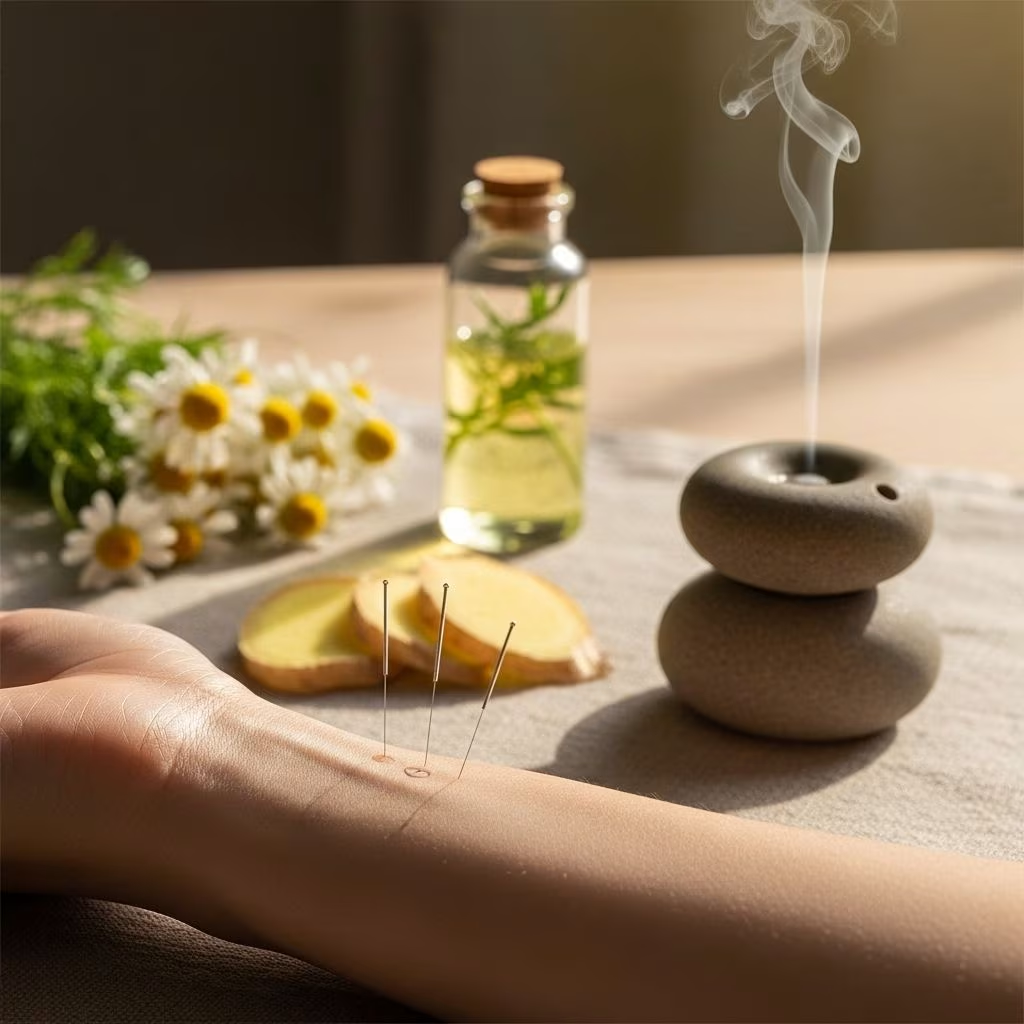
Understanding PMS: Causes, Symptoms, and Conventional Approaches
Premenstrual Syndrome (PMS) affects up to 90% of menstruating women worldwide, leading to physical, emotional, and behavioral symptoms that can disrupt daily life. These symptoms typically appear during the luteal phase (the days leading up to menstruation) and may include bloating, cramps, irritability, fatigue, headaches, and mood swings. For some, symptoms are so severe they hinder work, social engagement, and quality of life.
While the precise cause of PMS is not fully understood, hormone fluctuations (especially estrogen and progesterone), neurotransmitter shifts (like serotonin), and lifestyle factors all contribute. Conventional approaches to PMS management often involve over-the-counter pain medications, oral contraceptives, antidepressants, and lifestyle modifications. However, these methods may not address the root imbalance and can carry unwanted side effects for some women.
Acupuncture: A Natural and Holistic PMS Solution
Acupuncture, an essential component of Traditional Chinese Medicine (TCM), is increasingly sought after as a natural alternative to manage PMS symptoms. The technique involves inserting fine needles into specific points on the body called acupoints to correct internal imbalances, stimulate self-healing, and restore harmony among organ systems. At its core, acupuncture aims to address the underlying causes of PMS, not just temporary symptom relief.
- Hormonal regulation: Acupuncture may help stabilize hormone levels, particularly estrogen and progesterone, throughout the menstrual cycle.
- Improved circulation: Enhanced blood and energy flow ease muscle tension, reduce cramping, and promote menstrual regularity.
- Mood stabilization: Acupuncture can calm the nervous system, supporting improved mood and decreasing anxiety or irritability.
- Pain reduction: Endorphin release during treatment may reduce sensitivity to pain, alleviating headaches and menstrual discomfort.
Traditional Chinese Medicine Perspective on PMS
TCM interprets PMS as a manifestation of disharmony or stagnation within the body’s vital energies, especially Qi (energy) and Blood. Most commonly, PMS arises from a blockage or stagnation in the Liver channel, but the Kidneys and Spleen are also implicated. According to TCM:
- Liver Qi stagnation leads to irritability, moodiness, breast tenderness, and menstrual cramps.
- Spleen Qi deficiency may manifest as bloating, fatigue, or digestive discomfort.
- Kidney imbalances are linked to lower back pain, poor sleep, and changes in libido.
Rather than treating isolated symptoms, TCM practitioners develop personalized, root-cause-focused acupuncture treatment plans to restore the natural flow of energy and balance hormone function.
Scientific Evidence and Effectiveness of Acupuncture for PMS
Contemporary research supports acupuncture’s benefits for PMS. Numerous clinical studies have demonstrated substantial reduction in PMS symptoms among participants receiving acupuncture compared to those receiving placebo or standard care. Key findings from scientific literature include:
- Studies revealed up to a 77.8% reduction in symptoms for those treated with acupuncture, compared to only 5.9% in placebo groups.
- Acupuncture has been shown to reduce both the physical symptoms (pain, bloating, breast tenderness) and emotional symptoms (mood swings, anxiety, irritability) of PMS. Side effects are minimal to nonexistent.
- Acupuncture appears to activate the body’s own healing mechanisms, promoting balance by stimulating the nervous, endocrine, and immune systems.
Ongoing research continues to clarify the mechanisms at play, with evidence suggesting that acupuncture’s anti-inflammatory and stress-modulating effects may play pivotal roles in PMS symptom improvement.
Herbal Medicine and Nutritional Support for PMS
Alongside acupuncture, TCM practitioners often recommend herbal remedies and nutritional adjustments. Customized herbal formulas may be prescribed in the form of teas, tinctures, or capsules, with plants selected to address individual patterns of disharmony. Commonly used herbs include:
- Chai Hu (Bupleurum): Promotes liver Qi movement, easing mood swings and irritability.
- Dang Gui (Angelica sinensis): Nourishes blood, relieves cramps, and supports menstrual health.
- Bai Shao (White Peony Root): Soothes pain and harmonizes the menstrual cycle.
A balanced diet rich in whole foods, leafy greens, lean proteins, and healthy fats underpins effective PMS management. Avoiding processed foods, reducing caffeine, and staying hydrated can also lessen symptom severity. Women are encouraged to integrate gentle movement (like yoga or walking) and stress management techniques for optimal outcomes.
What to Expect During Acupuncture Treatment for PMS
Each woman’s experience with acupuncture is unique and customized to her specific symptoms, cycle patterns, and constitution. An initial evaluation often covers menstrual history, lifestyle, stressors, and coexisting health issues. Based on this, a tailored treatment plan is created.
Recommended Treatment Schedule: Weekly or bi-monthly acupuncture sessions are commonly suggested, especially in the two weeks before menstruation, for approximately three months. Many women begin to notice relief within the first month, but consistent sessions help consolidate and maintain improvements by targeting deeper patterns of imbalance.
- Acupuncture sessions are typically relaxing and conducted in a serene clinic environment.
- Very fine needles are inserted into specific acupoints, often on the abdomen, legs, arms, or back.
- Sessions last 30–45 minutes. Most patients describe sensations as tingling, warmth, or pressure rather than pain.
Your acupuncturist may also offer guidance on self-care between treatments, such as specific herbal teas, warm compresses, or gentle massage techniques for the lower abdomen and breasts to promote circulation and comfort at home.
Integrative Strategies: Combining Acupuncture with Lifestyle Modifications
For the best results, acupuncture is most effective when part of a comprehensive, individualized plan. TCM providers often recommend integrating the following holistic strategies into daily life:
- Stress management: Mindfulness, meditation, or breathing exercises help regulate mood and support hormonal balance.
- Consistent sleep schedule: Quality rest enhances the body’s ability to repair and recalibrate hormones.
- Physical activity: Gentle exercise such as yoga, tai chi, walking, or swimming aids circulation, reduces tension, and boosts mood.
- Limiting caffeine, alcohol, and sugars, which can exacerbate PMS symptoms.
Emphasizing communication and collaboration, practitioners at clinics like Phoenix Rising Acupuncture provide ongoing support, creating a healing partnership tailored to each woman’s needs.
PMS and the Role of Personalized Care at Acupuncture Clinics
Successful PMS management through acupuncture relies on respectful, client-centered care. Leading clinics prioritize building trust, creating a compassionate environment, and devoting time to understand each woman’s unique circumstances. This approach ensures:
- Thorough assessment of physical, emotional, and lifestyle factors.
- Integration of acupuncture, herbal recommendations, and self-care education.
- Accessible, ongoing support to adjust treatment as symptoms improve.
Women who receive acupuncture often report not only decreased PMS symptoms, but also improved sleep, energy, digestion, and overall sense of well-being.
The Advantages of Natural PMS Remedies
Compared to conventional medication-based approaches, acupuncture and natural remedies may offer several distinct advantages:
| Method | Potential Benefits | Considerations |
|---|---|---|
| Acupuncture & Herbal Remedies |
|
|
| Conventional Medications |
|
|
Frequently Asked Questions (FAQs) About Acupuncture for PMS
Q: How soon will I feel relief after beginning acupuncture treatment?
A: While some women notice improvement after the first or second session, most benefit from a series of treatments over 2–3 cycles for significant, lasting results.
Q: Is acupuncture safe? Are there any side effects?
A: Acupuncture, when performed by a licensed practitioner, is considered very safe. Side effects are rare and usually mild (such as minor bruising or temporary fatigue).
Q: Can acupuncture help with severe PMS or PMDD?
A: Yes. Acupuncture is effective for both moderate and severe PMS, as well as premenstrual dysphoric disorder (PMDD), especially when combined with comprehensive lifestyle and herbal support.
Q: Will acupuncture interfere with my current medications or medical treatments?
A: Typically, acupuncture can be used alongside other treatments. Always inform your practitioner about all medications and supplements you’re taking.
Q: Are herbal remedies safe for everyone?
A: Herbal formulas are tailored to the individual. Discuss allergies, medications, and medical history with your practitioner to ensure safety and efficacy.
Taking the Next Step: Your Journey Toward PMS Relief
If PMS symptoms are affecting your quality of life, acupuncture and natural therapies may offer a gentle, effective, and holistic path to lasting relief. Through individualized care, mindful lifestyle adjustments, and ongoing support, women can restore hormonal harmony and embrace each menstrual cycle with greater comfort and resilience. It is wise to consult with a licensed acupuncturist or integrative health provider to discuss your specific needs and the best approach for your healing journey.
References
- https://accurateacupunctureaz.com/treatment/pms/
- https://www.mindbody7.com/news/2019-3-29-pms-and-tcm/
- https://risingphoenixacupuncture.com/about/
- https://www.flphoenixrisingacu.com
- https://phoenixrisingacu.com/acupuncture-for-pms/
- https://www.flphoenixrisingacu.com/tampa-acupuncture-conditions-treated
- https://phoenixrisingacu.com/specialties
- https://risingphoenixacupuncture.com/what-we-heal/


