


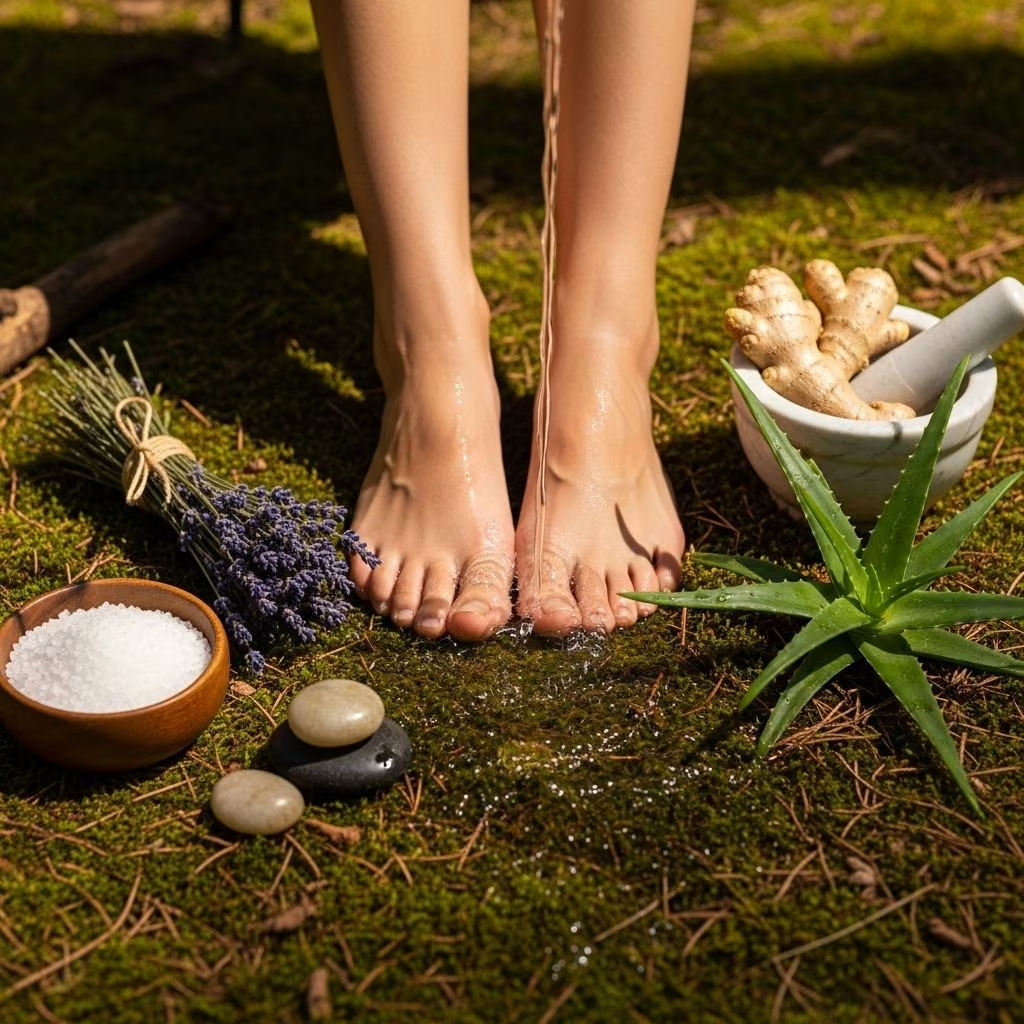
Natural Remedies for Foot Pain: Holistic Relief Strategies and Prevention
Foot pain is an increasingly common complaint, affecting millions worldwide. Whether caused by daily wear and tear, poor footwear, injury, or chronic conditions like plantar fasciitis, aching feet can impede mobility and diminish overall quality of life. Fortunately, a holistic approach incorporating natural remedies, physical self-care, herbal treatments, and preventative strategies offers lasting relief without resorting immediately to pharmaceuticals or invasive procedures. This comprehensive guide explores effective, evidence-based methods to alleviate and prevent foot pain naturally.
Understanding Foot Pain: Common Causes and Symptoms
The feet are complex structures, comprising 26 bones, over 100 muscles, tendons, and ligaments, and numerous joints. They bear the weight of the body daily and enable mobility, balance, and posture. Consequently, the feet are vulnerable to various sources of discomfort:
- Overuse or repetitive stress – prolonged standing, high-impact activities, and walking on hard surfaces
- Improper footwear – shoes lacking arch support, cushioning, or correct fit
- Structural imbalances – flat feet, high arches, or bunions
- Inflammatory conditions – including plantar fasciitis, arthritis, or tendonitis
- Injury and trauma – sprains, strains, or fractures
Common symptoms include aching, throbbing, swelling, stiffness, numbness, or burning sensations. Identifying the root cause is essential for selecting appropriate remedies.
Natural Remedies for Foot Pain Relief
Nature offers several proven methods for reducing foot pain and inflammation, promoting recovery, and restoring comfort. The following approaches combine herbal therapies, self-care rituals, and lifestyle adjustments.
1. Soothing Herbal Foot Soaks
Foot soaks are an ancient remedy for sore, swollen, or fatigued feet. They harness the healing properties of warm water and medicinal herbs to relax muscles, soften skin, and draw out tension.
- Epsom Salt Soak: Dissolve 1 cup of Epsom salt in warm water and soak feet for 15–20 minutes. Epsom salt, rich in magnesium sulfate, is renowned for reducing inflammation, alleviating muscle soreness, and promoting relaxation.
- Herbal Infusions: Add dried lavender, chamomile, arnica, or calendula flowers to your foot bath for enhanced anti-inflammatory and soothing effects. These botanicals calm irritation and help heal minor wounds.
- Apple Cider Vinegar: Mix 1/4 cup of apple cider vinegar in warm water. This common pantry ingredient can ease aches and regulate the skin’s pH, supporting overall foot hygiene.
Caution: Ensure water is not too hot and test for allergies or skin sensitivity before using herbal soaks.
2. Hot and Cold Therapy
Alternating heat and cold is a straightforward, effective technique for controlling foot pain and swelling:
- Hot Therapy: Warm water baths or heating pads help enhance blood flow, loosen tight muscles, and provide comfort for chronic soreness.
- Cold Therapy: Apply a cold pack, bag of ice, or chilled water bottle (wrapped in a towel) for 10–15 minutes to reduce acute pain, swelling, or inflammation. Rolling a frozen bottle under the arch is particularly useful for plantar fasciitis.
Use cold for new or sharp injuries, and heat for general, ongoing discomfort or muscle tension. Always consult a healthcare provider if you have poor circulation or neuropathy.
3. Foot Massage and Trigger Point Release
Regular foot massage increases circulation, relaxes muscles, and relieves tension. Gentle kneading or pressing with the thumbs along the heel, arch, and ball of the foot can break up adhesions, ease knots, and address trigger points responsible for radiating pain. Massaging with essential oils such as peppermint, eucalyptus, or arnica oil provides added anti-inflammatory benefits.
- Use a tennis ball or golf ball beneath your foot, rolling it back and forth to gently massage the plantar fascia and arch.
- Apply moderate pressure from the heel toward the toes for two to three minutes on each foot.
Massage should feel comfortable—avoid excessive force and stop if you experience sharp or worsening pain.
4. Gentle Stretching and Strengthening Exercises
Tight muscles and imbalanced foot mechanics are common contributors to discomfort. Daily stretching and strengthening can increase flexibility, correct posture, and prevent reinjury.
- Toe Curl: Place a towel on the floor and use your toes to grip and scrunch it toward you. This strengthens the small intrinsic muscles of the foot.
- Marble Pickups: Place marbles on the floor and pick them up with your toes to improve dexterity and balance.
- Calf and Plantar Fascia Stretch: Stand near a wall, step one foot back, and push into the wall with your hands for a deep calf stretch. Hold 10–30 seconds per leg. Roll your foot over a frozen water bottle to simultaneously stretch and ice the plantar fascia.
- Ankle Circles and Towel Stretch: While seated, rotate ankles in slow, controlled circles to maintain mobility. To stretch the bottom of the foot and Achilles tendon, loop a towel around the ball of your foot and gently pull back for 20 seconds per side.
Perform these exercises consistently, ideally after bathing or soaking, when soft tissues are most pliable. Avoid rushing movements or overstretching.
5. Topical Herbal Remedies
The skin readily absorbs natural analgesics and anti-inflammatory agents when applied locally. Herbal balms, ointments, and oils can provide immediate, targeted relief.
- Cayenne (Capsaicin) Cream: Contains compounds that desensitize pain receptors and improve blood flow. Apply a small amount to the affected area, avoiding contact with mucous membranes and open wounds.
- Arnica Gel or Salve: Derived from the arnica flower, this topical is widely used to reduce bruising, soreness, and swelling.
- Menthol and Camphor Ointments: Provide a cooling, numbing effect and can ease muscular or nerve-related discomfort. Popular in many over-the-counter and herbal foot balms.
Conduct a patch test with all new products to avoid allergic reactions or irritation.
6. Over-the-Counter Support Products
- Soft Insoles: Help cushion and redistribute weight to ease pressure points. Invest in insoles designed for your foot shape or specific pain type.
- Toe Separators: Assist with alignment and reduce friction between toes if suffering from corns, calluses, or bunions.
- Pain-relieving Gels and Creams: Non-prescription topicals containing NSAIDs or herbal agents can provide short-term comfort. Always follow package instructions and consult with a healthcare professional if symptoms persist.
Prevention and Lifestyle Modifications
Integrating the following habits minimizes your risk for future foot discomfort and maximizes overall foot health:
- Choose the Right Footwear: Opt for shoes that offer ample arch support, cushioning, and space for toes. Replace overly worn shoes and rotate footwear regularly to reduce repetitive stress.
- Maintain Healthy Body Weight: Excess weight increases stress on the feet and joints, especially the arches and heels.
- Take Activity Breaks: If your lifestyle involves extensive standing or walking, schedule periodic breaks to sit, stretch, and give your feet a rest.
- Elevate Legs: Raise your feet to hip level or higher at the end of a long day to aid venous return and decrease swelling.
- Practice Daily Hygiene: Keep feet clean and dry, especially between toes, and inspect daily for blisters, cuts, or infections.
When to Seek Professional Help
Natural remedies are effective for most minor aches, overuse soreness, or mild inflammatory symptoms. However, consult a healthcare provider or podiatrist if you encounter:
- Severe, persistent, or worsening pain
- Visible deformities, deep cuts, or signs of infection (redness, pus, odor)
- Numbness, tingling, or loss of function
- Sudden swelling, bruising, or inability to bear weight
Chronic or recurring foot pain may signal underlying conditions requiring specialized evaluation and management.
Holistic Herbal Foot Soak Recipes
Below are a few time-tested recipes for DIY herbal foot soaks that combine essential minerals and botanicals for natural benefit:
| Soak Type | Ingredients | Therapeutic Effects |
|---|---|---|
| Epsom & Lavender Relaxation | 1 cup Epsom salt, 1/2 cup dried lavender, 10 drops lavender essential oil | Relieves tension, reduces swelling, supports calmness |
| Anti-Inflammatory Herbal Blend | 1/2 cup Epsom salt, 1/4 cup dried arnica, 1/4 cup calendula | Alleviates inflammation, promotes tissue repair |
| Detoxifying Vinegar & Sage | 1/4 cup apple cider vinegar, 2 tbsp sea salt, 1/4 cup dried sage | Improves circulation, balances pH, reduces odor |
| Cooling Peppermint Reviver | 1 cup Epsom salt, 2 tsp dried peppermint, 6 drops peppermint oil | Soothes burning feet, invigorates and cools |
Prepare by adding the ingredients to a basin of warm water, soaking feet for 15–20 minutes, and gently patting dry afterwards.
Frequently Asked Questions (FAQs) about Natural Foot Pain Relief
Q: Can I use natural remedies if I have diabetes or neuropathy?
A: People with diabetes or neuropathy must exercise caution with all remedies, especially soaks, heat, and topical applications. Always consult your healthcare provider before beginning any self-care routine to avoid burns, wounds, or infection.
Q: How often should I do foot soaks or massages for pain relief?
A: Foot soaks can be performed several times per week, particularly after long periods of standing or intense activity. Massage and stretching may be done daily as part of a regular foot care regime, stopping if any technique causes discomfort.
Q: Are herbal foot remedies safe for sensitive skin?
A: Most herbal soaks and ointments are gentle, but always perform a patch test first by applying a small amount to a discreet area. If redness, itching, or irritation occurs, discontinue use and try a different approach.
Q: Can lifestyle changes truly prevent foot pain?
A: Yes. Supportive footwear, regular stretching, weight management, and self-care rituals significantly lower your risk of both acute and chronic foot pain.
Q: Is ice or heat better for sore feet?
A: Ice is best for recent injuries, sharp pain, or swelling, while heat soothes chronic tension, stiffness, and general soreness. Alternating between both is often most effective, depending on your symptoms.
Conclusion
Natural remedies for foot pain are abundant and accessible, combining time-tested ingredients with thoughtful self-care. By taking a proactive and holistic approach—balancing herbal soaks, gentle exercise, mindful footwear choices, and daily preventative habits—you can successfully manage discomfort and enhance overall wellness. Listen to your body, honor its needs, and seek professional medical advice if your symptoms persist or worsen. Taking care of your feet ensures a strong foundation for all aspects of life.
References
- https://www.healthline.com/health/sore-feet-remedies
- https://posturepodiatry.com.au/say-goodbye-to-sore-feet-10-ways-to-relieve-foot-pain/
- https://www.hcahoustonhealthcare.com/healthy-living/blog/plantar-fasciitis-treatment-at-home-6-remedies-to-try-today
- https://www.youtube.com/watch?v=vNHOj3ubzbs
- https://my.clevelandclinic.org/health/symptoms/foot-pain
- https://feetforlife.com/at-home-remedies-for-common-foot-problem/
- https://orthotoc.com/plantar-fasciitis-natural-remedies/
- https://tohealthyfeet.com/blog/6+Ways+to+Treat+Your+Chronic+Heel+Pain+At+Home/49
- https://www.medicalnewstoday.com/articles/sore-feet-remedies


