


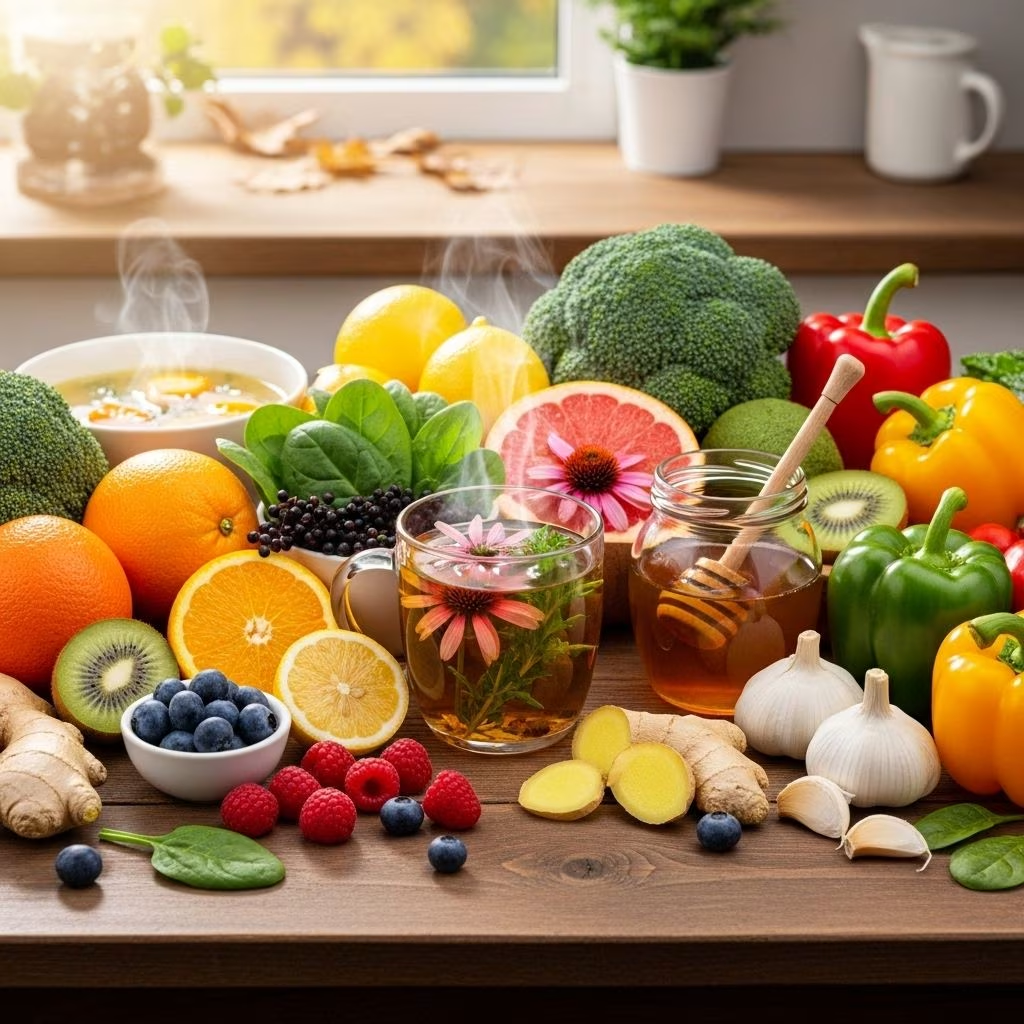
How to Boost Your Immune System Naturally During Cold and Flu Season
Each year as temperatures drop and days grow shorter, cold and flu season brings an increased risk of viral infections. While it’s impossible to avoid exposure entirely, strengthening your immune system can help your body defend itself and recover faster from seasonal illnesses. This comprehensive guide explores evidence-based methods to support immunity, practical life habits, and nutritional choices for optimal health throughout fall and winter.
Understanding Your Immune System
The immune system is a complex network of cells, tissues, and organs that work together to guard the body against harmful pathogens. Influenced by age, genetics, nutrition, stress, and lifestyle, your immunity adapts continuously to environmental threats. By cultivating healthy habits, you can reinforce your body’s natural lines of defense during peak viral seasons.
Get Your Annual Flu Shot
Vaccination remains the single most effective way to protect against influenza. The flu vaccine is updated annually to target the strains most likely to circulate and is especially recommended for older adults, individuals with chronic conditions, and caregivers. Early immunization before flu season peaks can significantly reduce illness risk and severity.
- Prevents severe flu complications
- Helps lower overall community transmission
- Recommended for children, seniors, and vulnerable groups
While vaccines provide targeted protection, supporting healthy immune function can lessen recovery time and decrease susceptibility to both colds and flu.
Natural Ways to Boost Your Immune Defenses
Eat Nutritious, Immune-Boosting Foods
Nutrition serves as the foundation of immune health. Consuming a variety of whole foods rich in essential vitamins, minerals, and antioxidants strengthens your body’s ability to combat pathogens. Focus on these dietary strategies:
- Fruits and vegetables: Aim for 5–9 servings daily. Citrus fruits, berries, peppers, mangos, carrots, spinach, and sweet potatoes are packed with vitamins A, C, and beta-carotene.
- Whole grains and lean proteins: Chicken, fish, beans, lentils, and tofu provide amino acids necessary for antibody production.
- Nuts and seeds: Almonds, sunflower seeds, and pumpkin seeds provide vitamin E and zinc, potent antioxidants critical for immune function.
- Probiotic-rich foods: Yogurt, kefir, sauerkraut, kimchi, and other fermented products contain beneficial bacteria that support gut-driven immune activity.
| Food | Primary Nutrient | Immune Benefits |
|---|---|---|
| Oranges, grapefruits, berries | Vitamin C | Supports cellular immune response |
| Bell peppers, kiwi | Vitamin C | Antioxidant protection |
| Spinach, kale | Vitamin E, folate | Reduces inflammation, boosts immune function |
| Sweet potatoes, carrots | Beta-carotene (Vitamin A) | Helps maintain integrity of mucosal barriers |
| Yogurt, kefir | Probiotics | Enhances gut immunity |
| Almonds, seeds | Vitamin E, zinc | Antioxidant defense, cellular repair |
Tips:
- Eat the rainbow — include a variety of colors and types of produce.
- Limit processed foods and excess sugars, which may undermine immune activity.
- Cook with garlic, ginger, turmeric, and other flavorful spices known for anti-inflammatory effects.
Stay Hydrated
Proper hydration is essential for health and immunity. Water aids in digestive function, nutrient absorption, and flushing toxins. Aim for at least 8 glasses of fluids daily. Herbal teas, low-sodium broths, and water-rich fruits can supplement hydration needs.
- Carry a reusable water bottle to encourage regular sipping.
- Monitor signs of dehydration such as fatigue, dark urine, or dizziness.
- Avoid excessive caffeine or sugary drinks, which may promote dehydration.
Get Adequate Sleep
Sleep is a crucial modulator of immune response. Poor sleep quality increases vulnerability to viral infections. Adults should aim for 7–9 hours nightly, while children and teens require up to 14 hours depending on age.
- Create a sleep-friendly environment (cool, dark, quiet, screen-free).
- Stick to a regular bedtime and wake schedule, even on weekends.
- Limit caffeine and heavy meals close to bedtime.
Stay Physically Active
Moderate exercise boosts circulation and immune efficiency. Activities like brisk walking, cycling, swimming, yoga, or stretching are recommended for at least 150 minutes per week. Physical activity also supports stress reduction, weight control, and overall well-being.
- Avoid overtraining, which can temporarily suppress immune function.
- Include strength-building exercises to promote healthy muscle and metabolic activity.
- Use movement breaks during sedentary work or study periods.
Manage Stress Effectively
Chronic stress can impair immune defenses. Stress hormones like cortisol hinder the body’s ability to fight infection. Incorporate relaxation techniques to help regulate your stress response:
- Meditation or mindfulness practice
- Journaling, creative arts, or calming hobbies
- Listening to music or spending time in nature
- Yoga, gentle stretching, or breathing exercises
Physical activity itself is also an effective tool for coping with stress and lowering immune-suppressing inflammation.
Support Gut Health
Gut health is closely tied to immune function, as much of your immune response originates in the digestive tract. Probiotic and prebiotic foods, such as yogurt, sauerkraut, miso, and fiber-rich vegetables, can enhance the gut’s ability to fend off pathogens.
Consider periodic use of high-quality probiotic supplements with medical advice, especially after antibiotic treatment.
Consider Vitamins and Supplements Responsibly
While natural foods provide optimal nutrition, some individuals may benefit from supplemental support. Common immune-boosting vitamins and minerals include:
- Vitamin D: Especially useful in colder months with limited sunlight; may prevent respiratory infections.
- Vitamin C: Known for antioxidant properties and supporting immune cell function.
- Zinc: Essential for immune cell development and function.
- Vitamin E and B6: Both contribute to healthy immune responses.
Always consult with a healthcare provider before starting new supplements to ensure safety and appropriate dosage, especially for children, seniors, and those with medical conditions.
Practice Good Hygiene and Healthy Habits
Germ prevention is a cornerstone of immune protection. Simple hygiene habits reduce exposure to contagious viruses and bacteria:
- Wash hands thoroughly with soap and water, especially before eating and after public contact.
- Sanitize frequently touched objects and surfaces (doorknobs, phones, etc.).
- Cover coughs and sneezes with a tissue or elbow; discard tissues immediately.
- Avoid close contact with sick individuals.
Proper food safety practices, including washing produce and utensils, further minimize the risk of gastrointestinal infections.
Special Considerations for Seniors and At-Risk Groups
As people age, immune response naturally decreases. Seniors, pregnant women, and those with chronic illnesses should prioritize:
- Annual vaccines (including pneumonia if recommended)
- Balanced nutrition with higher protein and key micronutrients
- Regular physical activity, tailored for mobility and safety
- Integrated stress management practices
- Routine medical checkups to monitor health status
Frequently Asked Questions (FAQs)
Q: Does taking extra vitamin C prevent colds or flu?
A: While vitamin C is essential for immune health, taking high doses does not guarantee prevention. A balanced diet with adequate vitamin C from foods is recommended. Supplements may shorten the duration of symptoms but are not a substitute for healthy habits.
Q: How much sleep do I really need to keep my immune system strong?
A: Adults should aim for 7–9 hours nightly; children and teens often require more. Sleep deprivation can impair immune cell activity and increase vulnerability to viral infections.
Q: Are there any foods I should avoid during cold and flu season?
A: Limit excessive sugar, processed foods, and alcohol, which can suppress immune function and increase inflammation. Choose wholesome, nutrient-dense options whenever possible.
Q: Will exercise make me less likely to catch a cold?
A: Yes. Regular moderate exercise stimulates immune cell circulation and response. However, excessive intense exercise may temporarily weaken immunity, so balance is key.
Q: Can stress really impact my immune system?
A: Absolutely. Chronic stress releases hormones that may suppress immune function, making stress reduction techniques an important part of your health strategy.
Summary Table: Core Strategies for Boosting Immunity
| Strategy | Benefits | Example Actions |
|---|---|---|
| Nutritious Diet | Provides key vitamins & minerals, antioxidant defense | Eat citrus, berries, peppers, yogurt, lean proteins |
| Hydration | Supports digestion, toxin removal, and immune cell function | Drink 8+ cups water, herbal teas, broths |
| Sleep | Regulates immune cell activity and repair processes | Maintain consistent sleep cycle, create sleep-friendly environment |
| Physical Activity | Enhances circulation, lowers stress hormones | 150 mins/week moderate exercise, daily walks or stretching |
| Stress Management | Reduces cortisol, boosts immune cell efficiency | Meditation, journaling, creative hobbies, nature time |
| Hygiene | Prevents transmission of viruses and bacteria | Hand-washing, sanitizing, safe food prep |
| Probiotics/Prebiotics | Improves gut-driven immune responses | Yogurt, sauerkraut, fiber-rich veggies |
| Vitamins/Supplements | May fill nutritional gaps in diet | Vitamin D, C, zinc, with medical advice |
Actionable Tips for the Season
- Get vaccinated early to maximize protection.
- Stock your kitchen with immune-supporting foods for easy access.
- Establish healthy routines around sleep, exercise, and stress management.
- Keep hand sanitizer and tissues handy, especially when in public spaces.
- Monitor your wellness throughout the season and seek medical advice promptly if symptoms arise.
By combining these natural strategies with medical guidance and common-sense precautions, you can empower your body’s defenses before and during cold and flu season. Healthy habits are a year-round investment toward stronger immunity and wellbeing.
References
- https://www.mcmasteroptimalaging.org/hitting-the-headlines/detail/hitting-the-headlines/2025/10/15/how-to-stay-healthy-and-boost-your-immune-system-during-cold—flu-season
- https://www.inspirahealthnetwork.org/news/healthy-living/6-ways-boost-your-immune-system-flu-season
- https://www.geisinger.org/health-and-wellness/wellness-articles/2025/09/15/20/00/6-foods-to-boost-your-immune-system
- https://www.bswhealth.com/blog/5-ways-to-boost-your-immune-system-for-flu-season
- https://www.mayoclinichealthsystem.org/hometown-health/speaking-of-health/fight-off-the-flu-with-nutrients
- https://www.franciscanhealth.org/community/blog/super-foods-immune-system
- https://www.utphysicians.com/boost-immune-system-before-flu-season/
- https://www.brownhealth.org/be-well/foods-boost-your-immune-system
- https://blog.ochsner.org/articles/best-ways-to-boost-your-immune-system-during-flu-season/


