


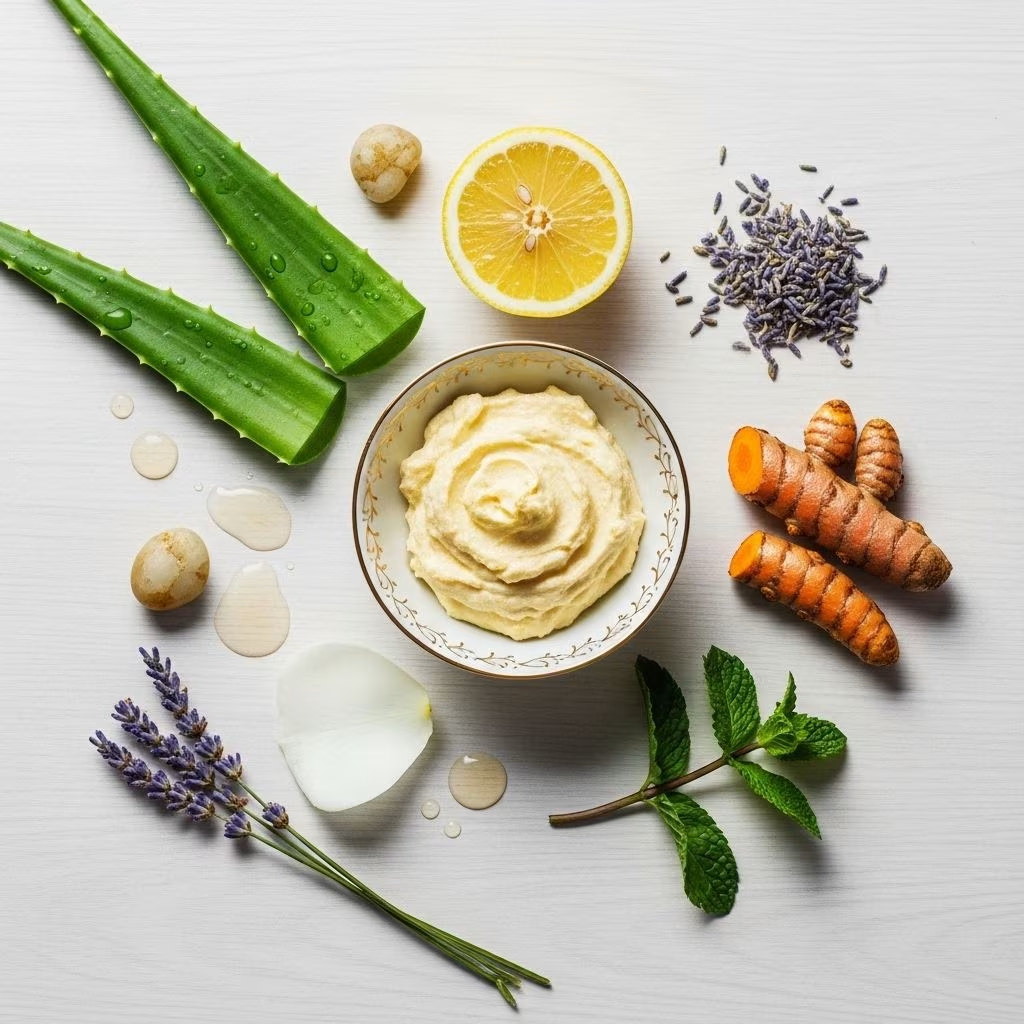
Natural Remedies for Melasma and Hyperpigmentation
Melasma and hyperpigmentation are common skin concerns that cause dark patches and uneven skin tone, often on the face. These conditions can be persistent, challenging to treat, and emotionally distressing. While clinical treatments exist, many individuals seek gentle, natural approaches as alternatives or complements to medical therapy. This guide explores a variety of holistic remedies and lifestyle strategies to help fade melasma and hyperpigmentation safely and naturally.
Understanding Melasma and Hyperpigmentation
Melasma is a type of hyperpigmentation that presents as brown or gray-brown patches, commonly appearing on the cheeks, forehead, upper lip, and chin. It is most prevalent in women and is often linked to hormonal changes (such as pregnancy or oral contraceptive use), genetics, and sun exposure. Hyperpigmentation refers broadly to any darkening of the skin, affecting small or large areas, and may stem from inflammation, acne, aging, or excessive sun exposure.
- Melasma commonly appears: on the cheeks, bridge of the nose, forehead, chin, and above the upper lip
- Hyperpigmentation triggers: sun damage, hormonal changes, genetics, skin injury, and inflammation
The best results typically come from combining natural remedies with diligent sun protection and healthy skin habits. Before using any new remedy, always perform a patch test to avoid irritation.
Natural Remedies to Address Melasma and Hyperpigmentation
A variety of plant-based treatments and household ingredients show promise for soothing skin and fading dark spots. These remedies may support skin healing, brighten complexion, and reduce visible pigmentation with consistent use.
Aloe Vera
Aloe vera is widely recognized for its soothing and reparative benefits. It contains aloin and aloesin, compounds demonstrated in some studies to inhibit melanin production and gradually lighten hyperpigmented skin.
- Apply a thin layer of fresh aloe vera gel to dark patches each night. Rinse in the morning. Repeat daily for several weeks.
- For added benefit, incorporate aloe vera juice into your diet for enhanced skin support.
Turmeric and Milk
Turmeric‘s active compound, curcumin, offers potent anti-inflammatory and antioxidant properties which help diminish pigmentation. Mixing turmeric and milk forms a gentle, nourishing paste.
- Mix 1 tsp turmeric powder with enough milk (or yogurt) to make a thick paste.
- Apply the mixture to hyperpigmented areas, leaving it on for 15-20 minutes, then rinse with lukewarm water.
- Repeat 2-3 times weekly for brighter, more even-toned skin.
Red Lentils (Masoor Dal)
Rich in antioxidants, red lentils help combat oxidative stress that worsens pigmentation.
- Soak red lentils overnight. Blend into a fine paste.
- Apply to affected skin for 20 minutes, then rinse.
- Regular use can help clarify and brighten the complexion.
Apple Cider Vinegar (ACV)
Apple cider vinegar has natural acetic acid, which may brighten skin and gently exfoliate excess pigment.
- Mix equal parts ACV and filtered water. Using a cotton ball, dab the mixture onto dark spots.
- Leave on for 5-10 minutes, then rinse thoroughly.
- Use once daily, always dilute properly to prevent irritation.
Tomato Paste
Tomato paste is high in lycopene, a powerful antioxidant that can protect skin from photoaging and lighten discolored patches.
- Mix tomato paste with a few drops of olive oil and apply as a mask 2-3 times per week.
- Allow to sit for 15-20 minutes before rinsing off.
Parsley Tea
Parsley contains antioxidants and vitamin C, which can soothe inflammation and help fade hyperpigmented areas.
- Brew a strong parsley tea and allow it to cool.
- Apply with a cotton pad to affected skin daily or use as a facial rinse.
Green Tea Extract
Abundant in polyphenols, green tea extract combats free radical damage and inhibits melanin production.
- Brew green tea, cool, and apply with a cotton pad to dark patches.
- For targeted treatment, use serums or creams containing standardized green tea extract.
Lemon Juice and Honey Mask
Lemon juice contains citric acid that offers mild bleaching action and honey soothes and hydrates the skin. Use with caution—lemon juice can sometimes sensitize the skin, especially in sunlight.
- Mix equal parts lemon juice and honey, apply to pigmentation for 10-15 minutes, then rinse.
- Use 1-2 times per week. Always use sunscreen, as lemon can increase photosensitivity.
Papaya Pulp
Papaya contains the enzyme papain, which naturally exfoliates and brightens discolored skin.
- Mash ripe papaya and apply the pulp directly to affected areas for 15–20 minutes weekly.
Vitamin C Serum
Vitamin C is a well-established skin brightener and antioxidant, effective for fading dark spots with consistent topical use.
- Apply a Vitamin C serum (look for L-ascorbic acid) to freshly cleansed skin once daily.
Cucumber Juice
Cucumber is hydrating and soothing, making it ideal for calming inflamed skin and reducing dark spots.
- Apply freshly blended cucumber juice to the skin for 15 minutes; rinse with cool water.
Onion Juice
Onion juice contains sulfur and vitamin C, known for their skin-brightening effects.
- Dab fresh onion juice onto affected areas for 10 minutes before rinsing. Repeat 2-3 times weekly.
Oatmeal and Milk Exfoliating Mask
A gentle oatmeal and milk mask exfoliates dead skin cells and uses lactic acid to promote healthy skin renewal.
- Combine oatmeal and milk to make a paste. Gently massage onto skin, leave for 10 minutes, then rinse. Use once a week.
Licorice Extract
Licorice extract contains glabridin, which can inhibit melanin synthesis and promote a more balanced skin tone. Look for serums or creams that highlight licorice as a main ingredient.
Lifestyle Tips for Managing and Preventing Melasma
- Sun Protection: Ultraviolet (UV) exposure is the leading trigger for melasma and worsening pigmentation. Wear a broad-spectrum sunscreen (SPF 30 or higher) every day—indoors and outdoors. Reapply every 2 hours, especially if sweating or swimming.
- Protective Clothing: Use wide-brimmed hats, sunglasses, and seek shade, particularly between 10am and 4pm.
- Gentle Skin Care: Avoid harsh scrubs or chemical exfoliants which can irritate the skin and worsen pigmentation. Use mild, fragrance-free cleansers and moisturizers.
- Hydrate Daily: Keeping the skin well-hydrated supports the skin barrier and encourages healthy cell turnover.
- Balanced Diet: Antioxidant-rich foods (berries, leafy greens, nuts) and adequate hydration help the skin heal from within.
- Hormone Management: If melasma is linked to hormone therapy or oral contraceptives, consult your healthcare provider about alternatives.
- Pigment-Friendly Cosmetics: Choose non-comedogenic, mineral-based makeup products to avoid irritation and provide added sun protection.
Tips for Safe Use of Natural Remedies
- Always patch test new treatments on a small section of skin to check for reaction.
- If you experience burning, stinging, or increased redness, discontinue use immediately.
- Consult a dermatologist before starting new ingredients—especially if you have sensitive skin or underlying conditions.
Table: Quick Reference – Natural Remedies for Melasma & Hyperpigmentation
| Remedy | Active Ingredient | Main Benefit | Frequency |
|---|---|---|---|
| Aloe Vera Gel | Aloin, Aloesin | Depigments, soothes | Daily |
| Turmeric + Milk | Curcumin, Lactic Acid | Brightens, anti-inflammatory | 2-3x/week |
| Apple Cider Vinegar | Acetic Acid | Exfoliates, lightens | 1x/day |
| Red Lentils Paste | Antioxidants | Brightens, clarifies | 2-3x/week |
| Green Tea Extract | Polyphenols | Antioxidant, prevents melanin | Daily |
| Lemon + Honey | Citric Acid, Enzymes | Lightens, moisturizes | 1-2x/week |
| Papaya Pulp | Papain | Exfoliates, brightens | Weekly |
Frequently Asked Questions (FAQs)
What causes melasma and hyperpigmentation?
Melasma results from a combination of genetic factors, hormonal changes (such as pregnancy or contraceptive use), sun exposure, and sometimes certain medications. Hyperpigmentation may also result from inflammation, skin injury, or aging.
Do natural remedies for melasma work?
Natural remedies can complement professional treatments and are often gentler on the skin. Ingredients like aloe vera, turmeric, and green tea may gradually help fade hyperpigmented patches, but consistency and patience are key. Results can vary based on skin type and severity.
Is sun protection really necessary for treating pigmentation?
Absolutely. Sun exposure is the top trigger for both melasma and post-inflammatory hyperpigmentation. Using sun protection daily is essential for both prevention and treatment.
Can diet help improve melasma?
A nutrient-rich, antioxidant-heavy diet can support overall skin healing and resilience but is unlikely to cure melasma alone. Combining a healthy diet with topical remedies and sun protection offers best results.
When should I see a dermatologist about pigmentation?
Consult a professional if home remedies cause irritation, your pigmentation rapidly changes in size or color, or you do not see improvement after several months. Some cases require prescription or in-office treatments for full resolution.
Key Takeaways
- Gentle, natural ingredients like aloe vera, turmeric, and green tea can help fade melasma and hyperpigmentation safely over time.
- Consistent sun protection—SPF, hats, and shade—is crucial to preventing and managing pigmentation.
- Avoid skin irritation with patch tests and gentle application practices. Discontinue use if redness or discomfort occurs.
- Combine topical, dietary, and lifestyle approaches for optimal skin results.
- Consult a dermatologist with persistent, severe, or changing dark spots.
References
- https://www.healthline.com/health/melasma-home-remedies
- https://honeyskincarestudio.com/how-to-cure-melasma/
- https://www.vinmec.com/eng/blog/home-remedies-for-skin-pigmentation-how-to-get-rid-of-dark-spots-en
- https://pmc.ncbi.nlm.nih.gov/articles/PMC11837239/
- https://www.ambrosiaclinic.com/10-effective-melasma-treatment-at-home/
- https://www.michelegreenmd.com/how-to-cure-melasma-from-the-inside
- https://melasmaclinic.com.au/melasma-home-remedies/
- https://www.youtube.com/watch?v=olOBEZ3gOL4
- https://www.healthline.com/health/home-remedies-for-pigmentation


