


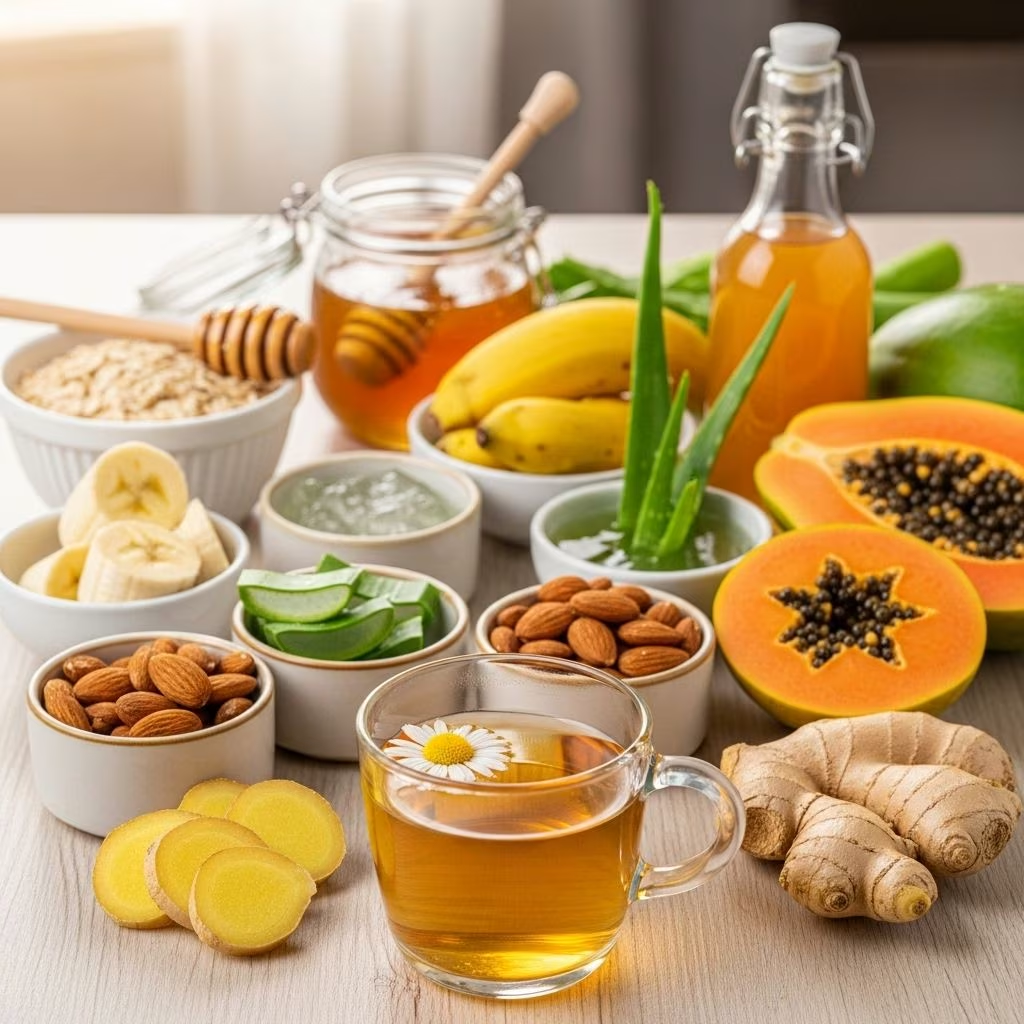
Soothe Heartburn and Acid Reflux: 10 Natural Remedies to Try Today
Acid reflux, often called heartburn, can disrupt your comfort and affect your quality of life. While there are a variety of medications available, many people seek natural remedies for relief. This article explores ten evidence-backed approaches you can try today to soothe your acid reflux symptoms—with practical lifestyle changes, dietary strategies, and herbal aids. Let’s dive in.
What is Acid Reflux?
Acid reflux occurs when stomach contents, including stomach acid, flow backward into the oesophagus. This can lead to uncomfortable symptoms such as a burning sensation in the chest (heartburn), regurgitation, bloating, and sometimes chronic cough or throat irritation.
Common causes include overeating, consuming trigger foods, lying down after eating, and weakened lower esophageal sphincter (LES) muscles. Persistent acid reflux may require medical attention, but mild cases often respond well to natural approaches.
1. Eat Small, Frequent Meals
Large meals can increase pressure on your stomach, leading to acid reflux. By opting for smaller, more frequent meals, you help prevent excessive stomach distention and minimize reflux episodes.
Try to stop eating at least 2-4 hours before bedtime to reduce nighttime symptoms.
- Helps reduce stomach pressure
- Prevents overproduction of acid
- Supports healthy digestion
2. Elevate Your Head While Sleeping
Lying flat can make it easier for stomach acid to travel up your esophagus, especially at night. Medical experts recommend raising the head of your bed by 15–20cm (6–8 inches) using a wedge pillow or bed risers.
This simple gravity-based change helps keep acid in your stomach where it belongs.
- Reduces nighttime symptoms
- Improves quality of sleep
- Can be achieved with wedges, extra pillows, or adjustable beds
3. Identify and Avoid Trigger Foods
Certain foods are notorious for provoking acid reflux. It’s crucial to identify your specific triggers, as they can vary individually. The most commonly reported offenders include:
- Spicy foods
- Tomato-based products
- Citrus fruits (e.g., oranges, lemons)
- Chocolate
- Mint
- Garlic and onions
- Fried or fatty foods
- Caffeinated beverages, alcohol, and carbonated drinks
Maintaining a food diary can help pinpoint your own triggers for more effective management.
4. Choose Acid Reflux-Fighting Foods
Some foods can naturally soothe your stomach and reduce acid production. Consider incorporating these options:
- Bananas: Low acid, alkaline, coats the esophagus and helps neutralize acid.
- Melons (cantaloupe, honeydew): Naturally low acid.
- Oatmeal: Absorbs stomach acid and provides gentle fiber.
- Green vegetables (spinach, broccoli, kale, asparagus): Low fat and sugar, anti-inflammatory.
- Lean proteins (chicken, turkey, fish): Less likely to trigger symptoms than fatty meats.
- Almonds: Rich in healthy fats, can help neutralize stomach acid.
Drinking alkaline water (pH 9.5) with meals may also help neutralize acid levels.
5. Try Ginger for Soothing Relief
Ginger is renowned for its natural anti-inflammatory and prokinetic properties, meaning it helps speed stomach emptying and soothe digestive discomfort. Studies confirm ginger can inhibit gastric acid production and provide relief from nausea associated with reflux.
Ways to use ginger:
- Brew ginger root in hot water to make ginger tea
- Add fresh ginger to meals or smoothies
- Use ginger supplements (consult a healthcare practitioner first)
6. Try Aloe Vera Juice
Aloe vera juice has a cooling, anti-inflammatory effect and can help soothe irritation along the esophagus. Always choose varieties specifically labeled for internal use.
Start with small amounts and monitor your body’s response for any digestive discomfort or laxative effect.
7. Baking Soda Solution
Baking soda (sodium bicarbonate) is a quick-acting antacid that can help neutralize stomach acid and alleviate heartburn. Mix ½ teaspoon dissolved in a glass of water and sip slowly.
However, it should only be used occasionally and not as a long-term remedy, as excessive use can lead to metabolic imbalance.
8. Apple Cider Vinegar
Some holistic practitioners recommend diluted apple cider vinegar to help balance stomach acid levels. Take one teaspoon in a glass of water before meals. It is believed to aid digestion in people with low stomach acid production.
This method is not suitable for everyone—always listen to your symptoms and consult a healthcare provider if unsure.
9. Stop Smoking and Limit Alcohol
Smoking weakens your LES (the muscle separating your stomach and esophagus) and increases acid production. Alcohol can relax the LES and irritate the esophageal lining. Quitting smoking and moderating alcohol intake are crucial for reducing acid reflux risk and promoting overall health.
- Reduces risk of chronic reflux
- Supports esophageal healing
- Improves general wellbeing
10. Manage Your Stress Levels
Chronic stress can worsen acid reflux symptoms by increasing stomach acid production and disrupting digestion. Practicing relaxation techniques can make a noticeable difference:
- Deep breathing exercises
- Meditation
- Yoga
- Regular physical activity
- Maintain a healthy work-life balance
Natural Remedies from Medicinal Plants: An Overview
| Plant-Based Remedy | Benefit for Acid Reflux |
|---|---|
| Ginger (Zingiber officinale) | Anti-inflammatory; inhibits acid production; soothes nausea |
| Licorice Root (Deglycyrrhizinated) | Inhibits gastric acid secretion; protects mucosa |
| Slippery Elm (Ulmus rubra) | Forms protective coating; soothes damaged tissues |
| Aloe Vera | Cools and heals esophageal lining |
| Baking Soda | Neutralizes acidity; fast relief |
| Apple Cider Vinegar | May balance acid in low-acid cases |
FAQs: Frequently Asked Questions
Q: Can natural remedies completely cure acid reflux?
A: While natural remedies and lifestyle changes can substantially reduce symptoms for many people, chronic or severe cases may require medical investigation or prescription medication. Always consult a healthcare provider for persistent symptoms.
Q: What food should I avoid to prevent acid reflux?
A: Common triggers include spicy foods, citrus, tomatoes, chocolate, caffeine, alcohol, carbonated drinks, garlic, and onions. It’s helpful to keep a food diary to identify your personal triggers.
Q: Is it safe to use baking soda for heartburn?
A: Baking soda is generally safe for short-term relief, but excessive use may cause side effects. Do not use it regularly without a doctor’s advice.
Q: How does sleeping position affect acid reflux?
A: Sleeping with your upper body elevated and avoiding lying down after eating can reduce nighttime reflux symptoms. Sleeping on the left side may also provide benefits for some individuals.
Q: Are herbal remedies like ginger or licorice effective?
A: Ginger and deglycyrrhizinated licorice may provide relief for mild to moderate acid reflux due to their soothing and anti-inflammatory properties. However, individual response may vary.
Additional Lifestyle Tips for Managing Acid Reflux
- Weight management: Excess weight increases abdominal pressure and reflux risk.
- Exercise regularly: Choose moderate activities (walking, cycling, yoga) over high-impact sports that jostle the stomach.
- Avoid tight clothing: Tight belts or waistbands can increase pressure on your stomach and trigger reflux.
- Hydrate: Drink water throughout the day, but avoid large volumes at once, especially during meals.
- Chew food thoroughly: Good chewing promotes digestion and prevents excess acid production.
- Avoid eating before bed: Leave plenty of time between your last meal and sleep.
When to See a Doctor
If you experience symptoms more than twice a week, trouble swallowing, unexplained weight loss, or persistent pain, contact your healthcare provider. Chronic acid reflux (GERD) can lead to complications if untreated.
Summary: Your Acid Reflux Action Plan
- Try smaller meals, raise your head while sleeping, and avoid triggers
- Incorporate reflux-friendly foods and natural remedies
- Quit smoking, moderate alcohol, and manage stress
- Consider herbal and plant-based solutions for additional relief
- Consult with health professionals for persistent or severe symptoms
Optimize Your Digestive Wellbeing—Naturally
Natural remedies for acid reflux offer gentle yet effective relief and may support your overall digestive health. Through smart choices and lifestyle adjustments, you can reclaim comfort and resiliency every day. Experiment with the solutions above and build a personalized plan.
References
- https://putnams.com/blogs/news/soothe-your-acid-reflux-10-natural-remedies-to-try-today
- https://putnams.com/blogs/news/17239393-how-to-reduce-acid-reflux-symptoms
- https://pmc.ncbi.nlm.nih.gov/articles/PMC10458865/
- https://pmc.ncbi.nlm.nih.gov/articles/PMC4928719/
- https://www.health.harvard.edu/newsletter_article/9-ways-to-relieve-acid-reflux-without-medication
- https://www.bswhealth.com/blog/7-natural-remedies-for-acid-reflux
- https://www.plantsjournal.com/archives/2021/vol9issue4/PartB/9-4-17-566.pdf
- https://wisewomanwellness.com/a-natural-approach-to-acid-reflux
- https://www.healthandcare.co.uk/sleep-better-in-summer/putnams-bed-wedge-for-acid-reflux-and-gerd.html


