


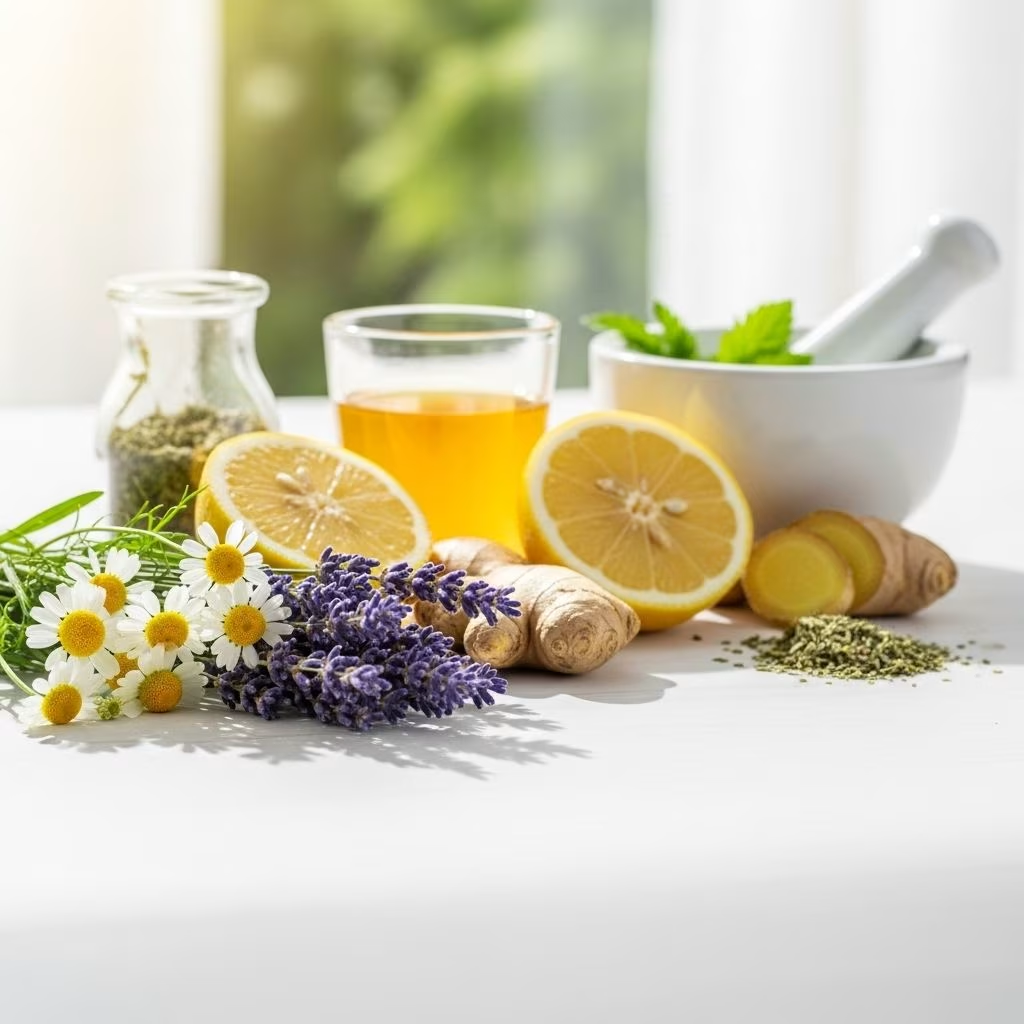
The Best Natural Remedies for Allergies
Allergies affect millions of people worldwide, leading to symptoms such as sneezing, congestion, watery eyes, itchy throat, and fatigue. While conventional medications can mask these symptoms, many individuals seek natural remedies for long-term management and reduced dependence on pharmaceuticals. This article explores the causes of allergies and offers research-backed strategies for natural relief, covering everything from dietary solutions to holistic therapies.
Understanding Allergies: Causes and Challenges
Allergies are immune system overreactions to substances typically harmless to most people. Common allergens include pollen, dust mites, pet dander, mold, insect stings, and certain foods. Upon exposure, the immune system releases histamine and other chemicals, resulting in inflammation and symptoms ranging from mild discomfort to severe reactions.
- Seasonal allergies: Triggered by pollen during spring, summer, and fall.
- Perennial allergies: Caused by dust mites, pet dander, or mold, present year-round.
- Food allergies: Affecting both children and adults, caused by specific proteins in foods.
Pharmaceuticals can temporarily suppress symptoms but often come with side effects such as drowsiness or dependency. For those seeking gentler, long-term alternatives, natural remedies offer promising avenues for relief and improved immune balance.
Why Choose Natural Allergy Remedies?
Natural treatments stand out because they:
- Strengthen the immune system to reduce sensitivity to allergens.
- Minimize unwanted side effects often associated with allergy medications.
- Address underlying causes instead of just suppressing symptoms.
- Provide holistic wellness by supporting other physiological systems.
Incorporating these remedies can help you breathe easier, enjoy daily life, and reduce dependence on prescription and over-the-counter treatments.
Top Natural Remedies for Allergy Relief
Effective natural remedies fall into several core categories: dietary changes, lifestyle modifications, supplements, and holistic therapies. Let’s examine each of these in detail.
1. Local Raw Honey
Local raw honey is a popular folk remedy based on the principle of immunotherapy. By exposing your body to trace amounts of local pollen, honey may gradually help reduce sensitivity and mitigate seasonal allergy symptoms.
- Add a teaspoon to tea, smoothies, or consume directly each day.
- Choose raw, unprocessed honey from your immediate geographic area for maximum potential benefits.
Best for: Seasonal allergies caused by airborne pollen.
2. Nasal Irrigation with Saline Rinse
Nasal irrigation involves flushing nasal passages with a saline solution using a neti pot or spray bottle. This technique clears out mucus, allergens (pollen, dust), and irritants, providing instant relief and reducing the risk of secondary infections.
- Use once or twice daily during allergy season for best results.
- Always use distilled or sterile water to avoid introducing pathogens.
Benefits:
- Immediate relief from congestion and nasal irritation
- Supports sinus and respiratory health
Best for: Nasal congestion, sinus pressure, and seasonal allergies.
3. Quercetin: The Antihistamine Bioflavonoid
Quercetin is a natural plant pigment found in many fruits and vegetables. It stabilizes mast cells and prevents the release of histamine, which triggers typical allergic reactions.
- Rich food sources: apples, onions, broccoli, dark berries, green tea, citrus fruits
- Quercetin supplements are available, but dietary sources are generally preferred for overall health
Scientific studies indicate quercetin may reduce symptoms such as sneezing, itchy eyes, and runny nose, and improve sleep quality for allergy sufferers.
Best for: Reducing allergic inflammation and overall histamine response.
4. Probiotics for Gut Health
A healthy gut microbiome is essential for optimal immune function. Probiotics support the growth of beneficial bacteria, regulate inflammation, and can lower the body’s sensitivity to allergens.
- Top probiotic food sources: yogurt with live cultures, kefir, kimchi, sauerkraut
- Probiotic supplements may also be considered
Benefits:
- Strengthens immune defenses
- Modulates allergic responses
- Improves digestive health and nutrient absorption
Best for: Enhancing immunity and reducing chronic allergic symptoms.
5. Essential Oils
Certain essential oils such as peppermint, eucalyptus, and lavender possess natural anti-inflammatory and decongestant properties.
- Peppermint oil: Relieves nasal congestion and opens airways
- Eucalyptus oil: Breaks up mucus, reduces sinus pressure
- Lavender oil: Soothes skin irritation and calms the nervous system
How to use:
- Add a few drops to a diffuser for inhalation
- Inhale steam with essential oils to directly reach nasal passages
- Add to a carrier oil (such as coconut or jojoba) and apply to the chest
Best for: Congestion, sinus discomfort, and respiratory relief.
6. Vitamin C: The Immune-Boosting Antioxidant
Vitamin C is a powerful antioxidant and natural antihistamine. Regular intake helps reduce allergy-related inflammation and enhances immune system function.
- Natural sources: citrus fruits, bell peppers, strawberries, broccoli
- Supplements: Up to 1000mg per day, but consult your physician for dosing
Research shows that vitamin C may help ease symptoms like sneezing, runny nose, and improve resilience during peak allergy seasons.
Best for: Immune strengthening and reducing allergic reactions.
7. Herbal Supplements
Certain herbal supplements have a long history of use in natural allergy management. The most prominent include:
- Butterbur (Petasites hybridus): Shown to ease nasal symptoms, congestion, and sneezing.
- Stinging nettle (Urtica dioica): Traditionally used for respiratory health; contains vitamin C, iron, antioxidants, and possesses anti-inflammatory, anti-infectious, and analgesic properties.
- Bromelain: An enzyme found in pineapple and papaya that reduces inflammation and swelling, improves breathing.
Always consult a healthcare professional before starting herbal supplements, as individual sensitivities and medication interactions may occur.
8. Acupuncture
Acupuncture is an ancient therapy involving the insertion of fine needles at specific points along the body’s energy meridians. Recent reviews suggest acupuncture can reduce nasal inflammation, improve long-term allergic symptoms, and has few side effects, though further research is warranted.
Best for: Allergic rhinitis, respiratory inflammation, and general symptom relief.
9. Hydration
Drinking plenty of water is fundamental to allergy relief. Proper hydration helps thin mucus, clear allergens from the body, and alleviate symptoms including scratchy throat and itchy eyes.
- Increase water intake during allergy season.
- Combine with nasal rinses for enhanced effect.
Best for: Reducing symptom severity and supporting overall wellness.
10. Stress Management
Stress exacerbates allergic reactions by weakening the immune system and triggering inflammatory processes.
- Practice mindfulness, meditation, and deep breathing exercises.
- Limit over-scheduling during allergy season.
- Engage in restorative activities such as yoga or nature walks.
Reducing stress enhances immune regulation and can make allergy symptoms less severe over time.
11. HEPA Filters and Allergy-Proofing Your Home
The indoor environment plays a substantial role in allergy management. High-efficiency particulate air (HEPA) filters trap airborne allergens such as pollen, dust mites, and pet dander.
- Install HEPA filters in bedrooms and common areas.
- Vacuum regularly using HEPA filter-equipped vacuums.
- Opt for natural, fragrance-free cleaning products.
Maintaining a clean space is as important as dietary and lifestyle adjustments for minimizing allergic triggers.
12. Dietary Adjustments and Foods to Avoid
Apart from consuming allergy-fighting foods, it’s equally important to avoid dietary triggers. Certain foods may provoke cross-reactive symptoms, especially in those with pollen allergies. Common culprits include peanuts, shellfish, wheat, dairy, and processed foods containing artificial additives.
- Monitor food intolerances and sensitivities.
- Opt for whole, unprocessed foods rich in antioxidants.
- Increase intake of fruits, vegetables, and plant-based nutrients.
Best for: Reducing systemic inflammation and promoting overall wellness.
Table: Natural Remedies for Allergy Relief
| Remedy | How It Works | Best For |
|---|---|---|
| Local Raw Honey | Builds resistance to local pollen | Seasonal allergies |
| Saline Nasal Irrigation | Flushes out allergens, reduces congestion | Nasal irritation, sinus pressure |
| Quercetin | Prevents histamine release | Inflammation, sneezing, runny nose |
| Probiotics | Balances gut immune response | Chronic allergies, immune support |
| Essential Oils | Reduces inflammation, opens airways | Congestion, sinus pressure |
| Vitamin C | Natural antihistamine | Allergy symptom reduction |
| Herbal Supplements | Anti-inflammatory, respiratory support | Allergic rhinitis, respiratory allergies |
| Acupuncture | Reduces nasal inflammation, balances energy | Chronic and seasonal allergies |
| Hydration | Thins mucus, clears irritants | All symptom types |
| Stress Management | Regulates immune response, reduces flare-ups | All allergic conditions |
| HEPA Filters | Traps indoor airborne allergens | Environmental allergies |
Practical Tips and Lifestyle Strategies
- Wash bedding and clothes regularly in hot water to remove allergens.
- Avoid outdoor activities during high-pollen days.
- Keep windows closed and use air conditioning when pollen counts are high.
- Take showers after coming indoors to minimize allergen exposure.
- Consider allergen-proof covers for pillows and mattresses.
Frequently Asked Questions (FAQs)
Q: Are natural remedies as effective as prescription allergy medications?
A: Natural remedies can be highly effective for mild to moderate allergies, especially when combined with lifestyle modifications. Severe allergies may still require medical intervention; however, some remedies—such as saline rinses and probiotics—offer complementary relief alongside conventional treatments.
Q: How long does it take for natural allergy remedies to show results?
A: The timeframe varies by remedy and individual sensitivity. Some, like nasal irrigation and hydration, provide rapid relief, while others, such as dietary changes, probiotics, and raw honey, may require several weeks of consistent use to yield noticeable improvements.
Q: Can I combine multiple natural remedies for better results?
A: Yes. Many natural remedies work synergistically. For example, using a neti pot for nasal irrigation, consuming probiotic-rich foods, and maintaining a healthy home environment with HEPA filters can collectively minimize symptoms and strengthen immune function.
Q: Are natural supplements like butterbur and nettle safe for everyone?
A: Although these supplements are widely used, they may cause allergic reactions or interact with existing medications in sensitive individuals. Consult your healthcare provider before introducing new herbal supplements, especially if you have pre-existing health conditions.
Q: Does diet play a role in allergic reactions?
A: Absolutely. Consuming anti-inflammatory foods and avoiding personal triggers can reduce systemic inflammation and minimize allergy flares. Increasing intake of fruits, vegetables, and foods rich in antioxidants supports the immune system and overall wellness.
Conclusion: Embrace Holistic Allergy Relief
Natural remedies offer safe, effective ways to manage allergy symptoms, reduce sensitivity, and strengthen your body’s defenses against environmental irritants. By combining dietary strategies, supplements, lifestyle changes, and holistic therapies, you can achieve lasting relief, enjoy better wellness, and minimize dependence on pharmaceuticals. Remember to consult with healthcare professionals when introducing new remedies and to tailor your approach to your unique needs for optimal results.
References
- https://www.healthline.com/health/home-remedies-for-allergies
- https://www.cigna.com/knowledge-center/natural-remedies-for-seasonal-allergies
- https://www.mayoclinic.org/diseases-conditions/allergies/in-depth/allergy/art-20049365
- https://www.sutterhealth.org/health/holistic-help-for-allergies
- https://www.zyrtec.com/allergy-guide/understanding-allergies/treatment/what-helps-with-allergies-at-home
- https://www.ivloungect.com/allergies
- https://www.mayoclinic.org/diseases-conditions/hay-fever/in-depth/seasonal-allergies/art-20048343
- https://cureallergyclinic.com/effective-natural-remedies-for-allergy-relief/
- https://prioritycareclinics.com/managing-seasonal-allergies-guide/


