


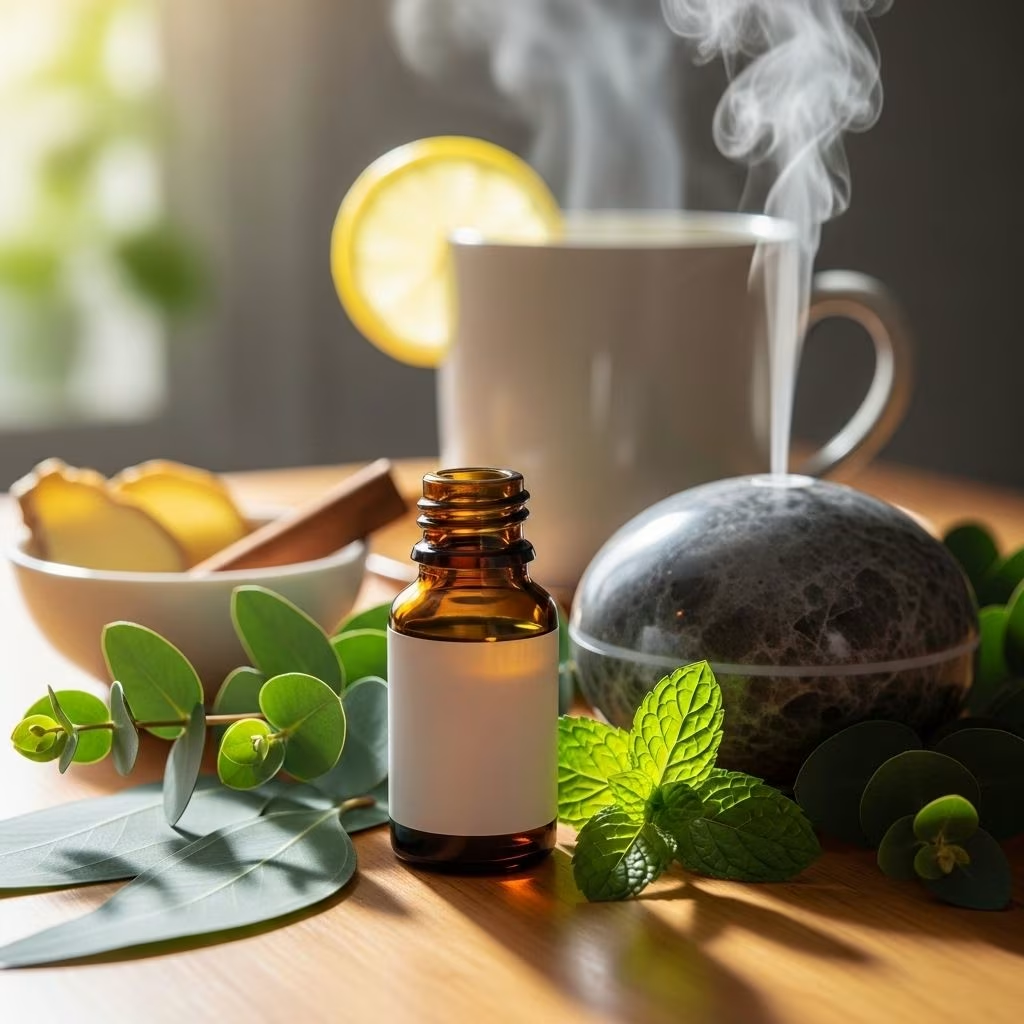
Natural Remedies for Strong Sinus Pressure
Sinus pressure is a common and often frustrating symptom, typically resulting from blocked nasal passages due to allergies, colds, or sinus infections. It manifests as pain, headaches, pressure around the face or eyes, and can even impact your daily comfort and productivity. While over-the-counter medications offer relief, many people seek natural remedies that address both symptoms and underlying causes, with the added benefit of limiting side effects and supporting holistic health.
Understanding Sinus Pressure
Your sinuses are hollow cavities in the facial bones, lined with a mucous membrane. When these passages become inflamed due to infection, allergens, or irritants, mucus may build up and drain poorly, resulting in sensations of pressure, pain, and congestion. The key goals for relief include reducing inflammation, thinning mucus, aiding drainage, and soothing pain.
Top Natural Remedies for Sinus Pressure Relief
- Steam Inhalation
- Warm Compresses
- Hydration
- Saline Nasal Rinse
- Gentle Sinus Massage
- Essential Oils & Aromatherapy
- Rest & Elevation
Steam Inhalation
Steam is one of the oldest and most accessible remedies to relieve sinus pressure. Breathing in warm, moist air can loosen thick mucus, soothe inflamed tissues, and open congested nasal passages.
- Take a hot shower and breathe deeply through your nose.
- Lean over a bowl of hot water (not boiling), tent a towel over your head, and inhale gently for 10–15 minutes.
- Use a humidifier in your bedroom, especially while sleeping, to keep nasal passages moist.
- Add a few drops of eucalyptus or peppermint oil to the water for enhanced decongestant effects as aromatherapy.
Steam helps to thin mucus and encourage drainage, making breathing easier and reducing sinus pressure quickly.
Warm Compresses
A warm compress applied to the forehead, bridge of the nose, or cheeks can soothe inflamed tissues and promote sinus drainage.
- Moisten a cloth with warm water (not too hot), wring out excess water, and place across the affected area for 10–15 minutes.
- Repeat several times a day as needed for relief.
This simple technique increases circulation, reduces discomfort, and can relieve headache associated with sinus pressure.
Hydration
Drinking adequate fluids is crucial when battling sinus congestion. Water thins mucus, making it easier for the sinuses to drain, and helps flush out irritants. Aim to:
- Drink plenty of water throughout the day.
- Avoid caffeine and alcohol, as both can dehydrate you and worsen sinus symptoms.
- Try warm broths or herbal teas, which may also offer soothing vapors.
Well-hydrated tissues are less prone to irritation and are more effective in healing.
Saline Nasal Rinse
Saline nasal rinses help flush out mucus, allergens, and pathogens from the nasal passages, reducing inflammation and supporting drainage. This technique can be performed safely at home using:
- Neti pot – a small container designed to pour saline solution through your nasal passages.
- Sinus rinse bottle – a squeezable plastic bottle engineered for nasal irrigation.
- Saline spray – available at most drugstores for convenient use.
Always use sterile, distilled, or boiled (then cooled) water to prepare the saline solution and clean all equipment thoroughly between uses.
This method can remove irritants and restore ease of breathing for many sufferers.
Gentle Sinus Massage
Massaging the areas around your sinuses can improve blood flow, encourage mucus drainage, and relieve pressure. The most effective technique involves gentle, circular motions:
- Over your temples
- Around the bridge of your nose
- Across your cheekbones
- Along the brow ridge
Sinus massage targets pressure points and is especially helpful when pressure extends to the teeth or ears.
Essential Oils & Aromatherapy
Essential oils such as eucalyptus, menthol, and peppermint have natural decongestant properties. Their aromatic compounds can help clear nasal pathways, reduce inflammation, and promote easier breathing.
- Add a few drops of oil to a bowl of steaming water for inhalation.
- Add oils to a humidifier (if compatible) or a warm bath.
- Apply diluted oil gently to temples or chest to open airways.
Research suggests that cineole, a component in eucalyptus, supports healing from viral sinusitis and relieves stuffiness.
Rest & Elevation
Rest is essential for your body to fight infection. Sleep increases white blood cell production and accelerates healing. If sinus pressure is disrupting your sleep:
- Try sleeping with your head elevated using extra pillows to reduce mucus accumulation and ease breathing.
- Create a sleep environment with a humidifier to prevent air dryness.
Proper rest and sleep positions can reduce the intensity of sinus pain and speed recovery.
Other Useful Remedies & Lifestyle Adjustments
- Spicy Foods: Foods containing chili peppers, horseradish, or wasabi may temporarily stimulate mucus drainage and relieve congestion.
- Avoid Allergens and Irritants: Identify and minimize exposure to dust, smoke, strong scents, and animal dander that exacerbate symptoms.
- Light Exercise: Gentle movement like walking can help improve circulation and support sinus drainage, but avoid strenuous exercise during acute illness.
- Monitor Air Quality: Ensure living spaces are free from excessive dust, mold, or dryness. Regular cleaning and humidification help prevent recurring issues.
Signs You Need Medical Attention
Most cases of sinus pressure and congestion improve with home remedies within one to two weeks. However, seek medical advice if you experience:
- Symptoms lasting longer than 10 days
- High fever
- Severe headache or facial swelling
- Persistent pain in teeth or ears
- Green or bloody nasal discharge
Such symptoms may indicate a bacterial sinus infection (sinusitis), nasal polyps, or another condition needing professional diagnosis and treatment.
Frequently Asked Questions (FAQs)
Q: Can sinus pressure cause dizziness or affect my teeth?
A: Yes, blocked sinuses sometimes lead to dizziness or pain radiating to the teeth or ears. This usually results from tension in the facial muscles and increased sinus pressure.
Q: How often can I use saline rinses?
A: Saline nasal rinses are generally safe for daily use if made with sterile components and used as directed. Always follow package instructions or physician guidance to prevent over-irrigation.
Q: Which essential oils are safest for sinus relief?
A: Eucalyptus, peppermint, and tea tree oil are popular choices. Use only a few drops, dilute the oil appropriately, and avoid direct contact with sensitive skin or inside the nose.
Q: Is exercise good or bad during sinus congestion?
A: Gentle exercise may improve circulation and support sinus drainage. However, strenuous activity may worsen symptoms during acute illness. Opt for walking or gentle stretching until symptoms subside.
Q: Can changes in weather or air conditioning worsen sinus pressure?
A: Yes, dry air from heaters or air conditioners can aggravate sinus tissues. Use a humidifier or steam inhalation to keep nasal passages moist and prevent worsening symptoms.
Table: Summary of Remedies for Sinus Pressure
| Remedy | How It Helps | How to Use |
|---|---|---|
| Steam Inhalation | Moistens nasal passages, thins mucus, and promotes drainage. | Hot shower, steam bowl, humidifier. |
| Warm Compress | Soothe pain, reduces pressure and inflammation. | Warm, damp cloth on forehead or cheeks. |
| Hydration | Thins mucus, reduces congestion, aids overall healing. | Drink water and warm fluids, avoid dehydration. |
| Saline Nasal Rinse | Flushes out irritants, thins mucus, reduces inflammation. | Neti pot, rinse bottle, or saline spray. |
| Sinus Massage | Relieves pressure, improves circulation, supports drainage. | Gentle circular motions on temples and cheekbones. |
| Essential Oils | Opens airways, delivers decongestant and anti-inflammatory benefits. | Steam inhalation, bath, humidifier, topical (diluted). |
Precautions for Natural Sinus Remedies
- Use only distilled or sterile water for nasal rinses to avoid risk of infection.
- Avoid direct skin contact with undiluted essential oils; test for sensitivity before use.
- Monitor your body’s response; discontinue any remedy that causes discomfort or allergic reaction.
- Consult with a healthcare provider before trying new remedies if you have underlying health conditions or persistent symptoms.
Conclusion: Embracing Natural Strategies for Sinus Relief
Choosing natural remedies for sinus pressure can bring fast, effective relief while supporting your body’s innate healing processes. Steam, warm compresses, hydration, saline rinses, massage, and aromatherapy are safe and proven methods to ease discomfort, improve drainage, and restore comfort. However, persistent or severe symptoms may require medical attention. Integrate these strategies into your routine and enjoy clearer breathing, greater comfort, and better overall well-being.
References
- https://bazallergy.com/how-to-relieve-sinus-pressure/
- https://www.healthline.com/health/relieve-sinus-pressure
- https://www.atlantaent.com/blog/natural-remedies-for-sinus-congestion-and-relief
- https://www.dallasbreathefree.com/post/natural-home-remedies-for-sinus-infections
- https://www.ct-ent.com/blog/natural-home-remedies-for-sinus-infections
- https://www.youtube.com/watch?v=NCxO1DGT8zE
- https://my.clevelandclinic.org/health/symptoms/24690-sinus-pressure
- https://www.unitypoint.org/news-and-articles/5-best-ways-to-treat-a-sinus-infection
- https://www.houstonmethodist.org/blog/articles/2024/feb/whats-the-fastest-way-to-get-sinus-pressure-relief/


