


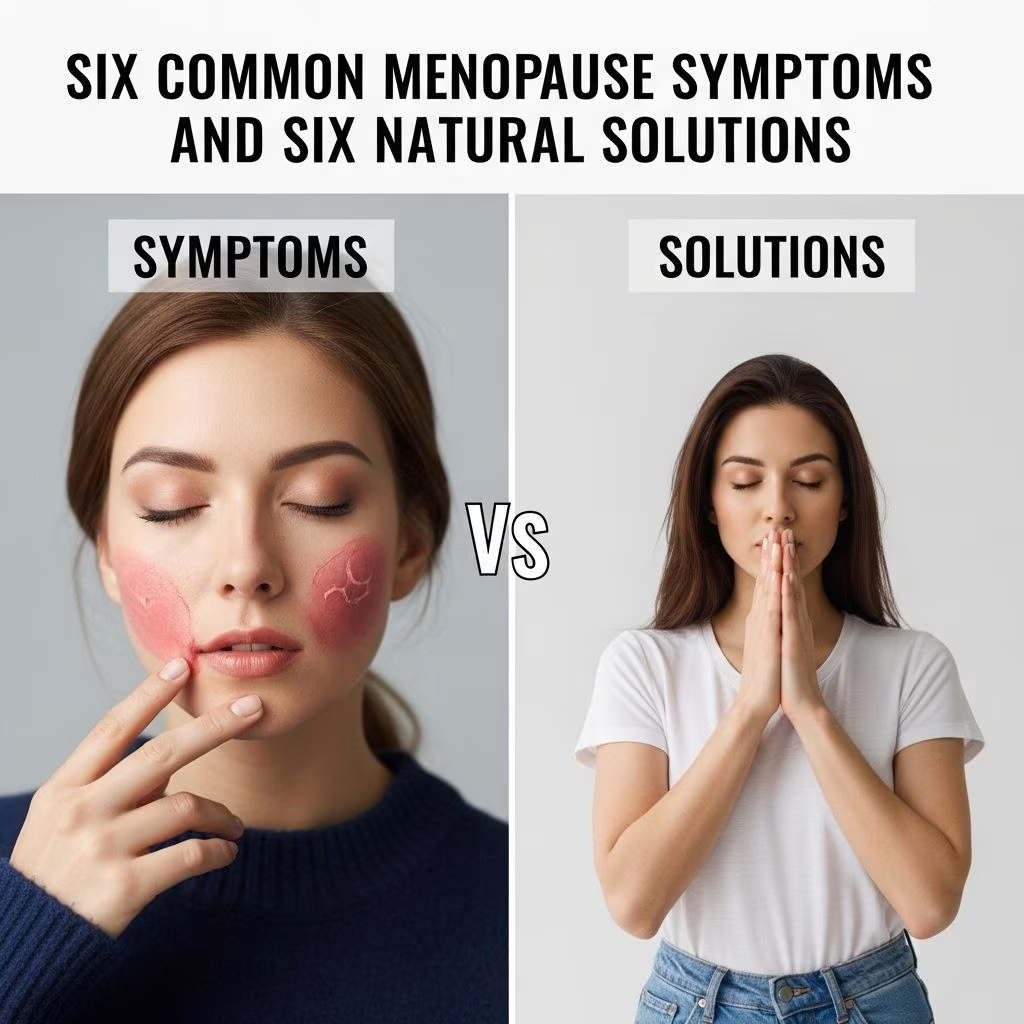
Menopause marks a pivotal transition in a woman’s life, signifying the end of reproductive years. This phase, while natural and universal, brings a variety of symptoms that can impact daily comfort and wellbeing. While pharmaceutical options such as hormone replacement therapy (HRT) are available, many women seek effective natural remedies for menopause symptoms to minimize unwanted side effects and support overall health. This comprehensive guide explores six common symptoms of menopause and evidence-based natural solutions to ease the journey through this life stage.
Understanding Menopause and Its Most Common Symptoms
Menopause typically occurs between the ages of 45 and 55, defined by the cessation of menstrual cycles for 12 consecutive months. Driven by a decline in estrogen and progesterone production, menopause often presents with symptoms that vary in intensity and duration. The most frequently reported include:
- Hot flashes and night sweats
- Sleep disturbances
- Mood changes
- Vaginal dryness
- Weight gain and slowed metabolism
- Cognitive difficulties and memory lapses
Before starting any new regimen or supplement, consult with a qualified healthcare professional to ensure safety and suitability for your specific health circumstances.
Six Symptoms, Six Natural Remedies
The following sections pair each of the six most common menopausal symptoms with research-supported, natural strategies for relief. Many remedies are best implemented as part of a comprehensive lifestyle approach for optimal benefits.
1. Hot Flashes and Night Sweats
Hot flashes—sudden feelings of intense warmth, often accompanied by sweating and rapid heartbeat—are among the hallmark vasomotor symptoms of menopause. Night sweats are hot flashes occurring at night and can disrupt sleep. Up to 75% of menopausal women experience these symptoms at some point.
Natural Remedies
- Black Cohosh: One of the most studied herbal remedies, black cohosh may reduce the frequency and intensity of hot flashes and night sweats for some women. Its efficacy is debated in scientific circles, with some studies demonstrating benefit and others not finding significant effects. Black cohosh is generally considered safe for most short-term use, but occasional side effects and rare reports of liver issues means it should be used with caution, especially in women with liver conditions or a history of estrogen-dependent cancers.
Typical dosing: 20-40 mg twice daily, standardized extract. - Soy-Based Foods: Soy contains isoflavones, plant-based compounds known as phytoestrogens that may ease hot flashes due to their mild estrogenic effects. Foods such as tofu, tempeh, soy milk, and edamame are preferred over supplements, as whole foods offer a more complex nutrient profile and a lower risk of adverse effects.
Recommendation: Aim for 40-80 mg of isoflavones daily from food sources. - Flaxseed: Flaxseed is rich in lignans, another phytoestrogen. Some studies show it may moderately reduce hot flashes and improve hormonal balance. Freshly ground flaxseed (rather than whole seeds, which are poorly digested) can be added to smoothies, oatmeal, or baked goods.
Suggestion: 1-2 tablespoons daily. - Cool Drinks and Layered Clothing: Stay cool by sipping on cold water or antioxidant-rich juices, dressing in layers for easy adjustment, and maintaining a comfortably cool environment.
Avoid caffeine, alcohol, and spicy foods, as they can trigger or worsen hot flashes.
2. Sleep Disruption and Insomnia
Menopause is frequently associated with sleep disturbances, including trouble falling asleep, restless sleep, or frequent awakenings (sometimes due to night sweats). Chronic sleep loss can lead to daytime fatigue, irritability, and memory issues.
Natural Remedies
- Regular Physical Exercise: Routine aerobic and strength training can improve overall sleep quality. Exercise is best done earlier in the day as late activity may be stimulating for some women.
- Yoga and Meditation: Mind-body practices like yoga combine gentle movement, deep breathing, and meditation, supporting relaxation and helping to regulate stress hormones that interfere with sleep.
Suggestion: 20-30 minutes daily or several times a week. - Sleep Hygiene Habits:
- Maintain a consistent sleep schedule
- Create a cool, dark, quiet bedroom environment
- Avoid screens before bed
- Practice relaxing bedtime rituals, such as reading or listening to calming music
- Limit Caffeine and Alcohol: Caffeine (coffee, tea, soda) and alcohol can disrupt restful sleep and intensify night sweats.
- Herbal Support: Herbs such as valerian root and chamomile have gentle sedative properties. Always check for medication interactions.
3. Mood Swings, Anxiety, and Irritability
Fluctuating hormone levels can significantly impact mood stability, leading to mood swings, anxiety, depression, or increased irritability. These symptoms may be exacerbated by disrupted sleep and the demands of midlife.
Natural Remedies
- Mindfulness and Breathing Exercises: Practices such as deep breathing, guided imagery, and mindfulness meditation can calm the stress response and build emotional resilience.
- Regular Exercise: Physical activity, including brisk walking, dancing, and yoga, release endorphins—”feel-good” chemicals—that naturally lift mood.
- Diet Rich in Fruits and Vegetables: A nutrient-dense diet packed with colorful plant foods supplies antioxidants and essential vitamins to support brain health.
- Omega-3 Fatty Acids: Sources such as flaxseed, walnuts, and fish oil may aid in mood stabilization.
- Emotional Support: Connecting with friends, support groups, or a therapist can offer perspective and encouragement during challenging times.
4. Vaginal Dryness and Discomfort
Decreased estrogen commonly leads to vaginal dryness, itching, or burning sensations. This can cause discomfort with intercourse and increase the risk of urinary tract infections.
Natural Remedies
- Vitamin E Oil: Applying vitamin E oil topically to the vaginal area may provide relief from dryness and improve tissue elasticity. Some women benefit from vitamin E suppositories.
Note: Always ensure products are safe for vaginal use. - Natural Lubricants: Water-based or plant-based lubricants (aloe vera, olive oil, coconut oil) offer immediate moisture for comfort during intimacy. Avoid products with fragrance or chemicals which may irritate sensitive tissue.
- Phytoestrogen Foods: Including flaxseeds, soy, lentils, and other legumes in your diet may exert mild estrogenic effects to support vaginal tissue health.
- Hydration: Staying well hydrated through increased water intake helps maintain tissue moisture throughout the body.
5. Weight Gain and Slowed Metabolism
Many women notice unexplained weight gain or redistribution during menopause, often centered around the abdomen. Declining estrogen and age-related changes combine with potential decreases in physical activity and muscle mass.
Natural Remedies
- Balanced Diet: Prioritize whole, unprocessed foods, emphasizing fiber-rich fruits, vegetables, whole grains, and healthy plant-based or lean animal proteins.
- Reduce Processed and Sugary Foods: Ultra-processed and sugary foods are linked to increased belly fat and greater risk of metabolic disease.
- Stay Physically Active: Aerobic exercise, weight training, and activities that build muscle boost metabolism, support bone health, and aid weight management.
- Watch Portion Sizes: As metabolism slows, energy requirements drop slightly. Smaller meals and regular snacking on whole foods can help with appetite regulation.
- Consider Phytoestrogen Foods: Besides other potential menopause benefits, these may mildly support metabolism by balancing hormones.
6. Cognitive Difficulties and Memory Lapses
Cognitive complaints—such as poor concentration or minor forgetfulness—are frequently reported during menopause, possibly due to fluctuating estrogen impacting brain function.
Natural Remedies
- Brain-Healthy Nutrition: Diets emphasizing leafy greens, berries, nuts, fatty fish, olive oil, and whole grains support cognitive performance.
- Mental Stimulation: Reading, puzzles, learning new skills, and engaging in creative activities challenge the brain and promote neural plasticity.
- Stress Management: Chronic stress interferes with memory and focus. Yoga, breathing exercises, and social support may reduce stress’s impact on cognition.
- Balanced Lifestyle: Sufficient sleep, hydration, regular movement, and social interaction promote optimal brain function as we age.
Table: Symptoms, Triggers, and Effective Natural Remedies
| Symptom | Potential Triggers | Natural Remedies |
|---|---|---|
| Hot flashes/night sweats | Caffeine, alcohol, stress, spicy foods, hot environments | Black cohosh, soy foods, flaxseed, cool drinks, layered clothing, relaxation techniques |
| Sleep disturbances | Night sweats, caffeine, stress, inconsistent routines | Exercise, yoga, sleep hygiene, avoid stimulants, chamomile tea |
| Mood swings/irritability | Hormone fluctuations, poor sleep, stress, poor diet | Exercise, phytoestrogen-rich diet, omega-3s, mindfulness, social support |
| Vaginal dryness | Low estrogen, hydration status, irritants | Vitamin E oil, water-based lubricants, hydration, phytoestrogen foods |
| Weight gain | Slower metabolism, less activity, diet changes | Fiber-rich diet, reduce sugar, physical activity, portion control |
| Memory lapses | Hormonal changes, lack of sleep, chronic stress | Brain-healthy diet, mental activity, stress management, sleep hygiene |
Herbal and Dietary Supplements: Safety and Considerations
Before taking supplements for menopause relief:
- Consult your healthcare provider about potential interactions with current medications or health conditions.
- Choose products from reputable sources to ensure purity and potency.
- Remember that supplements, unlike pharmaceuticals, are not regulated as strictly for efficacy and safety.
- Monitor for side effects such as digestive upset, allergic reactions, or new symptoms.
Holistic Lifestyle Approaches for Menopause Wellness
In addition to targeted remedies for individual symptoms, a holistic approach centered on self-care enhances the menopause experience. Consider these nourishing practices:
- Eat regular, balanced meals to maintain healthy energy and mood levels.
- Stay hydrated with plenty of water throughout the day (8+ cups recommended).
- Build a support network of friends, family, healthcare providers, and peers also experiencing menopause.
- Manage stress with breathing exercises, spending time in nature, and engaging in positive activities.
Frequently Asked Questions (FAQs) About Natural Menopause Relief
What are phytoestrogens, and are they safe for everyone?
Phytoestrogens are naturally occurring plant compounds, primarily found in soy, flaxseed, and some legumes, that exert weak estrogen-like effects. For most healthy women, moderate intake through foods is considered safe. Women with a history of breast cancer or other hormone-sensitive conditions should consult a healthcare professional before increasing these foods or taking phytoestrogen supplements.
How long do natural remedies take to work for menopause symptoms?
Response times vary depending on the remedy, individual metabolism, and symptom severity. Some women notice relief from hot flashes or improved sleep in as little as 2-4 weeks; others may require several months of consistent use. Herbal remedies and lifestyle changes usually take time to yield significant benefits.
Can I use natural remedies in place of hormone replacement therapy (HRT)?
For mild to moderate symptoms, many women find relief with natural approaches alone. However, those with severe symptoms may require HRT or additional medical interventions. Always discuss your options with a qualified provider to ensure your safety and identify the most effective treatment strategy for you.
Are there any side effects to using herbal menopause remedies?
Most natural remedies are well-tolerated at recommended doses. However, each supplement and herb has potential side effects or interactions. For example, black cohosh may rarely impact liver function, and some women may experience digestive upset with flaxseed or soy. Discontinue use and seek medical attention if you experience rash, jaundice, or persistent symptoms.
How important is diet and exercise for managing menopause symptoms?
Diet and exercise lay the foundation for overall wellbeing during menopause. They influence hormone balance, weight maintenance, bone health, sleep, and mood more significantly than any single supplement or remedy. Emphasize consistency in healthy habits for best results.
Key Takeaways for Natural Menopause Management
- Menopause brings a host of symptoms best managed with a comprehensive, individualized approach.
- Natural remedies—such as black cohosh, soy foods, flaxseed, regular exercise, and mind-body techniques—can offer significant relief for many women.
- Healthy diet, sleep hygiene, hydration, and social support are critical pillars for vibrant midlife health.
- Always consult a healthcare provider before beginning supplemental therapies, particularly if you have pre-existing medical conditions or take prescription medications.
By combining natural remedies, holistic lifestyle adjustments, and appropriate professional guidance, women can navigate menopause with resilience, comfort, and confidence.
References
- https://www.webmd.com/menopause/menopause-natural-treatments
- https://www.healthline.com/nutrition/11-natural-menopause-tips
- https://www.mayoclinic.org/diseases-conditions/menopause/diagnosis-treatment/drc-20353401
- https://www.unitypoint.org/news-and-articles/ways-to-manage-hot-flashes
- https://www.nhs.uk/medicines/hormone-replacement-therapy-hrt/alternatives-to-hormone-replacement-therapy-hrt/herbal-remedies-and-complementary-medicines-for-menopause-symptoms/
- https://pmc.ncbi.nlm.nih.gov/articles/PMC5783135/
- https://empireobgyn.com/natural-menopause-management-remedies/
- https://blog.ochsner.org/articles/the-best-natural-remedies-for-menopause-symptom-relief/


