


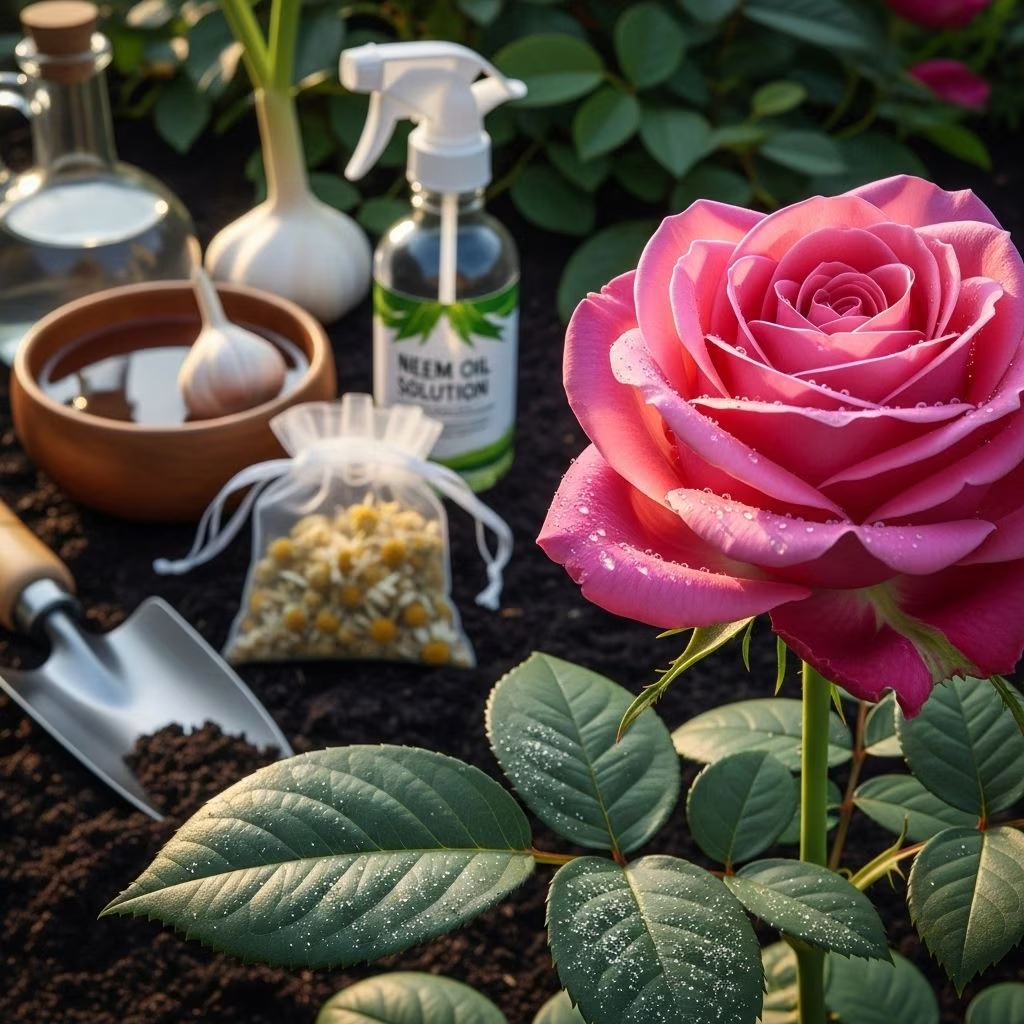
Natural Remedies for Common Rose Diseases
Roses, prized for their beauty and fragrance, are among the most beloved garden plants worldwide. However, their lush foliage and blooms are susceptible to a handful of persistent diseases that often challenge home gardeners. Chemical treatments have traditionally been the go-to solution for rose ailments, but growing awareness of environmental impact and plant health has sparked interest in natural and household remedies. This guide explores reliable, eco-friendly methods to combat common rose diseases, drawing on horticultural research and practical experience.
Introduction
Rose diseases can quickly sabotage a flourishing garden, causing leaves to spot, yellow, fall prematurely, or even stunting blooms. The most common rose diseases include black spot, powdery mildew, downy mildew, and rust. Each is fostered by environmental conditions, especially extended moisture and poor air circulation. Early intervention—especially using nature-friendly solutions—can help maintain plant health, garden biodiversity, and soil vitality.
Black Spot Disease
Black spot (Diplocarpon rosae) is the most notorious rose disease, capable of defoliating plants and reducing flower vigor. Characterized by circular, black spots surrounded by yellow tissue, it thrives in warm, wet environments and can present from spring through late summer. Severely afflicted roses may become stunted, losing leaves and withering mid-season.
Symptoms:
- Round black spots (up to ½-inch diameter) with fringed margins on leaves
- Yellowing and dropping of infected leaves
- Purple-red raised blotches on immature wood
- Pale, fewer blooms
Prevention:
- Plant resistant rose varieties.
- Promote good air circulation by adequate spacing and pruning.
- Sanitation: Remove fallen leaves, infected mulch, and prune out diseased canes in fall and winter.
- Keep foliage dry: Avoid overhead irrigation, use soaker hoses instead.
Treatment: Natural Approaches
- Baking soda spray: Mix 1 tablespoon baking soda and 1 teaspoon horticultural oil or insecticidal soap in 1 gallon water. Spray weekly to suppress black spot and help control mildew and some insects.
- Essential oils: English thyme and Scotch spearmint oils have shown antifungal properties against black spot, lessening lesion severity. Apply as directed; other herbal oils (e.g., basil) are less effective.
- Neem oil: With antifungal and insecticidal properties, neem oil effectively reduces black spot and also helps against powdery mildew. Apply as per product instructions.
- Straw mulching: Surround roses with straw (inside baskets or chicken wire) during winter for natural insulation, reducing plant stress that encourages disease.
- Milk spray: Some gardeners use a 1:2 mixture of milk and water sprayed weekly. While some studies claim limited efficacy, it can support other foliar treatments.
Chemical Alternatives (For comparison)
If natural management proves insufficient, fungicides such as chlorothalonil, mancozeb, myclobutanil, or copper-based preparations can be applied as a last resort—always following label instructions and observing when pollinators are not around.
Powdery Mildew
Powdery mildew is another frequent foe of rose gardeners, appearing as white, powdery growth on leaves, shoots, and sometimes buds. It is most prevalent during periods of high humidity and cooler night temperatures, especially as plants crowd and air movement is poor. Infected leaves can curl, distort, and eventually drop.
Symptoms:
- White or gray powdery coating on leaves, stems, and buds
- Deformed new foliage
- Premature leaf drop
Natural Remedies:
- Baking soda solution: Mix 5 grams baking soda (potassium bicarbonate) in 1 liter of water (0.5% solution) and spray on affected areas. The alkaline environment suppresses powdery mildew fungi.
- Milk spray: Dilute milk in water at a ratio of 1:9 and mist leaves daily. Lactic acid bacteria in milk attack powdery mildew, helping prevent and reduce outbreaks.
- Chamomile tea spray: Prepare strong chamomile tea and cool. Apply as a preventive measure, as its essential oils may inhibit fungus initiation.
- Neem oil: Useful for powdery mildew and black spot, neem should be applied per manufacturer’s guidelines.
Downy Mildew
Downy mildew creates pale yellow or reddish-purple patches on leaves, later covered by a grayish mold mostly on the undersides. Unlike powdery mildew, it thrives in cool temperatures but with extended leaf wetness. Severe attacks can defoliate plants, leaving weak, unproductive roses.
Symptoms:
- Pale yellow or purple-red blotches on leaf surface
- Gray or white fuzzy growth on leaf undersides
- Rapid leaf loss
Natural Control:
- Baking soda and milk sprays: Similar to powdery mildew, these have shown some suppression of mild infestations and are cost-effective preventive measures.
- Fennel and horsetail sprays: Scientific studies suggest homemade infusions of fennel or common horsetail can reduce mild mildew when applied early.
Note: Results may vary depending on infestation severity and local climate. More advanced cases may require commercial biological or chemical fungicides if natural solutions fail.
Rose Rust
Rose rust is a less common but challenging disease, caused by several Phragmidium species. Rust appears as orange or rusty-red pustules on leaf undersides, leading to leaf drop, weakened plants, and decreased blooms.
Symptoms:
- Orange-red pustules on leaf undersides
- Yellow spots or blight on upper leaf surface
- Premature leaf drop
Natural Management:
- Prompt removal: Prune and dispose of affected leaves and stems. Sanitation is essential to prevent spread.
- Baking soda spray: May suppress mild rust infections and reduce future outbreaks. Mix as described for powdery mildew and black spot.
- Maintain dry foliage: Avoid overhead watering and provide good sunlight.
Natural Household Remedies for Rose Diseases
Home remedies, if properly formulated and applied, can suppress mild infestations and reduce the need for strong chemicals. Below is a table summarizing popular household items for rose disease management, supported by horticultural research:
| Remedy | Active Ingredient | Target Disease(s) | Application Notes |
|---|---|---|---|
| Baking Soda Solution | Sodium/Potassium Bicarbonate | Black Spot, Powdery Mildew, Rust | Mix 1 tbsp baking soda + 1 tsp oil/soap in 1 gal water; spray weekly |
| Milk Spray | Lactic Acid Bacteria | Powdery Mildew, Black Spot (marginal) | 1 part milk : 9 parts water; spray daily/weekly |
| Neem Oil | Azadirachtin, Fatty Acids | Black Spot, Powdery Mildew, Insects | Use commercial neem; follow label directions; avoid during bee activity |
| Chamomile Tea Spray | Chamomile Essential Oils | Mildew Prevention | Spray cooled, brewed tea on leaves as preventive |
| Fennel/Horsetail Infusions | Phytochemicals | Mild Mildew | Spray freshly prepared infusions on leaves; early intervention best |
| Essential Oils (Thyme, Spearmint) | Essential Oil Compounds | Black Spot | Dilute per instructions; apply carefully |
| Straw Mulching | Natural Insulator | General Plant Health, Winter Protection | Fill basket/cage around plant base with straw during cold seasons |
Caution: Not all household remedies are universally safe or effective for all rose types. Test on a few leaves before wide application to check for phytotoxicity. University-tested methods are safest for consistent results.
Cultural and Preventive Practices
Natural remedies work best when paired with strong foundational gardening practices. Here are the most critical cultural actions to prevent and control rose diseases:
- Sanitation: Remove dead leaves, fallen petals, and old mulch. Dispose of infected plant material beyond the garden.
- Pruning: Cut away diseased or weak stems to improve air flow and sunlight penetration.
- Watering: Water roses at the base rather than overhead. Morning watering allows leaves to dry quickly, inhibiting fungal growth.
- Nutrition: Feed with balanced organic fertilizers to maintain strong growth. Seasol products or natural composts improve resilience.
- Mulching: Use organic materials (straw, wood chips) to suppress competing weeds and maintain soil moisture.
- Resistant Varieties: Some rose cultivars are bred for disease resistance. If starting new, consult your nursery for optimal choices.
Frequently Asked Questions (FAQs)
Q: Can I use homemade sprays for rose diseases safely?
A: Most homemade sprays (baking soda, milk, chamomile) are safe if properly diluted and tested on a few leaves first. However, formulations not tested by universities may sometimes harm plants—monitor your roses for any leaf burn or damage after initial application.
Q: Is milk spray effective for black spot on roses?
A: Milk spray may help foliar solutions stick to leaves, but research indicates it is not significantly effective against black spot itself, and overuse can lead to other diseases. Use as a supplement to other remedies.
Q: What is the best natural remedy for powdery mildew on roses?
A: A baking soda solution or milk spray applied regularly is most recommended by gardeners and research sources for suppressing powdery mildew, particularly when paired with oil or insecticidal soap for leaf adherence.
Q: How does neem oil help roses?
A: Neem oil acts as a broad-spectrum fungicide and insect deterrent. It controls black spot, powdery mildew, and pest insects when applied according to directions, without harming most beneficial organisms.
Q: Are natural remedies as effective as chemical fungicides?
A: Natural remedies can significantly reduce mild to moderate infestations and prevent outbreaks, especially when integrated with good gardening practices. Severe or persistent disease may still require careful fungicide use for complete control.
Best Practices for Eco-Friendly Rose Care
- Integrate natural remedies with strong cultural disease prevention.
- Regularly inspect roses for early signs of disease and act promptly.
- Use household remedies judiciously and monitor plant response.
- Avoid overhead watering and ensure plants have optimal sunlight and air movement.
- Balance nutrient needs with organic composts or specialized fertilizers for roses.
- Choose robust rose varieties known for resistance to local diseases.
By combining eco-friendly, science-backed remedies with disciplined gardening habits, you can cultivate resilient, show-stopping roses with minimal chemical intervention—nurturing both your plants and the surrounding environment.
References
- https://hgic.clemson.edu/factsheet/rose-diseases/
- https://www.youtube.com/watch?v=a7kAqEnB18w
- https://www.melindamyers.com/articles/homemade-remedies-to-control-insects-and-diseases-of-roses
- https://plantura.garden/uk/trees-shrubs/roses/mildew-on-roses
- https://www.saferbrand.com/articles/how-to-get-rid-of-black-spot-on-roses
- https://www.seasol.com.au/pest-problem/diseases/black-spot-of-roses/
- https://www.jacksonandperkins.com/blog/rose-blogs/top-10-household-items-to-use-in-the-rose-garden/b/top-10-household-items-to-use-in-the-rose-garden/


