


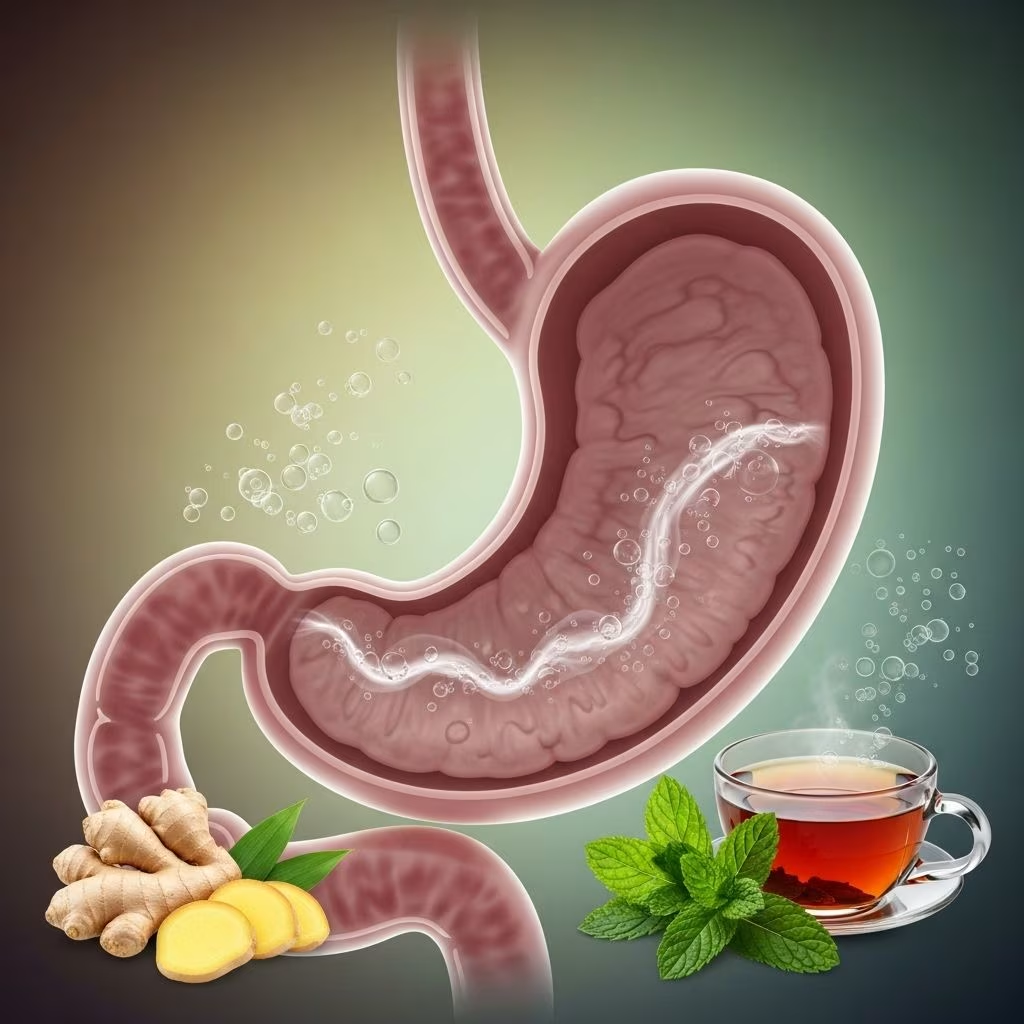
Stomach Gurgling: Understanding Causes and Natural Remedies
Many people experience stomach gurgling, also known as borborygmi, at some point in their lives. While these abdominal sounds are usually harmless, they can be embarrassing or signal underlying digestive issues. This article explores what causes stomach gurgling and presents natural remedies and preventive strategies to help you achieve quieter and healthier digestion.
What Is Stomach Gurgling?
Stomach gurgling refers to the rumbling or growling noises produced by movement of food, liquid, digestive juices, and gas in the gastrointestinal tract. These sounds are a normal part of digestion, but increased frequency or loudness may indicate a problem that requires attention.
Common Causes of Stomach Gurgling
Stomach gurgling can arise from a variety of common causes, including physiological, dietary, and medical factors. Recognizing these triggers can help you manage or prevent uncomfortable symptoms.
- Hunger: Stomach growling is often a sign that you haven’t eaten in a while. Hunger triggers the release of hormones that prompt the digestive tract to contract, producing louder gurgling sounds.
- Digestion: After eating, the muscles in your intestines contract in waves (peristalsis), churning food and fluids, which produces normal digestive sounds.
- Gas and Bloating: Digesting certain foods, especially beans, dairy, and high-fiber vegetables, can lead to gas production. Excess gas moves through the intestines, often creating bubbling or rumbling noises.
- Food Intolerances: For some, consuming lactose or gluten can cause increased intestinal activity and audible sounds if they are intolerant to these substances.
- Dietary Choices: Foods and drinks that are high in sugar, caffeine, spicy seasonings, or carbonation can amplify stomach sounds.
- Anxiety and Stress: Psychological stress affects the gut-brain axis and can speed up or slow down digestive tract movements, increasing gurgling, nausea, or discomfort.
- Infections (Viral Gastroenteritis): The so-called stomach flu, or viral gastroenteritis, can cause diarrhea, cramping, and gurgling due to inflammation of the gut lining.
- Irritable Bowel Syndrome (IBS): IBS is a common functional digestive disorder that causes bloating, constipation, diarrhea, abdominal pain, and increased stomach noises.
Less Common and Medical Causes
- Malabsorption Syndromes: Conditions that interfere with nutrient absorption (such as celiac disease) often lead to increased gut activity and audible sounds.
- Intestinal Obstructions: Though rare, blockages can cause abnormal or absent intestinal sounds, often associated with pain and distension.
When to Be Concerned: Associated Symptoms
Stomach noises are usually benign, but consult a healthcare provider if you experience:
- Persistent or severe abdominal pain
- Unexplained weight loss
- Significant bloating or swelling
- Dehydration
- Ongoing vomiting or diarrhea
- Fever
These may indicate a more serious underlying condition in need of prompt attention.
Evidence-Based Natural Remedies for Stomach Gurgling
Rather than immediately turning to over-the-counter medications, several natural remedies may help alleviate uncomfortable gurgling and support digestive health. Incorporate these strategies as appropriate and always consult your healthcare provider if symptoms persist or worsen.
Ginger
- Benefits: Used for centuries in traditional medicine, ginger has proven antiviral, antibacterial, and anti-inflammatory properties.
- How it helps: Ginger reduces bloating, helps expel excess gas, calms nausea, and supports overall gastrointestinal mobility.
- How to use: Enjoy fresh ginger tea, add ginger to meals, or use ginger capsules as directed. Limit intake to no more than 4 grams daily to avoid side effects such as heartburn or throat burn.
Probiotics
- Benefits: Probiotics are beneficial live bacteria that restore and maintain healthy gut flora, improving digestion and reducing symptoms like flatulence and bloating.
- Sources: Eat fermented foods (yogurt, sauerkraut, kimchi) or consider a high-quality probiotic supplement.
- Usage: Regular, consistent consumption can promote better gut health and quieter digestion.
Peppermint
- Benefits: Peppermint has antispasmodic effects, relaxing digestive tract muscles and helping to relieve abdominal cramping and gurgling.
- Forms: Peppermint tea or capsules; avoid if you have acid reflux or GERD, as peppermint can exacerbate these conditions.
Chamomile Tea
- Benefits: Chamomile soothes the gastrointestinal tract and can relieve indigestion, gas, and bloating while also supporting relaxation and reduced stress.
- How to use: Drink chamomile tea after meals or as needed for digestive comfort.
Stretching and Gentle Exercise
- Yoga and Stretching: Physical movement helps relieve trapped gas and enhances intestinal motility.
- Technique: Lying on your back and hugging knees to the chest can massage the colon and encourage gas passage.
- Gentle Activities: Walking after meals promotes smooth digestion.
Other Helpful Natural Strategies
- Eat Small, Frequent Meals: Avoid large meals that overload the digestive system. Several small meals throughout the day can minimize gurgling.
- Stay Hydrated: Drink water throughout the day to facilitate digestion, but avoid gulping which can introduce air and increase gas.
- Identify and Avoid Trigger Foods: Common offenders include dairy, beans, excess fiber, sugar, artificial sweeteners, and carbonated beverages.
- Mindful Eating: Chew food thoroughly, eat slowly, and reduce distractions to aid digestion and minimize swallowed air.
- Reduce Sugar and Acidic Foods: Limit intake of sugar, alcohol, and highly acidic foods, such as citrus, to minimize irritation and gurgling.
- Proactive Gut Health: Incorporate bone broth and cooked vegetables, which are easier on digestion than raw foods.
- Deep Breathing: Taking deep belly breaths before meals helps activate the “rest and digest” part of your nervous system, promoting optimal digestive function.
Lifestyle Changes for Digestive Calm
The following simple modifications can further improve digestive comfort and reduce episodes of stomach gurgling:
- Stress Management: Practice relaxation techniques such as meditation, deep breathing, or gentle yoga to reduce stress and its impact on gastrointestinal function.
- Regular Exercise: Engaging in movement supports healthy digestion and overall gut motility. Aim for daily walks or low-intensity activities as tolerated.
- Balanced Diet: Focus on a diet rich in fiber (from vegetables, fruits, and whole grains) and avoid processed foods high in unhealthy fats, sugars, and artificial additives.
- Sleep Hygiene: Ensure consistent, quality sleep as irregular sleep patterns can disrupt digestion and gut health.
Comparison Table: Common Causes vs. Natural Remedies for Stomach Gurgling
| Cause | Description | Natural Remedy |
|---|---|---|
| Hunger | Triggers contractions and gurgling sounds when the stomach is empty | Eat small, healthy meals or snacks regularly |
| Gas & Bloating | Results from digestion or fermenting certain foods | Gentle stretching, reduce gas-producing foods, ginger |
| Dietary Triggers | Intolerances or irritants (dairy, beans, artificial sweeteners, carbonated drinks) | Avoid triggers, use digestive enzymes or probiotics |
| Stress | Alters gut motility via gut-brain axis | Stress management, deep breathing, chamomile |
| Viral Gastroenteritis | Infection causing inflammation, diarrhea, and gurgling | Rest, hydration, bland diet, ginger |
| Irritable Bowel Syndrome | Chronic gut disorder with varied symptoms, including gurgling | Fiber, probiotics, stress reduction, avoid triggers |
Prevention and Everyday Tips
- Eat and drink slowly to reduce swallowed air and ease digestive workload.
- Keep meals spaced 3–4 hours apart, avoiding both prolonged fasting and overeating.
- Opt for non-caffeinated, non-carbonated beverages during meals.
- Apply a warm compress or heating pad to the abdomen in case of stomach discomfort.
- Wear comfortable clothing as tight waistbands can increase abdominal pressure.
When Should You See a Doctor?
- Unexplained or significant weight loss
- Vomiting lasting more than 48 hours
- Severe ongoing abdominal pain or distention
- Chronic diarrhea, especially with signs of dehydration
- Fever accompanying digestive symptoms
- Bloody stools or vomit
If you’re unsure, a functional or integrative medicine provider can help identify root causes and develop a holistic treatment plan.
Frequently Asked Questions (FAQs)
Q: Is stomach gurgling a sign of a serious digestive problem?
A: Occasional stomach gurgling is typical and usually harmless. However, frequent or loud noises with pain, weight loss, or other worrisome symptoms should be evaluated by your healthcare provider.
Q: Can diet alone stop stomach gurgling?
A: Adjusting your diet—such as avoiding common trigger foods, eating smaller meals, and staying hydrated—often minimizes gurgling. Chronic symptoms may require further investigation or tailored care.
Q: Which herbal teas are best for soothing stomach noises?
A: Both peppermint and chamomile tea are soothing and can ease minor digestive complaints, but peppermint should be avoided if you have acid reflux or ulcers.
Q: How does stress contribute to stomach gurgling?
A: Stress influences digestive muscle movement and secretions due to the gut-brain connection, sometimes increasing gurgling and discomfort. Relaxation techniques can reduce these effects.
Q: What should I avoid if I want a quieter stomach?
A: Avoid eating too quickly, overeating, consuming carbonated or sugary drinks, and high-gas foods like beans, cabbage, and dairy if you are intolerant. Adequate hydration and mindful eating are key.
References
- https://rosewellness.com/stomach-gurgling-causes-and-natural-remedies/
- https://www.baptisthealth.com/blog/gastroenterology/8-natural-remedies-for-upset-stomach
- https://www.healthline.com/health/home-remedies-for-indigestion
- https://health.unl.edu/4-home-remedies-upset-stomach-plus-6-things-avoid/
- https://gundryhealth.com/decode-stomach-gurgling/
- https://www.healthline.com/health/abdominal-sounds
- https://newsnetwork.mayoclinic.org/discussion/home-remedies-tips-for-reducing-belching-intestinal-gas-and-bloating/
- https://www.avogel.co.uk/health/digestive-system/9-home-remedies-for-an-upset-stomach/
- https://my.clevelandclinic.org/podcasts/health-essentials/can-you-silence-a-growling-stomach-with-christine-lee-md


