


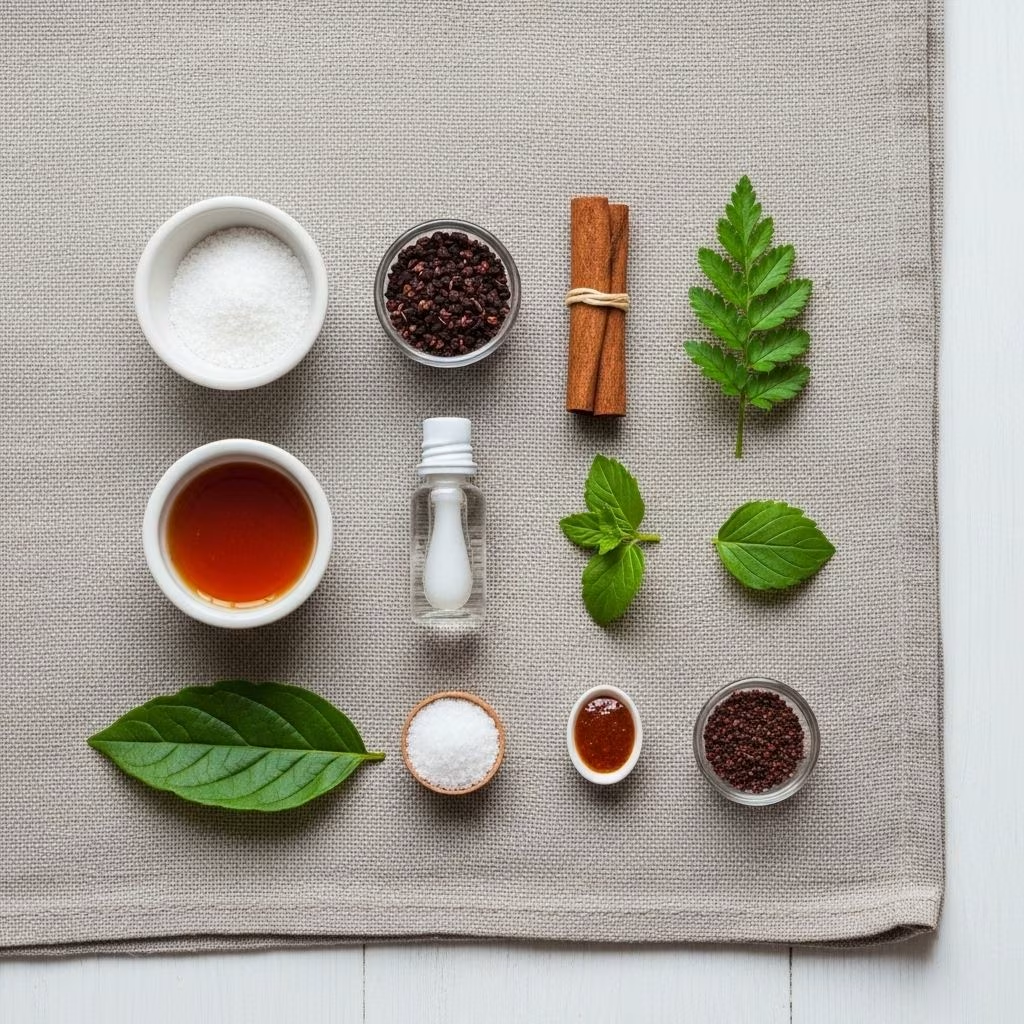
Natural Remedies for Wound Care: An In-Depth Guide
Everyday life comes with its share of scrapes, cuts, burns, and abrasions. While conventional medicine plays an essential role in managing severe wounds, many minor injuries can be safely and effectively cared for at home using natural remedies. This guide covers vital wound care steps, discusses the science and tradition behind natural agents like honey and aloe vera, and explains safe practices to promote healing.
Understanding Wounds: Types and Healing Phases
Not all wounds are alike. They range from minor cuts and scrapes to deeper injuries such as surgical incisions or burns. The healing process generally follows four stages:
- Hemostasis: Blood clotting immediately after injury.
- Inflammation: Your body’s defense to prevent infection and initiate healing.
- Proliferation: New tissue forms, closing the wound.
- Maturation: Tissue strengthens and remodeling occurs over weeks to months.
First Steps: Cleanliness and Safety
Proper wound care starts with prevention of infection and further injury. Follow these steps for minor wounds:
- Wash your hands before touching the wound to avoid introducing bacteria.
- Stop bleeding by applying gentle pressure with a clean cloth or sterile bandage.
- Clean the wound with cool, clear water and mild antibacterial soap if available. Avoid using harsh antiseptics (like hydrogen peroxide) which may damage healthy cells.
- Pat dry and assess for signs of infection (redness, swelling, pus). Seek medical attention for severe wounds or uncontrolled bleeding.
Natural Remedies for Wound Healing
A number of natural substances have been traditionally used to support wound healing. Modern research is re-examining their safety and effectiveness. Below are several scientifically recognized options for minor wounds:
Honey
Honey is one of the oldest and most well-studied natural wound remedies. Its antimicrobial properties help prevent infection, and its ability to create a moist wound environment promotes healing. Raw honey can be gently applied to a clean wound and covered with a sterile bandage. Medical-grade honey dressings are also available and may be preferable for deeper wounds.
- Cuts and abrasions: Thin layer of honey, covered with gauze.
- Burns: Honey can aid in reducing healing time.
- Precautions: Avoid honey in people with severe allergies; monitor for signs of infection.
Aloe Vera
Aloe vera gel, from the leaves of the aloe plant, offers antimicrobial and anti-inflammatory effects supported by several research reviews. Aloe is especially valued for burns, mild sunburns, and small abrasions. It helps stimulate collagen production, reduces pain, and may reduce healing times.
- Burns and minor wounds: Apply a dab of fresh gel from an aloe leaf, cover if needed.
- Evidence: Studies demonstrate faster healing and reduced scarring with aloe use compared to some conventional methods.
- Combination: Aloe is sometimes used in ointments with honey and peppermint for enhanced healing.
Herbal Remedies
A variety of herbs possess bioactive compounds that can support skin regeneration, reduce inflammation, and provide antimicrobial benefits. The following are supported by tradition and emerging research:
- Yarrow (Achillea millefolium): Ground yarrow leaves and flowers may help stop bleeding and reduce inflammation.
- Chamomile (Matricaria chamomilla): Well known for its anti-inflammatory and soothing qualities. A moistened tea bag or poultice may be applied to minor wounds to help regenerate tissue and temporarily numb pain.
- Marigold (Calendula officinalis): Shown in studies to stimulate collagen, with antimicrobial and anti-inflammatory effects. Calendula creams or brewed tea bags can be gently placed on clean wounds.
- Comfrey (Symphytum officinale): Occasionally included in ointments for chronic wounds, shown to assist tissue repair.
Always perform a patch test for skin sensitivity, especially with herbal remedies.
Essential Oils and Topical Agents
- Lavender Oil: Known for antimicrobial properties and may accelerate healing. Must be diluted with a carrier oil (such as jojoba or almond) before topical application.
- Tea Tree Oil: Natural antiseptic, useful for minor wounds and skin inflammation. Like lavender, should always be diluted. Not advised for burns due to potential irritation.
- Turmeric Paste: Provides curcumin, a natural anti-inflammatory and antimicrobial agent. Apply a small amount of paste to minor wounds. Turmeric is widely studied, though mostly on animals—limited human data available.
- Vitamin E: Known antioxidant and anti-inflammatory, may help prevent tissue damage and scarring. Topical vitamin E formulations, including coconut oil, can be used.
Herbal and Homeopathic Ointments
Some ointments combine several herbal extracts for amplified effect. For example, in clinical trials, ointments with calendula, comfrey, yarrow, and sage showed increased healing rates and reduced bacterial contamination in chronic wounds compared to conventional methods. Always verify ingredient safety and skin compatibility before use.
Other Popular Home Remedies
- Sugar: Used in combination with honey for open wounds, sugar draws water from bacteria, making it harder for them to survive.
- Coconut Oil: Contains antimicrobial properties and can soothe skin as a carrier for essential oils.
- Plantain (Plantago major): Used traditionally for burn wounds and wound healing.
Best Practices for Natural Wound Care
For most minor wounds, the following protocol combines conventional and natural steps:
- Clean the wound as soon as possible.
- Apply gentle pressure to stop bleeding if present.
- Use a natural remedy (honey, aloe, calendula, etc.) to the clean wound.
- Cover with a sterile bandage or dressing.
- Change the dressing and reapply the chosen remedy at least once daily.
- Monitor for infection signs: redness lasting >2 days, swelling, pus, fever.
- Seek medical attention if a wound does not heal within a week, if it worsens, or if systemic symptoms develop.
Safety Precautions and When to Seek Help
| Situation | Action |
|---|---|
| Severe bleeding or deep wounds | Apply pressure and seek immediate medical attention |
| Animal bites or puncture wounds | Professional evaluation required to prevent infection |
| Signs of infection (redness, swelling, pus, fever) | Consult healthcare provider |
| Non-healing wounds beyond 7 days | Medical assessment recommended |
Precautions for Natural Remedies
- Avoid using natural substances on open, deep, or infected wounds.
- Do not substitute medical care for moderate or severe injuries.
- Patch test unfamiliar topical agents to avoid allergic reactions.
- Respect potential bleeding risks with turmeric and some herbal remedies when taken internally.
Supporting Healing from Within: Nutrition and Hydration
Good wound care also depends on overall health. Diet and hydration play supporting roles:
- Consume Vitamin C (from citrus, berries, peppers) to promote tissue regeneration.
- Protein intake assists collagen synthesis and repair.
- Zinc supports immune function and skin healing.
- Stay hydrated for optimal cell repair and immune response.
Frequently Asked Questions (FAQs) About Natural Wound Care
Q: Are natural remedies safe for children?
A: Most natural remedies for minor wounds (such as honey, aloe, chamomile) are safe when properly applied on clean skin, but always patch-test and avoid deep or highly inflamed wounds.
Q: Can I use essential oils directly on a wound?
A: No. Essential oils must always be diluted with a carrier oil to avoid irritation; direct application may cause burns or allergies.
Q: Is honey as effective as commercial ointments?
A: Clinical reviews indicate honey is comparable for minor wound healing and infection prevention; medical-grade honey dressings are preferable over kitchen honey for deeper wounds.
Q: Which wounds should never be treated at home?
A: Any wound that is deep, heavily bleeding, infected, caused by animal/human bites, or not healing after a few days requires immediate medical attention.
Q: Are there risks to applying turmeric or herbal pastes?
A: Turmeric and herbs can cause skin irritation or allergic reactions in some individuals. Use with caution and patch-test first; do not take turmeric supplements for wound healing due to bleeding risks.
Conclusion: The Value of Natural Remedies in Wound Care
Natural remedies like honey, aloe vera, herbal extracts, and essential oils offer safe, gentle healing for minor wounds when used carefully on clean, superficial skin. Combine these with solid hygiene, nutrition, and attention to warning signs, and you have a comprehensive approach to home wound care. Remember: For serious or persistent wounds, professional medical attention is always warranted.
References
- https://www.tomsofmaine.com/blogs/healthy-feeling/4-natural-remedies-for-wounds-and-scrapes
- https://www.healthline.com/health/skin/how-to-treat-an-infected-wound-naturally
- https://pmc.ncbi.nlm.nih.gov/articles/PMC10046143/
- https://www.altitudedermatology.com/blog-post/breakthrough-wound-care-treatments-for-faster-healing
- https://pmc.ncbi.nlm.nih.gov/articles/PMC9960863/
- https://r3healing.com/how-to-treat-a-wound-that-wont-heal/
- https://www.logansportmemorial.org/blog/wound-healing-at-home
- https://www.thewoundpros.com/post/how-to-heal-deep-surgery-wounds-faster-naturally
- https://www.mspca.org/angell_services/honey-and-sugar/


