


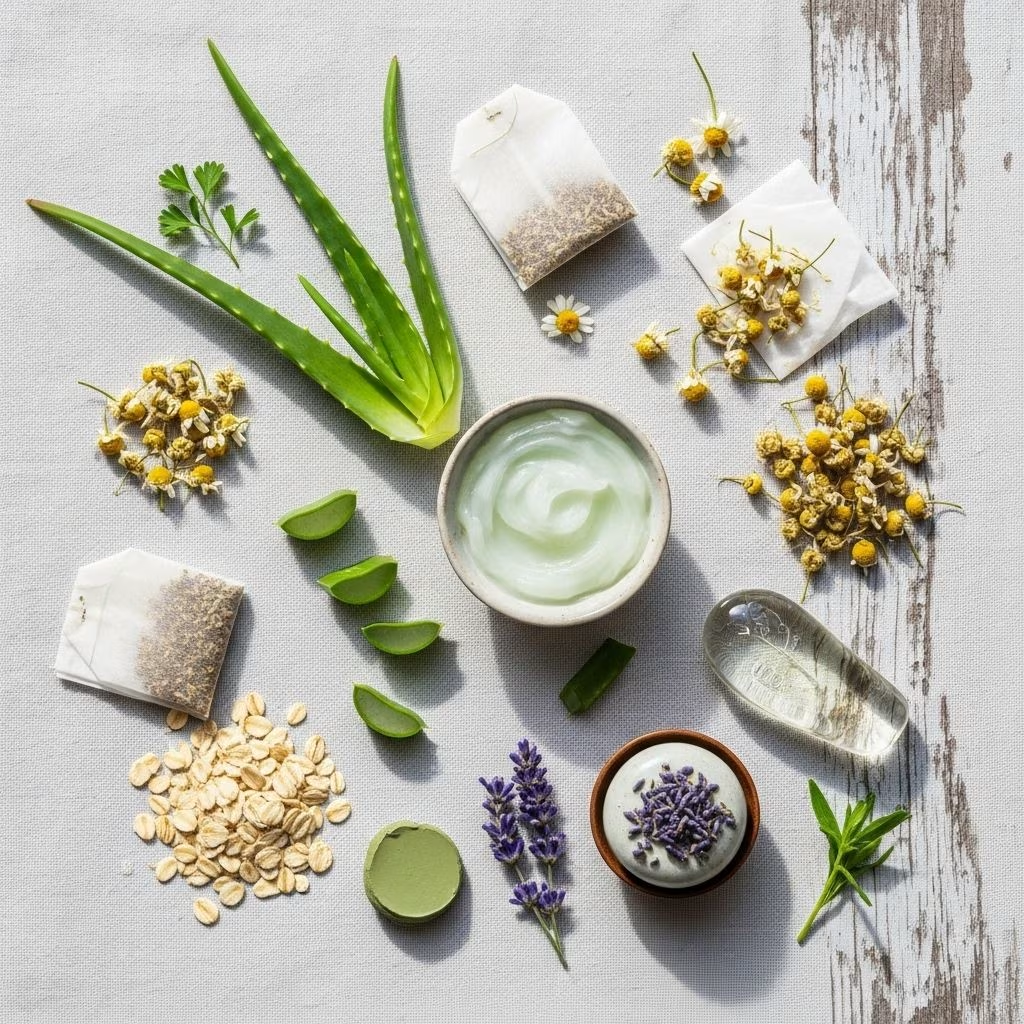
Natural Remedies for Sensitive Skin
People with sensitive skin often experience discomfort, redness, itching, or irritation as a result of exposure to harsh weather, environmental triggers, or certain skincare products. If you are searching for gentle, effective ways to soothe your skin without synthetic ingredients or harsh chemicals, nature offers many time-honored solutions. In this comprehensive guide, you’ll learn how to harness natural remedies, understand which ingredients to avoid, and adopt daily habits that protect and nurture delicate skin.
Understanding Sensitive Skin: Why Natural Remedies?
Sensitive skin is not a specific diagnosis but rather a description of skin that reacts more readily to irritants than average. You may notice symptoms such as:
- Frequent redness or flushing
- Dryness, itching, and tightness
- Stinging or burning sensations
- Easily aggravated by weather, stress, or topical products
Natural remedies can be particularly suitable for sensitive skin because they often:
- Contain fewer additives or synthetic fragrances
- Rely on ingredients that are gentle or calming
- Provide nourishment and barrier support through botanical oils and extracts
Essential Daily Habits for Sensitive Skin
Supporting sensitive skin starts with establishing daily routines that minimize irritation and protect the skin’s natural barrier. Try these foundational strategies:
- Gentle cleansing: Use a mild, fragrance-free cleanser and lukewarm water. Avoid scrubbing or over-washing, as this can weaken the skin barrier and increase reactivity.
- Hydration: Apply a gentle, hydrating moisturizer promptly after washing to lock in moisture and prevent dryness.
- Sun protection: Sensitive skin is particularly prone to sun-induced irritation. Use a broad-spectrum mineral sunscreen and wear protective clothing outside.
- Minimal makeup: Opt for hypoallergenic, non-comedogenic cosmetics and remove makeup thoroughly but gently each night.
- Avoid irritants: Steer clear of common triggers like alcohol-based products, strong acids, sulfates, and synthetic fragrances.
Key Natural Ingredients for Soothing Sensitive Skin
Certain natural ingredients are widely recognized for their ability to calm, restore, and support sensitive skin. Here’s an in-depth look at the botanicals, oils, and remedies most often recommended:
Aloe Vera
Aloe vera gel, harvested from the leaves of the Aloe barbadensis plant, is celebrated for its soothing, moisturizing, and anti-inflammatory properties. It can be applied directly to reddened or irritated skin to provide an immediate cooling effect, reduce itchiness, and accelerate healing.
- Use pure gel from the plant or purchase a chemical-free, high-quality product.
- Apply to cleansed skin and let it absorb fully before moisturizing.
Coconut Oil
With its natural emollient and antimicrobial effects, coconut oil is widely used to treat dryness and irritation, including symptoms related to eczema and dermatitis.
- Warm a small amount in your palms and gently massage into the skin, leaving it on overnight when extra hydration is needed.
- Choose virgin, unrefined coconut oil for maximum benefit.
Colloidal Oatmeal
Milled to a fine powder, colloidal oatmeal contains anti-inflammatory and antioxidant compounds that relieve itching and soothe inflamed skin, making it an excellent choice for sensitive types.
- Stir into bathwater for a soothing soak or mix with water to create a topical paste for irritated patches.
- Leave on for 15-20 minutes, then rinse with cool water and moisturize.
Honey
Raw honey is both a humectant (draws moisture to the skin) and has mild antibacterial effects, helping heal minor wounds and soothe sensitive spots.
- Spread a thin layer onto clean, damp skin and leave for 20-30 minutes before rinsing gently with warm water.
- Repeat as needed—particularly effective on dry, flaky areas.
Shea Butter
Extracted from the nuts of the shea tree, shea butter is an ultra-rich moisturizer that strengthens the skin’s barrier and alleviates dryness and sensitivity.
- Warm a small amount between your palms and apply to clean skin, especially at night.
Jojoba Oil
Jojoba oil is structurally similar to the skin’s natural oils, making it a gentle and well-tolerated hydrator. It helps to replenish the moisture barrier and protect sensitive skin.
- Apply a few drops on damp skin after cleansing, gently massaging until absorbed.
Calendula
The marigold flower, or Calendula, has a long history of use for soothing inflammation and promoting skin healing. Calendula oil or cream is gentle and rich in antioxidants.
- Massage a pea-sized amount onto dry or inflamed skin for calming relief.
Sea Buckthorn Oil
Rich in antioxidants, vitamins, and essential fatty acids, sea buckthorn oil nourishes the skin and helps support its healing process. It’s particularly beneficial for repairing sensitive, compromised skin.
- Apply several drops to the affected area and leave for at least 30 minutes before gently rinsing.
Camellia Tea Oil
Camellia tea oil (or Tsubaki oil) is lightweight and loaded with antioxidants and fatty acids. It hydrates deeply without feeling greasy or clogging pores.
- Massage a few drops into clean skin, letting it absorb overnight for soft, nourished results.
Hemp Seed Oil
Hemp seed oil is packed with omega fatty acids, making it especially helpful for dry, sensitive, or eczema-prone skin.
- Apply directly to dry or itchy patches, leaving on for up to 30 minutes or overnight before rinsing with warm water.
Apple Cider Vinegar
Apple cider vinegar has mild acidity that can help restore the skin’s natural pH, ease itching, and prevent infection. Always dilute before use to avoid irritation.
- Mix one part vinegar with four parts water and dab gently onto the skin; rinse after 10-15 minutes.
Tea Tree Oil
A powerful antimicrobial and anti-inflammatory, tea tree oil may soothe sensitive skin if used sparingly and always diluted with a carrier oil like coconut or jojoba.
- Mix a few drops with a tablespoon of carrier oil, apply gently, and rinse off after 20-30 minutes.
Other Beneficial Natural Remedies and Lifestyle Tips
Baking Soda
Baking soda is a traditional remedy for soothing itchy, irritated skin. Its gentle alkalinity calms annoyance and restores comfort.
- Mix with water into a paste and apply to the affected area, then rinse after 10 minutes, or add to a warm bath for a relaxing soak.
Oatmeal Baths
Oatmeal’s unique molecules soothe inflammation, making a bath with powdered oats ideal for widespread discomfort.
- Add a cup of colloidal or ground oats to lukewarm bath water, and soak for up to 30 minutes.
- Rinse with cool water and moisturize gently afterward.
Herbal Infusions and Compresses
Various herbal extracts or teas can provide gentle care. Options include:
- Chamomile: For calming inflamed skin—apply cooled tea bags as a compress.
- Green Tea: Contains polyphenols that protect and soothe—used as a rinse or compress.
- Witch Hazel: Rich in tannins and natural astringents for reducing irritation and redness.
- Neem, basil, or coriander: Traditional remedies in many cultures, often used as gentle rinses or topical applications.
Tips for Avoiding Further Irritation
Even the best remedies can lose effectiveness if aggravating triggers are not addressed. Support your sensitive skin by:
- Steering clear of common allergens and harsh chemicals in skincare and household products
- Using cool or lukewarm (never hot) water for cleansing
- Choosing clothing in breathable, natural fibers like cotton or bamboo
- Practicing stress management, as emotional ups and downs can trigger sensitivity flare-ups
- Checking food and diet for possible sensitivities, and maintaining a wholesome, balanced intake
- Inspecting labels for all products touching your skin, including laundry detergents, shampoos, and cosmetics
Frequently Asked Questions (FAQs)
Q: How do I know if I have sensitive skin?
A: You may have sensitive skin if you frequently experience redness, itching, tightness, dryness, or stinging sensations soon after exposure to products, weather changes, or stress. Sensitive skin often reacts strongly to fragrances, dyes, and preservatives in personal care items.
Q: Are natural remedies always safe for sensitive skin?
A: Many natural remedies are gentler than synthetic alternatives, but anything applied to the skin can potentially cause irritation or an allergic reaction. Always patch test new ingredients on a small area for 24 hours before widespread use and consult a healthcare provider if you have a history of severe allergies or skin disorders.
Q: How often should I use natural remedies for sensitive skin?
A: This varies depending on the remedy and your skin’s specific needs. Many treatments—like gentle oils or shea butter—are safe for daily use, while others (like apple cider vinegar or essential oils) should be used less frequently and always diluted.
Q: What ingredients should I avoid if I have sensitive skin?
A: Sensitive skin is often irritated by:
- Alcohol-based ingredients
- Strong synthetic fragrances or dyes
- Harsh exfoliants, such as rough scrubs or high concentrations of acids
- Sulfates and parabens
Choosing products labeled as hypoallergenic, fragrance-free, and formulated for sensitive skin can help minimize exposure to these irritants.
Q: When should I see a dermatologist?
A: If your skin reactions persist despite gentle at-home care, worsen unexpectedly, or are accompanied by open sores, blisters, or signs of infection, schedule an appointment with a qualified dermatologist. Persistent or unexplained sensitivity may signal an underlying skin disorder requiring professional treatment.
Key Takeaways: Holistic Support for Sensitive Skin
- Embrace a gentle, consistent skincare routine with minimal, soothing ingredients
- Explore natural remedies—such as aloe vera, oatmeal, coconut oil, and calming botanicals—that nourish and shield delicate skin
- Reduce exposure to known irritants, practice diligent sun protection, and examine dietary or lifestyle triggers
- Patch test all new products, and consult professionals if reactions persist
By integrating these gentle practices and ingredients, sensitive skin can be nurtured back to comfort and resilience, allowing your skin to glow naturally—free from frequent flare-ups and discomfort.
References
- https://puracy.com/blogs/wellness/soothe-eczema-and-sensitive-skin-naturally
- https://www.healthline.com/health/skin-allergy-home-remedy
- https://www.medanta.org/patient-education-blog/itchy-skin-15-home-remedies-to-soothe-itchy-skin-fast
- https://www.doctorsapadin.com/blog/5-ways-to-alleviate-sensitive-skin-at-home
- https://nationaleczema.org/blog/natural-treatments-for-eczema/
- https://www.ncbi.nlm.nih.gov/books/NBK92761/
- https://vincebeauty.com/blogs/vince-blog/5-home-remedies-to-protect-your-sensitive-skin
- https://my.clevelandclinic.org/health/diseases/sensitive-skin
- https://www.sethlmatarassomd.com/4-at-home-treatments-for-sensitive-skin/


