


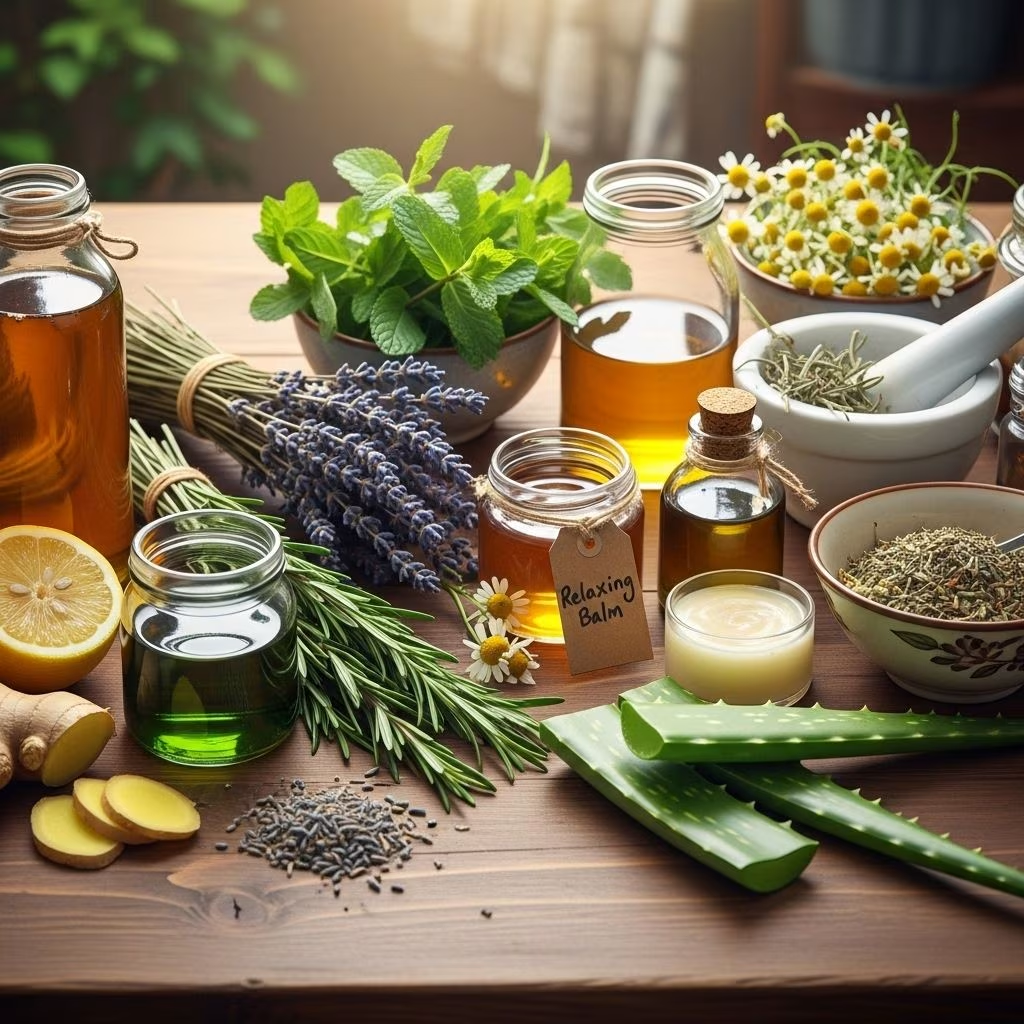
Feeling empowered to care for your family’s wellness using natural, homegrown ingredients is both rewarding and practical. With a well-stocked herbal pantry, you can handle seasonal illnesses, soothe dry skin, and support immunity with confidence. This comprehensive guide explores simple recipes for homemade herbal remedies and how to prepare them step by step, ensuring your natural medicine cabinet is ready for whatever the season brings.
Why Make Your Own Herbal Remedies?
Homemade herbal remedies are:
- More affordable than store-bought alternatives.
- Customizable for your family’s needs and sensitivities.
- Free from unnecessary chemicals, sugars, and preservatives often found in commercial products.
- A wonderful way to use harvested herbs and support self-sufficiency.
- Great for building confidence in traditional home care practices.
Whether you’re new to herbalism or a seasoned forager, these recipes cover basics and favorite remedies to help you prepare for the cold, dry, or allergy-prone months ahead.
Must-Have Herbal Remedies for Your Natural Medicine Cabinet
Here you’ll find beginner-friendly, time-tested herbal recipes from experienced herbalists and home remedy enthusiasts. Each features easy-to-source ingredients and clear instructions—perfect for restocking your pantry before cold and flu season hits.
1. Homemade Elderberry Syrup
Elderberry syrup has become the gold standard for immune support, especially during the cold and flu season. Not only is it simple to make, but it’s also much cheaper (and cleaner) than commercial varieties.
- Main benefits: Supports immune function, shortens cold duration.
- Key ingredients: Dried or fresh elderberries, water, honey, ginger, cinnamon, cloves.
- Usage: Take 1–2 teaspoons daily for prevention, more during illness (per adult dosing).
Basic Recipe:
- Combine 1 cup dried elderberries with 3 cups water, 1 cinnamon stick, 1 tablespoon fresh ginger, and 5 cloves in a pot.
- Simmer for 30–45 minutes, reduce by half, then strain.
- Let cool, then stir in 1 cup raw honey. Store in the fridge for 2–3 months.
2. Instant Pot Elderberry Syrup & Gummies
If you own an Instant Pot, making elderberry syrup is even quicker, and you can easily convert your syrup into fun, chewy elderberry gummies for kids.
- Method: Combine elderberries and spices with water, cook under high pressure for 8 minutes, quick release, then strain and sweeten.
- To make gummies: Whisk plain gelatin into warm syrup, pour into silicone molds, and chill until set.
- Great for: Children or anyone who prefers a sweet, portable treat.
3. Elderberry & Astragalus Gummies
This recipe enhances classic elderberry gummies by adding astragalus, an adaptogen known for its immune-boosting powers and traditional use to reduce the severity and duration of illness.
- Why astragalus? It supports resilience during stress and helps fortify the immune system.
- Preparation: Simmer elderberries and sliced dried astragalus together in water before adding gelatin and honey. Pour into molds for quick, kid-friendly health boosters.
4. Essential Oil-Based Hand Sanitizer
Maintaining clean hands is crucial during cold and flu outbreaks. Many commercial hand sanitizers contain harsh ingredients that can dry skin or disrupt the skin microbiome.
- Homemade advantage: Uses essential oils and skin-friendly alcohol for natural antimicrobial protection.
- Typical blend: 2/3 cup isopropyl alcohol, 1/3 cup aloe vera gel, 10 drops lavender or tea tree oil. Mix and store in a squeezable bottle.
- Customizable: Try adding eucalyptus, lemon, or rosemary for additional scent and antibacterial qualities.
5. Antimicrobial “Get Well Soon” Spray
This versatile antimicrobial spray is perfect for misting on hands, surfaces, pillows, or in the air—ideal for freshening the home and fighting airborne germs naturally.
- How it works: Uses essential oils known for antimicrobial activity, like clove, thyme, and citrus oils combined with witch hazel or vodka as a carrier.
- Just spray in rooms, on fabrics, or as a quick hand sanitizer alternative.
- Bonus: Pleasantly perfumed and chemical-free; safe for use around children and pets (when formulated carefully).
6. Herbal Cold Relief Tincture
This immune-boosting tincture leverages the combined properties of echinacea, astragalus, and Oregon grape root for effective cold symptom relief.
- Echinacea: Widely studied for enhancing immune function and reducing cold symptoms.
- Astragalus: Adaptogen supporting resilience to illness, particularly upper respiratory infections.
- Oregon grape root: Shares antimicrobial and liver-supportive qualities.
- How to make:
- Combine equal parts dried herbs in a jar; cover with vodka or brandy.
- Let steep for 4–6 weeks in a cool, dark place, shaking daily.
- Strain and store in an amber dropper bottle for up to a year.
- Take a few drops at the first sign of illness after checking with a healthcare professional.
7. Rose Hip Infused Vinegar
Rose hips are rich in natural vitamin C and antioxidants. Steeping them in vinegar yields a tangy, nutrient-rich infusion perfect for winter wellness.
- Recipe: Fill a clean jar 1/3 full with fresh rose hips, then top off with apple cider vinegar.
- Steep for 2–6 weeks, shaking occasionally. Strain and store.
- Use in salad dressings or as a vitamin tonic during cold and flu season. Especially helpful for immune support and as a zesty pantry addition.
8. Homemade Echinacea Glycerite (Alcohol-Free Extract)
Glycerites are herbal extracts using vegetable glycerin instead of alcohol. This alcohol-free option is safe for children, anyone avoiding alcohol, and those looking for a gentler alternative.
- What you need: Dried echinacea root or whole plant, food-grade glycerin, and water.
- Process: Fill a jar with dried echinacea, cover with a mixture of 3 parts glycerin to 1 part water, steep for 4–6 weeks, then strain and store.
- Take by the dropperful as immune support when needed.
9. Homemade Healing Salve
Wind, cold, and indoor heat can leave hands cracked and irritated. This herbal salve soothes and protects dry, chapped skin with the healing power of calendula, plantain, and beeswax.
- Basic method:
- Create an infused oil by steeping dried herbs in olive or coconut oil for 1–2 weeks.
- Strain, then gently melt with beeswax to reach a spreadable consistency.
- Pour into clean tins or jars and allow to set before use.
- Helps with: Cracked knuckles, dry lips, scrapes, and even baby skin issues.
Tips for Getting Started with Homemade Herbal Remedies
- Quality matters: Use organic or wild-harvested herbs whenever possible.
- Label everything: Record the name, ingredients, and date on each jar or bottle.
- Start small: Try one or two recipes before expanding your herbal pantry.
- Do a patch test: For skin remedies, test a small amount before full use, especially on children or sensitive skin.
- Always consult a healthcare provider: Especially for individuals taking medication, with existing conditions, or for children and pregnant women.
Essential Tools for the Herbal Kitchen
- Fine mesh strainers and cheesecloth for filtering herbs.
- Amber glass bottles and dropper jars for storing tinctures.
- Clean glass jars with tight lids for infusing oils and vinegars.
- Labeling materials (waterproof pen, labels).
- Small saucepans and a slow cooker or Instant Pot for syrups and infusions.
Frequently Asked Questions (FAQs)
Q: Are homemade herbal remedies safe for children?
A: Many herbal remedies, like elderberry syrup and alcohol-free glycerites, are safe for children when used properly. Always use age-appropriate dosages and consult a pediatrician before introducing new herbs, especially if your child has allergies or health conditions.
Q: How long do homemade herbal remedies last?
A: Shelf life varies by remedy: syrups with honey last 2–3 months in the fridge, tinctures can last a year or more, and well-stored infused oils and salves about 6–12 months. Always check for changes in smell, texture, or appearance before use.
Q: Can I make these remedies if I don’t grow my own herbs?
A: Absolutely! High-quality dried herbs from reputable suppliers work just as well as homegrown. Always look for organic, vibrant-colored, and aromatic herbs for best results.
Q: Do I need to use alcohol to make herbal tinctures?
A: Traditional tinctures do use high-proof alcohol, but you can make alcohol-free options, called glycerites, using food-grade vegetable glycerin. Both methods can yield effective herbal extracts.
Conclusion: Build Your Own Herbal Medicine Cabinet
Cultivating a collection of easy, effective homemade remedies is empowering and practical. Whether you start with elderberry syrup or experiment with herbal tinctures and balms, each recipe brings you closer to natural wellness. With proper care and informed use, your homemade herbal cabinet will serve you and your loved ones year-round.
References
- https://saltinmycoffee.com/homemade-herbal-remedies/
- https://saltinmycoffee.com
- https://pmc.ncbi.nlm.nih.gov/articles/PMC10630018/
- https://www.ncbi.nlm.nih.gov/books/NBK536964/
- https://journals.sagepub.com/doi/full/10.1177/1934578X20951431
- https://www.mayoclinic.org/diseases-conditions/depression/expert-answers/natural-remedies-for-depression/faq-20058026
- https://www.frontiersin.org/journals/pharmacology/articles/10.3389/fphar.2018.00295/full
- https://www.nature.com/articles/s41598-025-88341-5


