


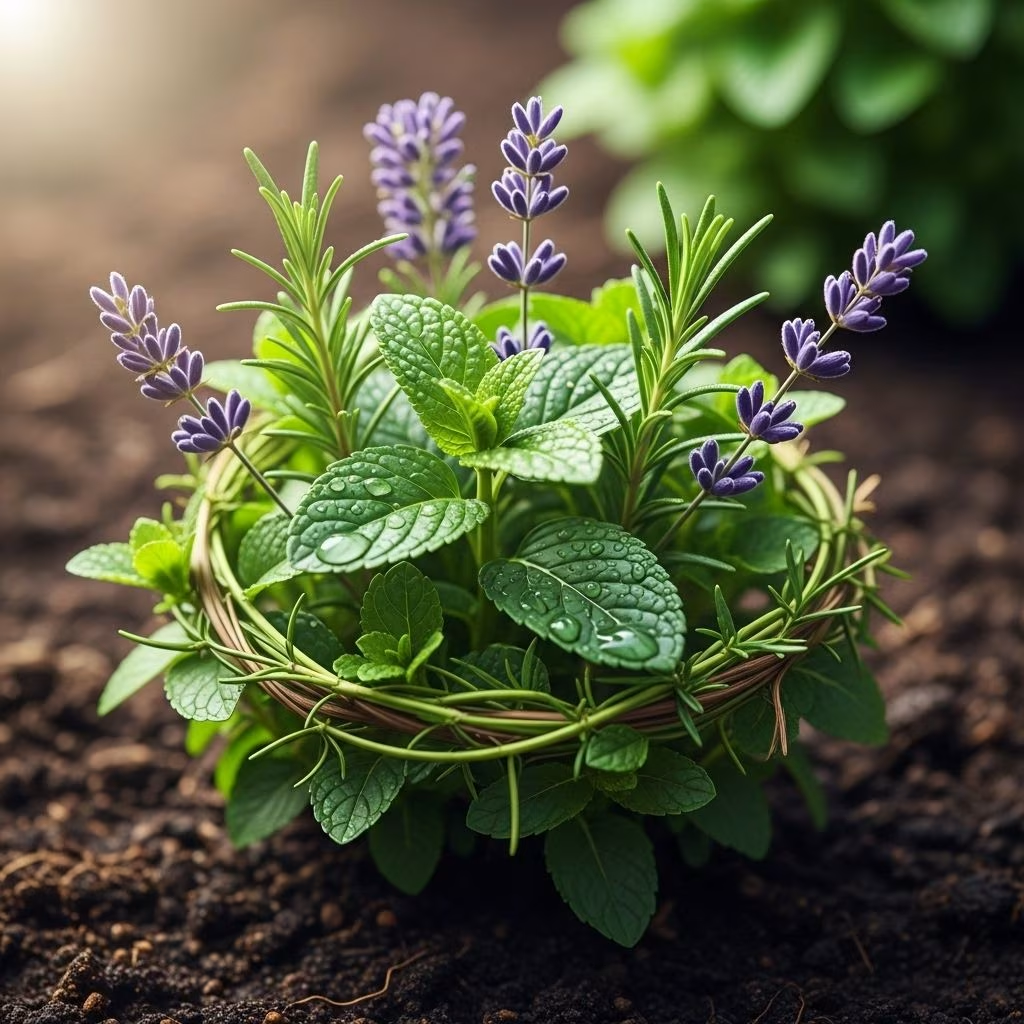
Natural Remedies for Alopecia Areata
Alopecia areata is an unpredictable, autoimmune disorder characterized by sudden hair loss in round patches, most often on the scalp. The psychological and social impact can be significant, but many individuals seek natural remedies to restore hair growth and improve overall scalp health. This article explores a range of holistic, evidence-based strategies that aim to support hair regrowth and manage this condition naturally.
Understanding Alopecia Areata
Alopecia areata occurs when the immune system mistakenly targets hair follicles, leading to inflammation and subsequent hair loss. While the exact cause remains unclear, it is believed to result from a combination of genetic, environmental, and possibly psychological factors. Although medical treatments exist, integrating natural remedies can be a supportive approach in managing its symptoms.
Key Natural Remedies for Alopecia Areata
1. Scalp Massage with Essential Oils
Scalp massages stimulate blood flow to the hair follicles, enhancing the delivery of vital nutrients and oxygen necessary for hair regrowth. Incorporating essential oils like lavender, rosemary, thyme, and cedarwood can further amplify the benefits by reducing inflammation and promoting scalp health.
- Mix a few drops of essential oils with a carrier oil (such as coconut, olive, or jojoba oil).
- Gently massage the mixture onto the scalp in circular motions for 5-10 minutes.
- Leave it on for 30-60 minutes before washing with a mild shampoo.
A 2016 study showed significant hair regrowth with daily scalp massages using a blend of these essential oils compared to a control group using only carrier oils[10].
2. Onion and Garlic Juice Application
Onion and garlic contain high levels of sulfur, stimulating hair follicles and exhibiting anti-inflammatory properties that may benefit those with alopecia areata.
- Blend the onion or garlic and strain the juice.
- Apply directly to bald or thinning patches on the scalp.
- Leave on for 15-30 minutes, then rinse thoroughly with a mild shampoo to eliminate odor.
Consistent use can stimulate dormant follicles and reduce irritation, although some users may experience mild scalp tingling.
3. Aloe Vera Gel
Well-known for its soothing and anti-inflammatory properties, aloe vera can help calm scalp irritation and foster an environment favorable to hair regrowth.
- Harvest fresh aloe vera gel from the leaf, or use a pure store-bought version.
- Apply directly to affected scalp regions.
- Let it sit for 20-30 minutes, then wash with lukewarm water.
This simple remedy provides moisture, relieves redness, and helps maintain scalp health.
4. Balanced and Anti-Inflammatory Diet
Nutritional deficiencies are common in those experiencing hair loss. Emphasizing a diet rich in vitamins, minerals, antioxidants, and proteins can be transformative for hair health:
- Increase foods high in biotin, iron, zinc, and vitamin D (e.g., eggs, nuts, spinach, fatty fish, pumpkin seeds).
- Consume more anti-inflammatory foods: green leafy vegetables, berries, turmeric, ginger, salmon, bone broth, coconut oil.
- Reduce or eliminate processed and high-sugar foods which aggravate inflammation.
Individuals should consult a healthcare provider to check for underlying deficiencies and tailor dietary choices accordingly for optimal results.
5. Probiotics and Gut Health
The gut plays a pivotal role in immune function. Introducing probiotics (from supplements or fermented foods like yogurt, kefir, kimchi, and sauerkraut) can help modulate immune responses and reduce overall inflammation in autoimmune conditions such as alopecia areata.
- Incorporate probiotic-rich foods daily to restore gut biodiversity.
- Consider a reputable probiotic supplement under medical guidance.
A healthier gut environment may help regulate autoimmunity and enhance the effectiveness of other remedies.
6. Zinc Supplements
Zinc is essential for cell division, immune function, and the normal working of hair follicles.
- Include more dietary zinc through foods like pumpkin seeds, chickpeas, cashews, beef, and spinach.
- For individuals with low serum zinc, supplementation may improve hair density and follicle activity.
Always consult a physician before starting zinc supplements, as excessive intake can produce adverse effects.
7. Reducing Stress for Hair Regrowth
Chronic stress can exacerbate autoimmune responses, potentially triggering or worsening alopecia areata.
- Adopt relaxation practices: yoga, meditation, mindfulness, breathing exercises, journaling, hobbies.
- Prioritize regular, moderate exercise to support circulation and psychological well-being.
- Seek support from friends, family, or counseling for emotional resilience.
Reducing stress hormones can foster conditions conducive to hair regrowth and overall healing.
8. Acupuncture
Acupuncture is a traditional therapy shown to benefit alopecia areata by reducing inflammatory T-cells, improving local circulation, warming hair follicles, and alleviating anxiety.
- Therapists target specific acupoints to enhance blood flow and reduce scalp inflammation.
Many individuals report improvements in both hair density and emotional well-being after consistent acupuncture sessions.
9. Regular Scalp Care
Consistency, patience, and gentle care are essential. In addition to the remedies above:
- Avoid harsh hair products, tight hairstyles, and chemical treatments.
- Choose mild, natural shampoos and conditioners to support scalp balance.
- Keep the scalp clean and hydrated at all times.
Scientific Evidence for Selected Remedies
| Remedy | Key Mechanisms | Published Benefits |
|---|---|---|
| Lavender/ Rosemary Oil | Increases scalp blood flow, reduces inflammation, enhances follicle health | Clinical studies report increased hair growth and density, especially with daily massage[10] |
| Onion/Garlic Juice | High sulfur content, stimulates dormant follicles, anti-inflammatory action | Traditional use with anecdotal reports of patchy regrowth |
| Aloe Vera Gel | Soothes scalp irritation, hydrates skin, reduces redness | Positive effect on scalp comfort and overall hair quality |
| Zinc | Supports immune balance, essential for follicle integrity | Improvement in regrowth seen in zinc-deficient individuals |
| Probiotics | Helps modulate immune responses via gut health | Animal studies and human reports of improved autoimmune regulation |
| Acupuncture | Reduces local inflammation, improves blood circulation | Some studies show decreased hair loss and improved mood |
Holistic Lifestyle Tips for Better Results
- Stay hydrated: Drink sufficient water throughout the day to support nutrient transport and skin vitality.
- Get restorative sleep: Aim for 7–9 hours per night to facilitate immune system reset and cellular repair.
- Protect your scalp: Use hats or scarves in the sun and during cold weather to minimize scalp irritation.
- Monitor progress: Take regular photographs and notes to objectively assess changes over weeks and months.
What to Expect With Natural Remedies
The effectiveness of natural remedies for alopecia areata varies widely among individuals. While some people experience visible improvements within a few months, others may require longer or notice only subtle changes. Persistence and combination approaches often yield the best results. Always consult a dermatologist or trichologist before starting new treatments, especially for severe or rapidly progressing cases.
Frequently Asked Questions (FAQs)
What causes alopecia areata?
Alopecia areata results from an autoimmune response where the immune system attacks healthy hair follicles, causing patchy hair loss.
Are natural remedies effective for alopecia areata?
Many natural remedies can support scalp health and may encourage hair regrowth, though results vary. They are best used as complementary treatments alongside guidance from a medical professional.
Which essential oils are most beneficial?
Lavender, rosemary, thyme, and cedarwood oils show the most evidence and are frequently recommended in topical blends for scalp massage in alopecia areata.
Is it safe to use onion or garlic juice on the scalp?
Generally, yes, but consider performing a patch test first, as both can cause mild irritation for sensitive skin. Always rinse thoroughly after application.
How important is diet in managing alopecia areata?
Diet plays a crucial role. Deficiencies in zinc, iron, biotin, or vitamin D can exacerbate hair loss. A well-rounded, anti-inflammatory diet supports the body’s healing mechanisms and hair health.
Can stress trigger alopecia areata flare-ups?
Yes. High stress levels can aggravate autoimmune activity and worsen symptoms. Integrating regular stress-reducing practices is highly recommended.
Conclusion: Embracing a Holistic Journey
Alopecia areata presents significant emotional and physical challenges, but natural remedies offer a promising adjunct to conventional treatments. From scalp massage and essential oils to boosting gut health and managing stress, these approaches nurture not just the scalp but the whole body. As every case is unique, individuals are encouraged to consult specialized healthcare providers to develop a personalized strategy, combining the best of nature and science on the journey toward optimal hair and scalp health.
References
- https://www.hairmdindia.com/blog/home-remedies-for-alopecia-areata
- https://draxe.com/health/alopecia-areata/
- https://health.clevelandclinic.org/alopecia-areata-natural-treatment
- https://www.naaf.org/other-treatments/
- https://www.youtube.com/watch?v=VUXWolEqq7g
- https://avenanaturalhealth.com/education/natural-remedies-alopecia-areata/
- https://www.myfreebird.com/blogs/health/natural-remedies-hair-loss
- https://jintegrativederm.org/doi/10.64550/joid.rh9h5v17
- https://pmc.ncbi.nlm.nih.gov/articles/PMC11549889/
- https://jamanetwork.com/journals/jamadermatology/fullarticle/189618


