


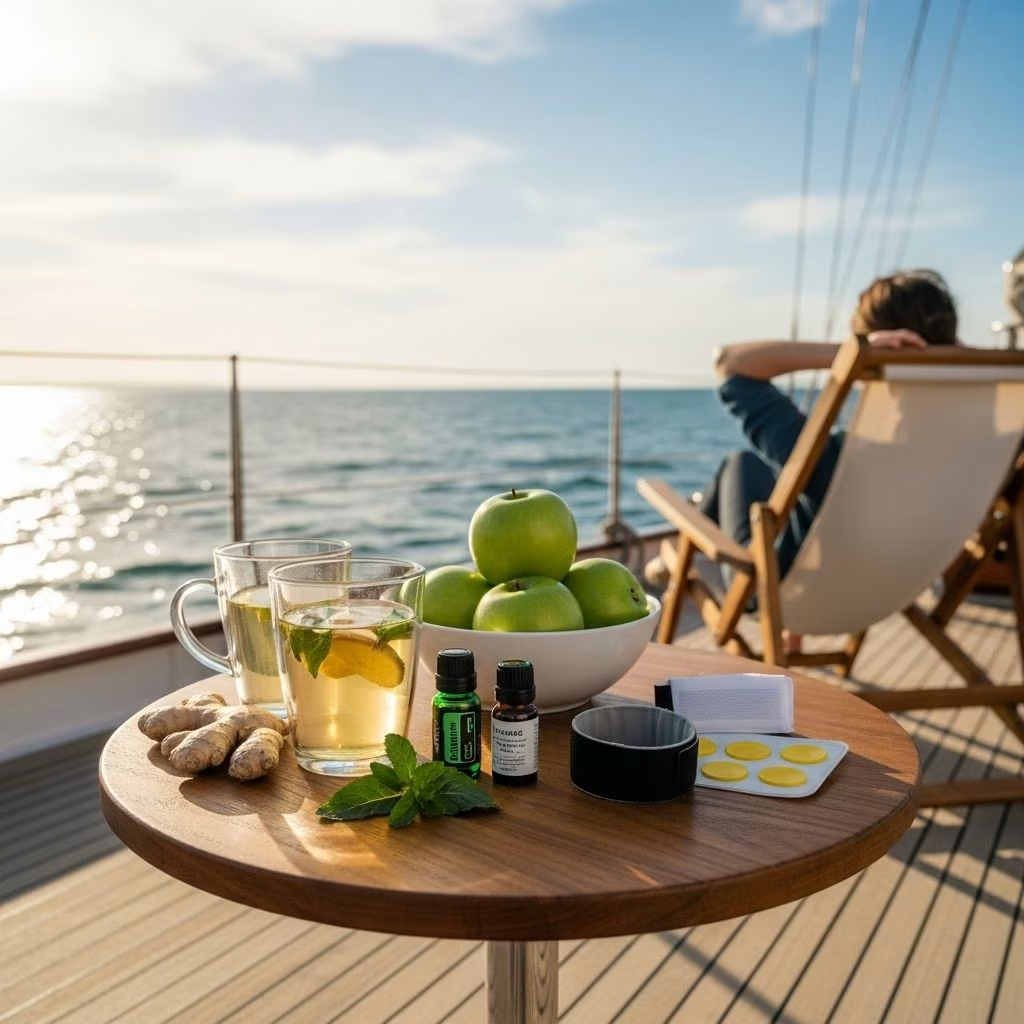
Seasickness remains one of the most challenging aspects of sailing and boating for both novices and experienced sailors. This debilitating form of motion sickness can transform an exciting maritime adventure into an uncomfortable ordeal. Understanding the mechanisms behind seasickness and knowing how to prevent and treat it effectively can make the difference between enjoying your time on the water and counting the minutes until you reach shore.
The good news is that seasickness is highly manageable with the right combination of preparation, prevention strategies, and treatment options. Whether you’re planning your first sailing trip or you’re a seasoned mariner looking for better solutions, this comprehensive guide will equip you with the knowledge and tools to combat seasickness effectively.
Understanding What Causes Seasickness
Seasickness occurs when your body experiences a sensory conflict between what your eyes see and what your inner ear’s vestibular system senses. When you’re below deck on a moving vessel, your eyes might perceive a stable environment while your inner ear detects the rolling and pitching motion of the boat. This disconnect confuses your brain, triggering a cascade of unpleasant symptoms.
The vestibular system in your inner ear contains fluid-filled canals that detect changes in motion and orientation. On a boat, these canals constantly signal movement to your brain, but if your visual system isn’t receiving matching information, your brain becomes confused about whether you’re moving or stationary. This confusion activates the body’s stress response, leading to the characteristic symptoms of seasickness.
Common symptoms include: nausea and vomiting, dizziness and disorientation, cold sweats and pallor, severe headaches, overwhelming fatigue, and increased salivation. These symptoms can range from mild discomfort to severe incapacitation, and individual susceptibility varies widely. Some people never experience seasickness, while others struggle even in relatively calm conditions.
Effective Medications for Seasickness Relief
Modern medicine offers several highly effective pharmaceutical options for preventing and treating seasickness. Understanding the differences between these medications can help you choose the best option for your specific needs and circumstances.
Prescription Medications
Scopolamine patches represent one of the most effective prescription options for seasickness prevention. Applied behind the ear, these transdermal patches deliver medication slowly through the skin over a 72-hour period. The patch should be applied 3 to 4 hours before travel to achieve optimal effectiveness. Scopolamine works by blocking signals in the brain that trigger nausea and vomiting, making it particularly useful for extended sailing trips.
However, scopolamine patches come with important considerations. They are not recommended for children, and common side effects include dry mouth, drowsiness, and blurred vision. Some individuals may also experience dizziness or confusion. Always wash your hands thoroughly after applying the patch to avoid accidentally transferring the medication to your eyes, which can cause temporary pupil dilation and vision disturbances.
Over-the-Counter Solutions
For those seeking non-prescription options, several over-the-counter medications have proven highly effective. Dramamine (dimenhydrinate) is perhaps the most widely recognized brand name for motion sickness relief. This antihistamine works by reducing the sensitivity of the inner ear to motion and by blocking signals to the vomiting center of the brain. The standard adult dosage is 50-100 mg taken every 4-6 hours as needed, with a maximum of 400 mg in 24 hours.
Bonine (meclizine) offers another excellent over-the-counter option with some distinct advantages. Meclizine tends to cause less drowsiness than dimenhydrinate while providing effective relief for up to 24 hours with a single dose. The typical dosage is 25-50 mg taken one hour before travel. This longer duration of action makes meclizine particularly convenient for day-long sailing excursions.
Both medications work best when taken several hours before departure, allowing time for the medication to reach therapeutic levels in your system. Taking regular doses until your body adjusts to the motion can provide ongoing protection. The primary drawback of these antihistamine-based medications is drowsiness, which can pose safety concerns on boats or when driving. Always be aware of how these medications affect you individually and adjust your activities accordingly.
Natural Remedies and Alternative Approaches
Many sailors prefer natural remedies either as standalone treatments or in combination with pharmaceutical options. These approaches often provide relief with fewer side effects and can be particularly appealing for those who prefer holistic health strategies.
The Power of Ginger
Ginger has been used for centuries across multiple cultures to combat nausea and digestive upset. Modern research supports its effectiveness for motion sickness, with studies showing that ginger can be as effective as some pharmaceutical options for mild to moderate symptoms. Ginger works by blocking the signals in the brain that cause nausea and by promoting gastric emptying, which helps settle an upset stomach.
You can consume ginger in multiple forms: ginger tea made from fresh or dried root, ginger capsules or tablets (250-500 mg taken 30 minutes before travel), crystallized ginger candy, ginger snap cookies, or ginger ale made with real ginger. For maximum effectiveness, start taking ginger supplements or consuming ginger products several hours before departure and continue at regular intervals throughout your journey. Most people tolerate ginger well, though some may experience mild heartburn or gastrointestinal discomfort at higher doses.
Acupressure Techniques and Wristbands
Acupressure, derived from traditional Chinese medicine, offers another drug-free approach to managing seasickness. The technique focuses on the P6 (Nei Guan) point, located on the inner wrist approximately three finger-widths below the wrist crease, between the two prominent tendons. Applying firm, steady pressure to this point for several minutes can help relieve nausea and prevent vomiting.
The FDA has approved acupressure wristbands like Sea-Band and Psi Band, which feature small studs positioned over the P6 point to provide continuous pressure. A literature review found that more than 60% of users reported significantly reduced nausea and vomiting when using these elastic cloth bands. For those seeking a more advanced option, electronic wristbands like ReliefBand and Emeterm use mild electrical impulses to stimulate the median nerve at the wrist, providing relief without medication or the need for precise point location.
Essential Oils and Aromatherapy
Inhaling certain scents can help manage nausea and create a calming effect. Essential lemon oil has shown particular promise in reducing nausea symptoms. Other beneficial scents include peppermint oil, which can soothe digestive discomfort, and lavender oil, which promotes relaxation and reduces anxiety that may exacerbate seasickness symptoms. Apply a few drops to a handkerchief or use a personal inhaler for convenient access while on the water.
Prevention Strategies for Staying Comfortable at Sea
Preventing seasickness is far easier than treating it once symptoms develop. Implementing strategic prevention measures before and during your voyage can dramatically reduce your susceptibility to motion sickness.
Optimal Positioning on the Vessel
Your location on the boat significantly impacts your seasickness risk. The vessel’s center of gravity experiences the least motion, making it the ideal spot for those prone to seasickness. On sailboats, this typically means staying near the mast. On larger vessels like ferries or cruise ships, positioning yourself near the middle of the ship at a lower deck near the waterline minimizes the effects of pitch and roll.
Staying on deck provides the crucial advantage of allowing you to see the horizon, which helps your brain reconcile the motion signals from your inner ear with visual input. Focus your gaze on a stable, distant object such as the horizon, land masses, or clouds. This visual anchoring helps reset the sensory conflict causing your symptoms. On smaller boats, avoid watching the deck or waves move beneath you, as this amplifies the sensory mismatch.
Pre-Trip Preparation
Dietary considerations play a surprisingly important role in seasickness prevention. In the 24 hours before departure, avoid heavy, greasy, spicy foods that can irritate your stomach. Alcohol should be avoided entirely, as it upsets the stomach, impairs balance, and causes dehydration—all factors that worsen seasickness. Instead, opt for light, bland meals that are easy to digest. On the day of travel, eat small portions rather than large meals, and continue nibbling on crackers or other bland foods throughout the day to avoid having a completely empty stomach.
Rest and hydration are equally critical. Arrive at the dock well-rested, as fatigue significantly increases seasickness susceptibility. Drink plenty of water in the hours leading up to departure, taking small sips throughout the day rather than large amounts at once. Dehydration intensifies nausea and other symptoms, so maintaining proper hydration is essential for prevention.
Behavioral Techniques While Underway
Once you’re on the water, several behavioral strategies can help keep seasickness at bay. Stabilize your head and core by sitting with your back supported or lying down flat when possible. Studies demonstrate that lying in a supine position reduces sickness severity even in rough seas. Keep your head movements to a minimum, as rapid head turns can trigger or worsen symptoms.
Avoid sensory conflicts by staying away from activities that require close visual focus, such as reading, using your phone, or looking at charts below deck. These activities create a stark contrast between the motion your body feels and the stationary visual field you’re focused on. Instead, engage in conversation with crewmates, listen to music, or simply observe the seascape—activities that don’t create additional sensory conflict.
Fresh air circulation is remarkably beneficial for preventing and alleviating seasickness symptoms. Strong odors from fuel, cooking, or confined spaces can trigger or intensify nausea. Whenever possible, stay in well-ventilated areas and take deep breaths of fresh air. If you need to go below deck, keep your time there brief and return topside at the first sign of discomfort.
Managing Active Seasickness Symptoms
Despite your best prevention efforts, seasickness symptoms may still occur. Knowing how to respond quickly and effectively can minimize the severity and duration of your discomfort.
Immediate Response Techniques
When you first notice symptoms developing, take immediate action. Move to the deck if you’re below, position yourself where you can see the horizon clearly, and lock your gaze on a stable, distant point. This visual anchoring technique often stops mild symptoms from progressing to more severe stages. Take slow, deep breaths of fresh air, which helps calm your nervous system and reduces nausea.
Hydration and light eating remain important even after symptoms begin. Take small sips of cold water, ginger ale, or flat cola at regular intervals. Nibbling on dry crackers, plain bread, or other bland foods can help settle your stomach—avoid an empty stomach, but don’t force yourself to eat large amounts. Many experienced sailors find that small amounts of protein, such as a few nuts or a piece of cheese, can be particularly effective for calming nausea.
When Vomiting Occurs
If vomiting becomes inevitable, position yourself at the leeward (downwind) side of the boat to avoid contaminating the deck or having spray blown back at you. After vomiting, rinse your mouth with fresh water and take small sips to rehydrate. Many people experience temporary relief after vomiting, though symptoms may return. Continue with prevention strategies and consider taking medication if you haven’t already.
Severe, persistent vomiting poses a risk of dehydration and electrolyte imbalance. If vomiting continues relentlessly for several hours, inform the skipper and consider seeking medical attention. Signs of concerning dehydration include dark urine, extreme thirst, dizziness when standing, and decreased urination.
Building Long-Term Resilience to Motion Sickness
For those who spend significant time on the water or who struggle with severe seasickness, long-term strategies can help build resilience and reduce susceptibility over time.
Gradual Exposure and Adaptation
Your brain possesses a remarkable ability to adapt to repeated motion experiences through a process called habituation. By gradually increasing your exposure to boat motion, you can train your brain to reconcile the sensory conflicts more efficiently. Start with short trips on calm water, then progressively increase the duration and intensity of your outings. Most people find that their susceptibility decreases significantly after several consistent exposures.
This adaptation process varies by individual—some people develop their “sea legs” within a day or two, while others may need several weeks of regular exposure. The key is consistency and patience. Even experienced sailors may need a brief readjustment period at the start of each sailing season or after extended time on land.
Vestibular Rehabilitation and Physical Conditioning
Specialized vestibular rehabilitation therapy, administered by trained physical therapists, can significantly reduce motion sickness susceptibility. These programs use targeted exercises including head turns at various speeds, eye tracking movements, and balance board training to improve your vestibular system’s ability to process motion signals. Research shows that consistent practice over several weeks can dramatically cut symptom intensity.
General physical fitness also plays a role in seasickness resistance. Regular cardiovascular exercise, core strengthening, and flexibility training through activities like yoga improve proprioception—your body’s awareness of its position and movement in space. Better proprioception helps you maintain balance on shifting decks and may reduce the sensory conflict that triggers seasickness.
Lifestyle Modifications
Certain lifestyle factors influence your overall susceptibility to motion sickness. If you smoke, consider quitting or at least abstaining before and during boat trips, as smoking increases motion sickness risk. Maintaining good sleep hygiene ensures you’re well-rested before voyages. Managing stress through relaxation techniques can also help, as anxiety and stress lower your threshold for developing symptoms.
Special Considerations for Different Situations
Sailing with Children
Children experience seasickness at similar rates to adults, but treatment options differ. Scopolamine patches are not recommended for children. Instead, focus on child-safe antihistamines like Dramamine for Kids (dosage based on age and weight), acupressure wristbands, ginger in age-appropriate forms such as ginger lollipops or mild ginger tea, and distraction through games and activities that don’t require close visual focus.
Keep children on deck where they can see the horizon, ensure they stay hydrated and eat light snacks regularly, and watch for early signs of seasickness so you can intervene quickly.
Extended Voyages and Offshore Sailing
For multi-day passages or offshore sailing, seasickness management requires a more comprehensive approach. Most people adapt within 24-72 hours at sea as their bodies adjust to constant motion. During this adaptation period, maintain medication schedules even if symptoms improve, continue with all prevention strategies, and ensure adequate rest and nutrition to support your body’s adjustment process.
Prepare a seasickness kit before departure containing multiple remedy options, as what works best may vary throughout the voyage. Include prescription and over-the-counter medications, ginger supplements, acupressure wristbands, essential oils, electrolyte replacement drinks, and bland, easy-to-prepare foods.
Frequently Asked Questions
Q: How long does it take for seasickness to go away?
A: Most people experience relief within 24-48 hours as their body adapts to the motion. Symptoms typically ease once you’re back on stable land, often within a few hours. Taking preventive medications and using remedies can significantly shorten the duration of discomfort.
Q: Can you build immunity to seasickness?
A: Yes, regular exposure to boat motion helps your brain adapt to the sensory conflicts that cause seasickness. This habituation process varies by individual but generally improves with consistent time on the water. Vestibular therapy exercises can also help build long-term resistance.
Q: What is the most effective medication for severe seasickness?
A: Prescription scopolamine patches are considered highly effective for severe cases, providing up to 72 hours of protection. They should be applied 3-4 hours before travel. For those unable to use scopolamine, meclizine (Bonine) offers effective over-the-counter relief with longer duration than other antihistamines.
Q: Are natural remedies as effective as medications?
A: For mild to moderate seasickness, natural remedies like ginger and acupressure can be quite effective and offer fewer side effects. Research shows ginger can match some pharmaceutical options in effectiveness. However, severe cases typically respond better to prescription or over-the-counter medications.
Q: Should I eat before going on a boat if I’m prone to seasickness?
A: Yes, having some food in your stomach is better than sailing on an empty stomach. Eat a light, bland meal 1-2 hours before departure and continue nibbling on crackers or other bland foods throughout your trip. Avoid heavy, greasy, or spicy foods that can upset your stomach.
Q: Why do some people never get seasick?
A: Individual susceptibility to motion sickness varies based on genetics, vestibular system sensitivity, and previous exposure to motion environments. Some people naturally process conflicting sensory signals more efficiently, while others have inner ear structures that are less sensitive to motion changes.
Q: Can looking at my phone or reading make seasickness worse?
A: Yes, focusing on stationary objects like phones or books while your body feels motion creates additional sensory conflict, often triggering or worsening seasickness symptoms. These activities are best avoided when you’re feeling queasy or in rough conditions.
Q: Is it better to stay above deck or go to a cabin when feeling seasick?
A: Staying above deck where you can see the horizon and breathe fresh air is generally better for managing active symptoms. However, if you can lie down flat in a well-ventilated cabin, this position may also help reduce symptom severity by minimizing head movement and reducing sensory input.
Conclusion: Mastering Your Maritime Experience
Seasickness need not be an insurmountable barrier to enjoying life on the water. Armed with knowledge about prevention strategies, treatment options, and long-term adaptation techniques, you can confidently approach any sailing adventure. The key lies in preparation, early intervention, and finding the combination of remedies that works best for your individual physiology.
Start by implementing prevention strategies before you even step aboard—proper rest, hydration, and dietary choices lay the foundation for success. Once underway, maintain awareness of your body’s signals and respond quickly to early symptoms before they escalate. Don’t hesitate to combine multiple approaches: pharmaceutical medications, natural remedies, positioning strategies, and behavioral techniques all work synergistically to keep seasickness at bay.
Remember that seasickness is temporary and manageable. Most sailors find that their susceptibility decreases with regular exposure, and many who once struggled severely eventually become comfortable even in challenging conditions. With patience, persistence, and the right tools in your arsenal, you can transform seasickness from a debilitating obstacle into a minor inconvenience, allowing you to fully embrace the freedom and adventure that sailing offers.
References
- https://www.mayoclinic.org/first-aid/first-aid-motion-sickness/basics/art-20056697
- https://health.ucdavis.edu/blog/cultivating-health/motion-sickness-how-you-can-prevent-symptoms-and-enjoy-travel/2024/05
- https://www.cdc.gov/yellow-book/hcp/travel-air-sea/motion-sickness.html
- https://myhealth.alberta.ca/Health/aftercareinformation/pages/conditions.aspx?hwid=zc1321
- https://www.goodrx.com/conditions/nausea/living-with-seasickness-mike-larson
- https://healthy.kaiserpermanente.org/health-wellness/health-encyclopedia/he.motion-sickness-care-instructions.zc1321
- https://thenauticalnomad.com/health-and-fitness-at-sea/seasickness-prevention-and-remedies/the-best-medications-for-seasickness-a-comprehensive-guide/
- https://seatow.com/how-to-cure-sea-sickness/


