


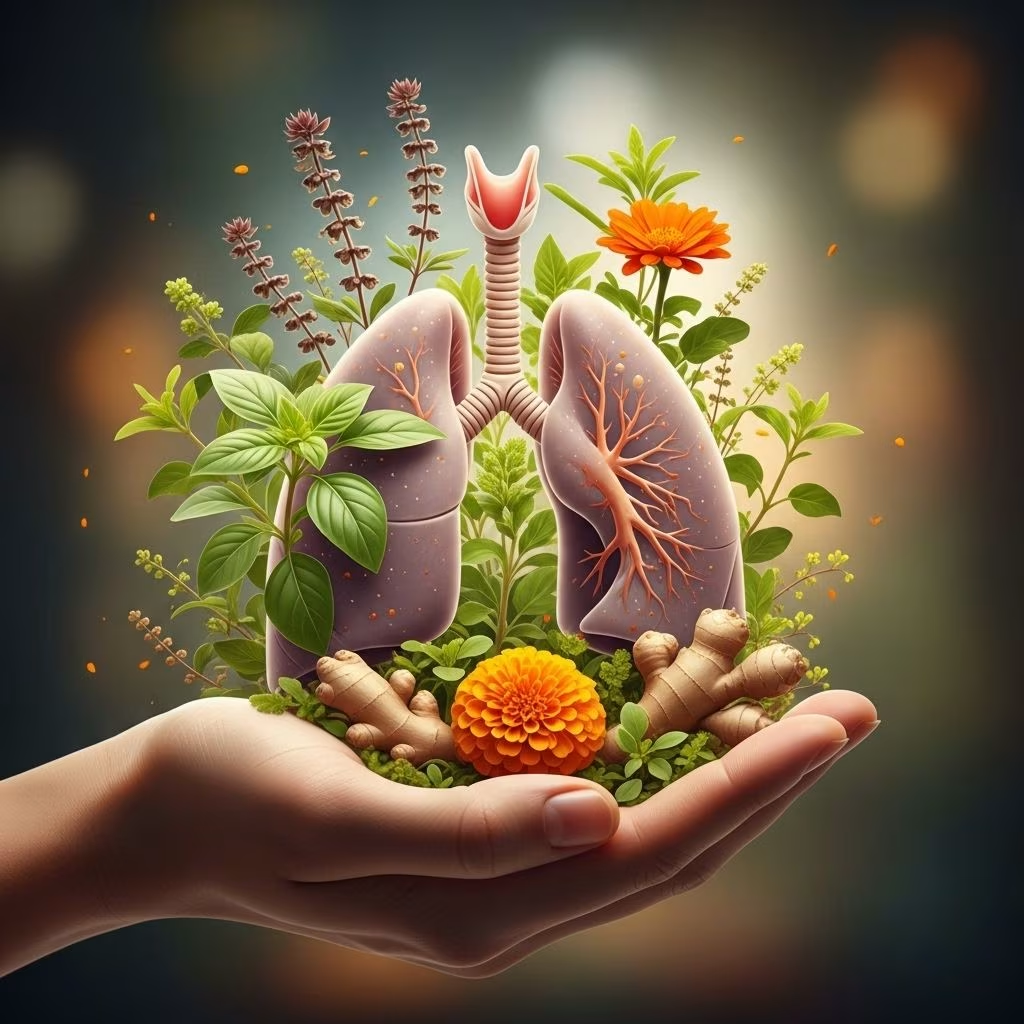
Natural Remedies for Lung Cancer: Shuddhi Ayurveda’s Holistic Approach
Lung cancer stands as one of the most persistent health challenges globally, claiming countless lives annually. While modern treatments, such as chemotherapy, radiation, and surgery, remain the foundation of conventional cancer care, many people increasingly turn to holistic and complementary approaches to manage symptoms, reduce side effects, and enhance quality of life. Shuddhi Ayurveda advocates for a comprehensive, natural path to cancer care, emphasizing harmony of the body, mind, and spirit through proven Ayurvedic modalities, medicinal herbs, dietary optimization, and lifestyle discipline.
Understanding Lung Cancer and Ayurveda
Lung cancer arises when abnormal cells grow uncontrollably in the lung tissues, impeding breathing and oxygen exchange. Symptoms often include persistent cough, shortness of breath, chest pain, and unexplained weight loss. Globally, it remains one of the leading causes of cancer mortality, with millions of new diagnoses annually.
Ayurveda, India’s ancient holistic healing system, interprets cancer as Arbuda or Granthi—meaning abnormal growth influenced by doshic imbalance (Vata, Pitta, Kapha), toxins (ama), and weakened life energy (ojas). For lung cancer (called Yakrit or Phupphus Arbuda in classical texts), Ayurveda seeks to:
- Enhance immunity and tissue strength
- Detoxify and clear systemic toxins
- Balance the body’s constitution (Prakriti)
- Minimize side effects from aggressive cancer treatments
- Promote longevity and overall wellbeing
How Ayurveda Addresses Lung Cancer
Ayurvedic cancer care is a discipline geared towards restoring the body’s inherent healing ability and resilience. Key objectives include:
- Body-wide purification (removal of ama and accumulated toxins)
- Strengthening lung tissues and respiratory pathways
- Stabilizing immune function to resist further malignancy
- Supporting mental equilibrium and endurance throughout treatment
Unlike conventional approaches targeting cellular destruction, Ayurveda adopts gentle yet effective therapies—herbal formulations, dietary correction, yogic breathing, meditation, and Panchakarma detox—to support holistic recovery.
Ayurvedic Therapies and Detoxification
One of the pillars of Ayurvedic cancer support is Panchakarma, a series of personalized cleansing and rejuvenating therapies. Panchakarma seeks to eliminate deep-seated toxins, balance doshas, and revive cellular function, making it valuable for those managing or recovering from lung cancer.
Key Panchakarma and Detox Techniques:
- Vamana (Therapeutic Emesis): Helps clear excess Kapha, beneficial in respiratory disorders.
- Virechana (Purgation): Relieves Pitta-related toxins, cleanses the intestines and circulation.
- Basti (Medicated Enema): Strengthens elimination, supports immunity, expels vata-aggravated toxins.
- Nasya (Nasal Administration): Purifies nasal and respiratory channels, clears congestion, and rejuvenates the senses.
- Swedana (Herbal Steam): Induces sweating to open airways, flush out impurities, and ease breathing.
These therapies should always be administered under the supervision of qualified Ayurvedic practitioners and tailored to the patient’s constitution, stage of disease, and overall vitality.
Herbal Remedies for Lung Health
Ayurveda employs a wide array of botanicals, carefully selected for their anti-inflammatory, antioxidant, immune-enhancing, and tissue-regenerating effects. The following herbs are commonly recommended for lung cancer support:
| Herb | Key Actions | Notes |
|---|---|---|
| Ashwagandha (Withania somnifera) | Adaptogen; boosts immunity, counters fatigue, supports tissue repair | Also reduces anxiety and stress related to illness |
| Turmeric (Curcuma longa) | Anti-inflammatory, antioxidant, shown to inhibit arbuda (tumor) growth | Contains curcumin; supports detox and metabolism |
| Guduchi (Tinospora cordifolia) | Immunomodulator, detoxifier, enhances resilience to infections | Restores ojas (vitality) |
| Amalaki (Indian gooseberry) | Rich in Vitamin C, antioxidant, rejuvenates tissues | Strengthens immune defenses |
| Mulethi (Licorice root) | Soothes respiratory tract, anti-inflammatory, expectorant | Common in decoctions (kadhas) |
| Pippali (Long pepper) | Lung tonic, alleviates cough, enhances bioavailability of other herbs | Useful in chronic respiratory weakness |
| Tulsi (Holy basil) | Powerful respiratory adaptogen, supports immunity and purification | Often used in herbal teas and decoctions |
Herbs are typically administered as powders, decoctions, teas, or combinations, often forming a bespoke prescription under experienced guidance.
Personalized Diet and Nutrition
Optimal nutrition is essential for those facing cancer, serving both as a source of nourishment and a therapeutic aid. In Ayurveda, diet is strictly individualized, but some general principles for lung cancer recovery include:
- Prioritize warm, cooked foods: Meals like khichdi (rice and lentil porridge), boiled vegetables, and soups are easy to digest and supportive of weak digestion.
- Focus on easily assimilable grains and legumes: Millets, mung beans, and rice soups are preferred.
- Restrict mucus-forming and heavy foods: Avoid milk, paneer, curd, white sugar, and all processed, cold, or refrigerated foods. Such items increase Kapha and can aggravate congestion.
- Add lung-cleansing spices: Incorporate turmeric, ginger, black pepper, cumin, and garlic into daily recipes to boost circulation and clear phlegm.
- Sip herbal teas: Kadha (herbal decoctions) made with tulsi, mulethi (licorice), and pippali (long pepper) are beneficial for respiratory strength.
- Avoid junk and leftover foods: Emphasize fresh, natural, seasonal ingredients for vitality and ojas restoration.
Ayurveda also recommends eating at regular intervals, avoiding large or late-night meals, and maintaining mental calm during eating.
Lifestyle and Mind-Body Practices
Recovery from lung cancer is not purely physical; mental and emotional wellbeing play a crucial role in holistic healing. Shuddhi Ayurveda emphasizes daily routine and mind-body integration as vital aspects of holistic care:
- Wake up before sunrise: Begin the day with calmness and clarity, aligning with natural rhythms.
- Practice Pranayama (breathwork): Exercises such as Anulom Vilom (alternate nostril breathing), Bhramari (humming bee), and Ujjayi (victorious breath) promote lung expansion, oxygenation, and mental tranquility.
- Engage in gentle yoga: Postures supporting chest opening and gradual strength allow better breathing and relaxation.
- Commit to timing: Eat meals at fixed times, avoid late or hefty dinners, and pace daily activities to avoid exhaustion.
- Emotional balance: Achieve peace through meditation, chanting, or spiritual activities that calm anxiety and foster hope.
- Avoid environmental hazards: Steer clear of polluted areas and strictly refrain from smoking or second-hand smoke exposure.
- Take herbal decoctions regularly: As prescribed, to support immunity and rejuvenation.
Home Remedies Endorsed by Acharya Manish Ji
Acharya Manish Ji—a proponent of integrating classical Ayurveda with modern needs—shares several practical, accessible home remedies for daily lung support. Among the most recommended is a simple lozenge made from:
- Mulethi (licorice root)
- Green cardamom (threaded variety)
- Dhaga mishri (threaded crystal sugar)
Method of Use:
- Keep the combination in your mouth and let it dissolve gradually (do not chew).
- Afterwards, sip warm Tulsi kadha for further lung cleansing and immune support.
This remedy offers gentle cleansing, potentially reduces irritation, and supports respiratory tissue strength.
Other Practical Home Tips:
- Consume warm water and herbal teas throughout the day.
- Include fresh, slightly spiced soups and broths in meals.
- Regularly diffuse or inhale essential oils such as eucalyptus or camphor to open airways.
Frequently Asked Questions (FAQs)
Q: Can Ayurveda cure lung cancer completely?
A: While Ayurveda may not provide a complete cure for advanced cancer, it can significantly support symptom relief, improve quality of life, boost immunity, and minimize side effects when used alongside conventional treatments or as complementary care. An individualized approach is essential for best results.
Q: Are Ayurvedic remedies safe to use with chemotherapy?
A: Many herbs and Panchakarma therapies are considered safe and even helpful in reducing chemotherapy-induced side effects such as nausea, fatigue, and loss of appetite. However, always consult a qualified Ayurvedic practitioner and oncologist before combining therapies, as some herbs can interact with medications.
Q: What are the most important herbs for lung cancer support in Ayurveda?
A: Ashwagandha, turmeric, guduchi, amalaki, tulsi, mulethi, and pippali are commonly prescribed for their immunomodulatory, respiratory, and adaptogenic benefits. Herbal prescriptions are individualized for best outcomes and should be used under expert supervision.
Q: What foods should lung cancer patients avoid according to Ayurveda?
A: Patients are advised to avoid mucus-forming foods (such as dairy, white sugar, and cold foods), processed and leftover foods, and excessive heavy/fried foods. Focusing on freshly prepared, warm, and digestive-friendly meals is recommended.
Q: Can Ayurvedic practices improve energy and breathing in lung cancer patients?
A: Regular practice of pranayama, light yoga, and daily routines based on Ayurveda can enhance energy, reduce breathlessness, and promote overall resilience. Several case studies report improved stamina and reduced symptoms following these protocols.
Key Takeaway
Shuddhi Ayurveda’s approach to lung cancer is rooted in centuries-old wisdom and modern case experience. Through detoxification therapies, specific herbal remedies, tailored diet, and disciplined lifestyle management, Ayurveda offers hope for improved respiratory health, mitigation of side effects, and enhancement of life quality during cancer treatment. All interventions should be undertaken with guidance by qualified practitioners, complementing—not replacing—conventional cancer therapy as appropriate.
References
- https://shuddhi.com/blog/how-shuddhi-ayurveda-helps-in-the-fight-against-cancer/
- https://jeenasikho.com/can-ayurveda-help-in-lung-cancer-recovery-heres-what-you-should-know/
- https://ayushdhara.in/index.php/ayushdhara/article/download/2075/2209/5044
- https://shuddhi.com/blog/ayurvedic-treatment/
- https://shuddhihiims.com/specialties/cancer-care/
- https://hiims.in/blog/cancer-diet-plan-in-ayurveda/
- https://www.youtube.com/watch?v=VcT-Tqj2FZQ
- https://shuddhi.com/blog/lung-cancer-stage-1-solution/
- https://ayushdhara.in/index.php/ayushdhara/article/view/2075


