


Introduction to Skin Whitening
Skin whitening has become a popular trend worldwide, with many seeking to achieve fairer skin. While chemical-based products are available, natural remedies are gaining favor due to their safety and effectiveness. Here, we’ll explore the best natural skin whitening methods you can try at home.
Natural Ingredients for Skin Whitening
Several natural ingredients are known for their skin-lightening properties. These include:
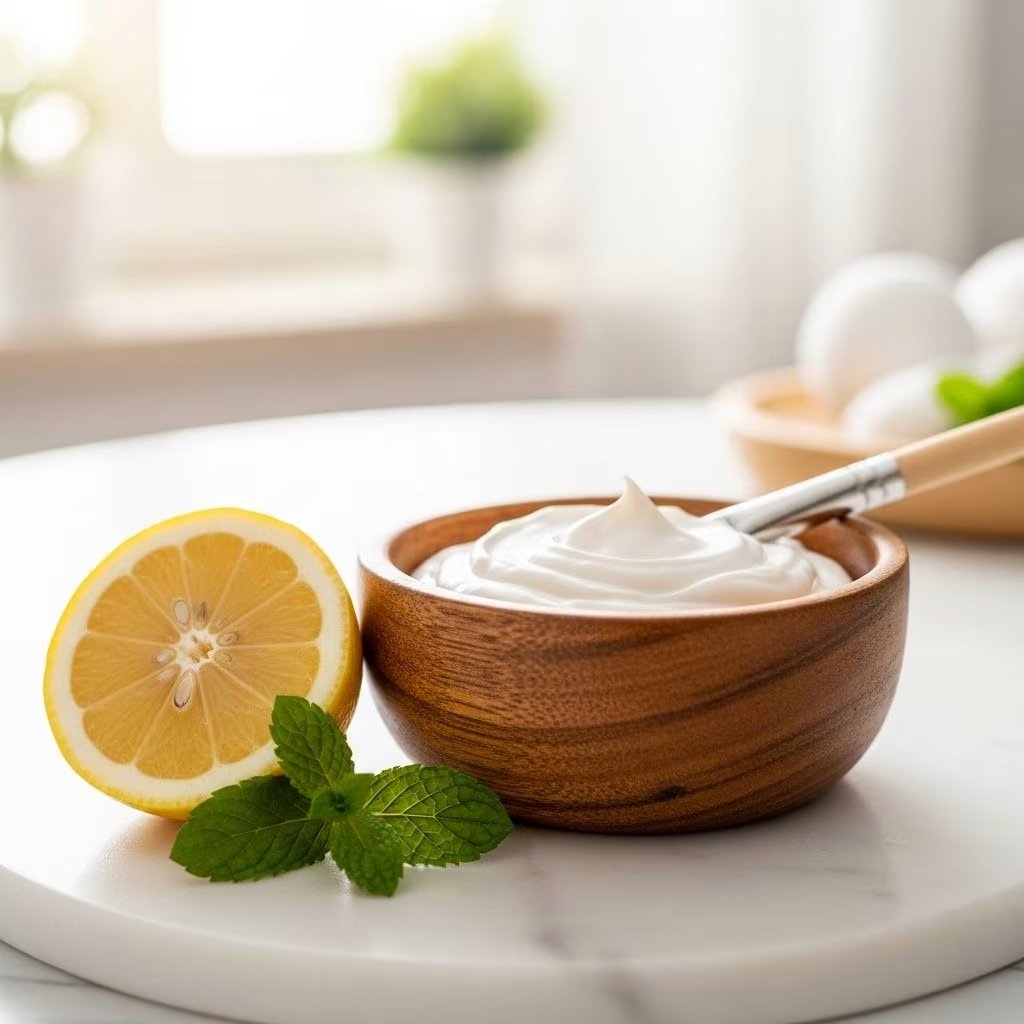
- Lemon Juice: Known for its vitamin C content, lemon juice acts as a natural skin lightener. Dilute it with water or milk to avoid skin irritation.
- Aloe Vera: Aloe vera gel hydrates and soothes the skin, reducing dark spots and promoting a brighter complexion.
- Yoghurt: Rich in lactic acid, yoghurt gently exfoliates and brightens the skin.
- Turmeric: Contains antioxidants and curcumin, which help reduce pigmentation.
- Cucumbers and Papayas: These fruits have cooling properties and can help even out skin tone.
DIY Face Masks and Treatments
Creating your own face masks with natural ingredients can be both fun and effective. Here are some recipes:
- Turmeric and Yoghurt Mask: Mix 1 tablespoon of turmeric powder with 1 tablespoon of yoghurt. Apply for 15 minutes before rinsing.
- Cucumber and Aloe Vera Refresher: Blend cucumber juice with aloe vera gel and apply as a mask or toner.
Asian Herbs for Skin Whitening
Asian herbs have been extensively studied for their skin-whitening properties. Some notable herbs include:
- Licorice Extract (Glabridin): Known for its tyrosinase inhibiting properties.
- Ginseng: Exhibits anti-melanogenesis effects.
- Aloe Vera: Also recognized in Asian skincare for its lightening effects.
Common Skin Whitening Agents
Beyond natural herbs, several other agents are used in skin whitening products:
- Azelaic Acid: Derived from yeast, it inhibits tyrosinase.
- Glycolic Acid: An alpha-hydroxy acid that enhances skin cell turnover.
- Kojic Acid: Obtained from fungi, it is a potent tyrosinase inhibitor.
- Niacinamide: Works by reducing melanin transfer.
Safety and Precautions
While natural remedies are generally safer, it’s crucial to perform patch tests before using any new ingredients. Avoid strong chemicals like mercury or hydroquinone, as they can cause permanent damage.
Frequently Asked Questions (FAQs)
Q: Are natural skin whitening methods safe?
A: Generally, natural methods are safe, but ensure you perform a patch test before applying any new ingredients.
Q: How long does it take to see results from natural skin whitening treatments?
A: Results may vary, but consistent use over several weeks can start to show noticeable improvements.
Q: Can I use these remedies on sensitive skin?
A: Yes, but be cautious with acidic ingredients like lemon juice. Always dilute them and perform a patch test first.
Conclusion
With the right combination of natural ingredients and a consistent skincare routine, achieving fairer skin at home is not only possible but also safer and more cost-effective. Remember to always prioritize skin health and safety when exploring any new skincare treatments.
References
- https://pmc.ncbi.nlm.nih.gov/articles/PMC7271691/
- https://pmc.ncbi.nlm.nih.gov/articles/PMC7358643/
- https://www.rafflesmedicalgroup.com/health-resources/health-articles/tips-for-fairer-skin/
- https://www.vinmec.com/eng/blog/10-home-remedies-for-bright-glowing-skin-en
- https://www.vinmec.com/eng/blog/side-effects-of-skin-whitening-products-en
- https://en.wikipedia.org/wiki/Skin_whitening
- https://www.healthline.com/health/beauty-skin-care/home-remedies-for-glowing-skin
- https://www.medicalnewstoday.com/articles/how-to-brighten-skin
- https://www.medanta.org/patient-education-blog/skin-lightening-vs-skin-brightening-whats-the-difference


