


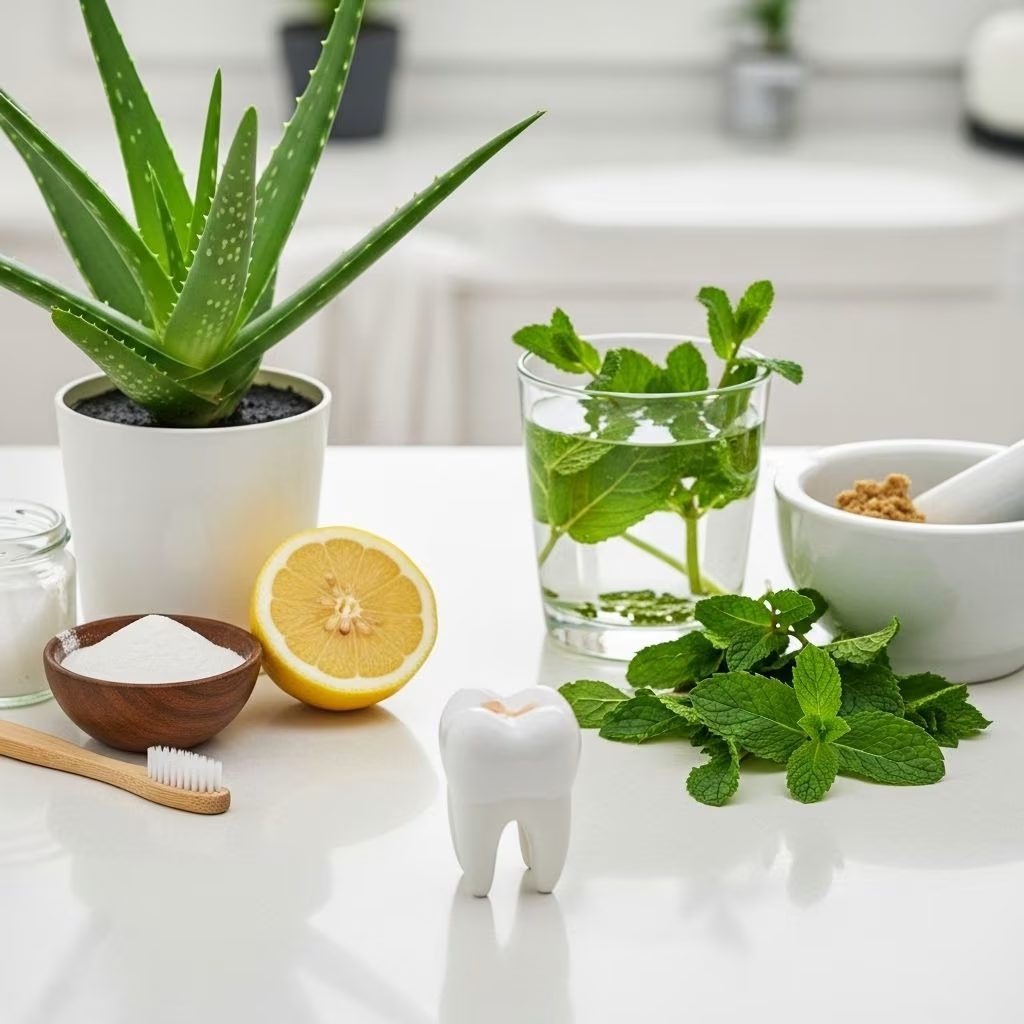
Introduction to Natural Remedies for Oral Health
There is a growing interest in natural remedies for maintaining and improving oral health. These remedies often include herbal treatments, homemade rinses, and other non-traditional methods aimed at reducing plaque, tartar, and gum inflammation. However, it’s crucial to understand both the benefits and limitations of these remedies to ensure they are used effectively and safely.
Understanding Oral Health
Oral health is not just about having a healthy smile; it plays a significant role in overall well-being. Gum disease, for instance, can range from mild gingivitis to severe periodontitis, leading to symptoms like redness, swelling, and even tooth loss if not properly managed.
Causes and Stages of Gum Disease
Gum disease typically begins with plaque buildup on the teeth and along the gumline. If plaque is not removed through regular brushing and flossing, it hardens into tartar, irritating the gums and potentially leading to infection. The two main stages of gum disease are:
- Gingivitis: This is the mildest form, characterized by redness, swelling, and occasional bleeding of the gums.
- Periodontitis: A more advanced stage where inflammation causes gum recession and ‘pockets’ around the teeth, potentially resulting in bone and tooth loss if left untreated.
Popular Natural Remedies for Oral Health
Herbal Remedies
Herbal remedies like aloe vera gel, green tea, and chamomile are known for their soothing and antibacterial properties. Aloe vera can help reduce inflammation, while green tea’s antioxidants support overall oral health.
- Benefits: These remedies can calm irritated gums and provide short-term relief from gum inflammation.
- Limitations: They do not remove plaque or tartar, and persistent symptoms may require professional dental intervention.
Saltwater Rinse
A warm saltwater rinse is often recommended for reducing inflammation and killing bacteria in the mouth. It can be used as part of a regular oral hygiene routine but should not replace brushing and flossing.
- Benefits: Effective for temporary pain relief and reducing swelling.
- Limitations: Not a substitute for regular dental care practices.
Hydrogen Peroxide Rinse
Mixing equal parts of 3% hydrogen peroxide and water can help reduce bacteria in the mouth. However, it should be used sparingly to avoid irritating the gums.
- Benefits: Temporarily reduces bacteria.
- Limitations: Should be used cautiously and not as a replacement for professional dental cleanings.
Turmeric Paste
Turmeric contains curcumin, an anti-inflammatory compound that can soothe mild gum inflammation. However, it does not remove plaque or tartar.
- Benefits: Can provide temporary relief from swelling.
- Limitations: Does not address underlying causes of gum disease.
Oil Pulling
Oil pulling involves rinsing the mouth with oils like coconut or sesame oil. Despite its popularity, there is no scientific evidence supporting its benefits for oral health.
- Myth: Claimed to whiten teeth or improve oral health.
- Fact: No peer-reviewed research supports these claims.
Charcoal Toothpaste
Activated charcoal toothpaste is often marketed for its whitening properties. However, it can be abrasive and wear away enamel, with no proven benefits for oral health.
- Myth: Believed to whiten teeth effectively.
- Fact: Can be harmful due to its abrasive nature.
Debunking Common Dental Myths
Myth #1: Natural Remedies Can Cure Gum Disease
While some natural remedies can manage symptoms, they are not a replacement for professional dental care.
Myth #2: Flossing is Unnecessary
Flossing is crucial for removing plaque and food particles from between teeth, an area a toothbrush cannot reach.
Myth #3: Lemon Juice and Baking Soda Whiten Teeth
These methods can be harmful, as lemon juice is acidic and can erode enamel, while baking soda is abrasive and can wear down teeth.
Conclusion
Natural remedies can be a useful addition to oral health routines but should never replace regular dental check-ups and cleanings. Understanding both the benefits and limitations of these remedies is crucial for maintaining optimal oral health.
Frequently Asked Questions (FAQs)
Q: Are all natural remedies safe for oral health?
A: While many natural remedies are safe, some can cause irritation or other issues if not used properly. Always consult a dentist before trying new treatments.
Q: Can flossing be replaced with mouthwash?
A: No, flossing is essential for removing plaque and food particles between teeth, which mouthwash cannot do effectively.
Q: How often should I visit a dentist for check-ups?
A: Regular check-ups should be scheduled every six months to maintain optimal oral health and prevent dental issues early.
References
- https://www.thepasadenadentist.com/gum-health-myths-do-natural-remedies-really-work
- https://www.smilecircle.com/blog/dental-diy-myths-vs-facts-about-at-home-remedies-for-oral-health/
- https://www.aplusfamilydentistry.com/debunking-common-dental-myths-facts-vs-fiction
- https://www.roguevalleydentist.com/dental-health-myths-debunked/
- https://www.thesuperdentists.com/12-common-dental-myths-debunked/
- https://www.colgate.com/en-us/oral-health/adult-oral-care/six-myths-about-oral-health-and-overall-health
- https://beyonddentalhealth.com/dispelling-dental-myths/
- https://bluffsidesmiles.com/tag/dental-myths/
- https://www.barclayfamilydental.com/from-sugar-to-x-rays-debunking-popular-dental-myths


