


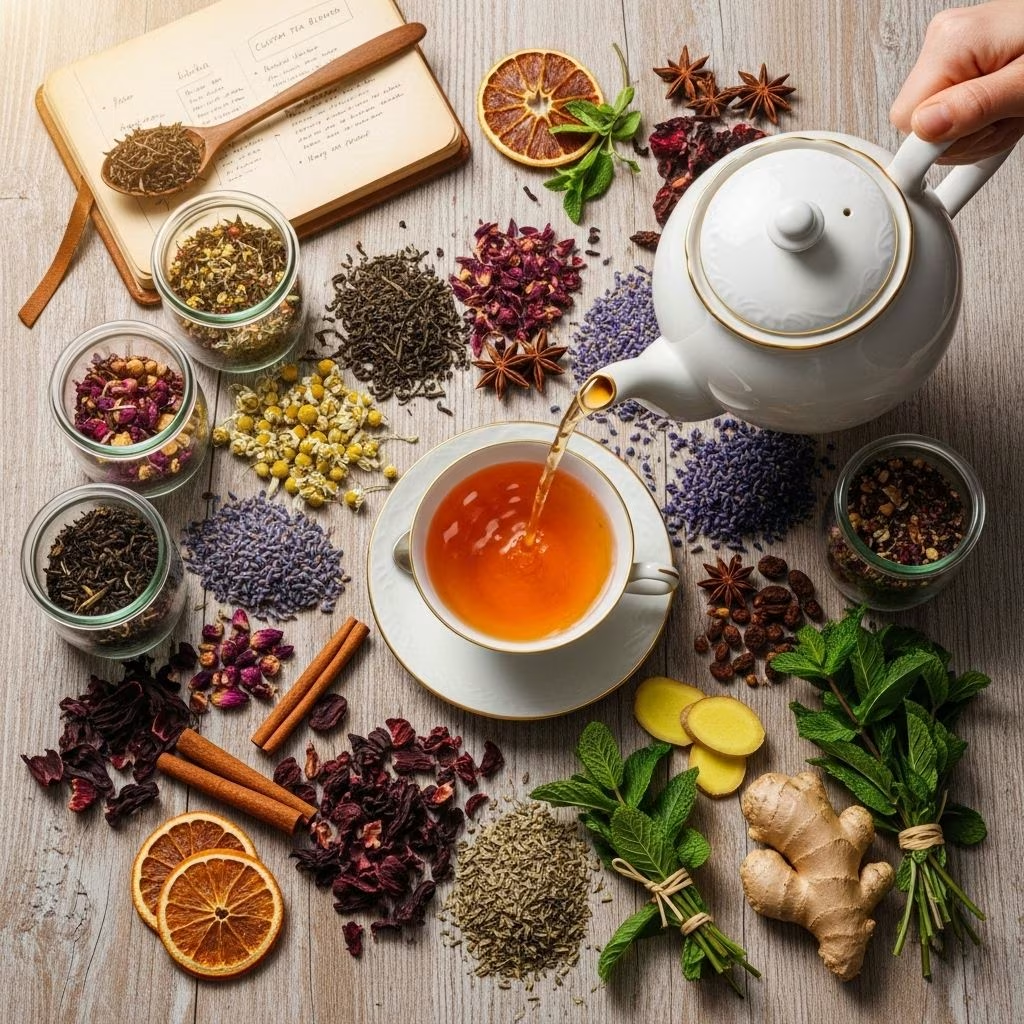
Introduction to Custom Herbal Tea Blends
Herbal teas offer a wide range of health benefits and flavor profiles, making them a versatile choice for enthusiasts and those seeking holistic wellness solutions. Creating custom blends allows you to tailor teas to your specific needs, whether it’s promoting relaxation, boosting energy, or supporting digestion. This guide will walk you through the process of crafting your perfect blend.
Understanding Base Flavors
When creating a custom herbal tea blend, selecting the right base ingredients is crucial. These can include herbs like chamomile for relaxation, peppermint for digestive aid, or elderflower for immune support. The base sets the foundation for the overall flavor and intended use of the tea.
Popular Base Ingredients:
- Chamomile: Known for its calming effects, perfect for a relaxing tea.
- Peppermint: Aids digestion and can leave a refreshing taste.
- Elderflower: Often used for its immune-boosting properties.
Choosing a Theme for Your Blend
A theme will guide your ingredient selection. Common themes include relaxation, energy, digestion, and immune support. For example, a relaxing blend might include lavender and valerian root, while an energy-boosting blend could feature yerba mate and ginger.
Popular Themes and Ingredients:
| Theme | Common Ingredients |
|---|---|
| Relaxation | Lavender, Chamomile, Valerian Root |
| Energy | Yerba Mate, Ginger, Ginseng |
| Digestion | Fennel, Peppermint, Licorice Root |
| Immune Support | Echinacea, Elderberry, Rose Hips |
Adding Complementary Flavors
Complementary flavors enhance the overall taste and aroma of your blend. Consider adding fruits for sweetness, spices for warmth, or floral notes for a delicate touch.
Examples of Complementary Flavors:
- Fruits: Dried orange peel, apple pieces, or berries.
- Spices: Cinnamon, cardamom, or cloves.
- Floral Notes: Rose petals, jasmine, or hibiscus.
Formulating Your Blend
Blending involves combining base ingredients with complementary flavors. Start with a strong base and add flavors in smaller proportions to achieve a balanced taste.
Blending Tips:
- Start Simple: Blend a few ingredients initially to ensure compatibility.
- Experiment Gradually: Add new ingredients one at a time to refine the flavor.
- Document Your Recipes: Keep a notebook to track your blends and refine them over time.
Brewing Your Custom Blend
Once you have your blend, brewing is straightforward. Typically, use 1 heaping teaspoon per 8 ounces of hot water and steep for 3 to 5 minutes, depending on the ingredients.
Brewing Tips:
- Steep Time: Adjust based on the desired strength and flavor.
- Temperature: Some herbs are best brewed at lower temperatures to preserve their delicate flavors.
Frequently Asked Questions (FAQs)
Q: How much of each ingredient should I use in my blend?
A: The amount of each ingredient can vary based on personal preference. Start with a dominant base flavor and add complementary ingredients in smaller proportions.
Q: What is the best way to store my herbal tea blend?
A: Store your blends in airtight containers in a cool, dry place to preserve freshness and aroma.
Conclusion
Creating custom herbal tea blends is an art that allows you to tailor flavors and benefits to your specific needs. By understanding base ingredients, themes, and complementary flavors, you can craft unique and enjoyable teas at home.
This journey into the world of herbal tea blending is not only about creating something delicious but also about exploring the therapeutic benefits these teas offer. Whether you’re looking for relaxation, energy, or digestive aid, there’s a blend out there waiting for you to discover.
References
- https://www.learningherbs.com/blog/tea-blend-recipes
- https://www.michelegargiulo.com/blog/herbal-tea-blending-guide
- https://adventuresincooking.com/homemade-tea-blends/
- https://homesteadingfamily.com/how-to-make-your-own-tea-blend/
- https://www.cookingwithbooks.net/2016/05/diy-looseleaf-tea-blends.html
- https://brodandtaylor.com/blogs/recipes/how-to-make-your-own-tea-blends
- https://www.youtube.com/watch?v=qygmYPzpub4
- https://theteacupoflife.com/2021/06/the-art-of-tea-blending-creating-your-own-tea-blends.html
- https://gardentherapy.ca/tea-blending-herbal-tea-blends/


