


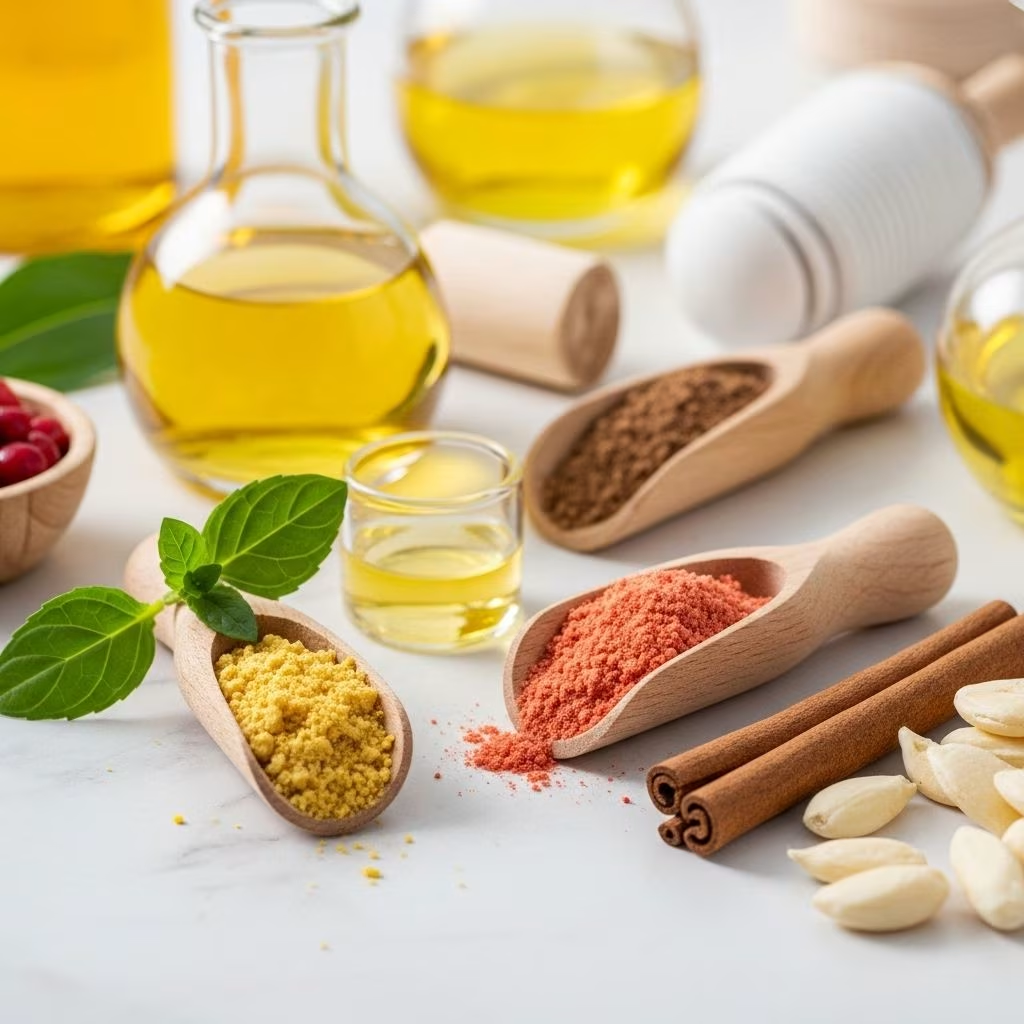
Understanding Melasma and Natural Treatment Options
Melasma, also known as chloasma, represents one of the most challenging skin conditions to treat, characterized by acquired hyperpigmentation that typically appears as brown or grayish patches on the face. This condition affects millions of people worldwide, with a higher prevalence among women and individuals with darker skin tones. While conventional treatments like hydroquinone and chemical peels have dominated the therapeutic landscape, an increasing number of patients are seeking natural alternatives that offer comparable efficacy with fewer side effects.
The quest for natural melasma treatments has gained significant momentum in recent years, driven by growing concerns about the potential adverse effects of synthetic compounds and a broader cultural shift toward holistic wellness. Clinical research has begun validating what traditional medicine practitioners have known for centuries: certain plants and natural compounds possess remarkable skin-lightening properties that can effectively address hyperpigmentation without the harsh side effects associated with conventional treatments.
The Science Behind Natural Melasma Remedies
Natural remedies work through multiple mechanisms to address melasma. The primary pathways include inhibition of tyrosinase enzyme activity, which controls melanin production, reduction of oxidative stress through antioxidant properties, and modulation of inflammatory responses that can exacerbate pigmentation. Understanding these mechanisms helps explain why certain herbal remedies demonstrate efficacy comparable to pharmaceutical options.
Research indicates that melasma development involves complex interactions between genetic predisposition, hormonal fluctuations, ultraviolet radiation exposure, and inflammatory processes. Natural remedies that target multiple pathways simultaneously often prove more effective than single-mechanism approaches. This multi-targeted strategy explains why traditional medicine formulations combining several herbs frequently outperform isolated compounds in clinical studies.
Top Evidence-Based Herbal Remedies for Melasma
Licorice Extract: The Most Extensively Studied Option
Licorice stands as the most comprehensively researched herbal remedy for melasma treatment, with numerous clinical trials confirming its lightening and antioxidant effects. The active compound glabridin, a flavonoid found in licorice root, directly inhibits melanocyte activity and reduces melanin production, thereby diminishing pigmentation. Studies have demonstrated that licorice extract performs significantly better than placebo treatments, with some research showing enhanced effectiveness when combined with 5% ascorbic acid (vitamin C).
The mechanism of action involves multiple pathways: licorice not only inhibits tyrosinase enzyme activity but also provides potent antioxidant protection that prevents further pigmentation from oxidative stress. Clinical trials have reported high patient satisfaction rates, with visible improvements typically appearing within 8 to 12 weeks of consistent use. While generally well-tolerated, some individuals may experience mild redness or skin sensitivity, particularly during initial applications.
Rhubarb: Traditional Medicine Meets Modern Science
Rhubarb has emerged as a powerful natural remedy with proven anti-inflammatory, anti-scarring, and antioxidant properties particularly effective against sunlight-induced melasma. One notable clinical study found that patients taking liquid rhubarb extract twice daily achieved a remarkable 79.31% satisfaction rate, dramatically exceeding the placebo group’s 24.14% satisfaction. This substantial difference underscores rhubarb’s genuine therapeutic potential rather than mere placebo effects.
The plant’s effectiveness stems from its rich content of anthraquinones and polyphenolic compounds that work synergistically to reduce inflammation and prevent melanin overproduction. Rhubarb also demonstrates protective qualities against UV-induced damage, making it particularly valuable for individuals whose melasma worsens with sun exposure. However, some patients have reported experiencing redness and allergic reactions, necessitating patch testing before widespread application.
Chickpea and Melon Seed Combination
Persian medicine has long recognized chickpea as a skin-lightening plant capable of reducing lesions caused by melasma. Modern research has validated this traditional use, identifying chickpea’s mechanism of action as inhibition of tyrosinase enzyme and neutralization of free radicals. When combined with melon seed extract at 10% concentration, this formulation has demonstrated remarkable effectiveness in improving melasma-induced spots.
A 12-week comparative study evaluated this chickpea-melon seed combination against 4% hydroquinone, revealing that the natural formulation produced significant improvements in melasma severity without causing serious adverse effects. Both treatment groups showed comparable results, suggesting that this herbal combination offers a viable alternative to conventional hydroquinone therapy. The anti-tyrosinase properties of melon seeds complement chickpea’s antioxidant activities, creating a synergistic effect that addresses multiple aspects of melasma pathogenesis.
Parsley: Equal to Hydroquinone in Effectiveness
Multiple studies have confirmed parsley’s anti-pigmentation effects, with particularly impressive findings showing treatment efficacy equal to hydroquinone 4%. This remarkable performance positions parsley as one of the most promising natural alternatives to synthetic skin-lightening agents. Parsley contains high concentrations of vitamin C, apigenin, and other flavonoids that inhibit tyrosinase activity while providing antioxidant and anti-inflammatory benefits.
Clinical applications typically involve topical formulations or parsley tea applied directly to affected areas. The herb’s anti-inflammatory and antioxidant activities make it especially suitable for sensitive skin types that cannot tolerate harsher treatments. Traditional medicine practices have utilized parsley as a natural skin lightener for centuries, and contemporary research continues validating these historical applications. Some patients have reported mild redness when first using parsley-based products, though these reactions typically resolve with continued use.
Sorrel Cream: Progressive Improvement Over Time
Sorrel has demonstrated impressive results in comparative studies against hydroquinone, with 3% sorrel cream significantly clarifying and reducing melasma spot coloration over 12 weeks. Interestingly, the treatment timeline reveals a progressive advantage: while hydroquinone showed superior results during weeks 2 through 6, the sorrel group exhibited higher decreases in Melasma Area Severity Index (MASI) scores by week 8.
This delayed but ultimately superior performance suggests that sorrel works through different mechanisms than conventional treatments, possibly requiring more time to achieve optimal results but ultimately providing more sustainable improvements. Researchers believe sorrel reduces pigmentation through combined anti-inflammatory activity and tyrosinase inhibition, though the exact mechanisms require further investigation. The herb’s excellent safety profile makes it particularly attractive for long-term maintenance therapy.
Powerful Natural Compounds and Ingredients
Vitamin C: The Gold Standard Antioxidant
Vitamin C (ascorbic acid) represents one of the most scientifically validated natural treatments for melasma and hyperpigmentation. This powerful antioxidant works through multiple mechanisms: it inhibits tyrosinase enzyme activity, neutralizes free radicals that trigger melanin production, and promotes collagen synthesis for overall skin health. Studies combining vitamin C with other natural ingredients like licorice have shown significantly enhanced recovery rates compared to single-agent treatments.
The effectiveness of vitamin C depends heavily on formulation stability and concentration. L-ascorbic acid, the most bioavailable form, requires careful pH balancing and packaging to prevent oxidation. Clinical studies typically use concentrations between 5% and 20%, with higher percentages generally producing more dramatic results. Vitamin C also demonstrates gentle action compared to prescription treatments, reducing the risk of inflammatory hyperpigmentation that can worsen melasma.
Niacinamide: The Multi-Functional Vitamin
Niacinamide, also known as vitamin B3, has gained recognition as an effective natural treatment for various forms of hyperpigmentation, including melasma. This versatile compound works by interfering with melanosome transfer from melanocytes to keratinocytes, effectively preventing pigmentation from reaching the skin’s surface. Additionally, niacinamide strengthens the skin barrier, reduces inflammation, and improves overall skin texture.
Clinical concentrations typically range from 2% to 5%, with research demonstrating that niacinamide produces gradual but consistent improvements over 8 to 12 weeks. Its excellent tolerability profile makes it suitable for all skin types, including sensitive skin prone to irritation. Niacinamide can be safely combined with other natural treatments like vitamin C and kojic acid for enhanced results, though some formulations may require specific pH adjustments for optimal stability.
Kojic Acid: Fungal-Derived Skin Lightener
Kojic acid, a natural compound derived from various fungi species, functions as a potent tyrosinase inhibitor that effectively reduces melanin production. This ingredient has established itself as a popular alternative to hydroquinone, offering comparable efficacy with fewer concerns about long-term safety. Kojic acid works by chelating copper ions essential for tyrosinase enzyme function, thereby preventing the conversion of tyrosine to melanin.
Typical formulations contain kojic acid concentrations between 1% and 4%, with higher percentages reserved for professional treatments. While generally well-tolerated, some individuals may experience mild irritation or contact dermatitis, particularly when using higher concentrations. Combining kojic acid with other natural ingredients like vitamin C or niacinamide often enhances effectiveness while potentially reducing the concentration needed for optimal results.
Bakuchiol: The Natural Retinol Alternative
Bakuchiol has emerged as a breakthrough natural ingredient offering retinol-like benefits without associated irritation. This plant-derived compound, extracted from Psoralea corylifolia seeds, demonstrates remarkable ability to reduce discoloration caused by melasma while simultaneously improving skin texture and firmness. Unlike retinol, bakuchiol remains stable in sunlight and causes minimal irritation, making it ideal for daytime use and suitable for sensitive skin types.
Research indicates that bakuchiol works by modulating gene expression related to collagen production and cellular turnover while inhibiting melanin synthesis. Studies comparing bakuchiol to retinol have found comparable efficacy in reducing hyperpigmentation, with significantly better tolerability profiles. This makes bakuchiol particularly valuable for individuals who cannot tolerate traditional retinoids or prefer gentler natural alternatives.
Mandelic Acid: Gentle Yet Effective Exfoliant
Mandelic acid, an alpha-hydroxy acid derived from bitter almonds, offers gentle exfoliation that helps fade melasma-related discoloration. Its larger molecular size compared to other AHAs results in slower, more gradual penetration, reducing irritation risk while maintaining effectiveness. Mandelic acid works by accelerating cellular turnover, helping to shed pigmented skin cells while promoting regeneration of evenly-toned new skin.
This ingredient proves particularly beneficial for individuals with darker skin tones or sensitive skin who may be more prone to post-inflammatory hyperpigmentation from aggressive treatments. Concentrations typically range from 5% to 10% in over-the-counter products, with professional treatments utilizing higher percentages. Mandelic acid’s antibacterial properties provide additional benefits for acne-prone skin, making it an excellent choice for individuals dealing with both melasma and breakouts.
Additional Natural Remedies Showing Promise
Herbal Mixture Formulations
Research on comprehensive herbal mixture creams has demonstrated impressive results in improving melasma through multi-targeted approaches. One notable formulation combining China camellia, sanchi, prinsepia utilis oil, and portulaca oleracea significantly reduced erythema index and inflammatory cell density after 12 weeks of treatment. This success illustrates the advantage of combination therapies that address multiple pathogenic aspects of melasma simultaneously.
China camellia extract inhibits tyrosinase activity and melanocyte proliferation while providing potent antioxidant protection through camellianin A. The synergistic effects of multiple herbs often prove more effective than isolated compounds, explaining why traditional medicine formulations frequently outperform single-ingredient treatments. Such comprehensive approaches also tend to produce more sustainable results with lower recurrence rates.
Aloe Vera, Tomato, and Other Plant Extracts
Several additional plant-based remedies have shown positive effects in treating melasma, though research remains more limited. Aloe vera leaf gel provides soothing anti-inflammatory benefits while supporting skin regeneration. Tomato extract contains lycopene, a powerful antioxidant that protects against UV-induced pigmentation. Pine bark extract offers procyanidins that inhibit melanogenesis and reduce oxidative stress.
Indian gooseberry (amla), fern extract, and olive compounds have all demonstrated varying degrees of effectiveness in preliminary studies. These ingredients typically work through antioxidant mechanisms, tyrosinase inhibition, or anti-inflammatory pathways. While they may not yet have the extensive research backing of licorice or vitamin C, they represent promising areas for future investigation and may prove particularly valuable in combination formulations.
Comparing Natural Remedies to Conventional Treatments
| Treatment Type | Efficacy | Safety Profile | Time to Results | Cost |
|---|---|---|---|---|
| Hydroquinone 4% | High | Moderate (potential side effects) | 6-8 weeks | Moderate |
| Licorice Extract | Moderate to High | Excellent | 8-12 weeks | Low to Moderate |
| Vitamin C + Natural Ingredients | Moderate to High | Excellent | 8-12 weeks | Low to Moderate |
| Parsley Extract | High (equal to hydroquinone) | Excellent | 8-12 weeks | Low |
| Prescription Retinoids | High | Moderate (irritation common) | 12-16 weeks | High |
| Bakuchiol | Moderate | Excellent | 12-16 weeks | Moderate |
This comparison reveals that natural remedies often match or approach the efficacy of conventional treatments while offering superior safety profiles and tolerability. The primary trade-off involves treatment duration, as natural options typically require longer timeframes to achieve optimal results. However, the reduced risk of adverse effects and excellent long-term safety make natural remedies particularly attractive for maintenance therapy and individuals with sensitive skin.
Practical Application and Treatment Strategies
Formulation Selection and Combination Approaches
Selecting the right natural remedy requires consideration of individual skin type, melasma severity, and tolerance for specific ingredients. Combination approaches often prove most effective, utilizing multiple natural compounds that work synergistically through different mechanisms. For example, pairing vitamin C with licorice extract provides both antioxidant protection and tyrosinase inhibition, while adding niacinamide strengthens the skin barrier and reduces inflammation.
Start with lower concentrations to assess tolerance before progressing to stronger formulations. Many individuals find success beginning with gentler options like bakuchiol or mandelic acid, then incorporating more potent ingredients like vitamin C or kojic acid as their skin adapts. Layering products strategically—applying water-based serums before oil-based formulations—ensures optimal absorption and effectiveness.
Treatment Timeline and Realistic Expectations
Natural melasma treatments typically require consistent application over 8 to 16 weeks before significant improvements become visible. Unlike aggressive chemical peels or laser treatments that produce rapid but potentially inflammatory results, herbal remedies work gradually to restore normal pigmentation without triggering reactive hyperpigmentation. Patience proves essential, as premature discontinuation often prevents achievement of optimal outcomes.
Most clinical studies report progressive improvement, with initial changes appearing around week 4 to 6 and more dramatic results emerging by weeks 10 to 12. Some ingredients like sorrel demonstrate delayed superiority, initially performing below synthetic alternatives before surpassing them in later treatment phases. This pattern underscores the importance of maintaining consistent application throughout the recommended treatment duration rather than expecting immediate results.
Sun Protection: The Non-Negotiable Foundation
No natural remedy can effectively treat melasma without rigorous sun protection. Ultraviolet radiation represents the primary trigger for melanin overproduction, and even brief unprotected sun exposure can reverse weeks of treatment progress. Daily application of broad-spectrum SPF 50+ sunscreen remains absolutely essential, with reapplication every two hours during extended outdoor activities.
Physical sunscreens containing zinc oxide or titanium dioxide often prove superior to chemical filters for melasma-prone skin, as they reflect UV rays without potentially irritating chemical reactions. Supplementing sunscreen with protective clothing, wide-brimmed hats, and strategic shade-seeking further enhances photoprotection. Many natural melasma treatments incorporate ingredients like vitamin C that provide additional antioxidant protection against UV-induced oxidative stress, creating a comprehensive defense strategy.
Safety Considerations and Potential Side Effects
Natural remedies generally demonstrate excellent safety profiles compared to conventional treatments, though individual reactions can vary. The most commonly reported adverse effects include mild redness, temporary irritation, and allergic reactions in sensitive individuals. Licorice, rhubarb, and parsley have specifically been associated with skin allergies in some patients, highlighting the importance of patch testing before widespread application.
Perform patch tests by applying small amounts of new products to the inner forearm for 24 to 48 hours before facial application. This simple precaution can prevent widespread reactions and help identify problematic ingredients. If irritation develops, discontinue use immediately and consult a dermatologist, particularly if symptoms persist beyond a few days or worsen over time.
Pregnant and breastfeeding women should exercise particular caution with herbal remedies, as limited safety data exists for these populations. While ingredients like vitamin C and niacinamide are generally considered safe, others like retinol alternatives or certain herbal extracts lack sufficient research to establish clear safety parameters. Consulting healthcare providers before beginning any new treatment regimen ensures appropriate precautions for individual circumstances.
The Future of Natural Melasma Treatment
Current evidence regarding herbal remedies for melasma, while promising, remains inadequate to establish definitive treatment protocols. Further research including large-scale clinical trials, systematic reviews, and meta-analyses is necessary to comprehensively assess the efficacy of natural products and identify optimal formulations, concentrations, and application methods. The field stands at an exciting threshold where traditional medicine meets modern scientific validation.
Emerging research continues identifying new botanical compounds with skin-lightening potential. Advanced extraction techniques and nanotechnology applications may enhance the bioavailability and effectiveness of existing natural ingredients. Personalized treatment approaches incorporating genetic testing and microbiome analysis could eventually enable precise matching of natural remedies to individual patient profiles for maximized efficacy.
The growing body of evidence supporting natural melasma treatments has begun shifting dermatological practice toward integrative approaches that combine the best of conventional and complementary medicine. As research expands and more high-quality studies emerge, natural remedies will likely secure increasingly prominent positions in standard treatment protocols, offering patients safer, gentler alternatives to synthetic compounds while maintaining therapeutic effectiveness.
Frequently Asked Questions
Q: How long does it take for natural remedies to show results on melasma?
A: Most natural melasma treatments require 8 to 12 weeks of consistent application before visible improvements appear. Some ingredients like sorrel may take even longer, showing superior results after 12 to 16 weeks. Patience and consistency are essential for success with natural remedies.
Q: Can natural remedies completely eliminate melasma?
A: While natural remedies can significantly lighten melasma and improve skin appearance, complete elimination is often challenging regardless of treatment type. Melasma tends to be a chronic condition requiring ongoing maintenance therapy and strict sun protection to prevent recurrence.
Q: Are natural remedies safe to use during pregnancy?
A: Safety data for many herbal remedies during pregnancy remains limited. While ingredients like vitamin C and niacinamide are generally considered safe, consult your healthcare provider before using any new treatments during pregnancy or breastfeeding to ensure appropriate precautions.
Q: Can I combine multiple natural ingredients for better results?
A: Yes, combination approaches often prove more effective than single-ingredient treatments. Pairing ingredients that work through different mechanisms—such as vitamin C with licorice or niacinamide with kojic acid—can enhance results. However, introduce new ingredients gradually to assess tolerance.
Q: Do natural remedies work as well as prescription treatments like hydroquinone?
A: Research shows that certain natural remedies, particularly parsley extract and licorice, can achieve results comparable to hydroquinone 4%. While natural options may require longer treatment durations, they typically offer superior safety profiles with fewer adverse effects.
Q: What should I do if I experience irritation from natural remedies?
A: Discontinue use immediately if significant irritation develops. Mild, temporary redness is common when starting new treatments, but persistent or worsening symptoms warrant stopping the product and consulting a dermatologist. Always perform patch tests before applying new products to your face.
Q: Is sun protection really necessary when using natural melasma treatments?
A: Absolutely. Sun protection is the single most important factor in melasma treatment success. Without daily broad-spectrum SPF 50+ sunscreen and additional protective measures, even the most effective treatments will fail as UV exposure continuously triggers new pigmentation.
References
- https://www.dermatologytimes.com/view/current-evidence-is-inadequate-in-proving-the-benefits-of-herbal-remedies-on-melasma
- https://pmc.ncbi.nlm.nih.gov/articles/PMC11837239/
- https://pmc.ncbi.nlm.nih.gov/articles/PMC6916559/
- https://clearstem.com/blogs/skin-care-learning-center/how-to-treat-melasma-on-the-face-naturally
- https://www.rupahealth.com/post/integrative-dermatology-approach-to-melasma
- https://onlinelibrary.wiley.com/doi/10.1002/jvc2.385
- https://jintegrativederm.org/doi/10.64550/joid.8hakh229


