


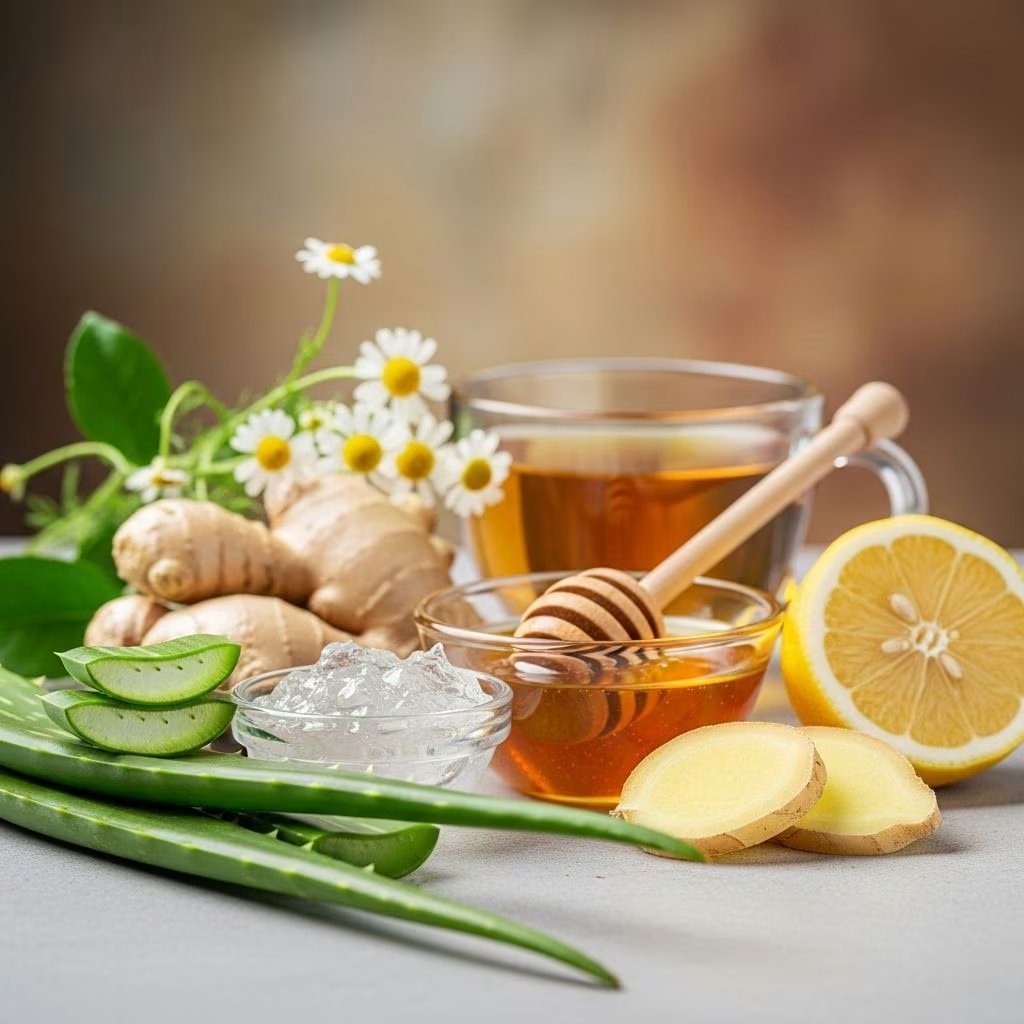
Esophagitis, characterized by inflammation of the esophagus, often results from chronic acid reflux and can cause significant discomfort, pain, and difficulty swallowing. While conventional medical treatments provide relief for many individuals, an increasing number of people seek natural alternatives that address the root causes while minimizing side effects. Understanding the various natural remedies available can empower you to take control of your digestive health and find sustainable solutions for managing esophageal inflammation and acid-related damage.
The esophagus serves as a crucial passageway connecting your mouth to your stomach, and when stomach acid repeatedly flows backward into this delicate tissue, it can lead to erosive esophagitis, a condition that damages the esophageal lining. This backward flow, known as gastroesophageal reflux, creates a burning sensation commonly called heartburn and can progress to more serious complications if left unaddressed. Natural remedies offer a complementary approach to managing these symptoms while supporting the body’s inherent healing mechanisms.
Understanding Esophagitis and Acid Reflux
Before exploring natural treatments, it’s essential to understand what happens during esophagitis and acid reflux. The lower esophageal sphincter, a ring of muscle at the junction between the esophagus and stomach, normally acts as a one-way valve, allowing food to enter the stomach while preventing acid from traveling upward. When this sphincter weakens or relaxes inappropriately, stomach acid escapes into the esophagus, causing irritation and inflammation.
Several factors contribute to the development of esophagitis, including dietary choices, lifestyle habits, obesity, pregnancy, certain medications, and underlying medical conditions. The symptoms can range from mild heartburn to severe chest pain, difficulty swallowing, food impaction, and even bleeding in advanced cases. Chronic inflammation may lead to Barrett’s esophagus, a precancerous condition that requires medical monitoring.
Herbal Remedies for Esophageal Healing
Aloe Vera Juice has emerged as one of the most promising natural treatments for esophagitis and acid reflux. This succulent plant, traditionally used for sunburn relief, contains compounds that demonstrate anti-inflammatory and wound-healing properties when consumed internally. Research suggests that aloe vera juice may help reduce inflammation in both the stomach and esophagus, creating a soothing effect on irritated tissues. One clinical study found that when people with acid reflux combined conventional medications with aloe vera syrup, they experienced significantly better results than those using medications alone.
When considering aloe vera juice, it’s crucial to select products specifically designed for internal consumption, as the gel used for skin application contains different compounds. Start with small amounts, such as half a glass or less, to assess your body’s response. However, individuals with kidney disease should exercise caution and consult healthcare professionals before using aloe vera, as it can interact with certain medications and may pose risks for specific kidney conditions.
Deglycyrrhizinated Licorice (DGL) represents another powerful herbal remedy with centuries of traditional use. Unlike regular licorice, DGL has had the glycyrrhizin compound removed, eliminating the potential for elevating blood pressure while preserving its gastroprotective benefits. Licorice root extract increases mucus secretion in the gastrointestinal tract, creating a protective barrier against acid damage. The herb works through multiple mechanisms, including inhibiting specific enzymes that promote inflammation and boosting antioxidant activity that prevents cellular damage from reactive oxygen species.
The mucus-enhancing properties of licorice make it particularly valuable for individuals with erosive esophagitis, as this protective layer shields damaged tissue while promoting healing. Studies have demonstrated that DGL can reduce heartburn, regurgitation, and nausea when used consistently. The typical recommendation involves taking DGL tablets or chewables before meals, allowing the compounds to coat the esophageal lining before stomach acid production increases.
Ginger Extract offers multifaceted benefits for managing esophagitis and reflux symptoms. This aromatic root contains bioactive compounds called gingerols and shogaols that possess anti-inflammatory and antioxidant properties. Beyond reducing inflammation, ginger produces prokinetic effects, meaning it helps food move more efficiently from the stomach into the small intestine. This improved gastric emptying reduces the likelihood of stomach contents flowing backward into the esophagus.
Ginger tea provides a convenient way to incorporate this remedy into your daily routine, though it’s important to let the tea cool to a warm temperature before drinking, as hot liquids can actually worsen esophageal irritation. The anti-nausea properties of ginger make it especially beneficial for individuals who experience regurgitation along with their reflux symptoms. Regular consumption may help strengthen the lower esophageal sphincter function while simultaneously protecting the mucosal lining from acid-induced damage.
Chamomile Tea has long been recognized for its calming properties, but its benefits extend beyond promoting restful sleep. Chamomile possesses notable anti-inflammatory characteristics that can help soothe esophageal irritation and promote mucosal healing. The gentle, soothing nature of chamomile makes it an ideal choice for evening consumption, as it addresses both the physical discomfort of esophagitis and the anxiety that often accompanies chronic digestive issues.
The therapeutic compounds in chamomile work by reducing inflammation throughout the digestive tract, potentially decreasing the severity of reflux episodes. Like other herbal teas used for esophagitis, chamomile should be consumed warm rather than hot to avoid exacerbating symptoms. Many individuals find that incorporating chamomile tea into their bedtime routine helps prevent nighttime reflux while promoting better sleep quality.
Mucilage-Based Natural Treatments
Slippery Elm bark has been utilized in traditional North American medicine for generations to address gastrointestinal complaints. The inner bark contains high concentrations of mucilage, a complex mixture of polysaccharides that absorbs water and forms a viscous, gel-like substance. This mucilage creates a protective coating over mucosal surfaces throughout the digestive tract, including the esophagus, shielding irritated tissue from further acid exposure.
Clinical research examining slippery elm as part of comprehensive formulations has shown promising results. One 16-week study found that participants experienced 60-80% reductions in gastrointestinal pain, with approximately half of the subjects able to decrease their reliance on proton pump inhibitors. The protective barrier formed by slippery elm mucilage not only guards against acid damage but may also stimulate natural mucus production and enhance the integrity of the gastrointestinal lining.
Slippery elm is available in various forms, including lozenges, teas, and capsules. The lozenges offer particular advantages for esophagitis sufferers, as they allow the mucilage to coat the throat and esophagus as it slowly dissolves. When preparing slippery elm tea, the powder should be mixed with cool or warm water rather than hot water to preserve the mucilage’s beneficial properties. The antioxidant, antimicrobial, and wound-healing characteristics of slippery elm contribute to its effectiveness in managing GERD and esophagitis symptoms.
Marshmallow Root functions similarly to slippery elm, containing mucilaginous compounds that form a protective layer over inflamed tissues. This herb has been used historically to soothe irritated mucous membranes throughout the body, and its application to esophageal inflammation follows this traditional understanding. The gel-like coating created by marshmallow root may help reduce pain and promote healing in damaged esophageal tissue.
Dietary Modifications for Esophageal Health
Alkaline and Low-Acid Foods play a crucial role in managing esophagitis naturally. Incorporating foods that help neutralize stomach acid can significantly reduce symptoms and promote healing. Apples, particularly less acidic varieties like Gala, Pink Lady, and Red Delicious, have been reported by many individuals to help alleviate burning and reflux symptoms. The low acidity of these fruits makes them gentler on the esophagus compared to citrus fruits, which can trigger symptoms in many people.
Celery represents another valuable dietary addition for individuals with esophagitis. This watery vegetable can dilute stomach acid, potentially making it less potent and destructive if reflux occurs. Some practitioners recommend drinking celery juice as a particularly effective way to harness these benefits, as the concentrated liquid provides a quick dose of alkalizing compounds. Cucumbers and watermelon offer similar benefits due to their high water content and alkaline nature.
Plant-Based Milks provide an excellent alternative to dairy milk, which can trigger reflux in some individuals. Almond milk, oat milk, and other non-dairy options tend to be less acidic and may help neutralize stomach acid without the fat content that can slow gastric emptying. These beverages can be consumed throughout the day and may be particularly helpful when experiencing active symptoms.
Apple Cider Vinegar presents an interesting paradox in acid reflux treatment. While it seems counterintuitive to consume an acidic substance to treat acid-related problems, some evidence suggests that diluted apple cider vinegar may help with esophagitis symptoms. The theory proposes that apple cider vinegar may help improve digestion and strengthen the lower esophageal sphincter. However, it should never be consumed straight, as undiluted vinegar can damage tooth enamel and worsen esophageal irritation. Instead, mix one to two tablespoons in a full glass of water and consume before meals.
Mineral and Supplement Support
Calcium Carbonate functions as a natural antacid, neutralizing stomach acid to provide quick relief from heartburn and reflux symptoms. While it offers temporary symptom relief rather than addressing underlying causes, calcium carbonate can be valuable for managing acute episodes of discomfort. Many individuals keep calcium carbonate supplements on hand for occasional use when dietary modifications and other natural remedies aren’t immediately sufficient.
Hydrotalcite is another mineral compound that acts as an antacid, providing relief by neutralizing excess stomach acid. Like calcium carbonate, it offers symptomatic relief and can be part of a comprehensive natural approach to managing esophagitis.
Melatonin may seem like an unexpected treatment for digestive issues, but research has revealed its gastroprotective properties. Beyond regulating sleep cycles, melatonin enhances lower esophageal sphincter function and decreases gastric acid secretion. The supplement may be particularly beneficial for individuals who experience nighttime reflux, as it addresses both the reflux mechanism and promotes better sleep quality, which supports overall healing.
Folate and Vitamin B12 supplementation may benefit individuals with chronic esophagitis, particularly those who have been using proton pump inhibitors long-term, as these medications can interfere with the absorption of B vitamins. Maintaining adequate levels of these nutrients supports overall digestive health and may promote healing of damaged esophageal tissue.
Probiotics and Gut Health
The role of probiotics in managing esophagitis and GERD has gained increasing attention in recent years. These beneficial bacteria support digestive health through multiple mechanisms, including improving gut barrier function, reducing inflammation, and potentially influencing lower esophageal sphincter function. A healthy gut microbiome may help reduce the severity and frequency of reflux episodes while supporting the body’s natural healing processes.
Specific probiotic strains have shown promise in clinical studies for reducing GERD symptoms. Regular consumption of probiotic-rich foods like yogurt, kefir, sauerkraut, and kimchi, or taking high-quality probiotic supplements, may contribute to long-term improvements in esophageal health. The anti-inflammatory effects of certain probiotic strains can help reduce esophageal inflammation while supporting overall gastrointestinal function.
Essential Lifestyle Modifications
Elevating the Head During Sleep represents one of the most effective non-pharmacological interventions for nighttime reflux. Gravity helps keep stomach contents where they belong when the upper body is elevated. Using a wedge pillow or raising the head of the bed by six to eight inches can significantly reduce nighttime reflux episodes and prevent acid from damaging the esophagus during sleep.
Eating Habits and Meal Timing profoundly impact reflux symptoms. Eating smaller, more frequent meals rather than large portions reduces pressure on the lower esophageal sphincter and decreases the likelihood of reflux. Avoiding food for at least three hours before bedtime allows the stomach to empty before lying down, minimizing nighttime symptoms. Eating slowly and chewing thoroughly also aids digestion and reduces the risk of reflux.
Weight Management plays a critical role in esophagitis prevention and treatment. Excess weight, particularly around the abdomen, increases pressure on the stomach and can force the lower esophageal sphincter open, allowing acid to escape. Even modest weight loss can lead to significant improvements in reflux symptoms for overweight individuals.
Avoiding Trigger Foods and Beverages is essential for managing esophagitis naturally. Common triggers include alcohol, caffeine, chocolate, mint, spicy foods, tomato-based products, and fatty foods. Carbonated beverages can increase stomach pressure and trigger reflux, so avoiding sodas and sparkling water may help reduce symptoms. Identifying and eliminating personal trigger foods requires careful attention to how your body responds to different dietary choices.
Proper Pill-Taking Habits can prevent medication-induced esophagitis. Taking pills with plenty of water while in an upright position and avoiding lying down immediately after swallowing medications helps ensure they reach the stomach rather than remaining in the esophagus where they can cause localized damage.
Combining Natural Remedies for Maximum Benefit
The most effective approach to managing esophagitis and acid reflux naturally often involves combining multiple strategies rather than relying on a single remedy. For example, starting the day with diluted aloe vera juice, consuming chamomile tea in the evening, using DGL before meals, and maintaining consistent dietary modifications creates a comprehensive treatment protocol that addresses symptoms from multiple angles.
Many individuals find success by establishing a structured routine that incorporates various natural remedies at strategic times throughout the day. This might include drinking herbal tea in the morning, taking slippery elm lozenges before meals, avoiding trigger foods, eating dinner several hours before bed, and sleeping with an elevated head position. This multi-faceted approach supports the body’s natural healing processes while minimizing symptom occurrence.
Important Considerations and Precautions
While natural remedies offer promising benefits for esophagitis and acid reflux, they should not replace professional medical care for serious conditions. Persistent symptoms, difficulty swallowing, unexplained weight loss, or blood in vomit or stool require immediate medical evaluation to rule out serious complications like Barrett’s esophagus or esophageal cancer.
Some natural remedies can interact with medications or may not be appropriate for individuals with certain health conditions. Aloe vera, for instance, can be dangerous for people with kidney disease and may interact with various medications. Always consult with a healthcare provider before starting new supplements, especially if you take prescription medications or have underlying health conditions.
The scientific evidence supporting natural remedies varies in quality and quantity. While some treatments like DGL, ginger, and aloe vera have reasonable research backing, others rely more heavily on traditional use and anecdotal evidence. Approaching natural remedies with realistic expectations and patience allows time to assess their effectiveness for your individual situation.
Frequently Asked Questions
Q: How long does it take for natural remedies to improve esophagitis symptoms?
A: The timeline varies depending on the severity of inflammation and the remedies used. Some individuals experience relief within days, while others may need several weeks of consistent use to notice significant improvements. Mucilage-based remedies like slippery elm may provide more immediate soothing effects, while herbal remedies that promote healing may take longer to show results.
Q: Can I use natural remedies alongside prescription medications for GERD?
A: Many natural remedies can complement conventional treatments, but it’s essential to consult your healthcare provider before combining approaches. Some supplements may interact with medications or affect their absorption. Your doctor can help create an integrated treatment plan that safely combines natural and conventional therapies.
Q: Are there any natural remedies that should be avoided with esophagitis?
A: Peppermint and mint products, while sometimes recommended for digestive issues, can actually worsen reflux by relaxing the lower esophageal sphincter. Additionally, avoid consuming herbal teas or other remedies at very hot temperatures, as heat can aggravate esophageal inflammation. Always research potential interactions before trying new supplements.
Q: How much aloe vera juice should I drink for esophagitis?
A: Start with a small amount, such as one-quarter to one-half cup, once or twice daily. Monitor your response and adjust accordingly. Some people find that drinking aloe vera juice before meals provides the best results. Choose products specifically designed for internal consumption and avoid those containing aloin, which can have laxative effects.
Q: Can stress affect esophagitis and reflux symptoms?
A: Yes, stress can worsen GERD symptoms by affecting digestive function and increasing stomach acid production. Incorporating stress-management techniques like meditation, yoga, deep breathing exercises, or regular physical activity can complement natural remedies and support overall digestive health.
Q: Is it safe to use multiple herbal remedies simultaneously?
A: While many herbal remedies can be used together safely, it’s wise to introduce them one at a time to assess individual effectiveness and identify any adverse reactions. Some herbs may have overlapping mechanisms or cumulative effects. Consulting with a healthcare provider or qualified herbalist can help you develop a safe, effective protocol.
Q: What dietary changes provide the fastest relief from esophagitis?
A: Eliminating common trigger foods—including spicy foods, citrus, tomatoes, chocolate, caffeine, and alcohol—often provides relatively quick symptom improvement. Additionally, eating smaller meals, avoiding food before bedtime, and incorporating soothing foods like oatmeal, bananas, and melons can help reduce symptoms within days to weeks.
References
- https://www.ebsco.com/research-starters/complementary-and-alternative-medicine/natural-treatments-gastroesophageal-reflux
- https://www.goodrx.com/conditions/gerd/what-to-drink-for-esophagitis
- https://www.healthcentral.com/slideshow/home-hacks-for-erosive-esophagitis
- https://pmc.ncbi.nlm.nih.gov/articles/PMC11944625/
- https://www.health.harvard.edu/newsletter_article/9-ways-to-relieve-acid-reflux-without-medication
- https://www.mayoclinic.org/diseases-conditions/esophagitis/diagnosis-treatment/drc-20361264
- https://www.healthline.com/health/gerd/home-remedies


