


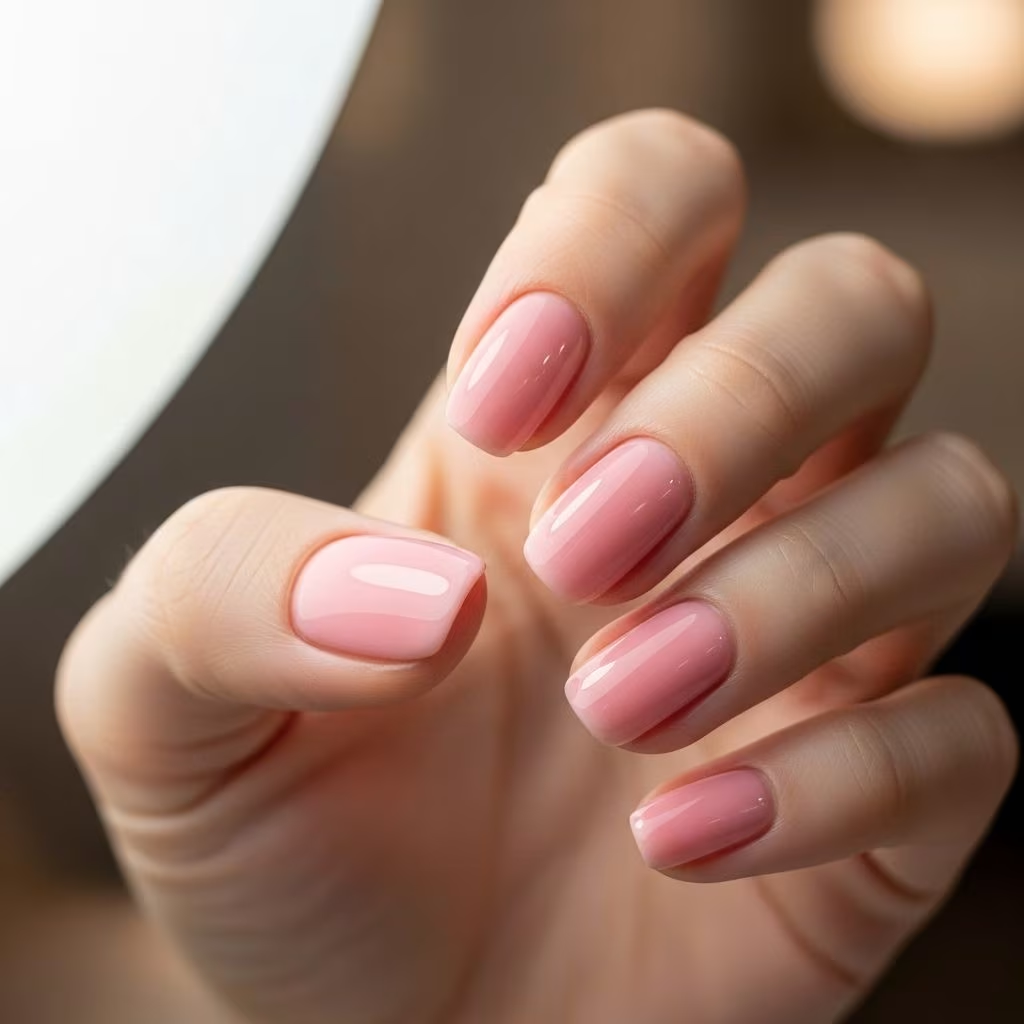
How to Achieve Strong, Healthy Nails: The Ultimate Guide
Nail health is more than just a cosmetic concern—it reflects overall well-being and can boost confidence and comfort. Weak, brittle nails are common, but with the right care, everyone can cultivate resilient, beautiful nails. This guide covers the science behind nail health, daily habits, dietary considerations, and actionable steps for nails you’ll love.
Why Nail Health Matters
Strong nails aren’t just a sign of beauty—they’re also a marker of good health. Nails protect the delicate tissues of our fingertips, help with daily tasks, and can reveal health issues ranging from vitamin deficiencies to systemic diseases.
Understanding Nail Structure and Growth
Healthy nails are made of keratin, a tough protein also found in hair and skin. Each nail grows from the nail matrix, just under the cuticle, and consists of several parts:
- Nail Plate: The visible, hard part of the nail.
- Nail Bed: The skin beneath the nail plate.
- Cuticle: Protective layer at the base of the nail.
- Lunula: The small, white half-moon area.
The average fingernail grows about 1/8 inch (3 mm) a month, and it takes 4–6 months for a full nail to regrow.
Common Causes of Weak, Brittle Nails
Many factors can undermine nail strength, including:
- Repeated exposure to water (e.g., frequent dishwashing or handwashing), which can weaken the nail plate.
- Harsh detergents and cleaning chemicals that strip natural oils.
- Nutritional deficiencies, especially in biotin, iron, and other key nutrients.
- Excessive use of nail polish remover, especially formulations with acetone.
- Underlying medical conditions such as thyroid disease, anemia, or fungal infections.
Daily Habits for Stronger Nails
Consistency matters when it comes to nail health. Adopting these habits will help you build stronger, healthier nails over time:
- Keep Nails Moisturized: Use cuticle oil, hand cream, or a specialized nail moisturizer daily. Oils like jojoba, almond, or vitamin E are especially effective for nourishing the nail matrix.
- Give Nails a Break from Polish: Regularly going polish-free gives nails time to “breathe” and recover from exposure to chemicals.
- Avoid Nail Biting or Picking: These habits create small breaks in the nail plate and cuticle, inviting infection and further damage.
- Wear Gloves When Cleaning: Protect your nails from harsh chemicals and prolonged water exposure by donning gloves during cleaning or dishwashing.
Nutritional Support: Eat for Nail Strength
Diet is a cornerstone of nail health. Ensuring sufficient intake of key nutrients can dramatically improve nail strength:
- Biotin: Found in eggs, nuts, and whole grains, biotin supports keratin production and may reduce nail brittleness.
- Iron: Lean meats, beans, and spinach are good sources. Iron deficiency can lead to thin, concave nails.
- Zinc: Nuts, seeds, and legumes contain zinc, which is vital for cell growth and repair.
- Protein: Nails are made of protein, so be sure to include adequate amounts from fish, poultry, or plant-based sources.
- Omega-3 Fatty Acids: Good fats support nail flexibility and hydration. Find them in flaxseed, walnuts, and fatty fish.
Stay hydrated as well—water supports the health and elasticity of all cells, including nails and cuticles.
Smart Manicuring: Techniques for Healthier Nails
Proper nail grooming avoids unnecessary damage:
- Trim nails regularly using sharp, clean tools, cutting straight across and slightly rounding the tips.
- Avoid aggressive filing: File in one direction with a fine-grit file to prevent splitting.
- Limit use of harsh polish removers: Acetone-based removers can dry out nails—use sparingly and condition afterward.
- Be gentle with cuticles: Do not cut cuticles; instead, push them back gently after softening.
At-Home Nail Care Routine
Here’s a simple weekly process to rejuvenate and protect your nails:
- Remove Old Polish: Use a gentle, acetone-free remover.
- Soak & Cleanse: Soak fingertips in warm water for a few minutes. Gently cleanse under and around nails.
- Exfoliate: Use a soft nail brush or gentle scrub to remove dead skin around the nails.
- Moisturize: Apply cuticle oil and hand lotion, massaging into each nail bed.
- Trim, File, and Buff: Shape gently and buff lightly for shine, but avoid over-buffing which can thin the nail plate.
- Apply Strengthening Base: Use a nourishing or protein-rich base coat if applying polish.
- Top Coat: Finish with a top coat to help resist chips and strengthen the nail’s surface.
Key Ingredients for Nail Enhancers
| Ingredient | Function | Common Sources |
|---|---|---|
| Biotin | Strengthens keratin structure | Supplements, nail serums |
| Calcium | Supports nail hardness | Fortified polish, diet |
| Keratin | Reinforces natural nail | Nail treatments |
| Vitamin E | Moisturizes and repairs | Oils, creams |
Myths and Mistakes to Avoid
- Myth: Nails need to “breathe.”
Truth: Nails don’t take in oxygen from the air, but going polish-free prevents chemical buildup and allows natural oils to replenish. - Myth: Cutting cuticles is vital for growth.
Truth: Cutting can lead to infection; it’s better to gently push back. - Mistake: Over-buffing for shine.
Tip: Buff only lightly and infrequently to avoid thinning.
When to Seek Professional Help
Persistent nail problems—especially discoloration, swelling, excessive splitting, or infection signs—should be evaluated by a dermatologist or physician, as they may indicate an underlying health issue.
Frequently Asked Questions (FAQs)
Q: Are supplements necessary for stronger nails?
A: Most people can get the nutrients they need through a varied diet. However, supplements like biotin may help those with deficiencies.
Q: How can I prevent my nails from peeling and splitting?
A: Keep nails moisturized, avoid excessive water and harsh chemicals, and use a protective base coat during manicures.
Q: Is gel or acrylic bad for nail health?
A: Frequent use or improper removal can weaken nails. Take breaks between applications and use gentle removal methods.
Q: What does nail shape say about health?
A: Some changes—like ridges, discoloration, or abnormal shapes—may indicate health issues and should be evaluated by a professional.
Q: How often should I cut my nails?
A: Trimming every 1–2 weeks keeps nails neat and prevents breakage, but frequency can vary by individual nail growth.
Quick Tips for Stronger Nails
- Hydrate your cuticles daily with oils or creams.
- Opt for acetone-free polish remover whenever possible.
- Eat a balanced diet rich in protein, vitamins, and minerals.
- Keep nails at a manageable length to reduce trauma.
- Avoid using nails as tools to open cans or boxes.
Bonus: Creating a Nail-Strengthening Treatment at Home
For an easy, effective treatment, mix a few drops of olive oil with vitamin E oil and massage into fingernails and cuticles nightly. For added benefit, slip on breathable cotton gloves after application to lock in moisture.
Summary Table: Everyday Nail Care Practices
| Practice | Benefit |
|---|---|
| Moisturizing with oil | Improves flexibility, prevents splitting |
| Protective gloves | Shields from harsh chemicals, reduces brittleness |
| Balanced nutrition | Promotes nail growth and strength |
| Gentle nail care | Reduces trauma and breakage |
Final Thoughts
Building stronger, healthier nails is a journey shaped by daily care, smart habits, and balanced nutrition. By making small, consistent changes and focusing on nourishment, protection, and gentle care, you can transform brittle nails into a beautiful feature that reflects glowing health and self-care.


